Is Blue Catfish Good to Eat?
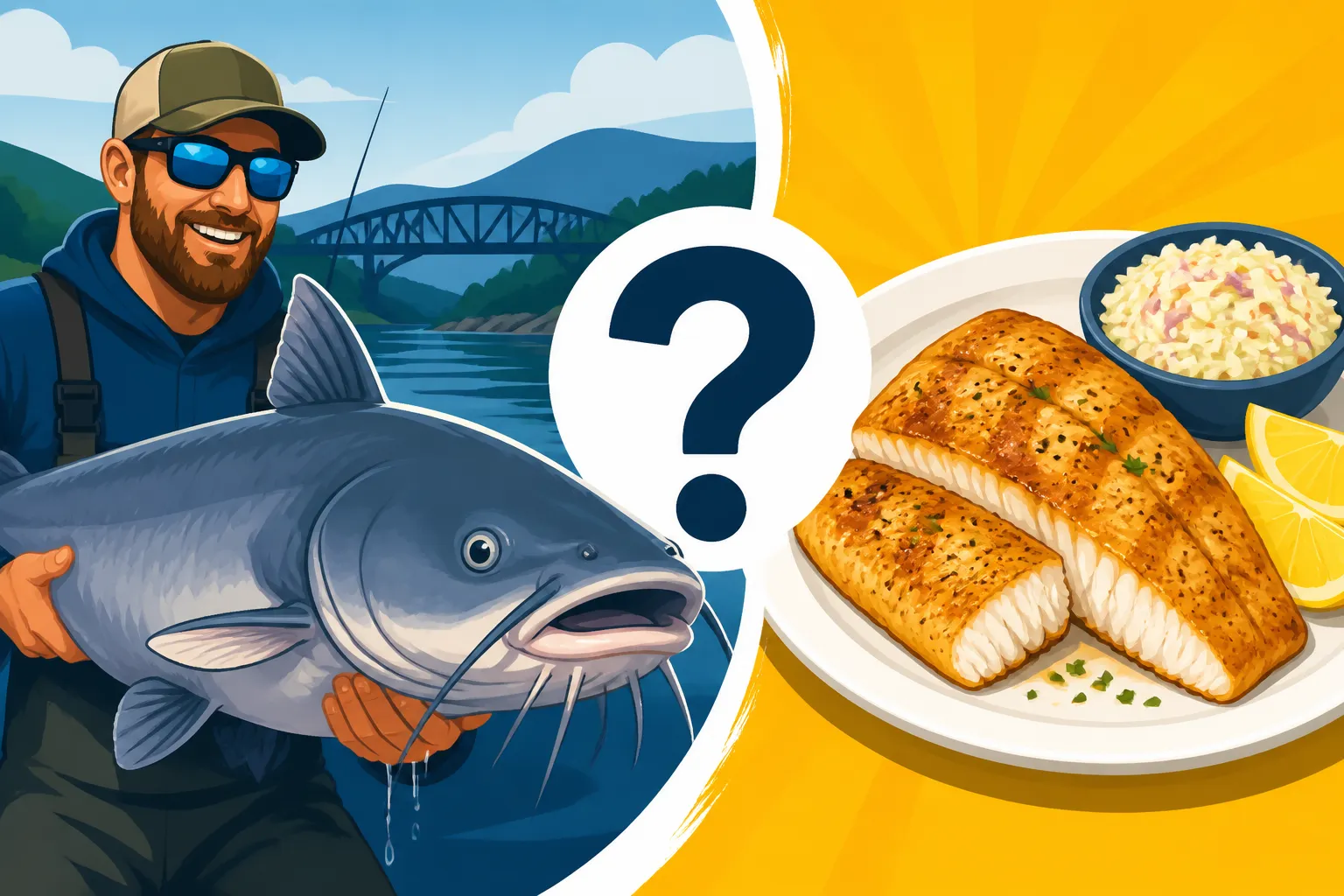
It’s a question many anglers, especially those new to reeling in one of Tennessee’s magnificent blue catfish, often ponder: "Is blue catfish actually good to eat?" There's a persistent myth out there that bigger fish mean tougher, muddier-tasting meat, which can leave folks hesitant to take home their impressive catch. This guide aims to clear up those misconceptions, diving deep into the culinary qualities of blue catfish and sharing everything you need to know to transform your catch from the water to a delicious meal on your plate.
The Culinary Appeal of Tennessee Blue Catfish
For generations, families along the Tennessee River and its tributaries have cherished catfish as a staple, and for good reason. Blue catfish, in particular, offers a fantastic option for the dinner table, especially when you know what to look for and how to prepare it. Don't let their sometimes imposing size fool you; these fish can deliver a truly delightful eating experience.
Flavor Profile and Texture
When you hook into a blue catfish from Tennessee's clean, flowing waters, you're in for a treat. Their flesh is typically mild, sweet, and has a firm, flaky texture that holds up well to various cooking methods. Unlike some other freshwater fish that can have a pronounced "fishy" taste, blue catfish often surprises people with its relatively clean flavor. It's truly a versatile protein, capable of taking on different seasonings and marinades without being overpowered.
Now, let's talk about texture. Blue catfish meat is beautifully white and firm, not mushy or oily like some other species. This makes it a real pleasure to work with in the kitchen, whether you're frying fillets or grilling steaks. The larger the fish, sometimes the coarser the flake, but even then, the flavor remains generally consistent. Many anglers find the firm texture appealing, as it provides a satisfying bite without being tough.
Why Some Fish Taste Better Than Others
It's true that not all blue catfish will taste identical, and this is where some of the "muddy taste" myths might originate. The flavor and texture of any fish are heavily influenced by its environment and diet. A blue catfish caught from a clear, flowing river like parts of the Tennessee River, where it has access to a varied diet of smaller fish and crustaceans, will often taste different from one caught in a stagnant pond with muddy bottoms and less diverse food sources. The water quality plays a huge role; fish from clean, cool waters tend to have a purer, more desirable flavor.
The age and size of the fish can also factor in. While a trophy-sized blue catfish is a thrill to catch, many experienced anglers agree that smaller to medium-sized fish (say, under 10-15 pounds) often offer the best eating quality. These younger fish tend to have more tender, delicate flesh. However, even large blue catfish can be excellent eating if properly handled and prepared, especially if you focus on the thicker cuts from the back and loin. Don't throw back that monster just yet!
Factors Influencing Blue Catfish Taste and Texture
Understanding what affects the taste and texture of your blue catfish can drastically improve your dining experience. It's not just about what you do in the kitchen; it starts long before the fish hits the filleting table. From the moment it bites your line to how it's stored, every step matters.
Water Quality and Habitat
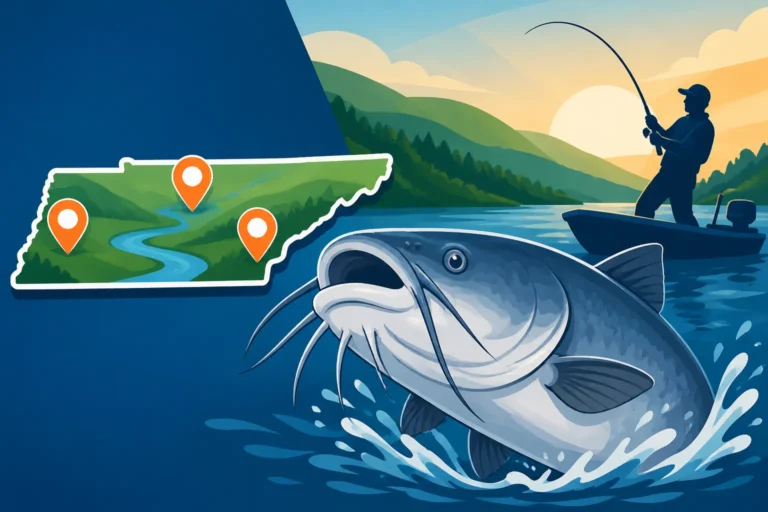
This is perhaps the most significant factor. Blue catfish are found in a huge variety of waters across Tennessee, from massive reservoirs like Chickamauga Lake and Kentucky Lake to the deeper channels of the Cumberland River. The general rule of thumb is that fish from clean, cooler, and flowing waters tend to have a superior flavor. These environments offer better oxygenation and a diverse food web, which contributes to healthier fish and cleaner-tasting meat.
Conversely, fish caught from shallow, stagnant, or warm waters, particularly those with muddy bottoms or high algae content, might have a stronger, earthy, or "muddy" flavor. This isn't because the fish is inherently bad, but rather because it absorbs flavors from its environment and diet. Many of Tennessee's larger reservoirs, with their deep main channels and vast expanses of cleaner water, produce excellent tasting blue catfish. Checking out guides like Best Catfish Lakes in Tennessee can help you pinpoint prime locations.
Size and Age of the Fish
As mentioned, there's a widely held preference for smaller to medium-sized blue catfish for eating. Fish in the 2-10 pound range are often considered ideal, yielding tender, moist fillets that cook up beautifully. These younger fish haven't had as much time to accumulate strong flavors from their environment, and their muscle tissue is generally more delicate.
However, don't write off those larger fish entirely! A big blue catfish can still provide excellent, hearty fillets. The trick is understanding how to process them. Large fish often have thicker cuts of meat that can be steaked or sectioned, and some anglers even trim away the darker red meat along the lateral line, which can sometimes carry a stronger flavor. The larger fillets from these fish are fantastic for grilling or smoking, where their robust texture can really shine.
Proper Handling and Cleaning
This is absolutely critical and often overlooked. Even the cleanest fish from the purest water can taste subpar if not handled correctly immediately after being caught.
- Cooling: Get your blue catfish on ice as quickly as possible. This slows down the biological processes that can degrade the meat and helps firm up the flesh. A cooler filled with ice is your best friend on the boat or bank.
- Bleeding: If you're comfortable with it, bleeding the fish immediately after catching it can significantly improve flavor. A quick cut to the gills or artery near the tail will allow the blood to drain, resulting in whiter, milder-tasting fillets. This is a common practice among commercial fishermen and serious anglers.
- Cleaning: Clean your catfish promptly. The longer a fish sits uncleaned, the more potential for off-flavors to develop. When filleting, make sure to remove all skin and any dark red meat along the lateral line. This dark meat can sometimes hold a stronger, fishier flavor, especially on larger specimens. Some anglers also trim away the belly fat. A good, sharp filleting knife is indispensable here – you can find excellent options on Amazon to make this task easier and more efficient. For those wondering about identifying their catch, our guide on Blue Catfish Identification and Habitat in Tennessee offers helpful tips.
| Factor | Impact on Taste/Texture | Best Practice |
|---|---|---|
| Water Quality/Habitat | Cleaner water = milder taste; muddy water = earthy taste | Target clear, flowing waters; check local conditions |
| Size/Age | Smaller (2-10 lbs) = more tender; larger = firmer | Prioritize smaller fish for frying; steak larger ones |
| Immediate Handling | Poor handling = off-flavors, mushy texture | Ice immediately, bleed if possible, clean quickly |
| Filleting | Incomplete cleaning = strong flavor areas left | Remove skin, dark meat, and belly fat thoroughly |
Preparing Blue Catfish for the Plate
Once you've got your beautifully cleaned blue catfish fillets, the real fun begins! There are countless ways to prepare this versatile fish, each bringing out different aspects of its flavor and texture.
Cleaning and Filleting Techniques
The first step to a delicious meal is always proper preparation. For blue catfish, this means getting those clean, boneless fillets. Catfish can be a bit challenging to skin due to their thick hide, but a sharp knife and a good technique make all the difference. Many anglers opt to "skin" the fish using pliers or a specialized skinning tool after making an initial cut behind the head and along the dorsal fin. Be sure to remove all the tough, outer skin, as it's not palatable.
Once skinned, you can fillet the fish off the bone. For smaller fish, you might get two nice fillets from each side. For larger specimens, the sheer thickness of the meat means you can often cut steaks or even roasts from the back. Remember to remove any remaining dark red meat or belly fat, as these parts can sometimes be stronger in flavor. This meticulous cleaning ensures you're left with pure, white, flaky meat that's ready for seasoning and cooking.
Popular Cooking Methods
Blue catfish shines in a variety of cooking methods. Here are some of the most popular:
- Frying: This is the quintessential Southern catfish preparation, and for good reason. The firm flesh of blue catfish stands up perfectly to a crispy cornmeal or seasoned flour crust. Cut your fillets into smaller, manageable pieces, dredge them, and deep fry until golden brown. This method highlights the fish's mild flavor and tender interior. If you're looking for gear, a reliable deep fryer can easily be found on Amazon to get that perfect crunch every time.
- Grilling: For a healthier option that still delivers big flavor, grilling blue catfish is fantastic. Thicker fillets or steaks are ideal here. Marinate them in your favorite lemon-herb, Cajun, or garlic butter sauce, then grill over medium-high heat until cooked through and slightly charred. The smoky flavor from the grill complements the catfish beautifully.
- Baking/Broiling: These methods are excellent for retaining moisture and infusing flavors. Place seasoned fillets in a baking dish with a little liquid (lemon juice, white wine, broth) and bake until flaky. Broiling can give a nice crust similar to grilling, especially if you finish with a quick blast under the broiler.
- Blackening: A popular choice for those who love a spicy kick! Dredge fillets generously in blackening seasoning and sear in a super-hot cast-iron skillet with a touch of butter or oil. The intense heat creates a dark, flavorful crust while keeping the inside moist.
Recipes to Try
The beauty of blue catfish is its versatility. You can go classic or get creative:
- Classic Fried Catfish: A simple cornmeal dredge with salt, pepper, and perhaps a touch of cayenne. Serve with hushpuppies, coleslaw, and tartar sauce. This never goes out of style.
- Cajun Grilled Catfish: Marinate fillets in a blend of paprika, garlic powder, onion powder, thyme, and cayenne, then grill. Pair with dirty rice or roasted vegetables.
- Baked Lemon-Dill Catfish: Light and fresh, this involves baking fillets with fresh lemon slices, dill, garlic, and a pat of butter. A perfect weeknight meal.
- Catfish Tacos: Flake cooked catfish (fried, grilled, or baked) into warm tortillas with fresh salsa, shredded cabbage, and a creamy sauce. It’s a fantastic way to enjoy your catch with a zesty twist.
- Catfish Stew or Gumbo: The firm texture of blue catfish makes it ideal for heartier dishes. Cut into chunks and add to your favorite stew or gumbo recipe for a filling and flavorful meal.
If you're looking for more ways to catch these delicious fish, consider checking out Best Live Bait Rigs for Catfish for effective techniques.
Health Benefits and Considerations
Beyond its delicious taste, blue catfish also offers several nutritional benefits, making it a healthy addition to your diet. However, like any wild-caught food, there are considerations to keep in mind regarding consumption.
Nutritional Value
Blue catfish is a lean protein source, packed with essential nutrients that are great for your body. It's a fantastic alternative to red meat and provides a good balance of vitamins and minerals.
Here's a quick look at some of the nutritional highlights you can expect from a typical serving of blue catfish:
- High in Protein: Crucial for muscle repair, growth, and overall body function.
- Low in Fat: Especially when compared to many other protein sources, making it a heart-healthy choice.
- Omega-3 Fatty Acids: While not as high as fatty ocean fish like salmon, blue catfish still provides beneficial omega-3s, which are known for supporting heart health and brain function.
- Vitamins and Minerals: Rich in B vitamins (like B12 and niacin), phosphorus, and selenium, all vital for various bodily processes.
It’s truly a wholesome food that can contribute positively to a balanced diet.
Mercury and Contaminant Concerns
This is a common concern with many larger, predatory fish, and it's understandable to have questions. Blue catfish, especially the larger, older specimens, can accumulate mercury and other contaminants over their long lives.
In Tennessee, the Tennessee Wildlife Resources Agency (TWRA) and the Department of Environment and Conservation regularly monitor fish in various bodies of water for contaminants. They issue consumption advisories when contaminant levels warrant caution. These advisories are typically based on specific water bodies and fish species, and they recommend limits on how much fish from those areas should be consumed, particularly for sensitive populations like pregnant women, nursing mothers, and young children.
It's always a good practice to check the latest Tennessee fish consumption advisories for the specific lake or river where you caught your blue catfish. These advisories are readily available on the TWRA website. Generally, following these guidelines ensures that you can safely enjoy your catch. Many anglers feel more comfortable eating smaller, younger blue catfish from well-known clean waters to minimize any potential risk, but larger fish from unlisted waters are also often perfectly fine. Ultimately, staying informed is key. For more on Tennessee's diverse aquatic life, you might be interested in Tennessee's 291 Native Fish Species and 52 Sport Fish Explained.
Blue Catfish: A Delicious Choice for Tennessee Anglers
So, to answer the burning question: yes, blue catfish is absolutely good to eat! With its mild flavor, firm, white flesh, and versatility in the kitchen, it's a prized table fare for many anglers in Tennessee and beyond. The key to enjoying it to its fullest lies in understanding the factors that influence its taste – primarily water quality, fish size, and, perhaps most importantly, how you handle and prepare it after the catch.
From the mighty Where to Catch Trophy Blue Catfish in Tennessee to the more modest 2-pounders, these fish offer a fantastic meal. By bleeding your catch promptly, keeping it cold on ice, and meticulously cleaning it to remove all skin and dark meat, you'll set yourself up for culinary success. Whether you prefer it crispy fried, smoky grilled, or baked with fresh herbs, the blue catfish offers a canvas for countless delicious meals. So next time you land one of these impressive whiskered giants, don't hesitate to take it home and savor the flavors of Tennessee's waters. Just remember to check those local advisories and enjoy your meal!
Disclaimer
This article is for general informational purposes only and does not constitute professional advice. Laws, prices and regulations vary by location and change over time. Consult a qualified professional for guidance on your specific situation.