Best Bait for Blue Catfish Fishing
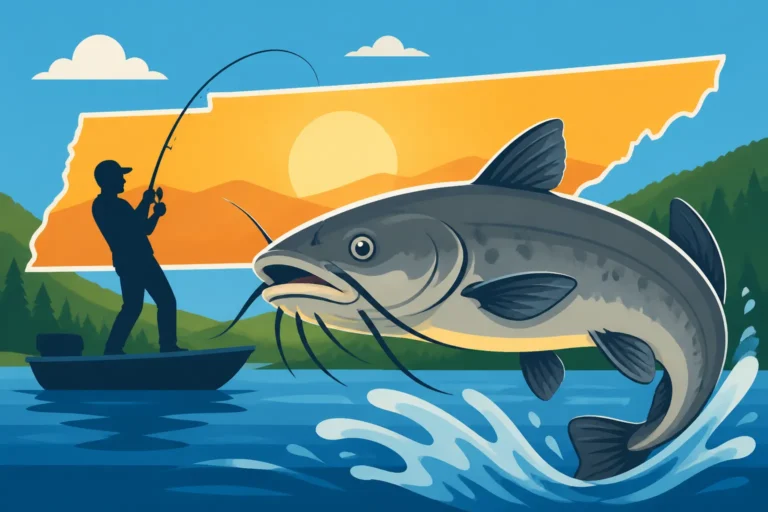
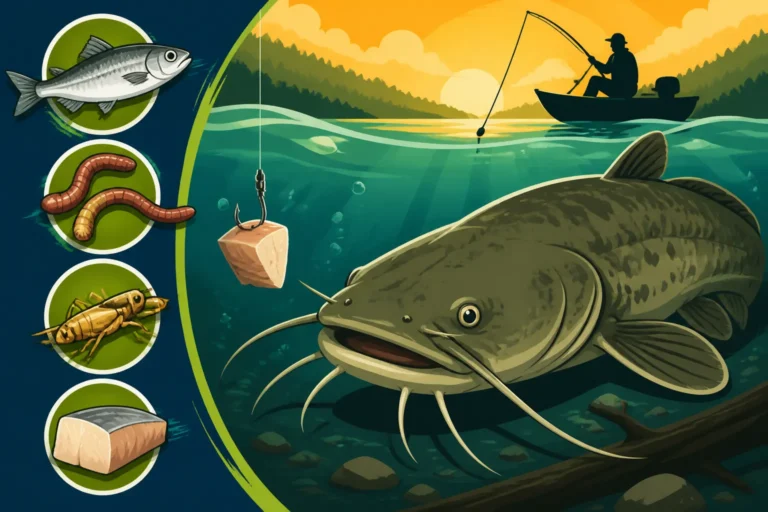
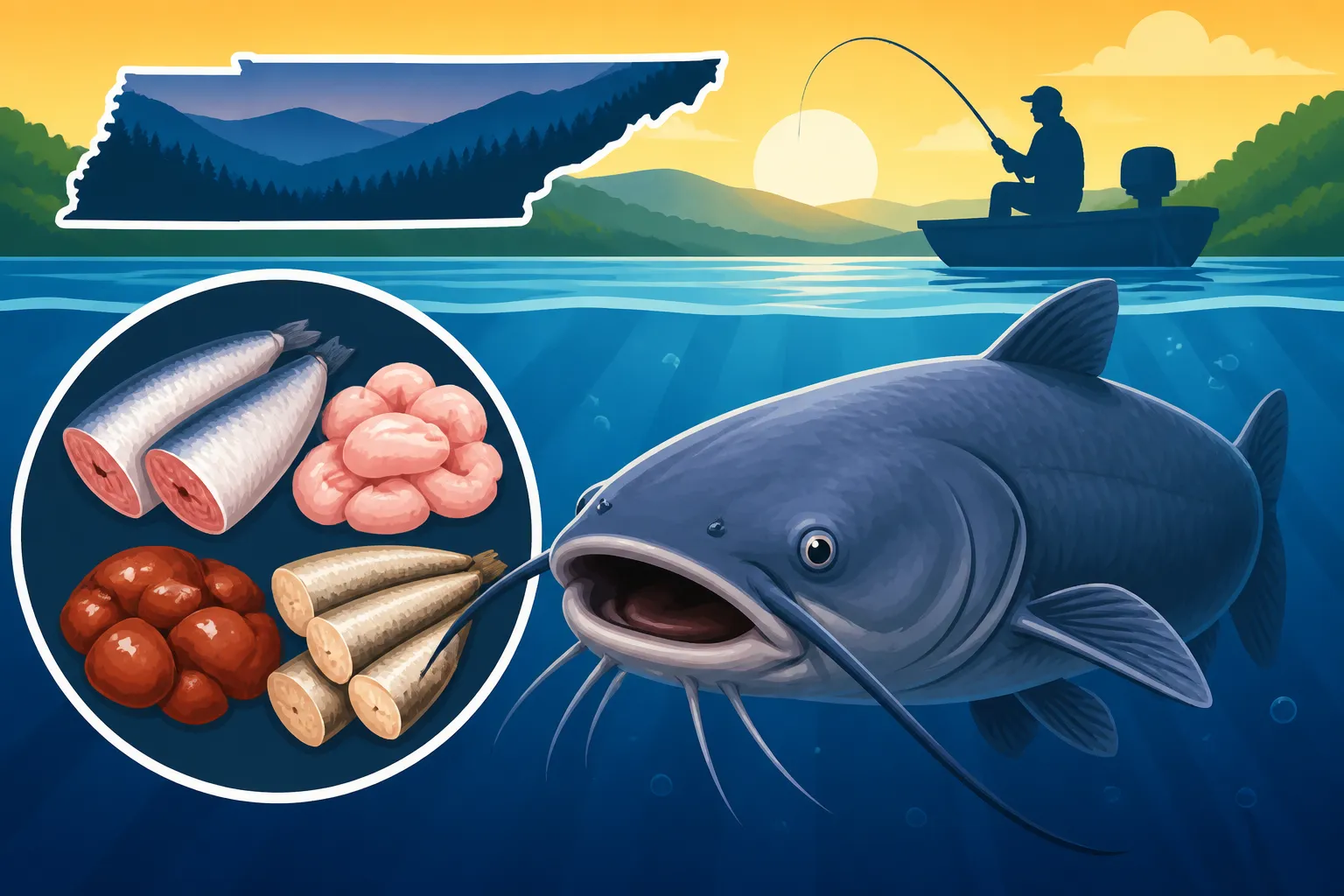
Oh, the quest for the perfect blue catfish bait! It’s a challenge many of us anglers face when we hit those beautiful Tennessee waters, isn't it? You’ve got your gear ready, you’re at your favorite spot, but if you don't have what those big, whiskered giants are hungry for, you might as well be casting a bare hook. This guide is going to cut through the noise and give you the real scoop on what baits consistently bring in those powerful blue catfish, from live and fresh options to those secret weapons you might not have considered.
Understanding Blue Catfish Feeding Habits in Tennessee Waters
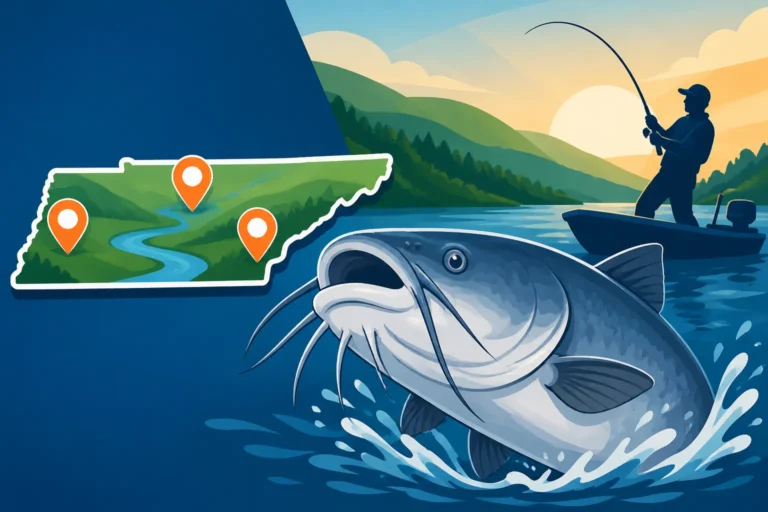
Before we even talk about specific baits, it's crucial to understand what makes a blue catfish tick. These aren't your picky trout; blue cats are essentially the bulldozers of the underwater world, constantly cruising and sniffing out their next meal. Their feeding habits are largely driven by their incredible sense of smell and their opportunistic nature, especially in the diverse environments Tennessee offers, from the fast-flowing Tennessee River to the expansive reservoirs like Kentucky Lake.
What Makes a Blue Catfish Bite?
Blue catfish are built for detecting food in murky water and low light conditions. Their barbels are packed with taste buds, acting like highly sensitive underwater antennae, and their lateral line can pick up the faintest vibrations. This means bait that is super stinky or emits strong vibrations is usually a winner. Think about their natural diet: smaller fish, crawfish, mussels, and anything else they can scavenge. They're not particularly shy about what they eat, as long as they can find it and it's something substantial.
The specific body of water can really change the game, too. In a river system, blue cats might be more accustomed to chasing down baitfish in current, so a lively bait could be key. In a large, open reservoir, they might be patrolling deeper channels, relying more on scent to draw them in from a distance. Knowing the local conditions, like water temperature and clarity, is truly your first step in picking the right bait.
Seasonal Bait Preferences
Just like us, blue catfish have different appetites depending on the season. When the water temperatures are warmer in late spring and summer, blue cats are often more active and aggressive. This is when live baits shine, as they can trigger those predatory instincts. A lively shad or a struggling bluegill can be absolutely irresistible to a hungry blue cat on the prowl. Tennessee Catfish Fishing Techniques and Seasons dives deeper into these patterns.
As the water cools in fall and winter, their metabolism slows down a bit, and they become less inclined to chase. This is when cut baits, especially oily ones, become incredibly effective. The scent trail from a piece of fresh cut shad or skipjack herring can linger in the colder water for a long time, drawing in sluggish cats from a considerable distance without requiring them to expend much energy. It's about making it easy for them to find a meal when they're not in full hunting mode.
The Best Live Baits for Tennessee Blue Catfish
When targeting trophy blue catfish, live bait often reigns supreme. There’s just something about a struggling baitfish that triggers their primal hunting instincts. It's not always the easiest to acquire or keep alive, but the results can be well worth the effort.
Shad Gizzard and Threadfin
If there's one bait that's considered king for blue catfish in Tennessee, it's shad, hands down. Both gizzard shad and threadfin shad are prevalent in most Tennessee reservoirs and rivers, making them a natural and highly effective food source for blue cats. The larger gizzard shad can attract truly massive fish, while threadfin are great for consistent action.
The challenge with shad is usually acquiring it. Most serious catfishermen use a cast net to catch fresh shad directly from the waters they plan to fish. This ensures the freshest bait and often the right size for the fish you're targeting. Once caught, keeping them alive in a well-aerated livewell is crucial. When rigging live shad, you typically want to hook them lightly through the back, just behind the dorsal fin, or through the lips, allowing them to swim naturally and attract attention. Their silvery flash and subtle vibrations are irresistible.
Bluegill and Other Panfish
While shad might be king, small bluegill, sunfish, or even skipjack herring are fantastic alternatives, especially if shad are hard to come by. Bluegill are hardy, easy to catch with a worm and bobber, and stay alive on a hook for a long time. They're naturally present in virtually every body of water in Tennessee, so blue cats are very familiar with them.
When using panfish as live bait, always check local regulations regarding baitfish size limits and species. Generally, a 3-5 inch bluegill is perfect for a decent-sized blue cat. Rig them similarly to shad, through the back or lips. The struggle of a live bluegill on a hook sends out strong distress signals that blue catfish can detect from afar. For some of the biggest blue cats, a skipjack herring, if you can get your hands on them, is a highly prized bait due to its oily nature and strong presence in river systems like the Tennessee River.
Smaller Baitfish Minnows and Goldfish
For those days when you're just looking for consistent action and don't necessarily need a 50-pounder, smaller baitfish like creek minnows, shiners, or even common goldfish can be very effective. These are much easier to purchase from local bait shops and simpler to keep alive.
While they might not draw in the absolute monsters as frequently as a big gizzard shad, they're perfect for catching a good mess of eater-sized blue cats. They're also an excellent choice for anglers new to live bait fishing, as their availability and ease of use reduce some of the complexities. Just remember to use a hook size appropriate for both the baitfish and the expected catch. For a deep dive into using various species, check out Tennessee's 291 Native Fish Species and 52 Sport Fish Explained.
Top Cut Baits for Blue Catfish in Tennessee
Sometimes, fresh cut bait can even outperform live bait, especially when blue catfish are in a less aggressive feeding mood or when you're trying to fish multiple rods at once. The key here is freshness and scent.
Fresh Cut Shad
Just as effective live, fresh cut shad is a powerhouse for blue catfish. When you cut a shad, you immediately release its oils and blood into the water, creating an irresistible scent trail that blue cats can follow for long distances. This is particularly potent in current, where the scent disperses widely downstream.
How you cut the shad can vary. Some anglers prefer whole fillets, especially for larger fish, while others swear by chunks, often including the internal organs for maximum scent. The head of a gizzard shad is also a fantastic bait, full of oils and bone that big cats love to crush. The fresher the better – shad that has been frozen and thawed just doesn't have the same potency. You'll find many anglers on Kentucky Lake Catfish Fishing Spots or Watts Bar Lake Catfish Fishing Spots rely heavily on this bait.
Cut Skipjack Herring
If you've ever fished for blue cats, you've probably heard the legendary status of skipjack herring as bait. These fish are incredibly oily and have a very strong, distinct smell that blue catfish absolutely cannot ignore. They are a top choice for targeting genuinely massive blue cats, often outperforming shad in sheer pulling power.
Skipjack herring are typically found in strong current areas of river systems, and like shad, are usually caught with a cast net. They can be challenging to locate and catch, but the reward is often a personal best blue cat. Once caught, they're best used fresh and cut into generous chunks. The high oil content means they bleed out a powerful scent for a long time, even in slack water. How to Catch Catfish at Night is a great article to pair with this bait, as its potent scent works wonders in the dark.
Other Effective Cut Baits Carp, Buffalo, Perch
While shad and skipjack might be the top contenders, don't overlook other readily available and effective cut baits. Common carp, buffalo, and even larger perch can make excellent cut bait, especially in areas where shad or skipjack are scarce. These fish are generally oily and have a strong enough scent to attract blue cats.
Carp and buffalo can be caught on rod and reel or sometimes with a cast net in certain areas. Once you have them, simply fillet them and cut the fillets into strips or chunks. Again, the fresher the better. Using these alternatives can save you a lot of time and effort in bait acquisition, allowing you more time to focus on actually fishing. Plus, sometimes a different scent profile can trigger bites when the usual suspects aren't working.
Prepared Baits and Secret Weapons
While live and fresh cut baits are often the best for trophy blue cats, there are times when convenience or a different approach is warranted. From commercially prepared options to some truly unconventional choices, these baits can certainly put fish in the boat.
Commercial Catfish Baits
The market is flooded with commercial catfish baits, from various dough baits to stink baits and pre-packaged blood baits. These can be incredibly convenient, as they are readily available at most sporting goods stores or online platforms like Amazon. They eliminate the need for cast netting or keeping bait alive, making them perfect for spontaneous fishing trips or when introducing new anglers to the sport.
However, it's a realistic expectation that while these baits can be very effective for smaller channel catfish and even smaller blue cats, they rarely produce the truly giant blue catfish that fresh cut bait does. Many are designed to appeal to a broad range of catfish with strong, artificial scents. They have their place, especially if you're fishing waters with a mixed catfish population or just looking to bend a rod. Always read reviews and experiment with different brands to find what works best in your local waters.
Unusual but Effective Baits
Sometimes, thinking outside the box can lead to surprising success. Chicken livers are a classic for catfishing, and while often associated with channel catfish, a fresh, bloody chicken liver can definitely entice blue cats, especially smaller ones. They are cheap, readily available, and incredibly messy, but the scent trail is undeniable.
Other more unusual baits can include hot dogs soaked in garlic or kool-aid, or even bar soap (often Ivory soap, cut into cubes). These are truly niche baits, and while some anglers swear by them, their effectiveness is highly situational. It's often a matter of local legend or a specific preference of the fish in a particular spot. Experimentation is key, and sometimes, a little "mad scientist" approach to bait can pay off big time. Best Bait for Catfish Fishing explores some of these and more traditional options.
Here's a quick overview of some popular blue catfish baits:
| Bait Type | Pros | Cons | Best Use |
|---|---|---|---|
| Live Shad | Irresistible to big blue cats, natural prey | Hard to acquire, requires livewell | Targeting trophy blue cats, active fish, warmer water |
| Cut Shad | Strong scent, very effective, natural prey | Needs to be fresh, can be messy | All sizes of blue cats, passive fish, strong current, all seasons |
| Live Bluegill | Readily available, hardy, natural prey | Might not attract the absolute largest fish as often | Consistent action, easy to acquire, warmer water |
| Cut Skipjack Herring | Extremely oily, super strong scent, trophy magnet | Hard to acquire, very strong smell (can be off-putting) | Targeting trophy blue cats, all seasons, strong current |
| Chicken Livers | Cheap, readily available, strong scent | Very messy, falls off hook easily, better for smaller cats | Convenient, smaller blue cats and channel cats |
| Commercial Baits | Convenient, easy to store | Less effective for trophy blue cats, artificial scent | Beginners, convenience, mixed catfish populations |
| Cut Carp/Buffalo | Readily available, good oil/scent | Can be tough to acquire yourself, not as potent as skipjack | Good alternative when shad/skipjack are unavailable |
Ultimately, the "best" bait for blue catfish fishing in Tennessee often comes down to a combination of availability, conditions, and what the fish are keying in on that particular day. Don't be afraid to experiment, and always keep an eye on local conditions. A fresh piece of oily cut bait or a lively baitfish will always be hard to beat when those big Tennessee blue cats are on the prowl. Keep your line tight and good luck out there!
Disclaimer
This article is for general informational purposes only and does not constitute professional advice. Laws, prices and regulations vary by location and change over time. Consult a qualified professional for guidance on your specific situation.