Do You Need a Trout Permit With Your Tennessee License
Oh, the ever-present question that has caused many a moment of head-scratching by the water's edge in Tennessee! It’s a common point of confusion for new anglers and even seasoned vets who might be used to fishing elsewhere: do you really need a separate permit just for trout? The short answer is often yes, and this guide is going to break down exactly when and why, so you can enjoy Tennessee's beautiful trout streams without any unexpected encounters with a game warden.
Understanding Tennessee's Fishing License Basics
Before we dive specifically into trout, it’s crucial to have a good grasp of the foundational fishing license structure here in Tennessee. It’s like building a house – you need a solid slab before you can even think about the roof.
The Standard Statewide Fishing License
When you first decide to go fishing in Tennessee, your initial thought is probably just to grab "a fishing license." For many, that means purchasing the basic statewide annual fishing license. This is your fundamental permit, and it's designed to cover the vast majority of freshwater fishing opportunities across the Volunteer State. It allows you to legally fish for popular species like largemouth bass, crappie, catfish, and bluegill in most public lakes, rivers, and streams. It's the broadest, most common license you'll encounter, and it serves as the base for any other special endorsements or permits you might need to add.
However, the key thing to remember is that "statewide" doesn't always mean "all species, all conditions." This is where the confusion often creeps in. Many anglers assume that once they have their standard license, they're good to go for absolutely anything with fins that swims in Tennessee waters. Unfortunately, that's not always the case, especially when it comes to certain specialized fisheries like trout. It’s vital to understand that this basic license is the starting point, not always the final destination, especially if you plan on targeting those cold-water beauties. If you're looking for a comprehensive overview of how it all works, our Tennessee Fishing License Guide is an excellent resource.
Who Needs a Fishing License in Tennessee
The general rule of thumb in Tennessee is that if you're 13 years of age or older and plan to fish, you need a license. This applies to both residents and non-residents, though the specific license types and costs will differ significantly depending on your residency status. There are some notable exceptions, of course, which can occasionally lead to people thinking they don't need a license when they actually do. For instance, the annual Bobby Wilson Free Fishing Day in Tennessee, usually in early June, allows everyone to fish without a license. Additionally, Free Fishing Week for kids extends this courtesy for youngsters aged 15 and under for a whole week.
However, for most of the year and for most adult anglers, that basic license is non-negotiable. It's how the Tennessee Wildlife Resources Agency (TWRA) funds its incredible conservation efforts, fish stocking programs, and habitat management projects. Skipping out on it isn't just illegal; it deprives the very resources you enjoy of crucial funding. You can find detailed information on getting your license by checking out How to Get a Tennessee Fishing License, and if you're wondering about the younger crowd, we've got you covered with Do Kids Need a Fishing License in Tennessee.
The Specifics of a Tennessee Trout Permit
Now, let's get to the heart of the matter: trout. Unlike bass or bluegill, trout in Tennessee often fall under a specific regulatory umbrella, requiring an additional endorsement.
Why a Separate Trout Permit Exists
So, why the extra hoops for trout? It boils down to a few key factors related to their habitat, management, and the unique fishing experience they provide. Trout, especially species like rainbow, brown, and brook trout, thrive in cold, clean water—habitats that are often fragile and require dedicated conservation efforts. Many of Tennessee’s trout populations, particularly rainbow trout, are sustained through an extensive stocking program by the TWRA. This isn't a cheap endeavor; it involves operating hatcheries, transporting fish, and maintaining public access to trout streams. The funds generated from trout permits directly support these vital programs.
Think of it this way: your standard fishing license covers the general maintenance of the state's fisheries, like keeping bass and crappie populations healthy through habitat work and general regulations. The trout permit, on the other hand, is like a specialized fund specifically for the often higher-cost, more intensive management of trout. It ensures that those beautiful, pristine trout streams and the fish within them remain viable for generations of anglers. Without these dedicated funds, the quality and accessibility of Tennessee's trout fishing would undoubtedly decline.
When a Trout Permit is Absolutely Required
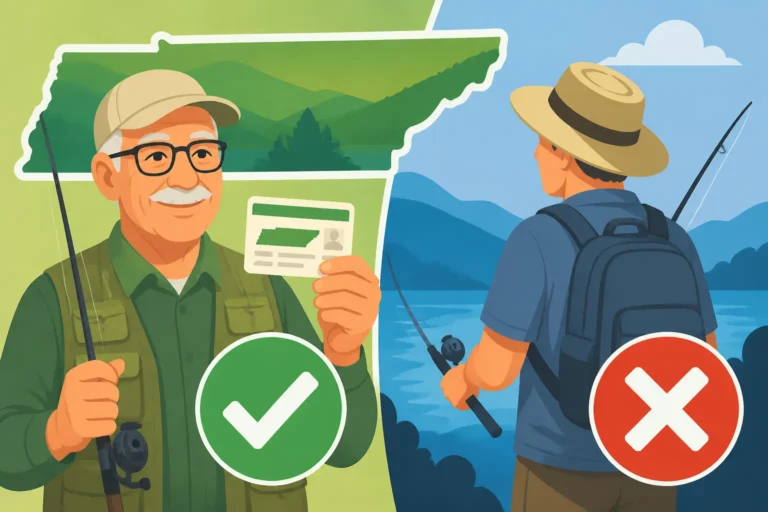
This is the non-negotiable part: if you intend to fish for or possess trout in Tennessee, you absolutely need a trout permit (or an all-inclusive license that bundles it). There's no getting around this. This applies whether you're fly fishing a pristine mountain stream like the Caney Fork River, spin fishing a stocked pond, or even if you're just catching and keeping a few rainbow trout from a cold tailwater. The intent to target them, or the act of possessing them, triggers the requirement.
Even if you’re fishing in a mixed fishery where trout coexist with other species, if you land a trout and decide to keep it, you must have that permit. Trying to argue that you weren't "really" targeting trout when you're holding one in your cooler isn't going to fly with a game warden. It's always better to be safe than sorry, especially since trout limits and seasons can be very specific, sometimes changing depending on the particular water body you're on. For a full rundown of when and where to find them, our Tennessee Trout Fishing Season Explained and Tennessee Trout Stocking Schedule and Season articles are a must-read.
License Types That Include Trout Access
While many anglers opt for a basic annual license and then add the trout permit as an endorsement, it's worth noting that some more comprehensive license types in Tennessee actually include trout access automatically. For instance, a resident might purchase an "Annual All-Species Fishing" license, which often bundles the trout permit along with other endorsements like the Reelfoot Lake stamp or federal duck stamp (if you hunt). Similarly, some of the more extensive nonresident options, like the Nonresident Annual All-Species with Trout, are designed to cover everything you could possibly want to fish for, including trout, in one fell swoop.
However, be careful not to assume. Always double-check the specific description of the license you are purchasing. A standard resident annual statewide fishing license, for example, does not include the trout permit by default. You would need to add the "Annual Trout" endorsement separately to that base license. It’s always best to clearly state your intentions at the point of purchase – whether online or at a license agent – to ensure you're getting exactly what you need. If you're a non-resident looking to compare options, our guide on Nonresident Fishing License Costs in Tennessee can help you navigate the choices.
Situations Where a Trout Permit is NOT Needed
While the general rule is to get a permit for trout, there are a few scenarios where you might be off the hook. These are important to understand to avoid unnecessary purchases or, worse, unintended violations.
Accidental Catch and Release
This is perhaps the most common gray area and a point of much discussion among anglers. What if you're fishing for smallmouth bass in a river that also holds trout, and you accidentally hook a rainbow? Generally speaking, if you catch a trout unintentionally and immediately release it unharmed, a trout permit is not required. The key here is "unintentionally" and "immediately released unharmed." You cannot "accidentally" catch a trout, put it on a stringer, and then claim you didn't have a permit because you weren't targeting them. Possession is a clear indicator of intent to keep.
Therefore, if you're in trout waters targeting other species, and you happen to hook a trout, handle it with care, unhook it swiftly, and return it to the water as quickly as possible. Avoid excessive handling or delaying its release. This ensures the fish's survival and keeps you in compliance with the regulations. It's a matter of ethics as much as it is legal compliance; respecting the fish is paramount, whether you intended to catch it or not.
Fishing for Other Species in Trout Waters
It's perfectly legal to fish in a designated trout stream or river for other species, such as bass, panfish, or even catfish, without a trout permit, provided you are not targeting or possessing trout. For instance, many tailwater fisheries below dams are known for holding both strong populations of trout and excellent warmwater species like stripers or catfish. You can fish these waters with your standard fishing license as long as your efforts are clearly directed at the non-trout species.
The challenge, of course, is that sometimes the lines blur. If you're using bait or lures that are universally appealing to both trout and other species, and you find yourself constantly catching trout, a game warden might question your "intent." To truly avoid needing a trout permit in these situations, it's wise to use tackle and techniques specific to your target species. For example, if you're going for catfish, use heavier gear and cut bait, which are less likely to accidentally hook a small rainbow trout.
Specific Exemptions
Beyond the accidental catch-and-release scenario, there are specific days or periods when the trout permit, like other license requirements, is waived. The most notable example is the aforementioned Bobby Wilson Free Fishing Day, typically held on the first Saturday in June. On this day, anglers of all ages, resident or nonresident, can fish public waters in Tennessee without any license or permit, including the trout permit. This is a fantastic opportunity to introduce newcomers to the sport or just enjoy a stress-free day on the water.
Another exemption is during Tennessee's Free Fishing Week for Kids, which usually follows Free Fishing Day. During this period, children 15 years and younger can fish without a license or trout permit. These events are designed to encourage participation and remove barriers to entry. Always check the current year's TWRA calendar for exact dates, as they can shift slightly. Remember, these are specific, limited-time exemptions, and for the rest of the year, the rules apply.
How to Obtain Your Tennessee Trout Permit
Getting your trout permit in Tennessee is thankfully a straightforward process, whether you're adding it to an existing license or purchasing a new one.
Adding it to Your Existing License
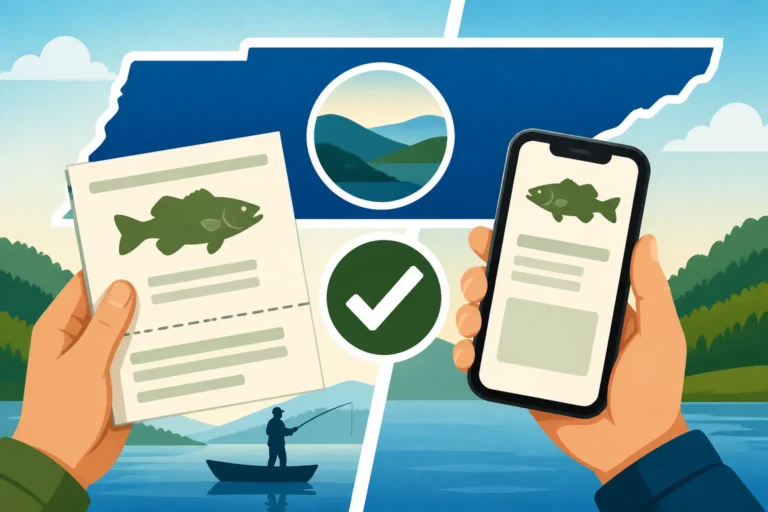
For most anglers who already hold a standard Tennessee fishing license, adding a trout permit is simply a matter of purchasing an "endorsement" or "stamp." The Tennessee Wildlife Resources Agency (TWRA) has made this incredibly easy through several avenues. The most convenient method for many is online via the TWRA website. You simply log into your account, find your existing license, and select the "Annual Trout" endorsement to add it. The process takes mere minutes, and your new license, complete with the trout endorsement, is immediately valid. You can then print it out or carry a digital copy on your phone. If you’re not familiar with the online system, our guide on How to Buy or Renew a Tennessee Fishing License Online can walk you through the steps.
Alternatively, if you prefer an in-person transaction, you can visit any authorized TWRA license agent. These agents are widely available across the state and include many sporting goods stores like Academy Sports + Outdoors or Walmart, as well as numerous local bait and tackle shops. Just tell them you need to add a trout permit to your existing Tennessee fishing license, and they'll be able to process it for you. It's always a good idea to have your existing license number or even your driver's license handy to speed up the process.
Cost and Validity of the Trout Permit
The cost of the Tennessee trout permit is surprisingly affordable, especially when you consider the extensive stocking and management programs it supports. For resident anglers, the Annual Trout endorsement is an additional cost on top of your base license. Currently, for residents, this endorsement runs about $22. This small investment ensures you're covered for a full year from the date of purchase, just like your annual fishing license. For non-residents, the situation can be a bit more complex, as the trout access might be bundled into specific nonresident license packages. For instance, a Nonresident Annual All-Species with Trout will have a higher price point than a basic Nonresident Annual without trout.
It’s important to understand that the validity of your trout permit aligns with your base license. So, if you add the annual trout endorsement to your annual fishing license, both will be valid for 12 months from the date of purchase. This means you don't have to worry about separate expiration dates, which is a common concern for various permits. Always make sure to check the TWRA website for the most up-to-date pricing, as fees can occasionally change. For a comprehensive breakdown of all license types and their costs, consult our Tennessee Fishing License Costs and Types guide, and for details on how long your coverage lasts, check out How Long a Tennessee Fishing License Stays Valid.
Consequences of Not Having a Trout Permit
Fishing without the proper permits, even if it's "just" a trout permit, can lead to unpleasant consequences. It's not just about avoiding trouble; it's about respecting the system that keeps Tennessee's fisheries thriving.
Fines and Legal Repercussions
Let's be blunt: getting caught fishing for or possessing trout without the appropriate permit is a violation of Tennessee fishing regulations. This isn't a minor slap on the wrist. You can expect to face fines, which can quickly add up. A game warden typically has the authority to issue citations on the spot, and these fines are designed to deter illegal activity and compensate for the lost revenue that would have gone towards conservation. The specific amount of the fine can vary depending on the severity of the offense, whether it's a first-time or repeat offense, and the discretion of the officer. It’s definitely not a memory you want to make on a relaxing fishing trip.
Beyond the immediate financial penalty, there can be other repercussions. In some cases, depending on the severity, repeat offenses could potentially lead to the suspension of your fishing privileges. No one wants to lose the ability to enjoy the great outdoors because of an avoidable oversight. Carrying proof of your license, whether digital or printed, is also crucial. For a deeper dive into what can happen if you're not properly licensed, check out our article on Penalties for Fishing Without a License in Tennessee. It's always better to spend a few extra dollars on the permit than face hundreds in fines and a ruined day.
Conservation and Ethical Angling
The permit system isn't just about revenue generation; it's fundamentally about conservation. The fees collected from trout permits are directly channeled back into programs that benefit trout fisheries. This includes funding for state-run fish hatcheries that stock hundreds of thousands of trout annually into Tennessee waters, as well as habitat restoration projects, water quality monitoring, and enforcement efforts that protect these delicate ecosystems. When you purchase a trout permit, you are actively contributing to the health and sustainability of the very resource you enjoy.
From an ethical standpoint, it’s about being a responsible steward of our natural resources. Anglers who consistently adhere to regulations, including obtaining all necessary permits, demonstrate a commitment to preserving fishing opportunities for everyone. It shows respect for the fish, their habitat, and the efforts of organizations like the TWRA. Ignoring the permit requirement not only undermines these critical conservation efforts but also diminishes the shared experience of ethical angling. We all want to cast our lines in vibrant, healthy waters, and adhering to the rules is a foundational part of making that a reality.
Expert Tips for Tennessee Trout Anglers
To truly make the most of your Tennessee trout fishing experience, it pays to go beyond just the permit. A little extra knowledge and preparation can make all the difference.
Always Check Local Regulations
While this guide provides a solid overview of the statewide trout permit requirement, it is absolutely crucial to understand that specific bodies of water in Tennessee can have their own unique regulations that supersede general rules. Trout streams, in particular, are often subject to highly localized rules regarding catch limits, size restrictions, tackle limitations (e.g., artificial lures only, single hook only), and even specific open and closed seasons. For example, some designated trout waters might have a lower daily creel limit or different size restrictions for brown trout versus rainbow trout.
Always, and I mean always, consult the current Tennessee Fishing Regulations Guide published by the TWRA before heading out to a specific trout stream. This guide is updated annually and is your ultimate source of truth. You can find it online on the TWRA website, or pick up a physical copy at most license agents. Don't rely solely on what you hear or remember from last season; regulations can and do change. A quick check can prevent an accidental violation and ensure you're fishing responsibly. Our guide on Lake-Specific Fishing Rules That Override Tennessee's Statewide Limits also emphasizes this point, as it's not just trout streams that can have special rules.
Gear Up for Trout Fishing
Having the right gear significantly enhances your trout fishing experience. Trout, particularly in the clear waters of Tennessee's mountain streams and tailwaters, can be notoriously finicky. For fly fishing, a lightweight rod and reel setup (like a 3-weight or 4-weight fly rod) is ideal, allowing for delicate presentations. If you're spin fishing, an ultralight spinning combo with light line (2-6 lb test) is key. You'll want a variety of small lures, such as inline spinners, small spoons, or soft plastics designed for trout, to match the conditions. You can find an excellent selection of these specialized items and more general fishing essentials conveniently on Amazon, making it easy to stock up before your trip.
Don't forget the small but mighty accessories! A good pair of waders and wading boots will allow you to access prime fishing spots in streams safely and comfortably. A net with a rubberized mesh is also highly recommended to protect the delicate skin and slime coat of trout, especially if you plan on catch and release. For those venturing into the cooler months, dressing in layers is crucial to stay comfortable. Proper gear not only makes fishing more enjoyable but also helps you maximize your chances of success. If you're just starting out, our Fly Fishing Basics for Trout and Best Lures for Stocked Rainbow Trout articles can provide a great foundation.
Respecting the Resource
Beyond legal compliance, true angling satisfaction comes from respecting the resource. Trout are a precious fishery, and how we interact with them directly impacts their future. If you practice catch and release, which is highly encouraged, particularly for wild trout populations or larger trophy fish, ensure you handle the fish gently. Keep them in the water as much as possible, use wet hands to avoid removing their protective slime coat, and quickly remove the hook. Consider using barbless hooks to facilitate easier and less damaging releases.
Take care of the environment around you as well. Pack out everything you pack in, and avoid leaving any trash, discarded fishing line, or bait containers. These small actions contribute significantly to maintaining the pristine beauty of Tennessee's trout habitats. By being a thoughtful and responsible angler, you not only uphold the integrity of the sport but also ensure that future generations can enjoy the same incredible trout fishing opportunities we cherish today.
Tennessee Trout Permit Requirements Summary
To help clarify the various scenarios, here's a quick table outlining when a trout permit is typically required:
| Scenario | Standard Fishing License Required? | Trout Permit Required? | Notes |
|---|---|---|---|
| Fishing for Trout (Intentional) | Yes | Yes | For keeping or catch & release. |
| Possessing Caught Trout | Yes | Yes | Regardless of how caught. |
| Fishing in a Designated Trout Stream for Non-Trout Species | Yes | No | As long as you are not targeting or possessing trout. Using species-specific gear helps demonstrate intent. |
| Accidentally Catching a Trout and Immediately Releasing It | Yes | No | Must be truly accidental and released unharmed as quickly as possible. |
| Fishing on Bobby Wilson Free Fishing Day | No | No | All license and permit requirements are waived on this specific day. |
| Kids (15 & under) during Free Fishing Week | No | No | Specifically for youth during this designated week. Adults still need licenses/permits. |
| Standard Annual Resident Fishing | Yes | No | Must be purchased as an add-on endorsement. |
| Annual All-Species (Resident) | Yes | Yes | Often bundled automatically. Always check the specific license description. |
| Nonresident Annual All-Species with Trout | Yes | Yes | Trout permit is included in this package. |
| Nonresident 3-Day/10-Day without Trout | Yes | No | If you wish to fish for trout, you need to purchase the appropriate trout-inclusive short-term license option. Nonresident 3-Day and 10-Day License Options for Tennessee |
Remember, this table provides general guidance. Always refer to the official TWRA regulations for the most current and specific information regarding your planned fishing trip.
Disclaimer
The information provided in this guide is for general informational purposes only and is not intended as legal advice. Fishing regulations in Tennessee are subject to change, and specific rules may vary depending on the water body. Always consult the most current Tennessee Wildlife Resources Agency (TWRA) fishing regulations guide or contact the TWRA directly before engaging in any fishing activities to ensure compliance.