Tennessee licenses run for 12 months from the day you buy them
It’s a scenario many of us have faced: you’ve got your gear packed, the cooler is ready, and you’re heading out to your favorite fishing spot, only to suddenly wonder, "Is my fishing license still valid?" That moment of doubt can truly deflate your excitement, especially when you're trying to figure out if Tennessee’s fishing licenses expire at the end of the calendar year or if they work differently. This comprehensive guide will clear up any confusion, explaining exactly how the 12-month validity period works for Tennessee fishing licenses, how to keep track of your dates, and why this system is designed to give you more flexibility as an angler.
The Rolling 12-Month Validity Period Explained
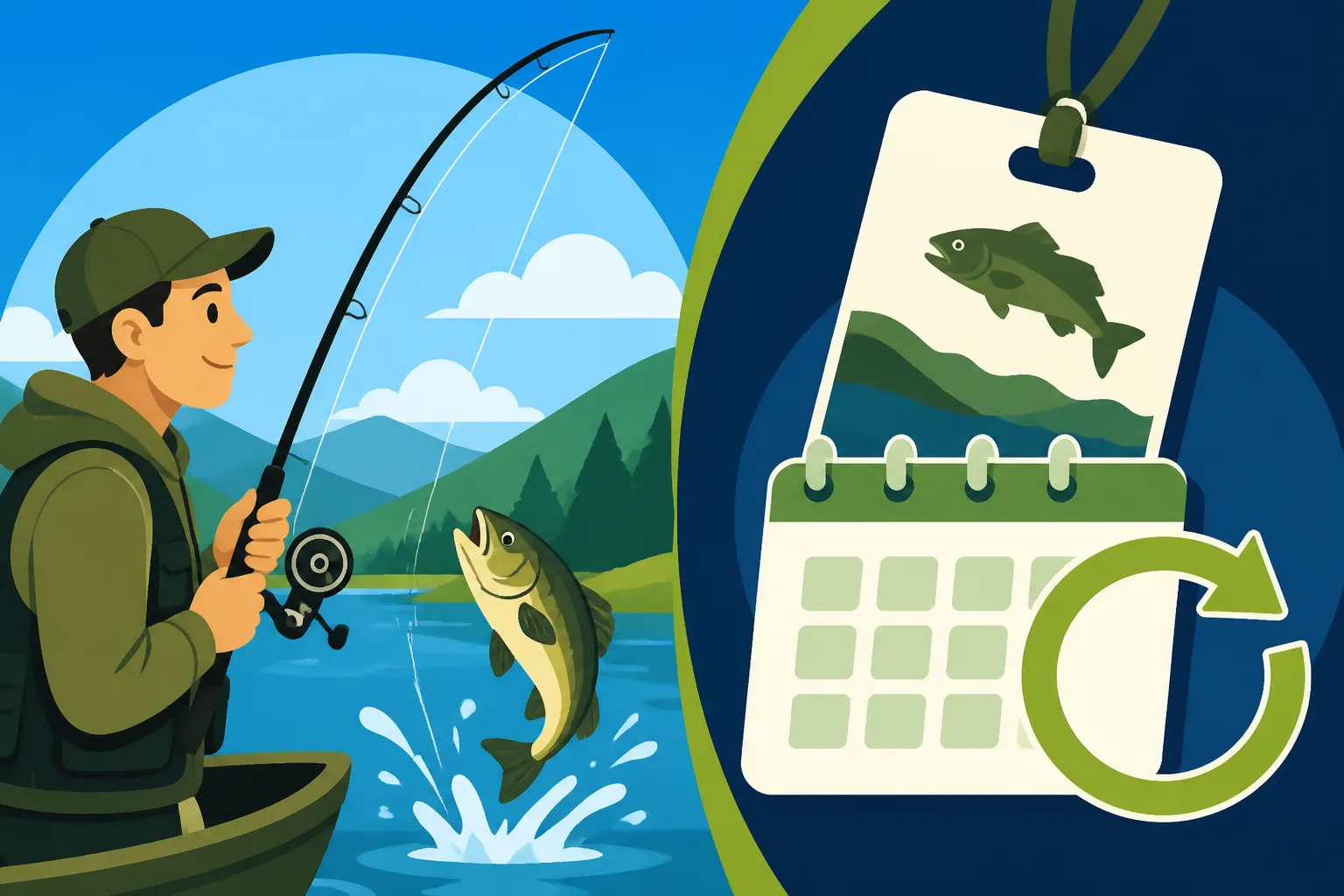
One of the biggest differences between Tennessee's fishing license system and many other states is how the validity period works. Unlike states where your license expires on a fixed date, like December 31st, regardless of when you bought it, Tennessee operates on a rolling 12-month cycle. This means your license is valid for a full year from the exact day you purchase it. It’s a pretty smart system that often goes unappreciated until you realize the convenience it offers.
How "From the Day You Buy Them" Actually Works
Let’s break down what "from the day you buy them" truly means. If you decide to purchase your annual fishing license on, say, April 15th, 2024, that license will remain valid until April 14th, 2025. It’s not just for residents, either; this applies to most annual licenses, including the popular Tennessee Resident Combination Hunt and Fish License and those purchased by non-residents seeking to enjoy the Volunteer State's incredible waters. This flexibility is fantastic because it ensures you get a full 365 days of fishing opportunities, regardless of when you decide to buy your permit. You’re not penalized for buying late in the year, which can be a real frustration in other states.
Imagine you're planning a big fishing trip to Chickamauga Lake for some trophy bass in late summer, but you forgot to renew your license in January. With Tennessee's system, you can buy your license in July, fish through summer and fall, and it’ll still be good for spring fishing the following year. This means you’re always getting your money’s worth, and it encourages more people to get out on the water without feeling rushed by an arbitrary end-of-year deadline.
Why This System Benefits Anglers
The rolling 12-month validity period is a massive win for anglers. First and foremost, it offers unparalleled flexibility. You don't have to worry about missing out on months of fishing because you purchased your license midway through a calendar year. If your peak fishing season starts in the spring, you can buy your license in March and know it will carry you through all the best fishing months for a full year. This system is designed with the angler in mind, ensuring that you maximize your investment in your passion.
Another benefit is that it helps spread out license sales throughout the year. Instead of a massive rush around January 1st, people can purchase their licenses when it’s most convenient for them, or when they plan to start their fishing activities. This can make the purchasing process smoother, whether you’re buying online or from a local bait shop. Plus, for those who might only fish a few times a year, but still want an annual pass, it allows them to time their purchase to cover their most active fishing periods without feeling like they've "lost" months.
Common Misconceptions About Expiration Dates
Despite its simplicity, many anglers still harbor misconceptions about how Tennessee fishing license expiration dates work. The most common one, as we mentioned, is believing it expires on December 31st. This often stems from experiences in other states or from simply not realizing Tennessee has a different, more angler-friendly approach. Another misconception is that all licenses, including short-term ones, follow this same rolling 12-month rule. While annual licenses do, specific short-term options, like a Tennessee Single-Day Fishing License Options or a 3-day non-resident license, are valid only for their specified duration, not a rolling year.
It's also easy to confuse the expiration of your fishing license with other permits, like boat registration, which might indeed follow a different schedule. Always remember to check the specific details on your permit or through the Tennessee Wildlife Resources Agency (TWRA) website. Misunderstanding these details can lead to an expired license, and fishing without a valid license can result in fines and other unwelcome consequences, as detailed in our guide on Penalties for Fishing Without a License in Tennessee. It's always better to be safe than sorry when it comes to legal requirements on the water.
Planning Your Fishing Year Around Your License Cycle
Knowing that your Tennessee fishing license is valid for 12 months from the date of purchase gives you a distinct advantage in planning. It allows for more strategic timing of your purchase and helps you ensure uninterrupted access to Tennessee's beautiful lakes and rivers.
Setting Reminders to Avoid Lapses
With a rolling expiration date, it's easy to forget exactly when your license is due to expire. Unlike a fixed calendar date that you can easily remember (or Google), your personal expiration date shifts year to year based on your purchase timing. This makes setting a reminder absolutely essential. I always recommend putting a note on your calendar, or better yet, using a digital reminder on your phone about a month before your license is set to expire. This gives you plenty of time to renew without feeling rushed or, worse, finding yourself at the boat ramp with an invalid license. Our post about Setting a reminder before your license expiration date helps avoid a lapse in coverage goes into more detail on practical tips for this.
Many people also find it helpful to pair their license renewal with another annual event – maybe a birthday, an anniversary, or even the start of a particular fishing season they love. For instance, if you usually start your serious crappie fishing in March, consider buying your license in February so you're always covered for that season. That way, the act of renewing becomes part of your annual fishing preparation, rather than a forgotten chore.
Strategic Purchase Timing for Maximum Value
The rolling 12-month validity means you can strategically time your purchase to maximize your fishing opportunities. For example, if you primarily fish during the spring and summer, buying your license in March or April will cover you for the entirety of those prime seasons, and then some, into the next year. If you wait until June, you’ll still get a full year, but it might mean your license expires mid-spring the following year, requiring an earlier renewal for that season.
Consider your personal fishing habits. Do you mostly fish in the fall for the Tennessee Trout Limits and Season Rules? Then purchasing your license in September makes perfect sense. Do you have specific trips planned around particular seasons, like the bass spawn on Chickamauga Lake? Align your purchase to cover those critical times. This flexibility allows you to get the most bang for your buck by ensuring your license covers the periods when you're most actively pursuing fish. It’s all about making the system work for your schedule, not the other way around.
What Happens if You Fish on an Expired License
Fishing with an expired license in Tennessee is, simply put, a violation. The Tennessee Wildlife Resources Agency (TWRA) game wardens are out there enforcing these rules to protect our natural resources and ensure everyone is contributing their fair share. If you're caught fishing without a valid license, you could face fines, potentially have your fishing equipment confiscated, and even lose your privilege to obtain a license in the future. It’s definitely not worth the risk.
The fines can vary depending on the specific circumstances and whether it’s a first offense, but trust me, it’s always more expensive than simply purchasing or renewing your license. Plus, there’s the embarrassment and hassle of dealing with law enforcement when you should be enjoying a peaceful day on the water. Always check your license before heading out. A quick glance at your physical license or a check on your phone via the digital option can save you a world of trouble. Our article on How to Buy or Renew a Tennessee Fishing License Online offers convenient ways to stay legal.
Comparing the Annual License to Short-Term Options
While the 12-month annual license is a popular choice for many, Tennessee also offers various short-term options that might better suit your fishing needs, depending on how often you plan to cast a line. Understanding these alternatives within the context of the rolling validity period can help you make the most cost-effective decision.
When a 12-Month Annual License is Your Best Bet
For most regular anglers, especially Tennessee residents, the 12-month annual license, such as the standard statewide annual fishing license, is almost always the most economical and convenient choice. Even if you only fish a handful of times a year, if those trips are spread out or cover more than a couple of short-term periods, the annual pass often pays for itself. For example, a single-day license costs $6 (without trout), while a full annual resident license can be $33. If you fish six days throughout the year, you’ve already exceeded the annual cost with single-day permits.
Moreover, the annual license means you never have to think twice about whether you're covered. Spontaneous fishing trips become a possibility because you know your license is good to go. This peace of mind is invaluable, allowing you to focus on the joy of fishing rather than administrative tasks. For serious anglers or those who plan to spend significant time on the water, whether chasing bass on Kentucky Lake or trout in the Smoky Mountains, the annual license is the clear winner for its value and convenience.
How Short-Term Licenses Fit into the Picture
Tennessee offers several short-term licenses, primarily designed for non-residents or residents who genuinely only fish once or twice a year. For non-residents, options like the 3-day or 10-day licenses are incredibly useful. These are perfect if you're visiting for a specific fishing vacation, perhaps targeting crappie on Reelfoot Lake or chasing catfish on the Cumberland River. For example, a Nonresident 3-Day and 10-Day License Options for Tennessee can be a great value.
| License Type | Resident Annual (Basic) | Nonresident Annual (Basic) | Nonresident 3-Day (Basic) | Nonresident 10-Day (Basic) |
|---|---|---|---|---|
| Cost (Approx.) | $33 | $49 | $20 | $30 |
| Validity Period | 12 months from purchase | 12 months from purchase | 3 consecutive days | 10 consecutive days |
| Best For | Frequent/year-round fishing | Frequent/extended visits | Short fishing trips | Week-long fishing trips |
| Trout Permit Option | Yes | Yes | Yes | Yes |
Note: Costs are approximate and can change. Always check the official TWRA website for current pricing and regulations. Adding a trout permit will increase the cost for most license types.
For residents, the single-day license is an option, as is the county-only license if you only fish within your home county and never venture out. However, comparing a One-Day License vs Annual License: Which Costs Less clearly shows that for anyone fishing more than a few days, the annual license offers superior value over the course of a year. These short-term licenses do not follow the rolling 12-month cycle; their validity begins on a specific start date you choose or the day of purchase and ends after the designated number of days. They are a good fit for very specific, limited use, but for general angling, the annual pass reigns supreme.
Special Licenses and Their Validity
Beyond the standard annual and short-term options, Tennessee also offers special licenses, each with its own validity rules. For example, the Tennessee Senior Annual Fishing License for residents 65 and older is an incredibly affordable annual option. There's also a lifetime senior citizen license for those who want to pay one time and be covered indefinitely. While these have different eligibility requirements and costs, their annual versions generally follow the same 12-month rolling validity period from the date of purchase.
It's also important to remember that some activities might require additional permits. If you plan on trout fishing, for instance, you'll need to ensure your license includes the trout permit, or purchase one separately. These permits typically align with the validity of your base fishing license. For military personnel, veterans, and individuals with certain disabilities, there are also special licenses that provide discounted rates or special conditions. Always consult the TWRA official guidelines for specific eligibility and validity details on these specialized licenses.
Convenient Ways to Purchase and Renew Your License
Getting your Tennessee fishing license is easier than ever, thanks to a variety of purchasing and renewal options. The goal is to make sure you can obtain your license quickly and conveniently, so you can spend less time on paperwork and more time on the water.
Online, In-Person, and Digital Options
The most popular and convenient way to purchase or renew a Tennessee fishing license is online directly through the TWRA website. This allows you to complete the transaction from the comfort of your home, and your license is valid immediately after purchase. You'll receive a digital copy, which you can save to your phone, and often the option to print a physical copy. This convenience means you can literally buy your license on the way to the lake if you realize you've forgotten! Our guide on Digital vs Printed Fishing Licenses in Tennessee delves deeper into these options.
If you prefer to buy in person, there are hundreds of licensed vendors across the state. These include most sporting goods stores like those found at Bass Pro Shops or Academy Sports + Outdoors, many Walmart locations, and countless local bait and tackle shops. These local spots are fantastic because you can often get up-to-date fishing reports and local advice while you're there. Just ask them where to buy a fishing license in Tennessee, and they’ll point you in the right direction. It’s always a good idea to support these local businesses that cater to our outdoor passions. While you're there, you might even find some new fishing lures or other gear you spotted on Amazon that you've been meaning to try!
What to Do If You Lose Your License
It happens to the best of us: you're out on the water, reach for your wallet, and realize your license is gone. Don't panic! If you purchased your license online, you can often log back into your TWRA account and re-print a copy, or simply show the digital version on your phone to a game warden. If you purchased in person, you might need to return to a vendor or contact the TWRA directly to get a duplicate.
The key is to have proof. A digital image on your phone, even a screenshot of your valid license, is usually acceptable in Tennessee. The TWRA has embraced technology to make things easier for anglers. So, before you head out, snap a quick picture of your license and keep it on your phone, or download the TWRA Go app which can store your licenses digitally. This simple step can save you a lot of grief if your physical copy decides to take an unplanned swim.
Keeping Proof of License Handy
Having readily accessible proof of your valid fishing license is not just about avoiding penalties; it’s about showing respect for the regulations that help conserve Tennessee’s rich aquatic resources. Whether it’s a physical card tucked into your wallet, a waterproof printout laminated and attached to your tackle box, or the digital version on your smartphone, ensure you can produce it quickly if asked by a TWRA officer. I personally always keep a digital copy on my phone, and a printed one in a zip-lock baggie in my tackle box. It's a small detail that makes a big difference.
Consider durable solutions for your physical license. Some anglers even purchase small, clear plastic sleeves (readily available on Amazon) to protect their licenses from water damage and wear and tear. This ensures that the ink doesn't fade and the QR code (if present) remains scannable. Remember, an unreadable license is as unhelpful as a missing one. Being prepared means you can focus entirely on the thrill of the catch, knowing you're fully compliant with all the necessary Tennessee Fishing License Requirements.
Disclaimer
Please note that fishing regulations, license costs, and availability can change. While every effort has been made to provide accurate and up-to-date information, it is always the angler's responsibility to verify current rules and regulations with the Tennessee Wildlife Resources Agency (TWRA) before engaging in any fishing activities. This guide is for informational purposes only and should not be considered legal advice.