How to Read Water When Trout Fishing
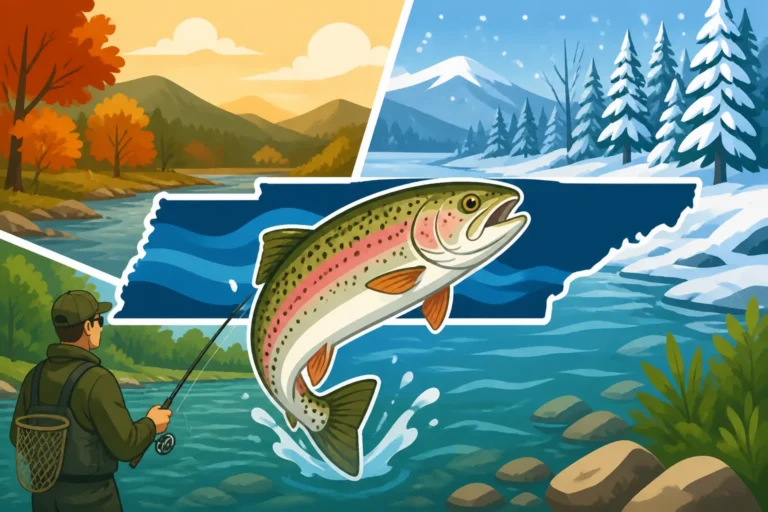
Ever found yourself standing at the edge of a beautiful Tennessee trout stream, rod in hand, feeling a little overwhelmed by where to even begin? It's a common feeling, trust me. Many anglers, even seasoned ones, can struggle with decoding the subtle messages the water sends, especially when targeting those notoriously elusive trout. This guide is all about helping you unlock those secrets, transforming you from someone who just sees the water into someone who can read it like an open book, dramatically improving your trout fishing success.
Understanding the Trout's World: What Makes a Good Home?
Trout aren't just swimming around aimlessly; they're incredibly strategic about where they spend their time. Their entire existence revolves around two primary needs: finding food and staying safe. If you can understand what makes a spot ideal for these two things, you're well on your way to understanding how to read water for trout.
The Dynamics of Current and Structure
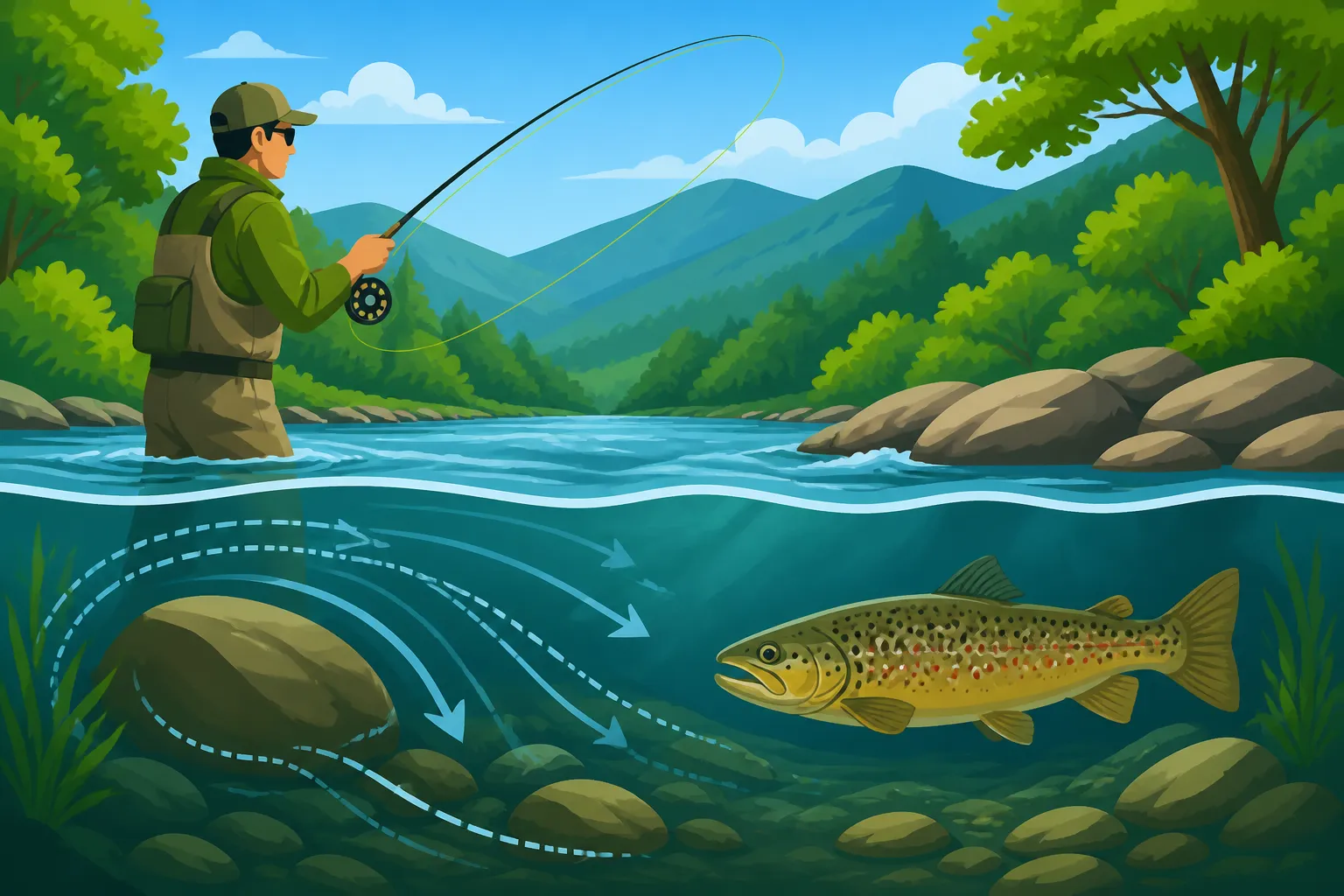
Think about a trout in a stream like you might think about a person in a busy grocery store. They want to be somewhere with easy access to the good stuff (food) without having to fight the crowds (strong current) all the time. This is where current and structure come into play. Trout will almost always position themselves in "current breaks" – spots where the main flow is interrupted, allowing them to expend less energy while still being close enough to dart out and grab passing insects or small fish.
Structure can be anything that changes the flow of water or provides cover. This includes large boulders, fallen logs, submerged branches, even subtle changes in the streambed's contour. These elements create pockets of slower water, often called "lies," where trout can rest without constantly battling the flow. Imagine a big rock in the middle of a swift current; downstream of that rock, there's a calm eddy where a trout can sit comfortably, waiting for food to wash by. Similarly, an undercut bank offers not only a current break but also a literal roof over their head, providing protection from predators above. Learning to spot these seemingly minor interruptions in the water's surface or flow is a cornerstone of effective trout fishing.
The Influence of Water Temperature and Oxygen
Beyond just current and cover, water temperature and dissolved oxygen are vital factors that dictate where trout will hold. Trout, especially species like rainbow, brown, and brook trout, are cold-water fish. They thrive in cooler, well-oxygenated water, typically between 45 and 65 degrees Fahrenheit. When water temperatures get too warm, trout become stressed, lethargic, and will seek out cooler refuges.
Areas where cold spring water enters a stream, deep pools, or sections with plenty of shade from overhanging trees can provide these cooler havens, especially during the warmer months. Conversely, highly aerated water, like that found in riffles and rapids, tends to have higher dissolved oxygen levels. Even if the water is a bit colder, if it lacks sufficient oxygen, trout won't be happy. This is why you often find them actively feeding in the foamy, turbulent water below a waterfall or a series of rapids—it's like a natural oxygen bar! If you're struggling to find fish, considering these environmental factors, perhaps even using a stream thermometer (many good ones are available on Amazon), can help you understand why trout might be in one type of water over another.
Deciphering Stream Features: Prime Real Estate for Trout
Now that we understand why trout choose certain spots, let's break down the common physical features of a stream and how trout utilize them. Each one offers unique opportunities for the angler.
Riffles, Runs, and Pools: The Big Three
These three terms describe the fundamental sections of most trout streams, and each serves a different purpose for the fish.
- Riffles: These are the shallow, turbulent sections where the water flows quickly over rocks and gravel. You'll see the surface agitated and broken, often with small waves or "riffles." Riffles are like the fast-food drive-thru for trout. The turbulent water dislodges insects, washes larvae off rocks, and generally makes a smorgasbord available. Trout don't usually hold in the fastest part of a riffle, as it takes too much energy. Instead, they'll often be found just below the fastest flow, on the edges, or behind larger rocks within the riffle, darting out to snatch food. These areas are especially productive during insect hatches when emerging bugs are struggling through the surface tension.
- Runs: Runs are typically deeper and straighter sections of a stream, characterized by a more uniform, moderate current. They often connect riffles to pools. Runs are comfortable feeding lanes for trout. The current is strong enough to deliver food but not so strong that it's exhausting. Look for trout holding along the edges of runs, near submerged rocks, or in subtle depressions on the bottom. These areas are fantastic for drifting nymphs or small streamers, allowing your presentation to mimic natural food sources moving with the current. This is a great place to practice your Fly Fishing Basics for Trout.
- Pools: Pools are the deeper, slower-moving sections of a stream, often found below riffles or around bends. They are the trout's living rooms and safe havens. Pools provide depth for protection from predators and often hold the largest fish. While not always as actively feeding as in riffles or runs, trout will move into pools to rest, escape danger, or feed on larger prey like baitfish or crayfish. The challenge in pools is getting your lure or fly down to where the fish are without spooking them in the calmer, often clearer water. Patience and stealth are key here. Many anglers find the Best Fishing Spots for Rainbow Trout in Tennessee are often centered around these deep pools.
Seams, Eddies, and Slack Water: Current's Edges
These are the more subtle, but incredibly important, features that are often overlooked by beginner anglers. They are goldmines for hungry trout.
- Seams: A seam is the visible line where two different current speeds meet. Think of a fast current flowing alongside a slower current, or a current running against still water. These "seams" are prime feeding lanes because the faster water acts like a conveyor belt, bringing food, while the slower water adjacent to it allows the trout to hold comfortably with minimal effort. You can often spot seams by observing debris floating on the surface; it will either slow down or change direction at these junctions. Positioning your cast to drift your bait or fly along these seams is a highly effective strategy for catching trout.
- Eddies: Eddies are circular currents of water that form behind obstructions like large rocks, logs, or points of land. The water in an eddy flows in the opposite direction of the main current or remains relatively still. Trout love eddies for the same reasons they love current breaks: easy access to food without fighting the main flow. Food gets caught in the swirling currents of an eddy, making it an easy meal for a waiting trout. The head of an eddy, where the main current first meets the still water, is often the most productive spot.
- Slack Water: This refers to any area of water that has little to no current. This can be a small pocket behind a large rock, a backwater area off the main flow, or the very edges of a stream. While not always as productive for active feeding as seams or riffles, slack water offers important refuge. Smaller trout, or larger trout seeking deeper cover, will often be found here. During high water conditions or periods of heavy angling pressure, trout might retreat to these calm areas.
Obstructions and Cover: Nature's Hiding Spots
Beyond the current, physical obstructions provide both refuge and ambush points.
- Rocks and Boulders: These are perhaps the most common forms of structure in a trout stream. Not only do they create current breaks and eddies, but their rough surfaces harbor insect larvae, and their undersides offer dark, cool hiding spots. A large boulder can host multiple trout, each positioned to take advantage of the micro-currents it creates. Don't just cast blindly; try to visualize the current around the rock and where a trout would naturally sit to conserve energy and intercept food.
- Fallen Logs and Debris: A log jam, a single fallen tree, or even a collection of branches can be incredible trout magnets. They provide overhead cover from avian predators, shade from the sun, and current breaks. The complex structure often holds a rich ecosystem of insects and small fish, providing ample food. Fishing near or even into these areas can be challenging due to snags, but the rewards can be significant. Always approach these spots carefully, as trout under such cover are easily spooked.
- Undercut Banks: These are formed when the current erodes the bank beneath the surface, creating an overhang. Undercut banks offer ideal conditions: a dark, secure hiding spot; overhead cover; and a current break right against the bank that often delivers food. They are particularly effective holding spots for larger, wary trout. Presenting your fly or lure right along the edge of an undercut bank, allowing it to drift naturally into the hidden pocket, can be incredibly effective.
Reading the Clues: What the Water Tells You
Beyond the physical features, the water itself is constantly communicating. Learning to interpret these subtle signs can give you a significant advantage.
Surface Disturbances: Rising Fish, Hatches, and Foam Lines
The surface of the water is a dynamic canvas, full of clues if you know how to read them.
- Rising Fish: This is perhaps the most exciting and obvious clue. When you see a trout come to the surface to take an insect, it's a clear indication that fish are actively feeding on surface prey. The type of rise can tell you a lot: a gentle dimple often means the fish is sipping emergers just below the surface; a splashy rise indicates it's aggressively chasing adult insects; and a "porpoise" rise (where the nose and then the tail break the surface) often means it's taking spent or drowned insects just under the film. Observing the frequency and nature of these rises will guide your fly selection and presentation. Check out our guide on Best Fly Patterns for Stocked Trout for more on matching the hatch.
- Insect Hatches: Trout fishing often revolves around "matching the hatch"—presenting a fly that imitates the insects currently emerging or falling onto the water. Keep an eye out for adult insects flying near the water, shucks (exoskeletons) floating on the surface, or nymphs drifting in the current. If you see a consistent hatch, and fish are rising, it's a strong signal to switch to a fly pattern that mimics that specific insect. A small, portable insect identification guide can be a valuable tool to carry in your vest, perhaps even one you picked up from Amazon.
- Foam Lines: These are lines of bubbles and foam that accumulate on the surface, often in slower currents, eddies, or along seams. Foam lines are essentially nature's conveyor belts for food. They collect drowned insects, leaves, and other organic matter that trout will happily eat. They also often indicate where current breaks are, signaling deeper water or submerged structure. Don't ignore them—trout will often cruise just below these foam lines, picking off anything edible that comes their way.
Water Clarity and Depth: Seeing Below the Surface
What you can (or can't) see beneath the surface provides critical information.
- Water Clarity: Clear water means spooky fish. In gin-clear streams, trout have excellent visibility, making stealth and long, delicate presentations crucial. You'll need lighter tippets, smaller flies, and a more cautious approach. On the other hand, slightly stained or murky water (common after rain) can make trout less wary, allowing for bolder approaches and larger, more visible flies or lures. However, overly muddy water can shut down feeding completely, as trout rely heavily on sight to feed.
- Depth Perception: Estimating depth can be tricky, especially with glare on the water. Polarized sunglasses are absolutely essential for reading water effectively. They cut the glare, allowing you to see into the water, spot submerged rocks, channels, drop-offs, and even the fish themselves. Seeing the bottom structure helps you understand where trout might be holding and how to present your offering effectively. You can find a wide range of polarized sunglasses on Amazon that will significantly enhance your visibility.
Subsurface Indicators: Understanding the Hidden Currents
Sometimes the most important clues are hidden just beneath the surface.
- Subtle Eddies and Swirls: While some eddies are obvious, many are subtle. Look for small, consistent swirls or disturbances in what appears to be smooth water. These indicate a subsurface obstruction or a micro-current break where a trout could be holding. It takes practice to spot them, but they often reveal very productive lies.
- Current Speeds and Transitions: Observing how the current moves around objects, accelerates, or slows down will help you identify seams and potential holding areas. Pay attention to how your line and indicator drift. If your indicator suddenly slows down or speeds up, you've likely hit a seam or a change in current, indicating a prime spot for a trout to be waiting. Understanding these transitions is crucial for effective nymphing or drift fishing.
Putting It All Together: Fishing the Water You Read
Reading the water isn't just an academic exercise; it's about translating observations into effective fishing strategies.
Approaching Fast Water vs. Slow Water
Your approach should change dramatically depending on the water speed.
- Fast, Turbulent Water (Riffles, Rapids): In these areas, trout need to make quick decisions. Your presentation needs to be direct and precise. Use heavier flies or split shot to get your nymphs down quickly to the fish. Focus on short, targeted casts to current breaks and seams. Trout here are less spooky due to the broken surface, so you can often approach a bit closer. Don't be afraid to use slightly brighter or more visible fly patterns, as they'll grab attention in the chaos. Our guide on Spin Fishing Techniques for Trout offers great advice for these conditions.
- Slow, Calm Water (Pools, Slack Water): Here, trout have more time to inspect your offering and are far more wary. Stealth is paramount. Make long, delicate casts to avoid spooking fish. Use lighter tippets and smaller, more natural-looking flies. Presentation needs to be perfect, mimicking a natural drift without drag. Focus on covering the water thoroughly, allowing your fly or lure to sink slowly into deeper pockets. In these areas, trout may be holding close to cover, so subtle presentations near fallen logs or undercut banks are often effective.
Casting and Presentation: Adapting to the Flow
The way you cast and present your bait or fly is directly influenced by the water features you've read.
- Upstream Casts: Often used in riffles and runs to allow your fly or lure to drift naturally back towards you, mimicking a free-floating insect. The key is to cast far enough upstream to allow your offering to sink to the trout's level before it reaches their position.
- Across-Stream Casts (Quartering Upstream/Downstream): Versatile for covering seams and current transitions. The angle of your cast and how you manage your line (mending) will dictate how naturally your offering drifts through the target zone. Proper line management is critical to avoid "drag," which makes your fly or lure look unnatural to a discerning trout.
- Downstream Casts: Best for fishing deeper pools or for swinging streamers across the current. While less common for delicate dry fly presentations, a downstream cast can allow you to get your offering into hard-to-reach pockets or to effectively present larger, subsurface patterns. Remember that Tennessee Trout Limits and Season Rules might vary based on the time of year, so always be aware of regulations before keeping your catch.
By diligently observing the water—the currents, the structures, the surface activity, and even the color and clarity—you begin to paint a picture of the underwater world from the trout's perspective. It's a skill that takes time to develop, but every time you step into a stream, you're getting better at it. Soon, you'll be reading the water like a pro, and those elusive Tennessee trout won't stand a chance. And remember, the more you understand about Tennessee's Trout Guide: Rainbow, Brown, and Brook Trout, the better equipped you'll be to target them in their specific habitats.
Best Practices for Reading Water on the Go
Mastering water reading is an ongoing process, not a one-time lesson. Here are some actionable tips to refine your skills every time you hit the stream.
Slow Down and Observe
One of the biggest mistakes anglers make is rushing to cast without truly observing their surroundings. When you arrive at a new section of stream, resist the urge to immediately start fishing. Instead, find a good vantage point, stay low, and simply watch. Look for rises, insect activity, foam lines, and the subtle movements of the current.
Take 5-10 minutes, or even longer, to scout the water. Identify the riffles, runs, and pools. Pinpoint any significant structures like boulders or fallen trees. Observe how the current interacts with these features, creating seams and eddies. This initial reconnaissance will provide a mental map of where trout are likely to be holding and how best to approach them. Sometimes, just slowing down and taking it all in can reveal opportunities you would have otherwise completely missed. It's not about how many casts you make, but how effective each cast is. For more information on season changes, our guide on The Tennessee Trout Season Split Explained: March to September vs October to February can help you understand when and where trout might be more active.
Visualize the Current Underwater
It's easy to see the surface, but the real magic happens beneath. With practice and polarized sunglasses, you can start to visualize how the current moves underwater. Imagine tiny food particles drifting. Where would they get swept to? Where would they slow down and accumulate? Trout are master energy economists; they'll hold in places where food is delivered to them with minimal effort.
Think about how a deep channel might funnel current, or how a series of small rocks create a complex network of micro-currents. Understanding this three-dimensional flow is crucial for presenting your lure or fly at the correct depth and speed. If you're using nymphs, think about how they tumble along the bottom. If you're using a dry fly, visualize its natural, drag-free drift. This mental exercise will dramatically improve your understanding of trout behavior and inform your casting decisions. For insights into deeper water strategies, consider reading up on How to Fish Deep Structure for Bass in Winter for transferable tactics.
Learn from Every Cast (and Every Missed Fish)
Every cast is an experiment, and every outcome—whether a bite, a snag, or a completely ignored offering—provides valuable data. Did your fly drift naturally? Did it get into the zone you intended? If a fish rose and refused your fly, what might have been wrong with the presentation or the pattern?
Pay attention to where fish strike, or where you get a subtle tug. This feedback helps confirm if your reading of the water was accurate. If you consistently miss fish in a certain type of water, or if your line keeps getting snagged, it tells you something about the depth, current, or hidden obstructions. Keep a small fishing journal (even a simple notebook from Amazon) to jot down observations about specific spots, conditions, and what worked or didn't work. Over time, these notes will help you build a mental library of successful water-reading strategies for various conditions in Tennessee. Our Tennessee Trout Fishing Season Explained article can also provide seasonal context to your observations.
Don't Be Afraid to Get Wet and Explore
The best way to truly understand a stream is to get in it (safely, of course!). Wade fishing allows you to experience the currents, feel the bottom structure, and see the underwater environment from a different perspective. Just be cautious and use appropriate wading gear, like sturdy waders and wading boots (many anglers find great options on Amazon).
As you wade, pay attention to how the current pushes against your legs, how the bottom changes from gravel to rock to silt, and where depressions or drop-offs occur. This direct, tactile experience will deepen your understanding of the water you're trying to read. Remember that sometimes the most productive spots are the hardest to reach, so exploring different sections of the stream, even those that look less promising at first glance, can sometimes lead to unexpected success. Always prioritize safety and be aware of potential hazards like slick rocks or deep holes. You might find some excellent gear for this in Best Fly Rods and Waders for Tennessee Trout Streams.
By consistently applying these practices, you'll find that reading water transforms from a daunting task into an intuitive art form. You'll not only catch more trout, but you'll also develop a deeper appreciation for the intricate beauty and challenges of Tennessee's incredible trout streams.
Disclaimer
This article is for general informational purposes only and does not constitute professional advice. Laws, prices and regulations vary by location and change over time. Consult a qualified professional for guidance on your specific situation.