Caney Fork River Trout Fishing
Trying to navigate the best spots and techniques for trout fishing on the Caney Fork River can feel like deciphering an ancient map, especially with its unique tailwater characteristics and ever-changing conditions. This comprehensive guide will cut through the confusion, offering you an in-depth look at how to successfully fish for trout on this incredible Tennessee gem, no matter your experience level.
The Unique Charm of Caney Fork River Trout Fishing
The Caney Fork River, snaking its way through Middle Tennessee, isn't just another pretty waterway; it's a premier trout fishery with a distinct personality. What makes it so special is its status as a cold-water tailwater, fed by the deep, frigid waters released from Center Hill Dam. This consistent influx of cold water creates an ideal habitat for trout, allowing them to thrive far south of their typical natural range. It’s a truly remarkable natural phenomenon that draws anglers from all over the region, offering a consistent and challenging fishing experience that few other rivers can match.
Understanding the Tailwater Fishery
A tailwater fishery, like the Caney Fork, is entirely dependent on the operation of an upstream dam. In this case, Center Hill Dam on the Caney Fork River controls the flow and temperature of the water. When the U.S. Army Corps of Engineers (USACE) generates electricity, water is pulled from the bottom of Center Hill Lake, releasing a constant stream of cold, oxygen-rich water into the river below. This cold water is critical for trout survival, as these species struggle in warmer temperatures.
However, this also means that water levels can fluctuate dramatically and rapidly. During periods of generation, the river can rise several feet in a short amount of time, creating strong currents that completely change fishing conditions and can even be dangerous if you're not paying attention. Conversely, when no generation is occurring, the river can become incredibly low and clear, presenting its own set of challenges for anglers. Understanding and monitoring the generation schedule is paramount to a safe and successful trip. Many experienced anglers check the USACE website or call their automated information line before even leaving the house, and it's a habit you should definitely adopt. The river transforms with these changes, making observation and adaptability key skills to cultivate here.
A Haven for Diverse Trout Species
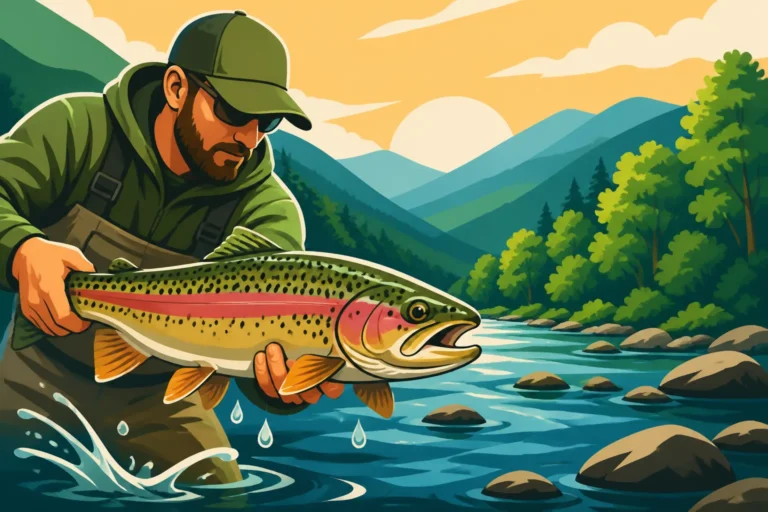
The Caney Fork River is home to a robust population of trout, predominantly rainbow and brown trout. These fish are regularly stocked by the Tennessee Wildlife Resources Agency (TWRA), ensuring a healthy and vibrant fishery year-round. While not as common, you might occasionally encounter a wilder, more elusive brook trout, especially in some of the smaller, colder tributaries feeding into the main river. The blend of stocked and wilder fish offers a varied angling experience, from the feisty fight of a freshly stocked rainbow to the cunning challenge of a mature brown trout.
Rainbow trout are generally more abundant and often a bit easier to catch, making them a great target for beginners and seasoned anglers alike. They're known for their acrobatic jumps and strong runs. Brown trout, on the other hand, are often larger and more wary, requiring a stealthier approach and more refined techniques. They're masters of camouflage and can be incredibly challenging, but incredibly rewarding, to catch. For a deeper dive into the specific characteristics and habitats of these species, you might want to check out a guide on Tennessee Trout Guide Rainbow, Brown, and Brook Trout. The sheer number of fish in the Caney Fork means that even on a slow day, you're likely to have some action, and the chance of hooking into a truly memorable trout keeps many anglers coming back.
Seasonal Strategies for Caney Fork Trout
Fishing the Caney Fork River is a dynamic experience that changes with the seasons, largely due to variations in dam generation schedules and natural insect hatches. What works beautifully in spring might be entirely ineffective in the peak of summer or the chill of winter. Adapting your approach to the prevailing conditions is the mark of a truly successful Caney Fork angler. Each season brings its own unique set of opportunities and challenges, making the river a fantastic destination for year-round trout fishing.
Spring and Summer Flows
Spring on the Caney Fork is often characterized by moderate flows, gradually increasing as the weather warms and dam generation becomes more frequent to meet rising electricity demands. This can be an excellent time for fishing, as trout become more active with increasing water temperatures and insect hatches begin in earnest. Hatches of caddisflies, midges, and various mayflies provide abundant food sources, and trout are often eager to feed on the surface or just below. Fly anglers will find matching the hatch to be critical during these times.
As summer progresses, especially during drought conditions or peak energy consumption, generation schedules can become less predictable. You might encounter periods of very high, fast water, or long stretches of extremely low and clear water. Both scenarios require specific strategies. High water demands heavier tackle, larger flies or lures, and a focus on deeper pockets and eddies where fish can escape the main current. Low water, conversely, calls for finesse, lighter lines, smaller presentations, and a stealthy approach to avoid spooking wary fish. Regardless of the flow, summer can provide fantastic fishing, especially during early morning or late evening hours when the sun is less intense, and fish are more comfortable feeding. Understanding the Tennessee Trout Fishing Season Explained can give you a general idea of what to expect throughout the year.
Fall and Winter Fishing Opportunities
Fall brings some of the most beautiful and productive fishing to the Caney Fork. As cooler temperatures arrive, the insect activity remains strong, and brown trout begin their pre-spawn feeding frenzy. This is often the time when anglers have their best shot at catching larger, trophy-sized brown trout. The foliage along the riverbanks bursts into vibrant colors, creating a stunning backdrop for your fishing adventure. Generation schedules can become a bit more consistent in the fall, often with periods of lower water interspersed with predictable generation, allowing for varied fishing opportunities.
Winter on the Caney Fork can be surprisingly good, though it often requires a different mindset. The cold temperatures mean insect hatches are less frequent, but midges remain a staple, and trout still need to eat. Trout will often hold in deeper, slower pools, conserving energy. Targeting these areas with small, subtle presentations can be highly effective. Indicator nymphing with tiny flies is a popular and productive winter technique. Additionally, periods of dam generation can warm the water slightly downstream, sometimes stirring up activity. Winter often offers a more solitary fishing experience, as fewer anglers brave the chill, but those who do are often rewarded with peaceful solitude and active fish. Don't be fooled by the cold; some of the biggest fish are caught when the air bites.
| Season | Typical Flow Conditions | Primary Trout Species | Recommended Techniques | Key Considerations |
|---|---|---|---|---|
| Spring | Moderate, increasing | Rainbow, Brown | Fly fishing (caddis, mayflies, midges), small spinners | Check for strong hatches; flows can increase |
| Summer | Variable (high/low) | Rainbow, Brown | Deep nymphing, streamers (high water); small dries, tiny nymphs (low water); spin fishing with small lures | Monitor generation schedule closely; early/late fishing best |
| Fall | Moderate, consistent | Brown (pre-spawn), Rainbow | Streamers, larger nymphs, dry flies (hatches); spin fishing with minnow imitations | Prime time for trophy brown trout; beautiful scenery |
| Winter | Low, stable (often) | Rainbow, Brown | Indicator nymphing (midges, tiny flies), small jigs | Focus on deep, slow pools; fewer anglers, peaceful |
Essential Techniques and Gear for Success
Fishing the Caney Fork River effectively means having the right tools and knowing how to use them in varying conditions. Whether you're a dedicated fly angler or prefer the simplicity of spin fishing, the Caney Fork offers opportunities for both. However, success often hinges on adapting your methods to the specific water levels and the trout's feeding patterns on any given day. It’s not just about having the gear; it’s about understanding its application here.
Mastering Fly Fishing on the Caney Fork
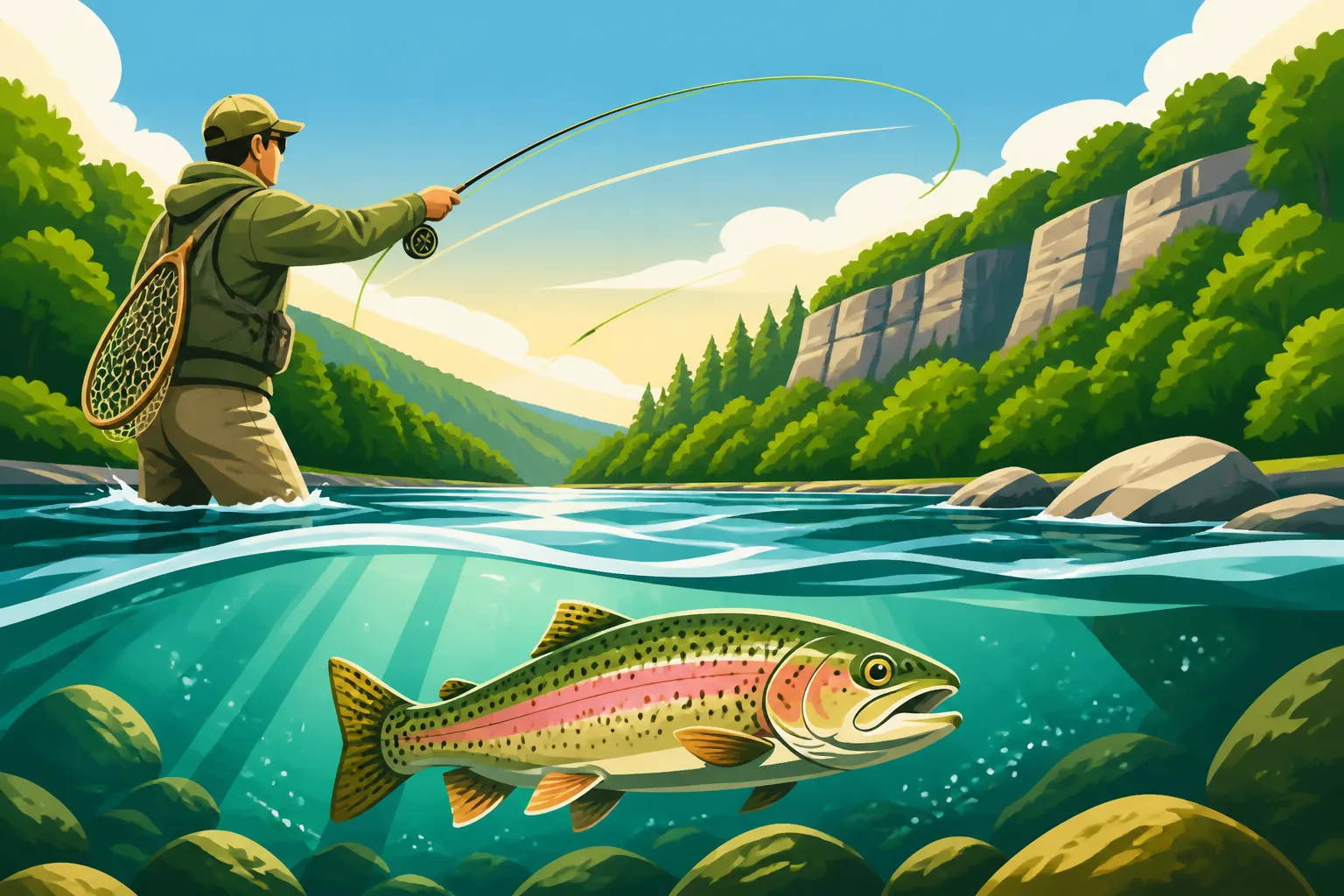
Fly fishing is arguably the most popular method on the Caney Fork, and for good reason. The river boasts prolific insect hatches throughout the year, making it a fantastic environment for presenting artificial flies that mimic the trout's natural diet. When the water is low and clear, presenting small, delicate dry flies or tiny nymphs can be incredibly effective. Anglers often spend time observing the water for rising fish and matching the size and profile of the natural insects. In these conditions, a lightweight 3 or 4-weight fly rod with a long leader and tippet will offer the best presentation. For advice on specific patterns, you might refer to our article on Best Fly Patterns for Stocked Trout.
During periods of higher water or strong currents, a different approach is necessary. Streamer fishing can be highly productive, mimicking baitfish that trout aggressively pursue in faster flows. Nymphing with heavier split shot or larger flies is also effective, allowing your flies to get down to the fish holding in deeper runs or eddies. A 5 or 6-weight rod offers more power for casting heavier rigs and fighting larger fish in strong currents. Many fly anglers utilize a "Euro nymphing" or "tightline nymphing" technique to maintain direct contact with their flies and detect subtle strikes, especially in varying flows. Experimentation is key, and don't be afraid to switch tactics if what you're doing isn't producing. A good fly fishing guide, easily found on a platform like FishingBooker, can be invaluable for learning the nuances of this river.
Spin Fishing for Caney Fork Trout
While fly fishing gets a lot of attention, spin fishing is also a highly effective and often overlooked method on the Caney Fork. For those who prefer a spinning rod, ultra-light setups are typically the most successful. A light or ultra-light spinning rod (4-6 foot range) paired with a small reel spooled with 4-6 pound test fluorocarbon or monofilament line allows for delicate presentations of small lures and baits. The key here, just like with fly fishing, is matching your presentation to the size of the trout's natural food source.
Small inline spinners, like those from Panther Martin or Mepps, in sizes #0 to #2, are perennial favorites. Colors such as silver, gold, and black with yellow dots often produce excellent results. Tiny crankbaits or jerkbaits that imitate small minnows can also be deadly, especially when fished near structure or in deeper pools. Soft plastics, such as small trout worms or mini tube jigs, rigged on a light jig head, are another fantastic option. These can be drifted naturally with the current or slowly retrieved along the bottom. Just remember, lighter lines and smaller lures will give you the best chance of success, particularly when the water is clear and the fish are wary. For more general advice on this technique, check out our guide on Spin Fishing Techniques for Trout.
Recommended Tackle and Lures
Beyond rods, reels, and lines, a few other essential items will make your Caney Fork trout fishing trip more successful and enjoyable.
- Waders and Boots: Wading is essential for accessing many of the best fishing spots. Neoprene waders are great for colder months, while breathable waders are perfect for spring and summer. Good wading boots with felt or rubber soles (and perhaps studs for extra grip) are crucial for navigating the often slippery, rocky bottom.
- Net: A good landing net with a rubberized mesh is important for safely landing fish, especially if you plan on practicing catch and release. Rubber nets are gentler on fish scales and slime coats.
- Leader and Tippet: For fly anglers, a variety of leader and tippet sizes (from 3X to 7X) will be necessary to adapt to different fly sizes and water conditions.
- Assortment of Lures/Flies: As mentioned, inline spinners, small crankbaits, and a wide array of nymphs, dry flies, and streamers are critical. It’s better to have too many options than too few.
- Forceps or Pliers: These are indispensable for safely removing hooks from fish, especially when dealing with small flies or treble hooks. Again, promoting healthy catch and release.
- Water Bottle and Snacks: Fishing can be physically demanding, and you'll want to stay hydrated and energized throughout the day.
- Sunscreen and Hat: Protection from the sun is important year-round.
- Polarized Sunglasses: These are not just for eye protection; they drastically improve your ability to see fish and submerged structure, giving you a significant advantage.
Having a well-stocked vest or pack that allows for quick changes in flies, lures, or leader sizes will keep you efficient on the water, letting you spend more time fishing and less time fumbling through gear.
Navigating Access and Understanding Regulations
Venturing out onto the Caney Fork River requires more than just knowing how to fish; it demands an understanding of public access points, the river's fluctuating conditions, and the specific rules that govern this treasured fishery. Ignorance of these elements can not only lead to a frustrating day but potentially a dangerous or illegal one.
Key Public Access Points
The Caney Fork River offers several well-known public access points, each providing unique advantages depending on the water levels and your preferred fishing method (wading, kayak, or drift boat).
- The Dam/Powerhouse Area: This is the most upstream access point, directly below Center Hill Dam. It's easily accessible and often productive, but also the most susceptible to rapid changes in water levels during generation. Anglers often wade here during low water or launch kayaks/drift boats when the water is running. You'll find plenty of parking, but expect company, especially on weekends.
- Betty's Island: Located a few miles downstream from the dam, Betty's Island offers excellent wading opportunities during low water. It's a popular spot, accessible via a short hike from designated parking. This area has classic trout water with riffles, runs, and pools.
- Stonewall (Canoe Launch): Further downstream, the Stonewall access provides a solid put-in for canoes, kayaks, and drift boats. It's a bit of a longer float from here, offering a more secluded experience away from the crowds closer to the dam. Bank access is also available in some spots.
- South Carthage (Take-out): This is a primary take-out point for those floating the river from upstream. While it offers some bank fishing, its main purpose is for retrieving boats.
Always scout your access points before your trip, especially if you're planning a float, to ensure you know where to put in and take out. If you're looking for a guided trip, many local guides, often listed on platforms like FishingBooker, operate out of these access points and can provide invaluable local knowledge.
River Flows and Generation Schedules
As a tailwater, the Caney Fork's character is entirely dictated by the generation schedule of Center Hill Dam. The difference between no generation and full generation can be dramatic, turning a placid wading stream into a fast-flowing, deep river in a matter of minutes.
- Monitoring Schedules: The U.S. Army Corps of Engineers (USACE) website provides real-time and scheduled generation information. You can also call their automated line for updates. It's crucial to check this before you even leave home and periodically throughout the day if you have cell service.
- Low Water Periods: When there's no generation, the river is low and clear, often ideal for wading and sight-fishing with light tackle. However, fish can be spooky, requiring a stealthy approach.
- High Water Periods: During generation, the water rises, currents become strong, and wading can be dangerous or impossible in many areas. This is when drift boats, kayaks, or bank fishing in calmer eddies become essential. Fish often move closer to the banks to escape the main current, making these areas productive.
- Safety First: Never underestimate the power of rising water. If you hear the generation sirens, or notice the water starting to rise, immediately head to higher ground. Wear a life jacket if you're on the water, especially during generation. Safety should always be your top priority.
Crucial Tennessee Fishing Regulations
Tennessee has specific regulations for trout fishing, and the Caney Fork River often has its own set of special rules that supersede the statewide defaults. It's not enough to simply have your Tennessee Fishing License Guide; you need to understand the nuances of local rules.
- License Requirements: Everyone 13 years and older needs a valid Tennessee fishing license. If you plan to fish for trout, you also need a valid trout permit, which is often an add-on to your basic license. For more details, our guide on How to Get a Tennessee Fishing License is a great resource.
- Creel and Size Limits: While statewide trout limits are 7 fish per day, with no more than 2 brown trout counting toward that limit from March through September, the Caney Fork has specific regulations that often differ. Many sections of the Caney Fork are designated "catch and release only" or have specific size restrictions to protect its trophy trout potential. Always check the current TWRA fishing guide for the specific section of the Caney Fork you plan to fish, as these rules can change annually.
- Gear Restrictions: Certain areas, particularly those designated "trout fishing only" or "catch and release," might have restrictions on bait, lures, or even hook types (e.g., artificial lures only, single hook, no treble hooks). Read the signs at access points carefully.
- Bobby Wilson Free Fishing Day: Remember that while Tennessee offers a Bobby Wilson Free Fishing Day, typically in early June, and a Free Fishing Week for kids, the Caney Fork's specific regulations for trout might still apply regarding tackle or catch limits, even on these days. Always consult the TWRA guide.
Failing to adhere to these regulations can result in significant fines and penalties. Game wardens regularly patrol the Caney Fork, so ensure you are compliant to enjoy your fishing experience without worry. Keeping a digital copy of your fishing license on your phone is always a good idea, as well as a physical copy of the current TWRA regulations guide.
Conservation and Ethical Angling on the Caney Fork
The Caney Fork River is a precious resource, and its continued health and vitality depend on the responsible actions of every angler. Practicing ethical angling goes beyond simply following the rules; it involves a mindset of stewardship and respect for the environment and the fish.
Practicing Catch and Release
Given the high fishing pressure and the desire to maintain a robust population of larger, wilder trout, catch and release is highly encouraged on the Caney Fork, and in many sections, it is mandated by regulation. Even in areas where keeping fish is allowed, many anglers choose to release their catch, especially larger brown trout, to ensure future generations can enjoy the same opportunities.
To effectively practice catch and release with minimal harm to the fish:
- Minimize Handling: Try to keep the fish in the water as much as possible. If you must handle it, do so with wet hands and support its body horizontally. Never squeeze or drop a fish.
- Barbless Hooks: Crimp down the barbs on your hooks or use barbless hooks. This makes hook removal quicker and less damaging.
- Prompt Hook Removal: Use forceps or needle-nose pliers to quickly and gently remove the hook. If the fish is deeply hooked and removal would cause significant damage, it's often better to cut the line as close to the hook as possible.
- Revive the Fish: If the fish seems stressed, hold it gently in the water, facing upstream into the current, until it regains its strength and can swim away on its own. Avoid dragging it back and forth.
- Photography: If you're taking a photo, do it quickly and with the fish held correctly. Get the shot and get the fish back in the water.
By following these practices, you significantly increase the chances of a released fish surviving and thriving, contributing to the overall health of the fishery.
Supporting the Future of the Fishery
Beyond individual actions, supporting the organizations dedicated to the Caney Fork's conservation is another crucial aspect of ethical angling.
- TWRA: The Tennessee Wildlife Resources Agency (TWRA) is instrumental in managing and stocking the Caney Fork. Every time you purchase a Tennessee Resident Combination Hunt and Fish License or a trout permit, you are directly contributing to their efforts, including stocking programs, habitat improvement, and enforcement. The TWRA's consistent stocking schedule, which includes species like rainbow trout, is vital for maintaining the fishery, and their work ensures that anglers have diverse opportunities.
- Local Conservation Groups: Numerous local chapters of national conservation organizations, like Trout Unlimited, are active in the Caney Fork region. These groups often organize river cleanups, habitat restoration projects, and educational events. Volunteering your time or making a donation can have a direct impact on the river's health.
- Leave No Trace: Always pack out everything you pack in, and perhaps even a little more. This includes discarded fishing line, bait containers, and any other trash. Respect private property signs and avoid trampling vegetation along the banks.
- Educate Others: Share your knowledge of ethical angling practices and regulations with fellow anglers, especially those new to the river. A polite word about catch and release or checking the generation schedule can make a big difference.
By actively participating in conservation efforts and consistently practicing ethical angling, we can all ensure that the Caney Fork River remains a vibrant and productive trout fishery for generations to come. It’s a shared responsibility, and one that all anglers should take seriously.
Disclaimer
Please note that fishing regulations, license requirements, and dam generation schedules can change. Always consult the official Tennessee Wildlife Resources Agency (TWRA) website and the U.S. Army Corps of Engineers (USACE) website for the most current information before planning your trip to the Caney Fork River. Safety is paramount; be aware of rapidly changing water levels and wear appropriate safety gear, especially a life jacket.