Where to Catch Crappie on Watts Bar Lake
Watts Bar Lake, with its sprawling waters covering over 39,000 acres, can feel like a vast wilderness when you're specifically trying to pinpoint schools of crappie. It's a common frustration for anglers, feeling like you're just drifting aimlessly, hoping for a bite. This comprehensive guide is designed to cut through that uncertainty, detailing the prime locations, seasonal strategies, and essential gear to help you consistently find and catch crappie on Watts Bar Lake, turning those hopeful drifts into productive fishing trips.
Understanding Watts Bar Lake's Crappie Habitat
Watts Bar Lake is a true gem of the Tennessee River system, a sprawling reservoir that offers incredibly diverse habitat for crappie. Before you even think about dropping a line, understanding the unique characteristics of this water body and what crappie look for will dramatically increase your success. It's not just about finding water; it's about finding the right water.
Lake Characteristics and Structure
Watts Bar Lake is a impoundment of the Tennessee River, stretching from Watts Bar Dam south to Chickamauga Dam. This means it has both strong riverine influences in its upper sections and more lake-like characteristics in its wider, lower portions. Crappie, being structure-oriented fish, will use this varied topography to their advantage. You'll find everything from deep main river channels, sharp ledges, and submerged timber to expansive shallow flats, creek arms, and countless man-made structures. The average depth is around 26 feet, but it plummets to over 70 feet in the old river channels, offering plenty of vertical movement options for crappie throughout the year.
Think about the sheer amount of cover available: old roadbeds, submerged bridge pilings, flooded timber stands, rock piles, and points that drop off into deeper water. These are all magnets for crappie. During certain times of the year, particularly the cooler months, these fish will relate tightly to these structures, using them for ambush points and protection. The clearer waters in some sections, especially downstream, might push crappie a bit deeper or into heavier cover than in the more stained upper river sections. Understanding these nuances helps you decide what kind of structure to target based on the area of the lake you're fishing.
Key Forage and Water Conditions
Like most crappie fisheries, the abundance of baitfish plays a crucial role in where crappie congregate. On Watts Bar, crappie primarily feed on threadfin and gizzard shad, as well as various minnows and small insects. Where you find the bait, you'll often find the crappie not far behind. Shad will often relate to current breaks, warmer water pockets, or vast schools over open water, especially during the colder months. Learning to read your electronics to spot these bait balls is a game-changer for crappie anglers.
Water conditions like temperature, clarity, and current also dictate crappie behavior. During the spring, rising water temperatures in the shallow coves and creek arms trigger the crappie spawn. In summer, as surface temperatures soar, crappie retreat to deeper, cooler water. Strong current, especially after heavy rains or when the TVA is generating power, can push crappie into eddies, behind structure, or into more protected backwaters. Conversely, slack water might spread them out more, requiring a different approach. Keeping an eye on local conditions, including recent rainfall and reservoir drawdowns, can give you a significant advantage. This knowledge is key to adapting your strategy, which is also covered in our general guide on the Tennessee Crappie Fishing Guide by Season.
Top Crappie Hotspots on Watts Bar Lake
Watts Bar Lake is immense, so trying to fish it all at once is a recipe for frustration. Focusing on specific areas known for holding crappie, and understanding why these spots are productive, will streamline your efforts. From major creek arms to subtle channel breaks, these locations consistently produce good catches.
Major Creek Arms and Their Unique Features
Watts Bar is blessed with numerous large creek arms, and these are often the first places crappie anglers head, especially during the spring and fall. These arms offer a buffet of crappie habitat:
- Piney Creek: Located on the western side of the lake, Piney Creek is a very popular crappie destination. It's known for its extensive shallow flats, submerged timber, and numerous private docks. During the spring, crappie move into the shallower, warmer waters of the creek to spawn, often congregating around brush piles and dock pilings. In the fall, they'll move back into the creek, feeding aggressively on baitfish before heading to deeper wintering grounds.
- White Creek: Another significant creek arm, White Creek, is found on the eastern shore near Spring City. Similar to Piney, it offers excellent spring spawning habitat with plenty of woody cover and gently sloping banks. It's also a great spot for trolling during the summer and fall as crappie suspend along creek channels.
- Paint Rock Creek: Further south, Paint Rock Creek provides good crappie action. It tends to have a mix of deeper water access near the main channel and shallower coves further back, making it versatile for different seasons. Look for ledges and submerged brush piles that run parallel to the old creek channel.
When exploring these creek arms, pay close attention to depth changes, isolated brush piles, and any standing timber. Crappie will often relate to these features, using them for cover and ambush points. Using your electronics to identify these submerged structures is paramount.
Specific Marinas and Docks Known for Crappie
Watts Bar Lake boasts numerous marinas, boat docks, and private pontoons, all of which act as crappie magnets. These man-made structures provide shade, cover, and often accumulate brush and debris underneath, creating ideal habitat.
- Euchee Marina: Located near the central part of the lake, Euchee Marina and the surrounding docks are well-known crappie haunts. Anglers often find success jigging around the pilings, especially during the cooler months when crappie seek thermal refuge and cover.
- Ladd's Landing Marina: Upstream towards Kingston, Ladd's Landing also offers excellent dock fishing. Many of these private docks have crappie attractors intentionally placed by homeowners, making them prime targets.
- Watts Bar Dam Area: While not a marina, the areas immediately below and above Watts Bar Dam itself, with their strong currents and deep structures, can hold crappie. The turbulence can disorient baitfish, making them easy prey. However, be mindful of navigation and safety regulations around the dam.
Fishing around docks often requires a quiet approach. Try skipping jigs or minnows under pontoons and around boat lifts. Many anglers find success using lighter lines and smaller jigs, especially when targeting crappie that are hiding deep within the shadows. Remember to always be respectful of private property when fishing near docks.
River Channels and Backwater Areas
The main Tennessee River channel, as it winds through Watts Bar Lake, is a highway for crappie, especially when they're transitioning between seasonal grounds.
- Main River Ledges and Drops: Crappie often suspend along the edges of the main river channel, particularly where there are sharp drop-offs or subtle ledges. These areas offer quick access to deep water while still being close to shallower feeding grounds. Look for areas where the old river channel makes a bend or where a creek channel merges with the main river. These convergences often create current breaks and concentrate baitfish.
- Backwater Sloughs and Pockets: Away from the main river's influence, particularly in the wider, lower sections of the lake, you'll find numerous backwater sloughs and pockets. These areas, often filled with standing timber or stump fields, are ideal for crappie seeking calmer waters. They can be particularly productive in the winter when crappie are looking for stable water temperatures, and in the early spring before the main lake warms up. For those looking for more specific guidance on different species, Watts Bar Lake offers a bounty, and understanding the full range of species helps you appreciate the ecosystem, much like exploring the Watts Bar Lake Bass and Catfish Species.
Trolling along these channel edges with multiple rods, often referred to as spider rigging, is a highly effective technique for covering water and locating crappie that might be scattered. Using a fishing charter, readily available through platforms like FishingBooker, can also provide you with immediate access to local knowledge about current crappie locations along these channels. They often have the specialized equipment and expertise to quickly put you on fish in these vast open-water areas.
Seasonal Crappie Patterns and Techniques
Crappie on Watts Bar Lake, like most freshwater fish, are highly influenced by the changing seasons. What works in spring won't necessarily work in summer. Adapting your techniques to their seasonal movements and feeding behaviors is absolutely critical for consistent success.
Spring Spawn Strategies
Spring is arguably the most anticipated season for crappie anglers on Watts Bar. As water temperatures climb into the 55-65°F range, crappie move from their deeper wintering grounds into the shallows to spawn. This typically happens from late March through May, though it can vary based on weather patterns. For a deeper dive into this, you might find our guide on Spring Crappie Spawn Timing in Tennessee quite useful.
- Location: Look for crappie in the backs of major creek arms like Piney and White Creeks, as well as smaller, protected coves with plenty of woody cover. They'll gravitate towards submerged brush, stump fields, laydowns, and shallow weed beds in 2-8 feet of water. Sunken Christmas trees placed by anglers are also prime real estate. The northern sections of the lake, which tend to warm up faster, can be productive early in the season.
- Techniques:
- Jigging: Small tube jigs, soft plastics like Bobby Garland's Stroll'R, or Grub bodies in chartreuse, white, or black-and-chartreuse are deadly. Fish them slowly around cover, often suspended under a slip bobber or tightlined.
- Minnows: Live minnows, fished under a bobber or on a tightline rig, are almost always effective. Crappie can be finicky during the spawn, and the natural action of a minnow is often irresistible.
- Casting: Make precise casts to visible cover. Let your jig or minnow sink slowly, twitching it occasionally. Don't be afraid to try different depths around the same piece of cover; crappie might be suspended at various levels.
- Spider Rigging: For covering larger areas of shallow flats or creek channels, spider rigging with multiple rods fishing different depths and baits can be very effective. This allows you to quickly locate active fish.
During the spawn, crappie can be very aggressive, especially in the pre-spawn phase. The post-spawn can be a bit tougher as fish recover, but they'll remain in the shallow-to-mid depth range for a while before moving deeper for summer.
Summer Deep Water Tactics
As Watts Bar Lake's surface temperatures climb into the 80s, crappie retreat to deeper, cooler, and more oxygenated water. This usually means they'll be found in 15-30+ feet of water, often suspending over the main river channel, along ledges, or in the deeper parts of creek arms. If you're struggling to find them, our article on How to Find Crappie in Summer offers additional insights.
- Location: Focus on the main river channel, deep creek channels, submerged humps, roadbeds, and bridge pilings. Look for baitfish schools on your electronics – crappie will usually be nearby, often just below or within the bait. The TVA generating power can create current, concentrating both bait and crappie along channel swings and current breaks.
- Techniques:
- Deep Jigging: Use heavier jigs (1/4 to 1/2 oz) or jigging spoons to reach depths quickly. Vertically jig directly under your boat, focusing on schools of fish you mark on your fish finder.
- Trolling: Slow trolling with multiple rods, often with a double-jig rig or a jig-and-minnow combination, is a highly effective way to cover deep water. Use crankbaits designed for crappie, such as those from Bandit or Strike King, that dive to specific depths. Try varying trolling speeds until you find what triggers bites.
- Live Minnows: Minnows are still king. Fish them on a drop-shot rig or a standard tightline rig, using enough weight to get them down quickly. Often, a single hook baited with a lively minnow is all you need.
- Spider Rigging (Deep): While often associated with spring, spider rigging can be adapted for deep water by using heavier weights and longer rods to spread lines out, targeting suspended crappie at specific depths.
Finding crappie in summer is less about finding visible cover and more about interpreting your electronics to locate submerged structure and schools of baitfish in deeper water.
Fall Transition and Feeding Frenzy
Fall on Watts Bar is another fantastic time for crappie fishing. As water temperatures begin to drop from the summer highs (typically 70s down to 60s), crappie become incredibly active, putting on the feedbag in preparation for winter. This often leads to aggressive bites and excellent catches.
- Location: Crappie will start to migrate from their deep summer haunts back towards shallower creek arms and flats, though they won't typically go as shallow as during the spawn. Look for them in 8-15 feet of water, often around brush piles, stumps, and subtle channel swings inside the creek arms. They'll follow the baitfish, which are also moving into shallower areas to feed.
- Techniques:
- Jigging and Casting: This is a prime time for casting and retrieving jigs. Crappie are often scattered but actively feeding, so covering water is key. Experiment with different jig sizes and colors, focusing on natural baitfish imitations. Our guide on Crappie Jigging Techniques Explained offers some excellent starting points.
- Trolling: As in summer, trolling can be highly effective for locating scattered fish. Cover a range of depths in the 8-15 foot range, focusing on creek channels and flats.
- Live Minnows: Once again, live minnows are hard to beat, whether fished under a bobber near cover or tightlined in deeper sections.
The key to fall crappie fishing is locating the bait. Where the shad are, the crappie will be. Watch for birds diving on baitfish or ripples on the surface – these are tell-tale signs of an active feeding zone.
Winter Slow Bites
Winter fishing on Watts Bar Lake, from December through February, can be challenging but incredibly rewarding for those who brave the cold. Crappie become lethargic and congregate in large, tight schools in deep water. While the bites are often subtle, when you find them, you can have banner days.
- Location: Crappie will be concentrated in very deep water, typically 25-50+ feet, often suspended over the main river channel, deep creek channels, or in deep timber stands. They look for stable water temperatures and less current. Key areas include deep bends in the main channel, vertical bluff walls, and the deepest sections of major creek arms like Piney and White.
- Techniques:
- Vertical Jigging/Spoon Jigging: This is the most popular and effective winter technique. Use small jigs (1/16 to 1/8 oz) or tiny jigging spoons. Drop your bait directly to the depth where you mark fish on your electronics. The retrieve should be incredibly slow and subtle, with barely perceptible twitches.
- Live Minnows: Small live minnows, fished vertically on a tightline with a small split shot, are deadly. The natural movement of a live minnow can often entice a bite when nothing else will.
- Electronics are King: In winter, a good fish finder with side imaging and down imaging is non-negotiable. Crappie schools will be tight to structure or suspended, and your electronics are the only way to find them efficiently.
The bites can be so light in winter that it feels like you're just snagging debris. Watch your line for any twitch, jump, or unnatural slack. Set the hook on anything that feels "different." Dressing warmly and bringing plenty of hot coffee are essential for a successful winter crappie trip on Watts Bar. Knowing the Tennessee Crappie Limits and Season Rules is also vital, as different lakes can have specific regulations, but the statewide rule for crappie is 20 fish per day, of which only 5 may be over 12 inches.
Essential Gear and Bait for Watts Bar Crappie
Having the right tools for the job can make all the difference, especially when you're trying to outsmart Watts Bar crappie. From your rod and reel setup to the smallest jig, every piece of gear plays a role in your success.
Rods, Reels, and Line Selection
For crappie fishing on Watts Bar, finesse and sensitivity are key.
- Rods: Most crappie anglers prefer ultralight or light action spinning rods, typically 5 to 7 feet in length. Longer rods (8-14 feet) are popular for spider rigging, as they allow you to spread out multiple lines and present baits at different depths and distances from the boat. The extra length also helps absorb the shock of a fish and provides better leverage. A good sensitive rod will allow you to feel those subtle bites, especially when fishing deep or in cold water. For specific recommendations, check out our guide on the Best Tackle for Tennessee Crappie Fishing.
- Reels: Pair your rods with small, lightweight spinning reels (sizes 500 to 1000). These reels offer smooth drag systems for light lines and are comfortable for all-day casting or vertical jigging.
- Line: Light line is crucial for crappie, as it offers better sensitivity and a more natural bait presentation.
- Monofilament: 4-6 lb test monofilament is a classic choice. It has some stretch, which can be forgiving with light tackle, and it's easy to tie knots with.
- Fluorocarbon: 4-6 lb test fluorocarbon offers less stretch than mono, providing excellent sensitivity. Its low visibility underwater can also be an advantage in clearer Watts Bar waters.
- Braided Line: While some anglers use braided line (6-10 lb test) for its extreme sensitivity and no-stretch properties, it's often paired with a fluorocarbon leader (4-6 lb test) to reduce visibility. Braid is fantastic for feeling the slightest tap, but it can be less forgiving when fighting a fish on ultralight gear.
Preferred Lures and Live Bait Options
Having a diverse tackle box is essential for adapting to various conditions and crappie preferences on Watts Bar.
- Jigs:
- Tube Jigs: These soft plastic lures, usually 1/16 to 1/8 oz, are perennial crappie favorites. They come in a myriad of colors; chartreuse, white, black, and various two-tone combinations (like black/chartreuse or blue/white) are consistently productive.
- Grub Bodies: Small paddle-tail or curly-tail grubs (1-2 inches) on jig heads are also excellent. Again, color experimentation is key, but don't overlook natural shad patterns.
- Hair Jigs/Feather Jigs: Especially in clearer water or when crappie are finicky, the subtle action of a hair or feather jig can be irresistible.
- Jigging Spoons: For deep water and vertical jigging, small lead or metal spoons (1/8 to 1/2 oz) can mimic dying baitfish, triggering aggressive strikes from crappie.
- Live Bait:
- Minnows: Hands down, live minnows are the most consistent and effective crappie bait. Small to medium-sized minnows, hooked lightly through the lip or back, are a must-have, especially during the colder months or when fish are less active. Keep them lively in a good aerated bait bucket.
- Crankbaits: For trolling in deeper water during summer and fall, small crappie-specific crankbaits that dive to different depths can be very effective. Brands like Bandit, Strike King, and Rapala offer excellent options. Experiment with colors and dive depths.
- Soft Plastics: Beyond tubes and grubs, don't shy away from smaller soft plastic baits like crappie minnows, small worms, or creature baits from brands like Bobby Garland, Strike King, or Berkley. They offer a huge range of colors and actions.
Remember, a "crappie sandwich" – a jig tipped with a small piece of minnow or a crappie nibbler – often provides the perfect combination of action and scent to seal the deal.
Electronics and Navigation
On a large, complex reservoir like Watts Bar Lake, electronics are no longer a luxury; they're an indispensable tool for crappie success.
- Fish Finder/Sonar: A good fish finder is your eyes below the surface.
- 2D Sonar: Essential for marking schools of crappie and baitfish directly under your boat, as well as identifying submerged timber and changes in bottom contour.
- Down Imaging: Provides a picture-like view directly below your boat, making it easier to distinguish crappie from other fish or submerged brush piles.
- Side Imaging/Side Scan: This technology is a game-changer for crappie fishing on Watts Bar. It allows you to scan wide areas to either side of your boat, quickly locating brush piles, sunken logs, and crappie schools that might be off to the side, saving you immense time. You can literally "see" a brush pile and the crappie holding around it before you even get on top of it. This is invaluable when searching for scattered fish or new spots.
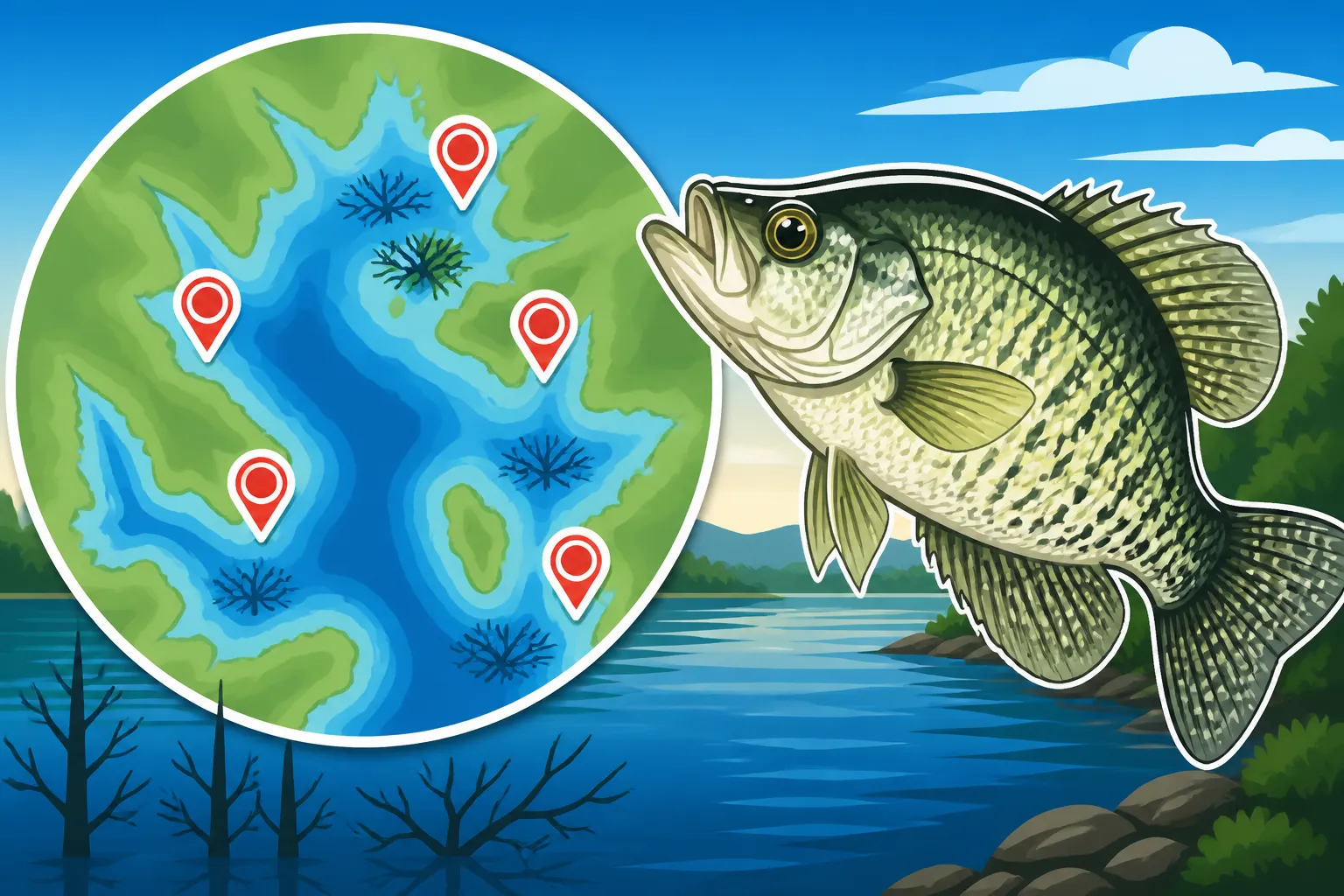
- GPS and Mapping: Integrated GPS with detailed lake maps (like those from Navionics or Lakemaster) allows you to:
- Navigate safely: Avoid hazards and find your way back to the ramp.
- Mark hotspots: Save waypoints for productive brush piles, channel edges, or even individual trees where you caught fish. This is crucial for returning to spots that consistently hold crappie.
- Understand contour: Visualize depth changes, creek channels, and humps that aren't visible above water.
Using your electronics to identify submerged structure, baitfish, and crappie schools at specific depths will dramatically improve your catch rate. It takes some practice to interpret what you see on the screen, but it's an investment of time that pays huge dividends. If you're new to fishing such a large body of water, consider booking a trip with a local guide through services like FishingBooker, not just for the fish, but to learn how they effectively use their electronics to pinpoint these elusive crappie. Understanding How Water Temperature Affects Fish Activity is also a huge part of interpreting what your electronics are showing you, as fish will react differently to bait based on their comfort level.
Here's a quick reference table for some of the Watts Bar crappie hotspots and their prime seasons:
| Hotspot Area | Primary Features | Best Season(s) | Common Techniques | Notes |
|---|---|---|---|---|
| Piney Creek | Shallow flats, submerged timber, private docks | Spring, Fall | Jigging, Minnows, Spider Rigging | Great for spawning, good brush pile fishing. |
| White Creek | Extensive creek channel, brush piles, protected coves | Spring, Fall, Summer | Trolling, Jigging, Minnows | Versatile, good for covering water. |
| Paint Rock Creek | Mix of deep and shallow, ledges, old creek channel | Spring, Fall, Winter | Jigging, Minnows, Trolling | Offers varied depths; good for all seasons. |
| Euchee Marina | Docks, pilings, accumulated brush underneath | All Seasons | Vertical Jigging, Minnows (under docks) | Crappie seek shade & cover. |
| Ladd's Landing | Numerous private docks with attractors | All Seasons | Vertical Jigging, Minnows (under docks) | Target individual docks with stealth. |
| Main River Channel | Deep ledges, channel bends, submerged roadbeds | Summer, Winter | Deep Trolling, Vertical Jigging, Minnows | Locate suspended fish and bait schools with electronics. |
| Backwater Sloughs | Standing timber, stump fields, calm pockets | Winter, Early Spring | Vertical Jigging, Minnows | Look for stable temps and minimal current. |
Disclaimer
Fishing conditions and regulations in Tennessee are subject to change. Always consult the latest Tennessee Wildlife Resources Agency (TWRA) regulations before heading out on Watts Bar Lake or any other body of water. This guide provides general information and recommendations, but local conditions, weather, and fish behavior can vary. Stay safe and enjoy your time on the water.