Best Bass Fishing Spot on Norris Lake
Norris Lake in Tennessee can be an absolutely stunning place to cast a line, but its notoriously clear waters and deep, sprawling structure can also make finding those elusive bass feel like searching for a needle in a haystack. Many anglers, especially those new to this beautiful reservoir, can spend frustrating hours just trying to locate fish, let alone get them to bite. This comprehensive guide is here to unravel the secrets of Norris Lake, pinpointing the best bass fishing spots and sharing the tactics you’ll need to make your next trip a success.
Understanding Norris Lake's Unique Bass Fishery
Norris Lake, nestled in the rolling hills of East Tennessee, is a truly remarkable body of water. Known for its incredible clarity and deep, rocky structure, it presents a different kind of challenge and reward compared to some of the shallower, more fertile lakes in the state. Understanding its unique characteristics is the first step to consistently catching bass here.
The Lake's Layout and Habitat Diversity
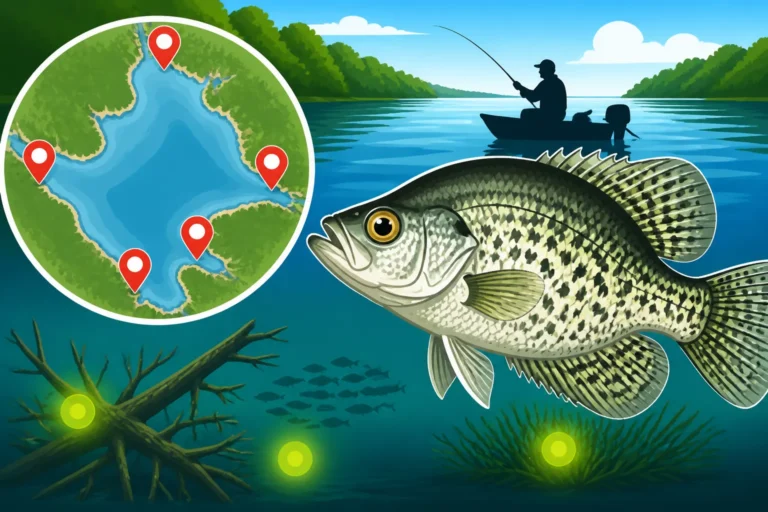
Norris Lake is a Tennessee Valley Authority (TVA) reservoir, formed by the impoundment of the Clinch River and Powell River. Its immense size – over 800 miles of shoreline and nearly 34,000 acres of water – means there's a vast amount of diverse habitat. You'll find everything from sheer rock bluffs that drop into hundreds of feet of water, to gradually sloping gravel points, large creek arms, and even submerged timber left over from when the lake was formed. This diversity is both a blessing and a curse; while it offers endless possibilities for bass, it also requires anglers to be versatile and adaptable. The deep, clear nature of Norris means bass often relate to structure and depth differently than they might in a stained, shallower lake. Finding those transitions from deep to shallow, or areas with cover like brush piles or stump fields, is paramount. If you're looking for an overall understanding of the area, our comprehensive Norris Lake Fishing Guide, Tennessee's Clearest Water provides an excellent overview.
Key Bass Species in Norris Lake
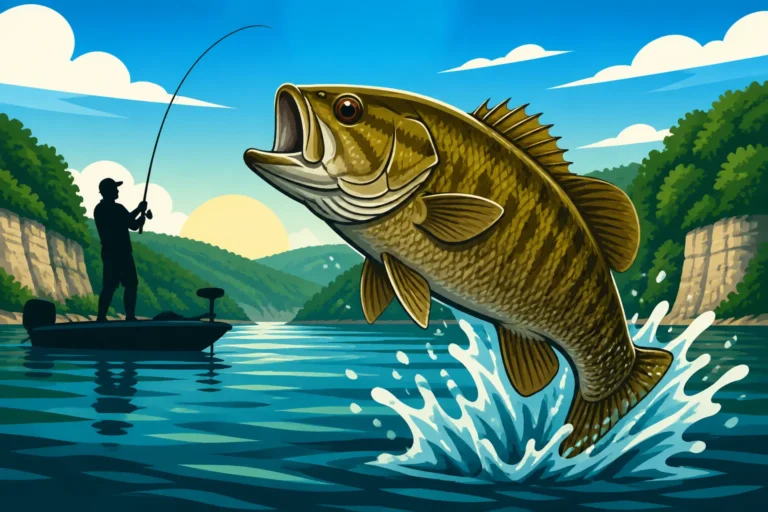
Norris Lake is home to several popular bass species, each with its own preferences and patterns. The most sought-after are largemouth, smallmouth, and spotted bass. Largemouth bass tend to prefer areas with more cover, like submerged timber, brush piles, or weed lines in the shallower creek arms. They often hide in ambush points, waiting for unsuspecting prey. Smallmouth bass, on the other hand, are the undisputed kings of the clear, rocky, deep waters of Norris. They thrive on rocky points, humps, bluffs, and around main lake structure. Often referred to as "brown fish," they put up an incredible fight and are a favorite target for many local anglers. Spotted bass are also prevalent, often found in similar habitats to smallmouth but sometimes venturing into slightly deeper or more open water. Understanding the nuances of these different species and their preferred haunts is crucial for success on Norris Lake. Knowing their general tendencies helps you choose the right baits and locations.
Top Bass Fishing Spots on Norris Lake
While bass can be found throughout Norris Lake, certain areas consistently produce more and larger fish due to their ideal habitat and forage opportunities. These hotspots are where many local experts and seasoned tournament anglers focus their efforts.
The Clinch River Arm and its Tributaries
The Clinch River arm of Norris Lake, particularly from the dam upstream, is a prime area for all three bass species. This section features significant current, deep channels, and a mix of rocky banks and submerged timber. The constant flow from the river brings nutrients and baitfish, making it a productive feeding ground. Anglers often find success by targeting the main river channel, especially around submerged points and humps that break the current. Tributaries emptying into the Clinch River arm, such as Big Creek, also offer fantastic fishing. These creeks can have shallower, warmer water in the spring, making them ideal for prespawn and spawning largemouth bass, while smallmouth will lurk on the deeper ledges and points near the creek mouths. Look for areas where brush piles have been placed, or natural rock outcroppings provide ambush points.
Big Creek and its Productive Waters
Big Creek, located on the northern side of Norris Lake, is renowned as one of the most productive bass fishing areas on the entire lake. This expansive creek arm offers a diverse range of habitats, making it appealing to both largemouth and smallmouth bass. The lower sections of Big Creek feature deep, clear water with steep rocky banks, perfect for smallmouth. As you move further upstream, the water often becomes slightly stained, and you'll encounter more timber, stump fields, and shallower flats that attract largemouth. During the spring, the numerous coves and pockets within Big Creek become key spawning grounds, with bass moving up onto gravel beds. In the warmer months, bass will retreat to deeper creek channels and brush piles. Many local tournament winners have attributed their success to knowing the ins and outs of Big Creek, making it a must-visit spot.
Loyston Sea and the Lower Lake Basins
The area known locally as the "Loyston Sea," located in the lower section of Norris Lake, offers massive open water with significant depth and structure. This region is a smallmouth haven, characterized by long, tapering points, deep humps, and steep bluffs. The main lake basins here provide cooler, oxygen-rich water even in the height of summer, attracting baitfish and the smallmouth that feed on them. Look for prominent points that extend far into the lake, as these often hold schools of smallmouth. Deep diving crankbaits, spoons, and drop shot rigs are particularly effective when targeting these fish. Anglers willing to brave the deeper waters and use their electronics to locate subtle underwater structures will often be rewarded with quality smallmouth catches in this part of the lake. Booking a trip through a platform like FishingBooker can sometimes connect you with guides who specialize in these deep-water techniques.
Hidden Coves and Structures in the Upper Reaches
Don't overlook the myriad of smaller coves, pockets, and feeder creeks in the upper reaches of Norris Lake, especially those feeding into the Powell River arm. While the main lake gets a lot of attention, these less-pressured areas can hold significant numbers of bass, particularly largemouth. These spots often have more shallow-water cover, such as fallen trees, isolated stump fields, and occasional patches of sparse grass (though grass beds are less common on Norris due to its fluctuating water levels and clear water). The key here is exploration and patience. Using your side-imaging sonar can help you identify submerged timber or rock piles that aren't visible from the surface. In the spring, these shallower coves warm up faster, drawing bass in for their annual spawn. During other seasons, bass will use these areas for feeding, especially during low-light conditions or after a cold front.
Seasonal Bass Fishing Strategies for Norris Lake
Just like any fishery, the behavior of bass on Norris Lake changes dramatically with the seasons. What works in spring won't necessarily work in summer, and adapting your approach is critical for consistent success. Our Tennessee Bass Fishing Seasons and Patterns guide offers a broader perspective, but here we'll dive into Norris-specific tactics.
Springtime Spawn and Pre-Spawn Tactics
As water temperatures begin to rise in early spring (typically late March through May), bass on Norris Lake start to move from their deeper wintering grounds toward shallower spawning areas. This "pre-spawn" period is one of the most exciting times to fish, as bass are actively feeding to bulk up for the spawn. Look for them staging on secondary points, rocky shelves, and submerged humps near the mouths of major creek arms like Big Creek or the Clinch River tributaries. Crankbaits, jerkbaits, and spinnerbaits can be highly effective during this stage. As the water warms further, bass will move into protected coves and shallow pockets to spawn. During the actual "spawn," target visible beds with soft plastics like wacky-rigged worms or jigs. Post-spawn bass can be a bit trickier, as they recuperate, but they'll often be found near deeper cover adjacent to their spawning grounds. For more specific insights, check out our guide on How to Fish for Bass in Spring.
Summer Deep-Water Patterns
Norris Lake's clear water and substantial depth mean that as summer temperatures soar (June through August), bass, especially smallmouth and spotted bass, will retreat to deeper, cooler, and more oxygenated waters. This is often the time to employ deep-water techniques. Look for bass relating to main lake points, humps, ledges, and deep bluff walls. Electronics become your best friend here, as you'll need to locate schools of baitfish and the bass feeding on them. Popular baits include drop shot rigs, jigging spoons, shaky heads, and deep-diving crankbaits. Early morning and late evening can still produce fish in shallower pockets, but mid-day usually requires targeting fish in 20-50 feet of water. Understanding how to fish for bass in the heat of summer can be a game-changer on Norris.
Fall Transition and Feeding Frenzies
Fall (September through November) is another fantastic time to fish Norris Lake for bass. As water temperatures cool, bass become more active and start migrating from their deep summer haunts back towards shallower feeding grounds. This "fall turnover" can create aggressive feeding frenzies as bass gorge themselves in preparation for winter. Look for bass chasing baitfish (shad and alewives are key forage on Norris) in the backs of creeks, on main lake points, and around submerged brush. Topwater lures can be incredibly effective during low-light conditions, as can spinnerbaits, crankbaits, and jerkbaits fished around schooling bait. The changing colors of the leaves reflecting on the clear water make for a beautiful backdrop to some of the most exciting bass fishing of the year. Our article on How to Catch Bass in Fall provides even more detailed strategies for this productive season.
Winter Lulls and Vertical Jigging
Winter fishing on Norris Lake (December through February) can be challenging due to cold water temperatures, but it can also produce some of the biggest bass, especially smallmouth. Bass will generally congregate in deep water, often suspending over the main lake channel or relating to very deep points and humps. They become sluggish, and their metabolism slows down, requiring a much slower, more subtle presentation. Vertical jigging spoons, blade baits, and slow-rolled finesse jigs are often the most productive. Locating schools of baitfish with your electronics is paramount, as the bass will be close by. Patience is key, as bites can be few and far between, but the quality of fish can be exceptional. Learning specific Winter Bass Fishing Techniques for Norris will improve your odds during the colder months.
Essential Gear and Techniques for Norris Lake Bass
To consistently catch bass on Norris Lake, you need the right tools and a grasp of the techniques that are most effective in its unique environment.
Rods, Reels, and Line Choices
Given the diversity of techniques required for Norris Lake, a versatile rod and reel setup is beneficial. For deep-water presentations like drop-shotting or shaky heads, a sensitive spinning rod (6'6" to 7' medium-light to medium action) paired with a 2500-3000 series spinning reel spooled with 8-10 lb fluorocarbon or braided line with a fluorocarbon leader is ideal. For casting crankbaits, spinnerbaits, or jigs, a 7' medium-heavy baitcasting rod paired with a high-speed baitcasting reel (7.1:1 or higher) spooled with 12-17 lb fluorocarbon line works wonders. Consider a moderate-action rod for crankbaits to allow for better hook sets. For more details on specific setups, our guide on Best Rods for Largemouth Bass and Best Baitcasting Reels for Bass Anglers can provide excellent recommendations. The clarity of Norris Lake's water often makes fluorocarbon line a preferred choice due to its low visibility.
Baits and Lures That Get Bites
Norris Lake bass have a varied diet, and your lure selection should reflect that. For smallmouth and spotted bass, especially in deeper water, consider:
- Drop Shot Rigs: Often rigged with small finesse worms or creature baits, perfect for vertical presentations.
- Jigging Spoons/Blade Baits: Excellent for fish suspended over deep structure.
- Shaky Heads/Finesse Jigs: Imitate crawfish or baitfish, effective when bass are finicky.
- Deep Diving Crankbaits: Mimic shad and alewives, great for covering water along deep points and ledges.
For largemouth bass, particularly in areas with cover or during the spawn:
- Jigs: Flipping jigs into brush piles or pitching football jigs on rocky bottoms.
- Spinnerbaits/Chatterbaits: Effective for covering shallow to medium depths around cover.
- Wacky Rigs/Texas Rigs: Soft plastics like worms or creature baits, great for subtle presentations near structure.
- Topwater Lures: Poppers, walk-the-dog baits, and buzzbaits can be explosive during low light conditions or in calm waters.
Boat and Electronics Recommendations
Fishing Norris Lake effectively, especially for deep-water bass, almost necessitates a boat equipped with good electronics. A quality bass boat or multi-species boat with a powerful trolling motor and at least one good fish finder is essential. Side-imaging and down-imaging sonar are incredibly valuable for locating submerged brush piles, rock formations, and schools of baitfish and bass that might not be visible with traditional 2D sonar. GPS capabilities are also crucial for marking waypoints, navigating the lake's vastness, and returning to productive spots. High-definition mapping chips can also provide invaluable detail on depth contours and bottom composition. Before heading out, many anglers find it useful to check services like FishingBooker to scope out local guides and see what kind of boats and gear they're running, which can offer clues about effective setups.
Here's a quick reference table for some top spots and techniques on Norris Lake:
| Fishing Spot / Area | Primary Bass Species | Best Seasons | Key Techniques | Recommended Baits/Lures |
|---|---|---|---|---|
| Clinch River Arm | Smallmouth, Largemouth | Spring, Fall, Winter | Jigging, Deep Cranking, Finesse | Jigs, Deep Crankbaits, Drop Shot, Blade Baits |
| Big Creek | Largemouth, Smallmouth | Spring, Fall | Flipping, Casting, Shallow Cranking, Finesse | Jigs, Spinnerbaits, Wacky Worms, Shallow Crankbaits |
| Loyston Sea | Smallmouth | Summer, Winter | Deep Jigging, Drop Shot, Vertical Jigging | Jigging Spoons, Drop Shot Worms, Shaky Heads |
| Upper Powell River Arms | Largemouth | Spring, Fall | Pitching, Topwater, Shallow Cranking | Jigs, Texas Rigs, Topwater Poppers, Spinnerbaits |
| Main Lake Points/Humps | Smallmouth, Spotted | Year-Round | Deep Cranking, Drop Shot, Swimbait | Deep Crankbaits, Drop Shot, Underspins |
Navigating Norris Lake Successfully
Successfully navigating Norris Lake is about more than just finding the right spots; it's also about knowing how to get there safely and what to expect from Mother Nature.
Boat Ramps and Access Points
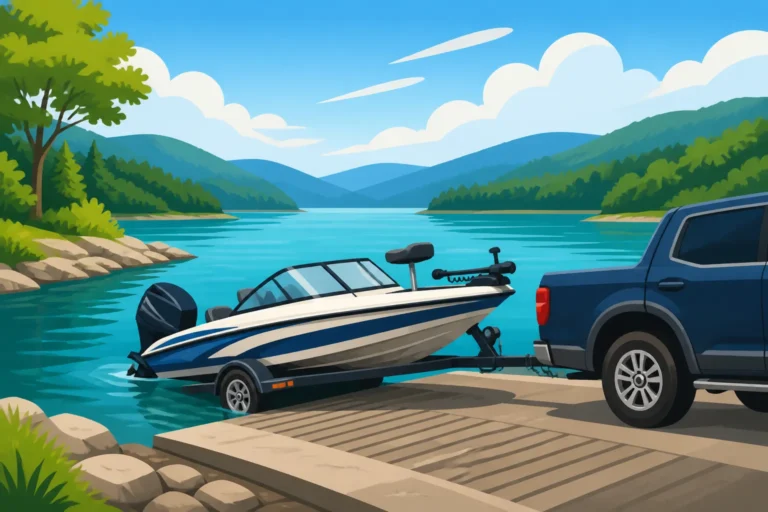
Norris Lake boasts numerous public and private boat ramps, ensuring good access to most parts of the lake. Popular public ramps include those at Norris Dam State Park, Big Ridge State Park, Loyston Point, and various TWRA (Tennessee Wildlife Resources Agency) facilities. It's always a good idea to check the water levels before heading out, as some ramps can become less accessible during periods of low water, especially in the late fall and winter. Most main lake ramps are well-maintained and suitable for larger bass boats, while some of the smaller, more remote ramps might be better suited for smaller vessels. Understanding your options for boat ramp access on Tennessee's major lakes can save you a lot of time and hassle, particularly during peak fishing seasons.
Weather Considerations and Safety
Norris Lake's expansive nature means that weather can change rapidly and dramatically, especially considering its location in the foothills of the Appalachian Mountains. Clear, calm mornings can quickly give way to strong winds and rough water, making navigation challenging and potentially dangerous. Always check the local weather forecast before heading out, and be prepared for sudden changes. High winds can make boat control difficult, particularly for anglers trying to maintain position over a deep-water structure. Furthermore, the clear water, while beautiful, can lead to increased sun exposure, so always wear appropriate sun protection. Always have all necessary safety gear, including life jackets, a throwable flotation device, and a fully charged cell phone. Staying informed and prepared is key to a safe and enjoyable day on the water.
Conserving Norris Lake's Bass Fishery
As anglers, we all share a responsibility to protect and preserve the incredible natural resources that Tennessee offers. Practicing good conservation habits ensures that Norris Lake remains a premier bass fishing destination for generations to come.
Catch and Release Practices
While it's always fun to bring home a few fish for a meal, practicing catch and release, especially for larger bass, is vital for maintaining healthy fish populations in Norris Lake. Bass, particularly trophy-sized largemouth and smallmouth, are invaluable to the lake's genetics and overall fishery health. When you do catch a fish you intend to release, handle it with care. Minimize its time out of the water, use wet hands to avoid removing its protective slime coat, and revive it gently before letting it go. Proper handling increases its chances of survival and ensures that another angler, or even you, can enjoy catching it again someday. Many tournament anglers on Norris Lake exclusively practice catch and release, helping to sustain the quality of the fishery.
Understanding Regulations and Limits
To contribute to conservation and avoid potential penalties, it's absolutely essential to understand and abide by all Tennessee fishing regulations. This includes statewide bass limits, but also any lake-specific rules that might override general guidelines. For instance, while the Statewide Bass Limits for Tennessee Anglers provide a baseline, Norris Lake might have specific length or creel limits for certain species at different times of the year. Always consult the current Tennessee Fishing Guide, available from the TWRA website or at local bait shops, before your trip. Knowing the rules, like if you need a specific permit for trout fishing if you accidentally hook one, is part of responsible angling. Make sure your Tennessee Fishing License Guide is up-to-date and easily accessible, whether digitally or as a printed copy.
Disclaimer
Please note that fishing conditions, regulations, and fish behavior can change rapidly. Always consult the latest Tennessee Wildlife Resources Agency (TWRA) regulations and local advisories before heading out on the water. This guide is for informational purposes only and does not guarantee fishing success.