Best Bass Fishing Spot on Chickamauga Lake, Tennessee
Trying to pinpoint the "best" bass fishing spot on a lake as vast and productive as Chickamauga Lake can feel like searching for a needle in a haystack—a really big, beautiful haystack teeming with trophy fish, mind you! It’s easy to get overwhelmed by the sheer size and the endless possibilities. This guide is here to cut through the confusion and steer you toward the most consistently fruitful areas and strategies that have cemented Chickamauga's reputation as a true bass fishing paradise in Tennessee.
Why Chickamauga Lake is a Bass Haven
Chickamauga Lake, a sprawling reservoir on the Tennessee River, isn't just another body of water; it's a living legend in the bass fishing world. For years, anglers have flocked here, drawn by whispers of monstrous largemouth bass and the tangible proof of state records being shattered. Its unique combination of nutrient-rich waters, diverse habitat, and excellent management by the Tennessee Wildlife Resources Agency (TWRA) creates an environment where bass not only survive but thrive.
The Reputation and Records
When you hear "Chickamauga," serious bass anglers immediately think of big fish. This lake has consistently ranked among the top bass fisheries in the nation, often topping lists from major fishing publications. It's not uncommon for professional tournaments like those hosted by Bassmaster or Major League Fishing to visit Chickamauga, and time and again, it delivers eye-popping weights. We're talking about multiple 30-pound bags for five fish and individual catches pushing well into the double digits. In fact, it holds the current state record for largemouth bass, a colossal 15-pound, 3-ounce beast caught in 2015. This kind of history isn't just luck; it's a testament to the lake's incredible capacity to grow truly giant bass. The allure of catching your personal best, or even a fish that rivals the state record, is a huge part of why so many anglers consider Chickamauga a bucket-list destination. Many anglers even consult platforms like FishingBooker to find experienced local guides who can put them on these record-breaking fish.
Habitat and Forage Richness
The secret to Chickamauga's success lies in its incredibly rich and varied habitat. Imagine a buffet for bass, available year-round. The lake is famous for its abundant aquatic vegetation, particularly hydrilla and milfoil, which grow in dense mats across vast flats. These submerged jungles provide perfect ambush points for bass, offering cover from predators and shade from the sun. They're also prime real estate for baitfish. Beyond the grass, Chickamauga features an intricate network of offshore ledges, humps, creek channels, and main river points – all crucial structural elements that bass relate to at different times of the year.
This diverse structure is complemented by an incredibly rich forage base. Shad, bluegill, and various other baitfish species are plentiful, providing a constant food source that allows bass to grow quickly and to impressive sizes. The presence of current from the Tennessee River also plays a significant role, moving bait and nutrients, and often concentrating bass in predictable areas. It's this perfect storm of habitat, forage, and current that makes Chickamauga an ecological powerhouse for growing trophy bass. Understanding Chickamauga Lake's Reputation for Record Bass helps you appreciate why fishing here is such a unique experience.
Identifying the Prime Bass Fishing Areas on Chickamauga
While Chickamauga is productive throughout, certain types of areas consistently hold more bass, especially the larger ones. Knowing what to look for and where to focus your efforts is key to success.
Key Structural Elements and Cover
When you're out on Chickamauga, you're looking for specific features that act as magnets for bass.
- Offshore Ledges: These are perhaps the most famous and productive features on Chickamauga, especially once the water warms up. The old Tennessee River channel and its numerous tributary channels wind through the lake, creating distinct depth changes or "ledges." Bass will gang up on these ledges, particularly where they feature shell beds, stumps, or rock piles. They use these depth changes to ambush schooling baitfish moving up and down the water column. You'll often find bass sitting anywhere from 15 to 30 feet deep, sometimes even deeper. Learning to effectively fish these ledges with deep-diving crankbaits, large football jigs, or even big spoons can unlock incredible catches.
- Aquatic Grass Beds: The vast mats of hydrilla and milfoil are synonymous with Chickamauga bass fishing. These grass beds aren't uniform; they have edges, holes, and varying heights. Bass will live in the grass, on its edges, and underneath the thickest mats. Flipping jigs and heavy Texas-rigged soft plastics into dense grass, or throwing bladed jigs and swimbaits along the edges, can be incredibly effective. The grass offers cover, cooler water in summer, and a buffet of smaller organisms that attract baitfish. The north end of the lake, particularly the areas around Harrison Bay and the mouths of larger creeks like Sale Creek and Possum Creek, are well-known for their extensive grass flats.
- Points and Humps: Any submerged point that extends into a creek channel or the main river, or any isolated hump on a flat, can be a prime holding area for bass. These features act as funnels, directing baitfish and providing current breaks. Bass will stage on these points, especially during migration periods like the pre-spawn and post-spawn. Fishing these areas with crankbaits, spinnerbaits, or shaky heads can yield great results, depending on the depth and cover present.
- Laydowns and Docks: Don't overlook the shallower, visible cover. Fallen trees (laydowns) along creek banks or main lake shores offer immediate cover and shade. Docks, particularly those with brush piles sunk nearby, are excellent targets. Bass love to hold tight to these structures, especially on sunny days or during the spawn. Flipping jigs, pitching senkos, or skipping wacky-rigged worms under docks can be very effective here.
Navigating the Popular Hotspots
While there isn't one single "best" spot that stays hot all the time, certain general areas of Chickamauga consistently produce big bass year after year due to their combination of these key structural elements.
- The Lower Lake (Near Chickamauga Dam): This section of the lake is characterized by deeper water, clearer conditions, and pronounced offshore ledges. It's a prime area for deep cranking, jigging spoons, and fishing football jigs on structure. The current here can be significant, which often concentrates bait and bass. Areas like the main lake ledges stretching towards the dam or deeper points near major creek mouths are popular targets.
- The Mid-Lake Section (Around Harrison Bay and Chester Frost Park): This is where you'll find some of the most extensive and famous grass beds. Harrison Bay is a massive area known for its diverse depths and abundant vegetation, making it a hotspot for flipping, punching, and throwing bladed jigs. The area around Chester Frost Park also offers good access to both grass and some excellent channel swings. During the spawn, shallower protected pockets in these areas become critical.
- The Upper Lake (Above Soddy-Daisy): As you move further north, the lake takes on more riverine characteristics. The water tends to be shallower and can have more current and turbidity, especially after heavy rains. This area is fantastic for fishing current breaks, shallow grass lines, and laydowns in the spring and fall. Spinnerbaits, ChatterBaits, and squarebill crankbaits shine here. Tributary arms like Sale Creek and Piney Creek offer a mix of grass, channel swings, and flooded timber that can be very productive.
It's not just about finding a named spot, but understanding why that spot is good. For example, if you're looking for The Tennessee Trout Season Split Explained: March to September vs October to February, you'd look for different water bodies altogether. For bass on Chickamauga, it's about connecting the dots between structure, cover, and current.
Utilizing Technology and Local Knowledge
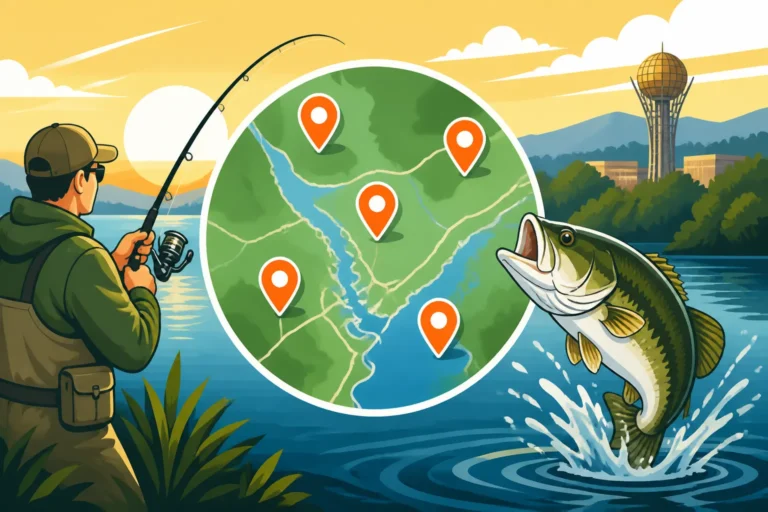
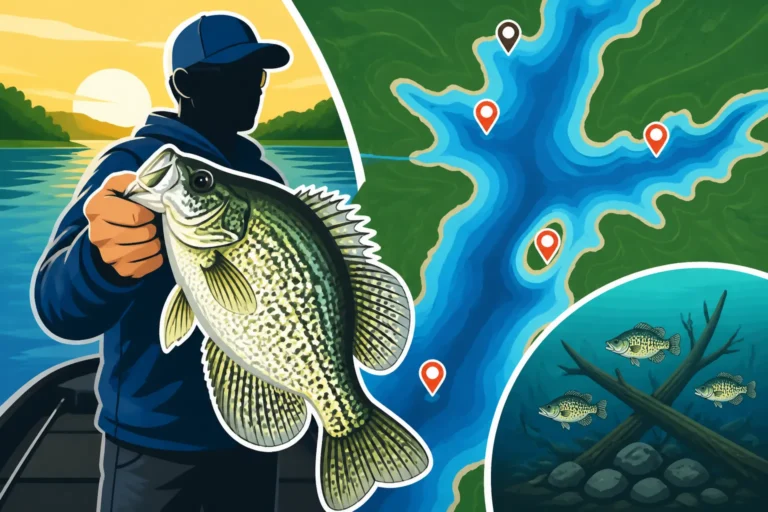
In a lake as complex as Chickamauga, modern electronics are almost a necessity. High-definition side-imaging and down-imaging sonar can help you quickly identify those subtle depth changes, isolated stumps on a ledge, or hidden pockets within a grass flat that hold fish. GPS mapping, often integrated into your fish finder, is invaluable for marking productive spots and navigating safely. Brands like Humminbird with their LakeMaster maps or Lowrance with Navionics offer highly detailed charts of Chickamauga.
Don't underestimate the power of local knowledge, either. Before heading out, stop by a local tackle shop in Chattanooga or Hixson. They're often treasure troves of up-to-the-minute information on what baits are working, water conditions, and where the fish are biting. Or, consider booking a trip with a local guide through a platform like FishingBooker. A guide can teach you more in one day than you might learn in weeks of trial and error, showing you exactly how to approach Tennessee's Top Bass Fishing Lakes. They know the nuances of How Water Temperature Affects Bass Feeding on this specific body of water.
Seasonal Bass Fishing Strategies for Chickamauga Lake
Bass patterns on Chickamauga aren't static; they shift dramatically with the seasons. A technique that worked wonders in spring might be useless in summer. Adapting your approach is crucial for consistent success. You can dive deeper into these seasonal changes by understanding Tennessee Bass Fishing Seasons and Patterns.
Spring Spawn and Post-Spawn Tactics
Spring is arguably the most anticipated time for bass anglers on Chickamauga. As water temperatures climb into the 50s and 60s, bass begin their annual migration from deep wintering grounds to shallower spawning areas.
- Pre-Spawn (Water Temps 50-60°F): This is when bass are gorging themselves, preparing for the spawn. They'll often stage on secondary points, channel swings, and the edges of grass beds near spawning flats. Deep-diving crankbaits in crawfish patterns, lipless crankbaits, and bladed jigs like a Z-Man ChatterBait are deadly as bass move up. You're looking for aggressive feeders. Understanding Bass Spawn Timing in Tennessee Lakes is critical here.
- Spawn (Water Temps 60-70°F): Once the water hits the sweet spot, bass move to shallow, protected pockets, coves, and main lake banks with hard bottoms to bed. Sight fishing becomes popular for visible beds, using soft plastics like a Texas-rigged creature bait or a wacky-rigged Senko. For bass you can't see, flipping jigs and pitching soft plastics into dense cover like bushes, laydowns, and thick grass mats can entice strikes from bedding fish or those guarding fry.
- Post-Spawn (Water Temps 70+°F): After the rigors of spawning, bass are often exhausted and scattered. They may move to slightly deeper cover near spawning areas or start migrating towards their summer haunts. Topwater lures, spinnerbaits, and jerkbaits can be effective for aggressive, recovering bass, especially during low light conditions. The early post-spawn can be a tough bite, but as they recover, fish will often school up on bait, providing exciting action. You'll want to review Pre-Spawn and Post-Spawn Bass Fishing Patterns to refine your approach.
Summer Heat and Deep Water Action
When the scorching Tennessee summer hits, and water temperatures climb into the 80s, many bass on Chickamauga move offshore to deeper, cooler water, often congregating on ledges and humps.
- Offshore Ledges and Humps: This is the prime time for fishing those legendary Chickamauga ledges. Deep-diving crankbaits (like a Strike King 6XD or 10XD) in shad or bream patterns are a go-to. Large football jigs, Carolina rigs with creature baits, and big flutter spoons are also incredibly effective for targeting bass schooling on deep structure. Focus on areas where the current pushes bait along the ledge or where isolated cover exists. Fishing this deep structure requires patience and good electronics. You can also explore How to Fish for Bass in Summer Heat to learn more.
- Early Morning Topwater: While most fish are deep, the very early morning hours or late evenings can offer thrilling topwater action, especially around grass edges or main lake points. Walking baits (like a Heddon Super Spook) and popping frogs can draw explosive strikes. This bite typically fades quickly as the sun gets high.
- Punching Mats: For those who love heavy tackle, summer is prime time for punching through dense hydrilla and milfoil mats. Use heavy tungsten weights (1-1.5 oz), strong braided line, and robust flipping jigs or creature baits to penetrate the thick canopy where bass seek shade and cooler temperatures. This is often a shallow water pattern that defies the deep-water stereotype of summer bass.
Fall Feeding Frenzy
As temperatures cool in autumn, bass sense the approaching winter and embark on a serious feeding spree, often chasing vast schools of baitfish.
- Following the Bait: Fall bass fishing on Chickamauga is often about finding the bait. Shad will move into creeks and backs of pockets, and bass will follow. Topwater lures, jerkbaits, and squarebill crankbaits can be incredibly effective when bass are actively schooling and busting bait on the surface or just below.
- Transition Areas: Bass will move from their deep summer haunts towards shallower, creek arm areas as baitfish push up. Focus on points, channel swings within creeks, and main lake flats adjacent to deep water. Bladed jigs, spinnerbaits, and medium-diving crankbaits are great choices for covering water and finding active fish. How to Catch Bass in Fall provides more in-depth strategies.
- River Current: Pay attention to the Tennessee River current flow. When current is running, bass will often position themselves on current breaks or eddies, ready to ambush bait. Fishing the heads and tails of islands, or the mouths of creeks where current creates seams, can be highly productive.
Winter Pattern Adjustments
Winter on Chickamauga can be tough, but it can also offer some incredible opportunities for big bass for those willing to brave the cold and slow down their presentation.
- Deep Main Lake Structure: Bass will retreat to deeper water, often holding tight to main lake points, humps, and channel swings, particularly those with hard bottom or isolated cover. Vertical presentations become key. Large jigging spoons, slow-rolled football jigs, and suspending jerkbaits (twitched slowly) are effective for lethargic bass.
- Alabama Rigs: The Alabama Rig (or A-Rig) has become a staple for winter bass on Chickamauga. Rigged with small swimbaits, it mimics a school of baitfish and can draw strikes from inactive fish. This is especially effective on main lake points, humps, and secondary channel swings.
- Patience is Key: The bites in winter are often subtle, and presentations need to be painfully slow. Focus on high-percentage areas and be prepared to make many casts for a few bites. However, those bites often come from truly giant bass that are still feeding, albeit sparingly. Check out Winter Bass Fishing Techniques for more tips.
Here's a quick overview of seasonal approaches:
| Season | Primary Bass Location | Key Lure Types | Go-To Techniques |
|---|---|---|---|
| Spring | Shallow spawning flats, secondary points, grass edges | Deep/Lipless Crankbaits, Jigs, Soft Plastics, Spinnerbaits | Flipping, Pitching, Cranking, Sight Fishing |
| Summer | Offshore ledges, humps, deep grass mats | Deep Crankbaits, Football Jigs, Spoons, Heavy Flipping Jigs | Deep Cranking, Vertical Jigging, Punching Mats |
| Fall | Creek mouths, main lake points, schooling bait areas | Topwater, Jerkbaits, Spinnerbaits, Squarebill Crankbaits | Covering Water, Schooling Fish, Cranking |
| Winter | Deep main lake points, humps, channel swings | Jigging Spoons, Football Jigs, Suspending Jerkbaits, A-Rigs | Slow Rolling, Twitching, Vertical Jigging |
Essential Gear and Techniques for Chickamauga Bass
To consistently catch bass on Chickamauga, having the right tools for the job is paramount. The diverse fishing scenarios demand a versatile tackle selection.
Recommended Rods, Reels, and Line
Given the variety of techniques required, you’ll likely need several rod and reel setups.
- Flipping and Punching: For those dense grass mats, a heavy or extra-heavy action casting rod (7'6" to 8'0") paired with a high-speed baitcasting reel (8.1:1 or higher gear ratio) is essential. Spool up with 50-65 lb braided line to cut through vegetation and horse fish out.
- Deep Cranking and Jigging: A medium-heavy to heavy action casting rod (7'0" to 7'11"), often with a moderate-fast or moderate action for crankbaits to absorb the shock of hard-pulling lures. A slower gear ratio baitcasting reel (5.0:1 to 6.4:1) is ideal for powerful deep cranks. For jigs, a faster action reel is usually preferred. Use 12-20 lb fluorocarbon line for sensitivity and abrasion resistance.
- All-Around/Spinnerbaits/ChatterBaits: A versatile medium-heavy action casting rod (6'10" to 7'4") with a medium-speed baitcasting reel (6.4:1 to 7.1:1) will handle a wide range of moving baits and general presentations. Fluorocarbon or a high-quality monofilament (14-17 lb) works well here.
- Finesse/Shaky Heads/Dropshots: A medium-light to medium action spinning rod (6'6" to 7'2") with a matching spinning reel (2500-3000 size) is crucial for delicate presentations. Use 8-10 lb braided line as your main line, with an 8-12 lb fluorocarbon leader for stealth and sensitivity.
- Line Choice: Braided line is excellent for punching and pitching in heavy cover due to its strength and lack of stretch. Fluorocarbon is preferred for most other casting applications due to its invisibility, sensitivity, and abrasion resistance. Monofilament can be useful for topwater lures (it floats) or certain crankbaits where stretch is desired. Always consider the situation; for instance, Best Rods for Largemouth Bass will differ if you're targeting heavy cover versus open water.
Top Lures and Baits for Chickamauga
Chickamauga bass aren't overly picky, but certain baits consistently produce.
- Deep-Diving Crankbaits: Absolutely essential for offshore ledge fishing in summer and fall. Brands like Strike King (6XD, 10XD) and Berkley (Dredger) are popular. Colors depend on water clarity and forage, but shad, chartreuse, and crawfish patterns are staples.
- Jigs: Football jigs for deep structure, pitching jigs for docks and laydowns, and heavy flipping jigs for grass mats are all critical. Black and blue, green pumpkin, and shad patterns are reliable.
- Soft Plastics: Texas-rigged worms (Zoom Ol' Monster, Magnum Trick Worm), creature baits (Reaction Innovations Sweet Beaver), and Senkos (Gary Yamamoto) are perennial favorites. Don't forget shaky heads and dropshot worms for finesse presentations.
- Bladed Jigs (ChatterBaits): These are incredibly effective year-round, especially along grass lines, over sparse grass, or around shallow cover. Z-Man ChatterBaits are the original and still a top choice.
- Spinnerbaits: Great for covering water, especially in the spring and fall, around grass edges, shallow cover, or in stained water.
- Topwater Lures: Walking baits, poppers, and frogs provide exciting blow-ups, particularly during low light conditions or when bass are feeding on the surface.
- Swimbaits: Both soft-plastic paddle-tail swimbaits (like Keitech Swing Impact FAT) and larger hard-bodied swimbaits can entice trophy bass. The Alabama Rig is essentially a multi-swimbait rig.
- Spoons: Large flutter spoons (Ben Parker Magnum Spoon) are incredibly effective for offshore ledge bass, especially when they're schooling on bait.
For those planning a trip, considering a guided experience through FishingBooker can provide insights into specific lure choices and techniques that are currently performing best. Guides are experts at understanding Best Bait for Chickamauga Lake Tennessee Trophy Bass in Spring.
Boating and Safety Considerations
Navigating Chickamauga Lake requires attention, especially if you're not familiar with it.
- Boat Size: For a lake of this size, particularly if you plan to fish the main lake or in windy conditions, a robust bass boat or a larger multi-species boat is advisable. You might find a discussion on Best Bass Boats for Chickamauga Lake helpful.
- Watch the Weather: Weather can change rapidly in Tennessee. Always keep an eye on forecasts and be prepared for sudden storms or high winds, which can make the main lake very rough.
- Navigation Hazards: While generally well-marked, be aware of submerged stumps, especially in the upper reaches or shallower creek arms. Always use caution, especially if venturing off the main channels.
- Life Jackets and Safety Gear: Always ensure you have enough U.S. Coast Guard-approved life jackets for everyone on board, and wear them, particularly when the boat is on plane or if you are in small craft like a kayak. Make sure you understand all Tennessee Life Jacket and PFD Rules for Boaters. Carry all required safety equipment, including a fire extinguisher, horn, and navigation lights for low light conditions. If you were born after January 1, 1989, you'll need to have a Tennessee Boating Safety Education Certificate Guide to operate a boat with a motor of 10 horsepower or more.
Chickamauga Lake offers an unparalleled bass fishing experience, a place where legends are made and dreams of trophy fish become reality. By understanding its unique characteristics, focusing on key structural elements, adapting your strategies to the seasons, and equipping yourself with the right gear, you'll be well on your way to discovering your own "best" bass fishing spot on this incredible Tennessee gem.
Disclaimer
The information provided in this guide is for general informational purposes only. Fishing conditions, regulations, and fish behavior can change rapidly. Always consult the latest Tennessee Wildlife Resources Agency (TWRA) regulations and local advisories before heading out on the water. Exercise caution and prioritize safety in all fishing and boating activities.