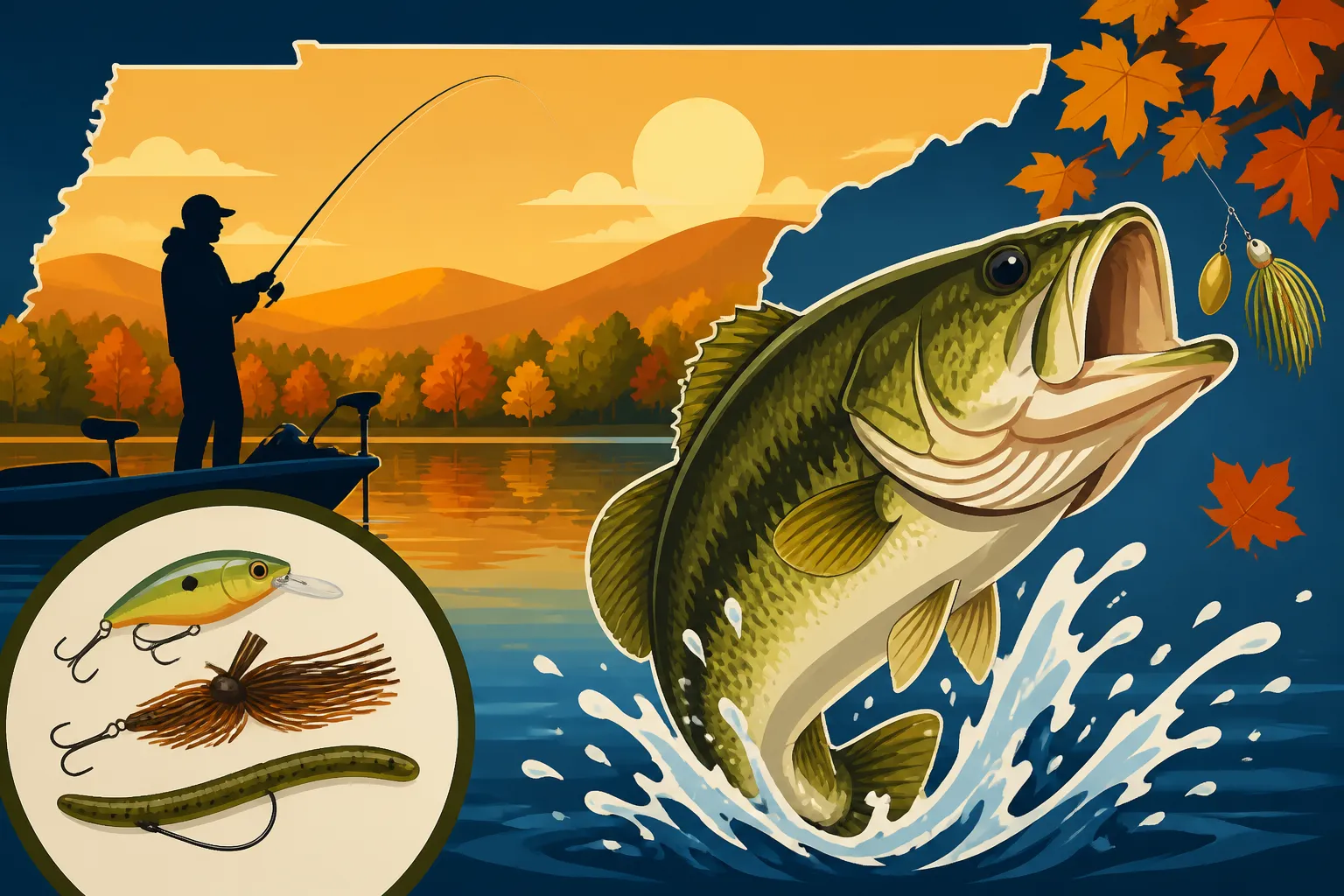
How to Catch Bass in Fall
As the scorching heat of summer finally gives way to crisp mornings and the vibrant tapestry of autumn leaves, many Tennessee anglers find their usual bass fishing strategies start to falter. That frustrating feeling of hitting your favorite summer spots only to come up empty-handed is all too common. The truth is, bass behavior changes dramatically in the fall, presenting unique challenges but also some of the most exciting and productive fishing opportunities of the year. This comprehensive guide is dedicated to helping you unlock the secrets of catching bass in the fall, offering insights into their shifting patterns, the best baits to use, and how to adapt your techniques for consistent success on Tennessee's incredible waters.
Understanding the Fall Transition and Bass Behavior
Fall isn't just a pretty backdrop for fishing; it's a period of significant change for bass, driven by cooling water temperatures and the "fall turnover." If you don't understand what's happening beneath the surface, you'll be constantly struggling to find fish.
The Seasonal Shift from Summer Patterns
Gone are the dog days of summer where bass might be locked down deep, seeking cooler, oxygen-rich water. As autumn progresses, the entire lake begins to cool down. This isn't an overnight switch; it's a gradual process that kicks off what's often referred to as the "fall feeding frenzy." Bass, like many other species, instinctively know that winter is coming, and they need to pack on the pounds. This means their metabolism starts to ramp up, and they become much more aggressive in their pursuit of food.
This shift means that the deep brush piles or submerged structure you targeted religiously in August might now be empty. Bass start to follow their primary forage, often shad or bluegill, from deeper summer haunts into shallower, more accessible areas. They become more active for longer periods of the day, making them more susceptible to a wider range of presentations. It's a fantastic time to be on the water, but it demands an acute awareness of these changing dynamics.
The Fall Turnover and Its Impact on Bass
One of the most critical, yet often misunderstood, phenomena in fall fishing is the "fall turnover." Imagine your lake as having distinct layers during summer: a warm, oxygenated top layer (epilimnion), a rapidly cooling middle layer (thermocline), and a cold, oxygen-depleted bottom layer (hypolimnion). As air temperatures drop in the fall, the surface water cools, becomes denser, and begins to sink. This colder, denser water displaces the warmer, lighter water below, causing it to rise. Eventually, the entire water column mixes, becoming a more uniform temperature and oxygen content from top to bottom.
This mixing process can temporarily disorient bass and scatter baitfish, making fishing tough for a few days to a week. The water might even look murky or have debris floating on the surface. However, once the turnover is complete, it equalizes the conditions, allowing bass and baitfish to move freely throughout the water column. Understanding when this typically occurs in your local lakes, often when surface temps hit the low 60s, can save you a lot of frustration. Post-turnover, oxygen levels are consistent, and fish aren't confined to specific temperature bands, which greatly influences where they might be found.
Identifying the Fall Feed and Migration
The "fall feed" is what every angler dreams of: aggressive bass chasing bait. This period is driven by the cooling water and the bass's natural instinct to bulk up. The key to unlocking this feed is often finding the baitfish. As the turnover completes and water temperatures continue to drop, shad and other forage species will often migrate from main lake basins into large creek arms and pockets. The bass are right on their tails, creating a visible "migration highway."
You'll often see active schools of baitfish flickering on the surface, or diving birds like gulls and loons picking off stunned shad. These are major indicators of where the bass will be. Sometimes, you'll even witness explosive surface activity – bass busting schools of bait, creating a commotion that's impossible to ignore. This active feeding window means bass are less concerned with subtle presentations and more focused on quantity. Their movements become more predictable, allowing you to intercept them along these migration routes, making it a prime time for power fishing techniques. You might even find them grouped up, making it possible to catch several fish from a single area once you locate them.
Prime Locations for Fall Bass in Tennessee
Once you understand why bass move in the fall, the next crucial step is knowing where to find them. Tennessee's diverse waterways, from the expansive Kentucky Lake to the clearer Norris Lake, offer a variety of habitats, but some areas consistently shine in autumn.
Targeting Shallow Water and Cover
As water temperatures cool, bass often push shallower, especially during the early to mid-fall period. This is partly due to baitfish being driven into these areas and partly because the sun can warm shallow water more quickly, making it attractive for active feeding. Look for shallow flats, riprap banks, and rocky points that lead into creek channels. These areas become excellent ambush points.
Within these shallow zones, focus on any available cover. Wood, especially laydowns or submerged logs, offers shade, concealment, and a place to ambush prey. Docks can also be phenomenal, particularly those with a bit of depth underneath or adjacent to a drop-off. Bass will often hold tight to the pilings, ready to dart out and grab a passing shad. Even sparse vegetation, if it's still green and healthy, can hold fish as it continues to produce oxygen and provides cover. Remember, sunlight penetration is still key, so sunny days can really light up these shallow areas, bringing bass to the forefront.
Finding Bass on Main Lake Points and Humps
While many bass move into creek arms, main lake points and humps that offer a quick deep-water escape remain critical fall structures. These are like staging areas or "rest stops" for bass migrating with the bait. Look for points that extend a good distance into the main lake, especially those with rock piles, stumps, or shell beds. These irregularities provide excellent ambush points.
Humps, which are essentially underwater islands, act similarly. Bass will position themselves on the top or sides of these humps, waiting for schools of baitfish to pass over. The best humps often have direct access to deep water on at least one side. These spots can be particularly productive after the initial fall turnover, when fish are a bit more scattered but still relating to structure. They can also hold larger, more experienced bass that prefer to stay closer to deeper water. Utilizing a good fish finder is incredibly helpful here to pinpoint subtle depth changes and bait schools.
Creek Arms and Feeder Creeks: A Fall Hotspot
Without a doubt, creek arms and the mouths of feeder creeks are the absolute superstars of fall bass fishing in Tennessee. As the main lake cools, baitfish will move in schools into these warmer, shallower, and often murkier tributaries. The bass, driven by their intense need to feed before winter, will follow them. This creates a massive migration, transforming these creeks into bustling highways of forage and predators.
Focus your efforts on the major creek arms that connect to the main lake. Within these creeks, look for secondary points, submerged creek channels, and any hard structure like bridge pilings or rock banks. The baitfish will be concentrated here, and so will the bass. The depth where you find them can vary, but generally, they'll be somewhere along the channel, often relating to bends or turns. Sometimes, the action will be hot at the very back of the creek, especially if there's a good influx of warmer, stained water. This is where you might find some of the most consistent and explosive fall action.
Top Baits and Lures for Autumn Bass Action
The aggressive nature of fall bass means you can often get away with more active presentations. However, having a versatile tackle box is crucial, as conditions can change quickly in autumn. Here's what to tie on.
Power Fishing with Crankbaits and Spinnerbaits
When bass are actively chasing shad and other baitfish, power fishing is the name of the game. Crankbaits are absolutely deadly in the fall. Deep-diving crankbaits are excellent for probing main lake points, humps, and the deeper sections of creek channels, imitating fleeing baitfish. Think about lipless crankbaits too, especially when you see baitfish busting the surface or want to cover shallow flats quickly. Their loud rattles and tight wobble can draw strikes from a distance. Medium-diving crankbaits are perfect for covering the 6-12 foot range in creek arms, especially around secondary points and bends. Look for baitfish patterns and vibrant colors that mimic shad or bluegill.
Spinnerbaits are another fall classic, particularly for targeting bass in and around cover in stained water. Their flashing blades and vibrating skirts are fantastic for drawing reaction strikes. They excel when fished around shallow wood, rock banks, and grass lines. Vary your retrieve speed – a slow-rolled spinnerbait can imitate a struggling baitfish, while a faster retrieve can trigger aggressive strikes. Consider tandem blade configurations (like Colorado and Willow leaf) to maximize flash and vibration. For anglers looking to stock up, a quick search on Amazon will show you an incredible variety of colors and sizes suitable for Tennessee's fall bass.
Finesse Presentations for Cooler Waters
While power fishing often dominates, there are days when bass can be finicky, especially after a cold front or as water temperatures dip into the low 50s. This is when finesse tactics become essential. Jig fishing, particularly with a football jig or a casting jig, can be incredibly effective around deeper structure like ledges, brush piles, or main lake humps. Tip it with a bulky trailer that adds action and scent. The slower, more methodical presentation of a jig can coax strikes from reluctant bass that are still feeding but not actively chasing.
Drop shot rigs are another excellent finesse option, allowing you to present a small plastic bait precisely at the depth where fish are holding. This is perfect for vertical presentations over deep structure or when fish are suspended. Small swimbaits on a light jig head can also be deadly, especially in clearer water. These subtle presentations mimic a slow-moving, vulnerable baitfish and can be key to unlocking bites when the bite is tough. Don't be afraid to slow down and really work an area thoroughly with these baits.
Live Bait and Soft Plastics for Finicky Fall Bass
Sometimes, nothing beats live bait, especially for those tougher fall days or for targeting larger, more cautious bass. Live shad, shiners, or even large minnows can be incredibly effective when suspended under a bobber around cover or slow-trolled along creek channels. The natural movement and scent of live bait are hard for even the most finicky bass to resist. This can be a game-changer if you're struggling to get bites on artificials.
Soft plastics remain a staple in any angler's arsenal, and fall is no exception. Texas-rigged or Carolina-rigged worms and creatures baits are fantastic for probing heavy cover or deeper points. The slower fall and subtle action can be just what a bass needs to commit. Flukes and swimbaits, either rigged weightless or on a jig head, are also highly effective, especially when bass are chasing bait near the surface or suspended. Their erratic, darting action perfectly imitates a distressed shad. For specific tips, check out our guide on how to fish a Texas Rig for Bass. Having a range of colors, from natural baitfish imitations to brighter, attention-grabbing hues, will ensure you're ready for any situation.
Here's a quick comparison of popular fall bass lures:
| Lure Type | Best Conditions | Target Depth | Retrieve Style | Pros | Cons |
|---|---|---|---|---|---|
| Deep Crankbait | Active fish, clear to stained water, post-turnover | 10-20+ feet | Steady retrieve with pauses, deflect off structure | Covers water quickly, triggers aggressive strikes | Can get snagged easily, retrieve speed-sensitive |
| Lipless Crankbait | Active fish, shallow flats, busting bait, windy days | 2-10 feet | Rip & fall, steady retrieve, yo-yo | Excellent for covering water, loud rattle, generates reaction bites | Can be snagged, less effective in heavy cover |
| Spinnerbait | Stained water, wind, around wood/grass, pre-turnover | 2-15 feet | Slow roll, steady, jigging over cover | Good vibration & flash, works well in cover, versatile | Can be ignored in very clear water or by finicky fish |
| Jig (Football/Casting) | Cooler water, post-frontal, deeper structure | 8-25+ feet | Hop, drag, subtle shakes | Targets larger fish, excellent imitation of crawfish/baitfish | Slower presentation, requires more patience |
| Fluke/Swimbait | Active to neutral fish, shallow to mid-depth, clear water | Surface to 15 feet | Erratic jerks, steady swim, stop & go | Versatile, natural look, good for mimicking dying baitfish | Can be hard to cast weightless, requires active angler input |
Adapting Your Techniques for Fall Success
Having the right baits is only half the battle; knowing how to present them effectively is what truly separates successful fall anglers from the rest. Flexibility and observation are your best friends.
Mastering Retrieve Speeds and Pauses
The retrieve speed is often the most overlooked aspect of fall bass fishing. In early fall, with warmer water and highly active bass, a faster, more aggressive retrieve can be incredibly effective. Bass are chasing, so a quick-moving crankbait or a rapidly retrieved spinnerbait can trigger those coveted reaction strikes. Think about burning a lipless crankbait over shallow grass or ripping a medium diver through a schooling bait ball.
However, as fall progresses and water temperatures drop into the low 50s and even 40s, bass metabolism slows down. This doesn't mean they stop feeding, but they become less willing to chase. This is when slowing down becomes paramount. A slow-rolled spinnerbait just above the bottom, a jig crawled painstakingly over structure, or a soft plastic worked with long pauses can make all the difference. Sometimes, a long, deliberate pause after deflecting a crankbait off a stump is what causes the strike. Pay attention to how the fish are reacting and adjust accordingly; what worked in the morning might not work in the afternoon.
Targeting Specific Forage and Schools
The fall bass bite is intimately tied to baitfish. If you can find the bait, you'll find the bass. When you locate large schools of shad in creek arms, try to "match the hatch" with your lure choice. This means selecting baits that not only resemble the size and color of the local baitfish but also move like them. For instance, if you see small shad flickering on the surface, a small fluke or a chrome lipless crankbait might be perfect. If the shad are deeper, a larger, deep-diving crankbait is more appropriate.
Bass often herd baitfish against structure, like points, bluff walls, or even the back of a creek. When you see this happening, or if your electronics show dense baitfish schools, target the edges of those schools. Bass will be lurking nearby, picking off stragglers. If you witness bass actively busting bait on the surface, cast immediately into the commotion with a topwater bait, a lipless crankbait, or a soft plastic jerkbait. This is a high-percentage situation, and quick action is key. Our guide on How the Tennessee Bass Spawn Affects Where They Bite discusses how understanding fish patterns influences your approach.
Bank Fishing Strategies in the Fall
You don't need a boat to have fantastic fall bass fishing in Tennessee. Many public access points, state parks, and even smaller ponds offer incredible opportunities for bank anglers. The key is to target areas where bass will push their forage close to shore. This includes riprap banks, shallow points, and the mouths of feeder creeks. Look for areas with quick access to deeper water, as bass will often stage there before moving shallow to feed.
When fishing from the bank, covering water efficiently is important. Fan-cast lipless crankbaits or spinnerbaits to locate active fish. Once you find them, slow down and work the area thoroughly with jigs or soft plastics. Focus on any visible cover like submerged logs, rocks, or dock pilings. Early mornings and late afternoons are often the best times for bank fishing, as bass tend to be most active in shallower water during these periods. Don't forget to check out Best Bank Fishing Spots in Tennessee for specific recommendations near you.
Key Environmental Factors Affecting Fall Bass
Beyond bait and behavior, several environmental factors play a massive role in where bass are and how they react. Ignoring these can lead to a lot of wasted time and frustration.
The Influence of Water Temperature
Water temperature is arguably the single most important factor influencing bass behavior in the fall. As the water cools from the 70s down into the low 50s, bass go through distinct phases. In the upper 60s and 70s (early fall), bass are highly aggressive, chasing bait, and are often found in shallow to mid-depth ranges. This is prime power fishing time.
As temperatures drop into the low 60s, the fall turnover typically occurs, which can temporarily shut down the bite. Once it stabilizes, bass will still feed aggressively, often following bait deep into creek arms. However, once water temperatures hit the low 50s and even 40s (late fall), bass become more sluggish. They'll still eat, but they'll be less willing to chase. This is when slowing down your retrieve and opting for finesse techniques or larger, slower-moving baits becomes critical. They'll often school up tighter in deeper channels or on main lake points, conserving energy. Keep an eye on local water temperature reports or use your own thermometer to fine-tune your approach. Our detailed guide on How Water Temperature Affects Fish Activity offers more in-depth insights.
Impact of Weather Fronts and Barometric Pressure
Just like at any other time of year, weather fronts and changes in barometric pressure can significantly impact fall bass fishing. A strong cold front rolling through Tennessee, especially after a warm spell, can make the bite incredibly tough. High, clear skies and rapidly rising barometric pressure after a front often push bass deeper and make them less active. They might suspend or hug the bottom, becoming much more finicky. During these post-frontal conditions, slowing down, using smaller baits, and opting for finesse presentations around deeper cover is usually your best bet.
Conversely, stable weather conditions, especially overcast days with a light chop on the water, can be fantastic for fall bass. The low light often encourages bass to move shallower and feed more aggressively. A dropping or stable low barometric pressure before a front moves in can also trigger a pre-frontal feeding frenzy, as fish sense the impending change and feed heavily. Pay attention to the forecast and adjust your fishing days accordingly if possible. Even a light drizzle can sometimes turn on a bite that was previously slow.
Water Levels and Their Effect on Fall Habitat
Water levels in Tennessee's lakes and reservoirs can fluctuate significantly throughout the fall, especially on systems managed for flood control or power generation. These changes can dramatically impact bass habitat and access to forage. A rising water level might push bass into freshly flooded vegetation or timber, opening up new shallow-water opportunities. Conversely, rapidly falling water can pull bass off shallow cover and force them to retreat to the nearest deep-water access points.
If water levels are dropping, focus your efforts on the edges of the main river or creek channels, and on points or humps that maintain some depth. Bass will often congregate there. If levels are stable or rising, don't be afraid to explore shallower pockets and newly inundated cover. Always check local lake levels before heading out, especially on large reservoirs like Chickamauga Lake or Watts Bar Lake. Understanding the typical draw-down or fill schedules for your chosen body of water can give you a significant advantage in locating fish during the fall.
Essential Gear and Safety for Cooler Weather Fishing
As the temperatures drop, preparing your gear and ensuring your safety become even more critical. Cold water fishing requires a bit more foresight than a sunny summer day.
Recommended Rods, Reels, and Line for Fall Bass
For most fall bass fishing, you'll want versatile setups that can handle both power fishing and finesse presentations. A medium-heavy casting rod (6'6" to 7'3") with a fast action is excellent for throwing crankbaits, spinnerbaits, and jigs. Pair it with a baitcasting reel with a gear ratio in the 6.1:1 to 7.3:1 range for varied retrieve speeds. For line, 12-17 lb fluorocarbon or monofilament is a good all-around choice. Fluorocarbon offers excellent sensitivity and low visibility, making it great for crankbaits and jigs.
For lighter presentations like flukes, smaller jigs, or drop shots, a medium or medium-light spinning rod (6'6" to 7') with a fast action is ideal. A quality spinning reel spooled with 8-10 lb braided line and a fluorocarbon leader (6-10 lb) provides sensitivity, casting distance, and strength. Having at least two or three different setups rigged with various baits allows you to quickly adapt to changing conditions and fish preferences without constantly re-tying. You can find excellent quality rods and reels for every budget on Amazon.
Staying Warm and Safe on the Water
Fall weather in Tennessee can be notoriously unpredictable. A warm morning can quickly turn into a chilly, windy, and wet afternoon. Dressing in layers is absolutely crucial. Start with a moisture-wicking base layer, add an insulating mid-layer (fleece or synthetic down), and top it off with a waterproof and windproof outer shell. Don't forget a warm hat, gloves, and thick socks. Hypothermia is a real risk when water temperatures drop.
Safety on the water also includes being prepared for emergencies. Always wear your life jacket, especially if you're fishing alone or in a small boat. Make sure your boat's safety gear is up to date, including a first-aid kit, whistle, and throwable flotation device. Let someone know where you're going and when you expect to return. As the days get shorter, ensure your boat's navigation lights are working if you plan on being out at dawn or dusk. You can review all the Tennessee Life Jacket and PFD Rules for Boaters to stay compliant and safe.
Pre-Trip Planning and Preparation
A successful fall fishing trip starts long before you launch your boat. Check the weather forecast meticulously, not just for air temperature but also wind speed and direction, and chances of precipitation. Research recent fishing reports for the specific lake or river you plan to fish. Local bait shops are invaluable sources of current information on water conditions and what baits are working.
Before you leave, ensure your boat battery is charged, your gas tank is full, and your trailer tires are properly inflated. Organize your tackle, making sure you have a good selection of fall-specific baits. Pack plenty of food and water, and don't forget a thermos of hot coffee or soup for those chilly mornings. Being prepared for varying conditions will not only make your trip safer but also significantly increase your chances of finding and catching those aggressive fall bass. For details on statewide regulations, check out our Tennessee Fishing Regulations Explained.
Disclaimer
Fishing conditions and regulations in Tennessee can change. Always consult the latest Tennessee Wildlife Resources Agency (TWRA) guidelines and local signage before heading out on the water. This guide provides general information and recommendations, but individual success may vary based on skill, conditions, and adherence to all applicable laws.