Pre-Spawn and Post-Spawn Bass Fishing Patterns
One of the biggest head-scratchers for any angler who loves chasing bass in Tennessee is figuring out where those fish go and what they'll bite on during the incredibly dynamic periods surrounding their annual spawning ritual. It's a time when bass behavior shifts dramatically, leaving many of us feeling like we're fishing completely different lakes from one week to the next. This comprehensive guide is dedicated to demystifying the complex world of pre-spawn and post-spawn bass fishing patterns in Tennessee, equipping you with the knowledge to consistently find and catch these elusive fish.
Understanding the Bass Spawning Cycle in Tennessee
Before we dive into the specific fishing patterns, it’s crucial to grasp the fundamental biological drive that dictates so much of bass behavior this time of year. The spawning cycle isn't just a single event; it's a progression, each phase presenting unique challenges and opportunities for anglers. Understanding this continuum is key to predicting where bass will be and what they'll be doing.
The Biological Imperative: Why Bass Spawn
For largemouth and smallmouth bass in Tennessee, spawning is an instinctual drive to reproduce and ensure the continuation of their species. This isn't just about creating new fish; it's about the survival of the entire population. As water temperatures begin to rise after the long winter months, a biological switch flips, and the bass start preparing for this monumental task. They're driven by hormones and ancient instincts, which override almost all other concerns, including their usual feeding habits and where they prefer to hang out. It's an energy-intensive process, from building nests to guarding fry, and it influences their movements, their aggression levels, and ultimately, what lures they'll be interested in.
Timing is Everything: When Bass Spawn in Tennessee
The exact timing of the bass spawn in Tennessee isn't set in stone; it's a fluid period that largely depends on local conditions, especially water temperature and photoperiod (day length). Generally, you'll start seeing pre-spawn activity when water temperatures hit the mid-50s Fahrenheit, with the actual spawn kicking off when temperatures consistently reach the low to mid-60s. For most of Tennessee, this means the pre-spawn can begin as early as late February or March in the warmer, shallower lakes of West Tennessee, extending into April and even early May in the deeper, cooler reservoirs of East Tennessee. The peak spawn usually happens from late April through May. It's not a uniform event across a single lake either; fish will spawn in waves, often starting in the northern, shallower sections that warm up first, and then moving to deeper, southern coves. To truly dial into the bite, pay close attention to the specific body of water you're fishing. You can find more specific information on Bass Spawn Timing in Tennessee Lakes.
Key Environmental Triggers for Spawning
Beyond just water temperature, several other environmental factors act as crucial triggers for the bass spawn. Prolonged periods of stable, warm weather are incredibly important. A sudden cold front can halt spawning activity dead in its tracks, sending bass retreating to deeper water. Likewise, rain and water clarity play a role. While a gentle rain can sometimes improve fishing by stimulating activity and washing in nutrients, heavy, muddy runoff can cool the water and make it difficult for bass to see, postponing their move to the beds. Sunlight penetration is also a factor, as bass prefer to build their nests in areas that receive ample sun to help incubate the eggs. They look for protected coves, shallow flats, and areas with hard bottom like gravel or sand, often near some form of cover like docks, submerged brush, or cypress trees. The combination of these factors creates the perfect storm for the bass to move up and begin their reproductive cycle.
Unlocking Pre-Spawn Bass Behavior and Locations
The pre-spawn period is arguably one of the most exciting times to fish for bass in Tennessee. These fish are moving, they're hungry, and they're often incredibly aggressive as they fuel up for the energy-intensive process of spawning. Missing this window means missing some of the best fishing of the year.
Where to Find Pre-Spawn Bass: Migration Routes
During the pre-spawn, bass are actively migrating from their deep wintering holes to shallower spawning grounds. Think of it as a highway system. They don't just magically appear on the beds; they use predictable routes. These "staging areas" are usually transitional zones, like points, humps, ledges, and channel swings, often adjacent to deeper water but offering easy access to the shallower coves and flats where they'll eventually spawn. Bass will hold on these structures, sometimes for days or weeks, waiting for the water temperatures to stabilize enough for the final push. Look for these areas within proximity to traditional spawning flats. For instance, on a lake like Chickamauga Lake: Tennessee's Top Bass Fishing Destination, you'd target secondary points leading into a major creek arm that has known spawning pockets. These fish are typically found a bit deeper than during the actual spawn, often in 5-15 feet of water, but they're always within striking distance of the shallows.
Foraging Frenzy: What Pre-Spawn Bass are Eating
The primary goal of a pre-spawn bass is to pack on as many calories as possible. Spawning is exhausting, and they need a reserve. This leads to what many anglers call the "foraging frenzy." They'll aggressively pursue larger, protein-rich meals. Shad, crawfish, and even smaller panfish become prime targets. This is why bigger baits often shine during this period. Think about what a bass needs to sustain itself through several days of nest building and guarding. They're looking for an easy, substantial meal that doesn't require too much energy to chase down. This also means they're less picky about presentation and more likely to strike out of pure hunger or territorial aggression.
Top Techniques for Pre-Spawn Success
Given their aggressive, calorie-seeking nature, specific techniques excel during the pre-spawn. Crankbaits are a classic choice, particularly lipless crankbaits like a Bill Lewis Rat-L-Trap or squarebills that can be bumped along rocky points and shallow cover. These baits mimic baitfish and generate a lot of reaction strikes. Jerkbaits, like those from Megabass or Lucky Craft, are also incredibly effective. Suspending jerkbaits can be twitched and paused, mimicking a wounded baitfish, which is irresistible to an opportunistic bass. Another go-to is a bladed jig, like a ChatterBait, which offers vibration and flash, making it highly detectable in stained water. And, of course, soft plastics rigged on a jighead or as a Texas Rig can be deadly when slowly dragged across bottom contours. For those targeting deeper staging fish, football jigs or Carolina rigs can pick off those bigger, pre-spawn females waiting just off the break. This is also a fantastic time for a spinnerbait or a swim jig, especially around visible cover in those staging areas. If you're looking for new gear, you can often find great deals on these lures on Amazon. Knowing How to Fish for Bass in Spring can further enhance your success during this prime time.
Navigating the Post-Spawn Period: The Recovery Phase
Just as the pre-spawn offers incredible opportunities, the post-spawn can be one of the most challenging times to catch bass. These fish are tired, sometimes injured, and generally not interested in exerting much energy. It’s a period of recovery, and understanding this shift is vital to maintaining success.
The Post-Spawn Funk: Why Bass Disperse
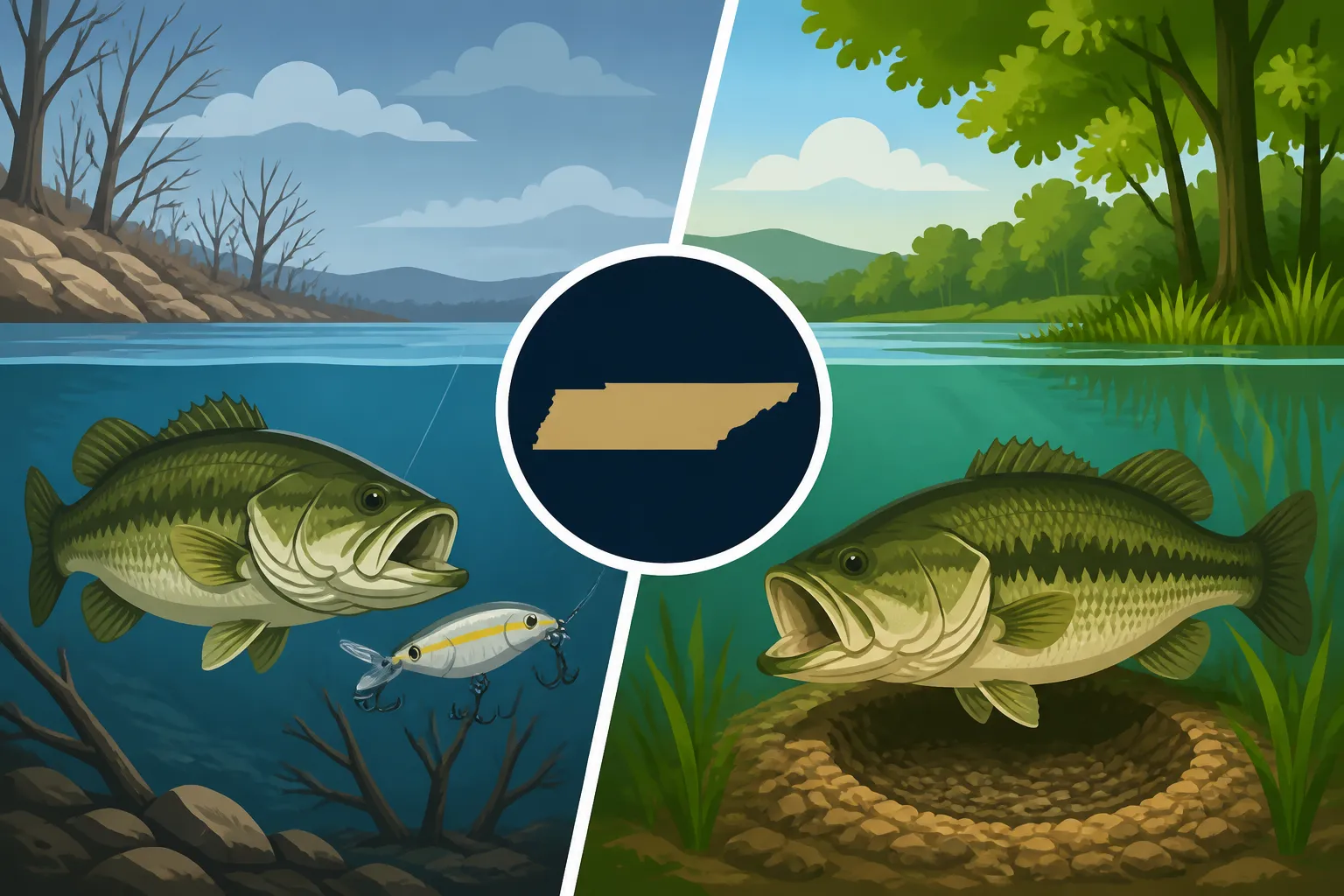
After the rigors of spawning—the nest building, the territorial disputes, the constant fanning of eggs, and the lack of feeding—both male and female bass are exhausted. Females, in particular, are often gaunt and lethargic, needing time to recover their strength. Males, while also tired, often remain on the beds for a short period guarding the fry before retreating. This leads to a dispersion of fish. Instead of congregating in predictable staging areas, post-spawn bass tend to scatter. Some will move to deeper offshore structure, seeking cooler water and a safe place to recuperate, while others might linger in the shallows around dense cover. They're not actively migrating in the same way as pre-spawn; instead, they're recuperating and becoming less aggressive. This "funk" can last for several weeks, making fishing tough, but not impossible, if you know where to look and what to throw.
Locating Post-Spawn Bass: Deeper Water and Cover
Finding post-spawn bass requires a different approach. Many of the larger females will often retreat to deeper, cooler water, seeking relief from the heat and a place to slowly replenish their energy. Look for them on offshore humps, ledges, brush piles, or main lake points that have access to deep water. These areas provide current, oxygen, and potential ambush points for schools of baitfish. However, not all bass move deep immediately. Some will hold around the edges of spawning flats, particularly if there's dense cover nearby like lily pads, submerged timber, or thick grass beds. These areas offer shade, protection, and opportunities to pick off smaller, easy meals. It's often a mixed bag, with some fish going deep and others staying shallow but holding tight to heavy cover. Pay attention to water clarity; in clearer lakes like Norris Lake Fishing Guide, Tennessee's Clearest Water, they might go deeper faster, while in more stained waters, they might remain shallower but use the cover more effectively.
Lures and Tactics for Reluctant Biters
Because post-spawn bass are less aggressive, you need to slow down and offer them easy meals. Soft plastics become kings during this period. Texas-rigged worms, Senkos, creature baits, and finesse jigs are excellent choices. Pitching these baits into dense cover, letting them sink slowly, and working them with subtle twitches can often elicit a strike from a recuperating bass. Topwater baits can also be surprisingly effective, especially during low-light conditions or early mornings when bass might be looking for a quick, easy meal on the surface. Frogs, poppers, and walking baits can call fish out of cover. When targeting deeper fish, drop shots, shaky heads, and even deep-diving crankbaits (worked slowly) can be effective. The key is often patience and a more subtle presentation. You're not looking for a reaction strike as much as you are for an opportunistic bite from a fish that doesn't want to expend much energy. Searching "Best Lures for Post-Spawn Bass Fishing" on Amazon can give you a good idea of popular choices.
Gear and Tackle for Pre-Spawn and Post-Spawn Tactics
Having the right tools for the job can make a huge difference, especially when you're trying to coax a bite out of a fish that's transitioning between major life phases. Matching your gear to the specific techniques for pre-spawn and post-spawn bass fishing patterns in Tennessee is crucial.
Essential Rods, Reels, and Line Choices
For the aggressive presentations of the pre-spawn, you'll want a mix of stout gear. Medium-heavy to heavy power casting rods, typically 7 to 7'6" in length, are ideal for throwing crankbaits, spinnerbaits, and bladed jigs. Pair these with baitcasting reels featuring a moderate gear ratio (6.3:1 to 7.1:1) for versatility. For line, 15-20 lb fluorocarbon is an excellent choice for crankbaits due to its low stretch and sensitivity, or 15-20 lb monofilament for topwater baits. When you're punching jigs or heavy Texas Rigs into cover, consider a heavier rod and 50-65 lb braided line.
Come post-spawn, when finesse and sensitivity are paramount, lighter tackle often shines. Medium-light to medium power spinning rods, around 6'8" to 7'2", are perfect for drop shots, shaky heads, and weightless worms. Pair these with spinning reels in the 2500-3000 size range, spooled with 8-12 lb fluorocarbon or braided line with a fluorocarbon leader for maximum sensitivity and stealth. However, don't ditch your casting gear entirely; you'll still need those medium-heavy rods for pitching frogs or heavier soft plastics into thick cover, just perhaps with a slightly slower retrieve ratio to match the fish's mood. Check out Best Rods for Largemouth Bass to refine your choices.
Must-Have Lures and Baits for Each Phase
Having a well-stocked tackle box tailored to each phase is a game-changer.
Pre-Spawn Essentials:
- Crankbaits: Lipless crankbaits (e.g., Strike King Red Eye Shad, SPRO ArukuShad), squarebill crankbaits (e.g., KVD 1.5, Rapala DT Series).
- Jerkbaits: Suspending jerkbaits (e.g., Megabass Vision Oneten, Lucky Craft Pointer).
- Bladed Jigs: ChatterBaits (Z-Man ChatterBait), custom bladed jigs.
- Spinnerbaits: Double willow or Colorado/willow blade combos.
- Jigs: Football jigs, casting jigs (½ oz to ¾ oz) with craw-style trailers.
- Soft Plastics: Large worms (e.g., Zoom Ol' Monster), creature baits (e.g., Berkley PowerBait MaxScent Creature Hawg), swimbait trailers.
Post-Spawn Essentials:
- Soft Plastics (Finesse): Senkos (Gary Yamamoto), shaky head worms, drop shot worms, small creature baits.
- Topwater: Frogs (e.g., SPRO Bronzeye Frog), walking baits (e.g., Heddon Super Spook Jr.), poppers.
- Jigs: Finesse jigs (¼ oz to ⅜ oz) with smaller trailers.
- Swim Jigs: Lighter swim jigs for skipping into cover.
- Deep Crankbaits: For targeting offshore structure (e.g., Strike King 6XD).
- Wacky Rigs: Wacky rigged Senkos or similar stick baits.
Consider browsing "fishing lures" on Amazon for a wide selection.
Electronics and Tools for Pattern Recognition
Modern electronics are invaluable for deciphering both pre-spawn and post-spawn patterns. A good fish finder with down imaging and side imaging capabilities, like those from Humminbird or Lowrance, can help you locate those deeper staging areas and offshore humps where bass congregate pre-spawn. They're equally crucial for finding isolated brush piles or rock formations where post-spawn fish might be holding. Using your mapping features, you can identify channels, points, and coves that lead to known spawning areas.
Beyond just fish finders, a good thermometer is a must-have. Knowing the precise water temperature is your number one clue for bass activity. A digital thermometer that clips onto your boat or a handheld version will give you real-time data to confirm if fish are in pre-spawn, spawning, or post-spawn mode. Understanding How Water Temperature Affects Fish Activity is fundamental. Don't forget a quality pair of polarized sunglasses for sight fishing in clearer waters, especially during the spawn itself, but also for spotting those shallow post-spawn bass tucked into cover.
Seasonal Nuances and Lake-Specific Considerations in Tennessee
Tennessee is a diverse state, offering everything from deep, clear mountain reservoirs to vast, stained lowland impoundments. This variety means that while the general principles of pre-spawn and post-spawn remain the same, the specific tactics and timing can differ significantly from one body of water to another.
How Water Bodies Affect Spawning Patterns
The type of water body you're fishing will profoundly influence the bass spawn. In deep, clear reservoirs like Norris Lake or Center Hill Lake, the water takes longer to warm up. This means the spawn will generally occur later in the spring, and bass might stage deeper for longer during the pre-spawn. Post-spawn fish in these lakes are more likely to retreat to significant depths. You might find them in 20-40 feet of water on offshore humps and ledges.
Conversely, in shallower, stained or turbid lakes such as Reelfoot Lake or the shallower arms of Kentucky Lake Fishing on the Tennessee Side, the water warms up much faster. The spawn here can begin weeks earlier than in the mountain lakes. Pre-spawn bass might hold in shallower staging areas, and post-spawn fish might not go as deep, instead relying on dense shallow cover like cypress trees, duckweed, or thick hydrilla beds for recovery. The lack of clarity also means visual lures are less effective, making vibration and scent more important.
Rivers and flowages present another dynamic. Current plays a huge role. Bass will often spawn in backwater areas, oxbows, or protected coves away from the main current. Pre-spawn fish will use current breaks and eddies as staging points, and post-spawn fish will often relate to similar areas but may tuck into even heavier cover to escape the flow while recuperating.
Top Tennessee Lakes for Pre-Spawn and Post-Spawn Bass
Tennessee boasts some incredible bass fishing, and many lakes shine during these transitional periods:
- Chickamauga Lake (East Tennessee): Renowned for its giant largemouth, Chickamauga offers fantastic pre-spawn opportunities on its numerous ledges, points, and grass lines. Post-spawn, fish will disperse into its abundant cover, from hydrilla beds to flooded timber. It's a consistently top-performing lake.
- Kentucky Lake (West Tennessee): This massive impoundment is a legendary bass fishery. Pre-spawn, anglers target the numerous shallow bays, creek channels, and expansive flats. Post-spawn, the fish relate heavily to the vast submerged structure and offshore ledges, offering some fantastic deep-water fishing opportunities.
- Percy Priest Lake (Middle Tennessee): Near Nashville, Percy Priest is an excellent option. Its rocky points, bluff walls, and standing timber make for great pre-spawn staging. Post-spawn, look for bass to scatter into the many coves and stick-ups or move to deeper channel swings.
- Watts Bar Lake (East Tennessee): With its diverse habitat, Watts Bar is another strong contender. Pre-spawn fish will be on points and channel swings, while post-spawn fish can be found in the lake's abundant brush piles and grass beds.
Each of these lakes, and many others across the state, will have their own subtle nuances. Always check local fishing reports and talk to bait shop owners for the most up-to-date information for your specific destination. Knowing the Best Fishing Lakes in Tennessee can help you plan your trips.
Adapting to Weather and Water Conditions
Flexibility is paramount when fishing pre-spawn and post-spawn bass in Tennessee. A warm rain might boost water temperatures and spur fish activity, while a sudden cold snap can send them running back to deeper water.
- Cold Fronts: These are notorious for shutting down the bite. Bass become lethargic and often move deeper or bury themselves in the thickest cover available. When a cold front hits, slow down your presentation, use smaller baits, and focus on vertical presentations (jigs, drop shots) directly to the fish.
- Rain and Water Clarity: Light rain can sometimes improve fishing by stimulating activity and washing food into the lake. However, heavy rains can muddy the water, drop temperatures, and make it difficult for bass to see. In muddy water, focus on baits with strong vibration (bladed jigs, spinnerbaits) or scent (jigs with dipped trailers). Bass will often move closer to the banks in muddy water, as light penetration is minimal.
- Stable Weather: Periods of stable, warm weather are ideal, especially for the pre-spawn, as they encourage fish to move up and feed aggressively. During post-spawn, stable weather helps fish recover and become more predictable in their deeper or heavier cover patterns.
The key is to observe the conditions constantly and be willing to adjust your location, lure choice, and retrieve speed. The fish will tell you what they want if you pay close enough attention.
| Feature | Pre-Spawn Bass | Post-Spawn Bass |
|---|---|---|
| Water Temp | Mid 50s – Low 60s (F) | Mid 60s – Mid 70s (F) |
| Primary Goal | Feed heavily, stage for spawn | Recover from spawn, protect fry (males) |
| Location | Staging areas: points, humps, ledges, channel swings near spawning flats (5-15 ft) | Dispersed: deeper offshore structure, main lake points, dense shallow cover near spawning flats |
| Activity Level | Highly aggressive, actively migrating | Often lethargic, less aggressive, scattered |
| Preferred Lures | Crankbaits, jerkbaits, bladed jigs, spinnerbaits, larger soft plastics, football jigs | Finesse plastics (Senkos, shaky heads, drop shots), topwater, smaller jigs, deep cranks (slow) |
| Typical Retrieve | Moderate to fast, reaction strikes | Slow, subtle, patient |
| Feeding Pattern | Foraging frenzy, large meals | Opportunistic, conserving energy, easy meals |
Disclaimer
Fishing conditions and regulations in Tennessee can change. Always consult the latest Tennessee Wildlife Resources Agency (TWRA) regulations before heading out. This guide is for informational purposes only and does not supersede official rules or personal safety precautions.