Center Hill Lake Fishing Guide
There's nothing quite like planning a fishing trip to a new lake, brimming with anticipation, only to arrive and feel completely overwhelmed by its sheer size and hidden complexities. Center Hill Lake in Tennessee, with its deep, clear waters and rugged shoreline, can definitely present that challenge. It's beautiful, no doubt, but finding those honey holes and understanding its unique personality can feel like cracking a secret code. This guide is here to demystify Center Hill Lake, offering you insights into its diverse fisheries, best spots, and practical tips to help you enjoy a successful and memorable outing on its stunning waters.
Understanding Center Hill Lake's Unique Character
Center Hill Lake isn't your average shallow, murky impoundment. Nestled in the Cumberland Plateau, it offers a distinct angling experience that savvy fishermen learn to appreciate. Its geology and management create specific conditions that dictate where fish live and how they behave, making local knowledge incredibly valuable.
The Lake's Layout and Depths
Stretching across three counties—DeKalb, Putnam, and Warren—Center Hill Lake is a massive body of water, approximately 64 miles long with over 400 miles of shoreline. It's a Corps of Engineers reservoir on the Caney Fork River, and its primary purpose is flood control and hydropower generation. This means its water levels can fluctuate, which is a critical factor for anglers to consider. The lake is known for its incredible depths, plunging over 190 feet in some areas, especially near the dam. However, it also boasts countless coves, creek channels, and submerged timber, offering a variety of structures for different fish species.
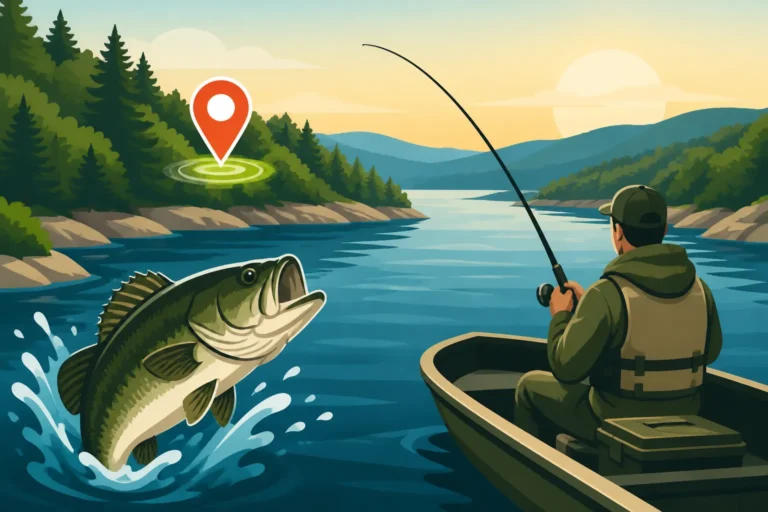
The deep, clear water is a defining characteristic, often a result of limestone bluffs and rock formations that line much of its perimeter. Unlike some of Tennessee's more fertile, shallower lakes, Center Hill’s deep structure means fish often relate to vertical cover, ledges, and submerged points. Understanding these depth changes is crucial. Many anglers rely on modern electronics and detailed contour maps to pinpoint these underwater features. For those who enjoy a challenge, these depths hold secrets waiting to be uncovered, and when you do find a hot spot, the rewards can be significant.
Water Clarity and Conditions
One of Center Hill Lake's most striking features is its exceptional water clarity. This crystal-clear water, while beautiful, can make fishing more challenging, especially for species like bass, which become warier in high visibility. Anglers often need to adjust their presentation, opting for lighter lines, more natural baits, and stealthier approaches to avoid spooking fish. The clarity means that fish have a wide field of view, making them harder to surprise. This is particularly true during daylight hours and in the shallower coves.
The conditions on Center Hill Lake can vary. During heavy rains, some of the incoming creeks might bring in stained water, offering a temporary advantage for targeting bass or crappie that prefer less light. However, generally, you'll be dealing with clear to very clear water. This also affects seasonal patterns; fish tend to stay deeper during bright, sunny days, retreating from the surface to find cover and less light penetration. It’s worth noting that cooler water temperatures, especially in the deeper sections, contribute to the lake's ability to support certain cold-water species, even though it's primarily a warm-water fishery. Always check the current conditions before heading out, as recent weather can temporarily alter the typical clarity.
Prime Fish Species to Target at Center Hill
Center Hill Lake is a diverse fishery, offering exciting opportunities for targeting a range of popular sport fish. Whether you're chasing trophy bass, filling a cooler with panfish, or battling a hard-fighting striper, the lake has something for every angler.
Bass Fishing: Largemouth, Smallmouth, and Spotted
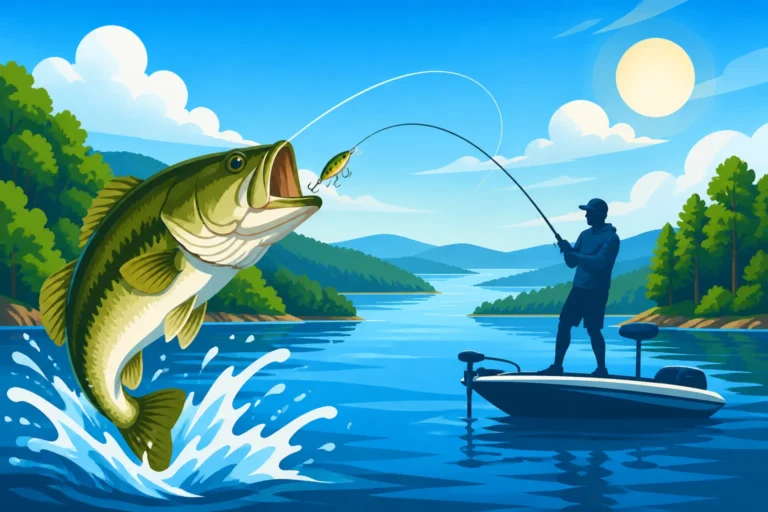
Center Hill Lake is perhaps best known for its incredible bass fishing, particularly for healthy populations of both largemouth and smallmouth bass. You'll also find a good number of spotted bass. Each species has its preferred habitat and requires different techniques, making bass fishing here a dynamic experience. Largemouth bass tend to stick to the lake's abundant submerged timber, laydowns, and brush piles in the shallower coves and creek arms. They prefer areas with a bit more cover and slightly stained water if available, especially during their Bass Spawn Timing in Tennessee Lakes in the spring. Crankbaits, jigs, and Texas-rigged worms worked around these structures can be incredibly effective.
Smallmouth bass, the official state fish of Tennessee, thrive in Center Hill's clear, rocky environments. They love the deep bluff walls, rocky points, and offshore humps. Targeting smallmouth often involves vertical presentations with drop shots, swimbaits, or Ned rigs fished along ledges and breaks. You'll often find them schooling up on baitfish over deep water. Spotted bass, while typically smaller than largemouth and smallmouth, are plentiful and aggressive. They often mix with smallmouth in rocky areas but can also be found in deeper brush piles. They respond well to jigs, shaky heads, and small crankbaits. Understanding the distinct habits of these three bass species is key to a successful day on the water, and many anglers will adjust their approach as they move from one type of structure to another.
Crappie and Panfish Opportunities
For those who enjoy a lighter tackle fight and some excellent table fare, Center Hill Lake offers fantastic crappie and panfish fishing. Both black and white crappie are present, though black crappie tend to be more dominant in the clearer waters. Crappie here are often found in brush piles, submerged timber, and around dock pilings, especially in the major creek arms like Hurricane, Mine Lick, and Fall Creek. The key to successful crappie fishing is often finding cover in the right depth. During the Spring Crappie Spawn Timing in Tennessee, they move into shallower water, making them easier to target.
Beyond crappie, anglers can also find bluegill, shellcrackers (redear sunfish), and other sunfish species. These panfish are abundant in the calmer coves, around lily pads, and under overhanging trees. They provide excellent action for kids and beginners, and a simple setup with a bobber and a live worm can yield a cooler full of delicious fish. Many anglers will spend mornings chasing crappie in brush piles using jigs or minnows, then switch to targeting bluegill in the afternoon with ultra-light tackle, proving that Center Hill Lake caters to a wide array of fishing preferences. Consulting a service like FishingBooker can help you find guides who specialize in these species.
Catfish and Stripers
For the angler seeking a powerful fight, Center Hill Lake also hosts a healthy population of catfish and, at times, offers exciting opportunities for striped bass. Channel catfish are quite common throughout the lake, particularly in the deeper creek channels and along the main lake bottom. They are scavenger feeders and can be caught using traditional bottom fishing techniques with stink baits, chicken livers, or cut bait. Blue catfish are also present, often growing to impressive sizes, offering a truly memorable battle. These larger cats tend to frequent the main river channel and deeper holes.
While not as prolific as in some other Tennessee reservoirs, striped bass can be found in Center Hill, often migrating up from the Cumberland River system. These hard-fighting fish are known for their strong runs and can be targeted by trolling large crankbaits or live bait (like shad) in open water or along prominent points and humps. They typically follow schools of baitfish, so a good fish finder is invaluable. Fishing for stripers often requires heavy-duty gear and a willingness to cover a lot of water, but hooking into one of these freshwater giants is an experience you won't soon forget. Anglers looking to explore Tennessee Striped Bass Fishing Techniques will find some good opportunities here.
Seasonal Fishing Strategies for Success
Like any large impoundment, Center Hill Lake's fishing patterns are heavily influenced by the changing seasons. Water temperature, oxygen levels, and fish spawning cycles all play a crucial role in where fish are found and what they’re willing to bite. Adapting your strategy to the time of year is paramount for consistent success.
Spring Fishing Patterns
Spring is arguably one of the most anticipated times to fish Center Hill Lake. As water temperatures begin to rise from the cold winter months, fish become more active and start to move from their deeper wintering grounds into shallower areas. This is when the pre-spawn bite really heats up, especially for bass. Largemouth and spotted bass will stage on points and submerged humps near spawning coves, feeding aggressively to build energy for the upcoming spawn. Crankbaits, jerkbaits, and spinnerbaits are excellent choices for covering water and triggering strikes during this period.
As spring progresses and water temperatures hit the sweet spot (typically in the 60s Fahrenheit), the bass move onto their beds in shallower, protected coves. While they can be caught during this time, many anglers practice catch-and-release to protect the spawning population. Crappie also move into the shallows during spring, congregating around brush piles and woody cover. Small jigs tipped with minnows or soft plastics are deadly for these panfish. This season is also fantastic for bank fishing, as many species are more accessible from the shore. The dynamic changes during spring make it an incredibly rewarding time to be on Center Hill Lake.
Summer Fishing Challenges and Rewards
Summer fishing on Center Hill Lake presents its own unique set of challenges and rewards. The clear water, combined with rising surface temperatures, often pushes fish deeper, seeking cooler, more oxygenated water. Bass, especially smallmouth, will relate to deep structure: bluff walls, ledges, and offshore humps. Drop-shot rigs, deep-diving crankbaits, and football jigs are effective for targeting these deeper fish. Early mornings and late evenings often provide the best shallow-water bites as fish move up to feed under lower light conditions. Topwater lures can be incredibly exciting during these low-light periods.
Catfish activity picks up significantly in the summer, making it a prime time for targeting them with stink baits or cut bait on the bottom, especially in the deeper channels after dark. Striped bass, if present, will also be following baitfish schools in open water, often suspending over significant depths. While the midday sun can make fishing tough, those willing to adapt their techniques to deeper water or fish during cooler parts of the day can find great success. The beautiful summer scenery and warm evenings also make for a very pleasant fishing experience, even if you have to work a bit harder for your bites. For specific Tennessee Bass Fishing Seasons and Patterns, summer strategies will heavily emphasize depth and low-light conditions.
Fall Transition and Winter Slowdown
As the long, hot days of summer give way to the crisp air of fall, Center Hill Lake undergoes another significant transition. The cooling water temperatures signal fish to begin their fall feeding frenzy, preparing for winter. This can be one of the most exciting times to fish, as baitfish move into the backs of creeks and coves, and predator fish follow close behind. Bass will aggressively chase spinnerbaits, crankbaits, and swimbaits in shallower to mid-depth ranges. Often, you'll find schools of fish actively busting bait on the surface during this period, offering thrilling topwater action.
Winter brings a slowdown in fish metabolism, but it doesn't mean fishing completely stops. Fish congregate in their deep wintering holes, often along main lake channels, bluff ends, and significant submerged structure. Vertical jigging spoons, blade baits, and slow-rolling jigs can entice bites from sluggish but often larger fish. Crappie will be suspended in deep brush piles or over creek channels, requiring precise vertical jigging. While fishing can be slower, the rewards often include bigger fish and fewer crowds. Remember to layer up! Center Hill Lake's deep, clear waters mean that during the winter, fish can be concentrated and a patient angler can have a truly productive day. You can find more detailed information on Tennessee Crappie Fishing Guide by Season and Tennessee Catfish Fishing Techniques and Seasons to help you adapt to these seasonal changes.
Top Fishing Spots and Access Points
Navigating a large body of water like Center Hill Lake requires knowing where to launch your boat and where the productive fishing areas are. While local knowledge is invaluable, a good starting point can make all the difference, especially for first-time visitors.
Public Boat Ramps and Marinas
Center Hill Lake offers several public boat ramps managed by the U.S. Army Corps of Engineers and various marinas that provide easy access to different parts of the lake. These ramps are generally well-maintained, but it's always wise to check current water levels, especially if you're planning to launch a larger vessel, as low water conditions can sometimes affect ramp usability. Popular public ramps include those at Center Hill Dam, Hurricane Bridge, and Ragland Bottom, all offering concrete ramps and ample parking. These spots also provide access to deep water quickly.
Marinas like Center Hill Marina, Hurricane Marina, and Edgar Evins State Park Marina not only offer boat launch facilities but also provide fuel, bait, tackle shops, and often, boat rentals. These services can be incredibly convenient, especially if you're visiting from out of town and need to stock up. When using a service like FishingBooker to find a guide, they will often operate out of one of these well-equipped marinas, making it easy to meet up and get on the water efficiently. Always be mindful of boat traffic, especially on busy weekends, and exercise proper boating etiquette at the ramps. Understanding Boat Fishing Rules and License Requirements in Tennessee is also crucial before hitting the water.
Bank Fishing Hotspots
While Center Hill Lake is primarily known for its boat fishing, there are still several excellent opportunities for anglers who prefer to fish from the shore. State parks and recreation areas often provide some of the best bank fishing access. Edgar Evins State Park, for example, offers fishing piers and easy access to the shoreline, particularly around the marina and picnic areas. These spots can be great for targeting crappie, bluegill, and even some bass that move into shallower waters.
Another great option for bank anglers is the area around the Center Hill Dam. While access directly below the dam can be restricted, nearby public areas and parks often have designated fishing spots. These areas can be productive, especially during cooler months when fish are less pressured or during periods of moving water. Additionally, many of the smaller recreation areas and campgrounds around the lake have accessible shorelines perfect for a relaxing day of fishing. While you might not reach the deep offshore structures, bank fishing offers a more relaxed experience and still provides plenty of chances to catch a variety of species, making it a perfect option for families or those just looking to unwind by the water.
Essential Gear and Techniques for Center Hill Lake
Having the right gear and knowing how to use it effectively can dramatically increase your success on Center Hill Lake. Given its diverse fisheries and clear, deep waters, a versatile approach to tackle and techniques is often the most rewarding.
Recommended Rods, Reels, and Line
For general bass fishing on Center Hill, a medium-heavy spinning or baitcasting rod, around 6'6" to 7' long, is a versatile choice. This setup allows you to throw a variety of lures, from jigs and Texas rigs to crankbaits. For clear water conditions, many anglers opt for fluorocarbon line as their main line or use it as a leader on braided line. Fluorocarbon has excellent abrasion resistance (important around rocky cover) and is nearly invisible underwater, which is a huge advantage when fish are line-shy. A 10-15 lb test for bass is usually a good starting point. For deeper water presentations, a slightly heavier setup might be preferred.
When targeting crappie and panfish, ultralight or light action rods, typically 5 to 7 feet long, paired with small spinning reels spooled with 4-6 lb monofilament or light braided line, are ideal. This lighter tackle makes even a small bluegill feel like a trophy and provides the sensitivity needed to detect subtle bites. For catfish and stripers, you'll want to beef up your gear. Medium-heavy to heavy action rods with robust baitcasting or large spinning reels spooled with 20-50 lb monofilament or braided line are necessary to handle their power. Investing in quality gear, like those found when researching Best Rods and Reels for Tennessee Fishing, pays off in the long run, ensuring durability and performance.
Baits and Lures for Local Success
Given Center Hill Lake's clear water, a more natural presentation is often key. For bass, soft plastics in natural colors (green pumpkin, watermelon, browns) are highly effective when fished on Texas rigs, shaky heads, or drop shots around cover and ledges. Clear water also means jerkbaits and swimbaits can be deadly, mimicking baitfish with realistic action. Deep-diving crankbaits in shad or crawfish patterns are excellent for covering water and triggering strikes from fish holding on deeper structure. During low-light conditions, topwater lures like poppers and walking baits can provide explosive strikes.
Crappie anglers will find success with small jigs (1/16 to 1/8 ounce) tipped with soft plastic bodies in chartreuse, white, or black/chartreuse combinations. Live minnows fished under a slip bobber are also incredibly effective, especially around brush piles. For panfish, live worms or crickets are hard to beat, fished under a small bobber or on a tiny jig head. Catfish are less particular but respond well to strong-smelling baits like chicken livers, dip baits, or cut shad. For striped bass, large lipless crankbaits, spoons, or live shad are top producers. Experimenting with different baits and colors is part of the fun, but always start with a natural, subtle approach in Center Hill's clear conditions. This is especially true for beginners looking for Best Fishing Gear for Beginners as simple baits often work best.
Navigating Regulations and Responsible Angling
Before you even make your first cast on Center Hill Lake, it's absolutely crucial to understand the rules and regulations. Tennessee has specific statewide fishing regulations, but individual lakes, including Center Hill, can sometimes have special rules that supersede the general guidelines. Ignoring these rules can lead to fines and a ruined fishing trip, so a little homework goes a long way.
Understanding Statewide and Lake-Specific Limits
First and foremost, anyone aged 13 and older needs a valid Tennessee Fishing License Guide to fish in the state's public waters. This isn't just a suggestion; it's the law. Licenses can be easily purchased online through the Tennessee Wildlife Resources Agency (TWRA) website, at tackle shops, or at any TWRA license agent. There are various license types, from annual to short-term, so make sure you choose the one that fits your needs. Beyond the license, you need to be aware of the statewide creel and size limits for different species. For example, Tennessee has specific limits for bass, crappie, and catfish that anglers must adhere to.
However, here's where it gets a little trickier: Center Hill Lake occasionally has lake-specific regulations that differ from the statewide rules. These might include different size limits for certain species or modified creel limits to manage particular fish populations. It’s always your responsibility as an angler to check the latest TWRA fishing guide or their website for any specific rules pertaining to Center Hill Lake before you head out. These localized rules are put in place for a reason, usually to protect and enhance the fishery, ensuring that future generations can enjoy the same incredible fishing opportunities. FishingBooker guides are usually well-versed in these specific rules, so if you're booking a trip, they can be a great source of up-to-date information. Ignoring these special rules isn't just a potential fine, it's also detrimental to the long-term health of the lake's fish populations.
Boating Safety and Courtesy
Center Hill Lake is a popular destination not just for fishing but also for boating, swimming, and other recreational activities. This means you'll share the water, especially during peak season and weekends. Practicing good boating safety and courtesy is essential for everyone's enjoyment and safety. Always ensure your boat is equipped with all required safety gear, including life jackets for all passengers (with special rules for children under 12), a fire extinguisher, a sound-producing device, and navigation lights if you plan to be on the water after sunset. The clear, deep waters can be deceptively dangerous if you're not prepared.
Beyond safety, courtesy goes a long way. Maintain safe distances from other boats and anglers, especially those who might be quietly fishing a particular spot. Avoid creating excessive wake near other vessels or shorelines, as this can disturb fish, erode banks, and be dangerous for swimmers or smaller craft. If you see someone struggling at a boat ramp, offer a helping hand. We're all out there to enjoy the beauty of Tennessee's waterways, and a little consideration makes the experience better for everyone. By being a responsible and respectful angler and boater, you contribute to a positive atmosphere on Center Hill Lake, making it a welcoming place for all who visit.
| Fish Species | Typical Habitat | Best Baits/Lures | Daily Limit (Statewide Default) | Size Limit (Statewide Default) | Notes |
|---|---|---|---|---|---|
| Largemouth Bass | Submerged timber, brush piles, rocky points, creek arms | Jigs, Texas Rigs, Crankbaits, Soft Plastics | 5 fish | 1 over 18 inches | Check for lake-specific regulations; clear water can make them wary. |
| Smallmouth Bass | Deep bluff walls, rocky points, offshore humps, clear water | Drop Shots, Swimbaits, Ned Rigs, Hair Jigs | 5 fish (combined w/ Spotted) | 1 over 16 inches | Thrive in Center Hill's clear, rocky environments. |
| Spotted Bass | Rocky areas, deeper brush piles, often with smallmouth | Jigs, Shaky Heads, Small Crankbaits | 5 fish (combined w/ Smallmouth) | No size limit | Aggressive feeders, good numbers in the lake. |
| Black Crappie | Brush piles, submerged timber, dock pilings | Small Jigs (1/16-1/8 oz), Live Minnows, Soft Plastics | 20 fish | 5 over 12 inches | Excellent table fare, often found schooling. |
| Bluegill/Panfish | Calmer coves, lily pads, shallow cover | Live Worms, Crickets, Small Jigs | No limit | No limit | Great for kids and light tackle fun. |
| Channel Catfish | Deep creek channels, main lake bottom | Stink Bait, Chicken Livers, Cut Bait | No limit | No limit | Abundant throughout the lake, good for bottom fishing. |
| Blue Catfish | Main river channel, deeper holes | Cut Bait, Live Bait (shad) | No limit | No limit | Can grow to impressive sizes, strong fighters. |
| Striped Bass | Open water, following baitfish schools, prominent points | Large Crankbaits, Live Shad, Trolling Lures | 2 fish | No size limit | Can be elusive but offer powerful fights. |
Disclaimer:
Fishing regulations, limits, and conditions can change. Always consult the latest Tennessee Wildlife Resources Agency (TWRA) regulations guide before fishing on Center Hill Lake or any other Tennessee waters. This guide is for informational purposes only and should not be considered legal advice.