Best Trout Streams Near Gatlinburg, Tennessee
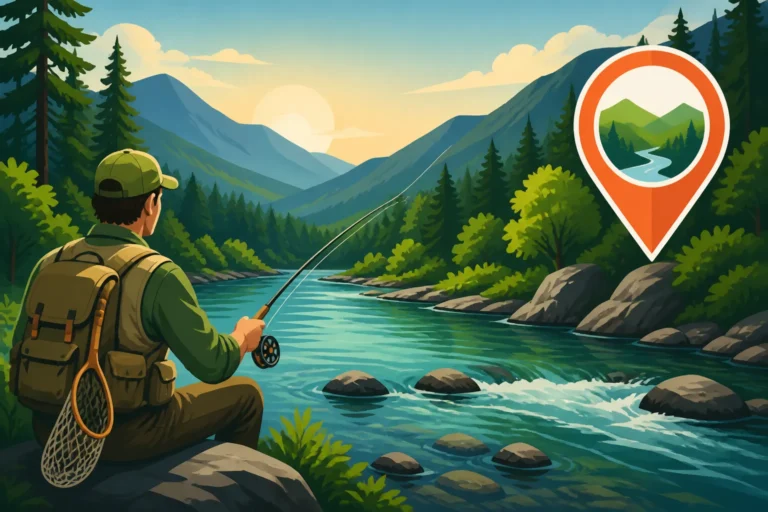
Heading out to the beautiful mountains of East Tennessee, especially around Gatlinburg, often conjures images of stunning vistas, charming towns, and, for many of us, the irresistible call of a pristine trout stream. But let's be real: navigating the myriad of regulations, understanding where the fish actually hold, and even just finding a good access point in such a popular area can feel like trying to solve a puzzle. This guide is dedicated to cutting through that confusion, giving you the insider scoop on the best trout streams near Gatlinburg and how to make your fishing trip a truly memorable one.
Understanding Trout Fishing in the Gatlinburg Area
The allure of trout fishing in the Great Smoky Mountains is undeniable. The cool, clear waters, surrounded by ancient forests, offer a tranquil escape and the thrill of matching wits with some of the most beautiful fish in freshwater. However, these aren't your typical stocked ponds; mountain streams present their own set of joys and challenges.
The Unique Challenge of Mountain Streams
Fishing in the Smokies is a completely different ballgame than stillwater fishing. You’re often wading through slippery rocks, navigating tight casting lanes under a dense canopy, and trying to decipher currents that seem to change every few feet. The fish themselves are often wilder, more skittish, and demand a precise presentation. It’s not about casting as far as you can; it's about accuracy, stealth, and understanding how the water flows over and around structure. Many anglers, especially those new to stream fishing, get frustrated quickly because they're used to open water. Here, patience and observation are your best tools. You'll spend more time hiking and less time casting, but when that line goes taut, you'll know exactly why you put in the effort.
Trout Species You'll Encounter Near Gatlinburg
When you dip your line into the streams around Gatlinburg, particularly within the Great Smoky Mountains National Park, you're primarily targeting three species: Rainbow Trout, Brown Trout, and the native Brook Trout. Each has its own personality, preferred habitat, and fighting style, making every catch a unique experience. Understanding these differences can greatly improve your success. For instance, the brightly colored Brook Trout, often smaller, prefer the colder, higher elevation streams, while Rainbows and Browns are more tolerant of varying conditions and often found in the mid to lower elevations.
Here's a quick rundown of what to expect from each:
| Species | Identification Notes | Preferred Habitat | Size Range (Common) |
|---|---|---|---|
| Rainbow Trout | Pinkish-red stripe, small black spots, often silvery. | Moderately cold streams, often stocked. | 8-16 inches |
| Brown Trout | Dark spots with light halos, reddish spots on sides. | Lower to mid-elevation, more tolerant of warmer water. | 10-20 inches |
| Brook Trout | Vermiculation (worm-like markings) on back, red/orange spots with blue halos, white leading edges on fins. | Cold, pristine headwaters, higher elevations. | 6-10 inches |
Knowing how to identify each can also help you adhere to specific Tennessee Trout Limits and Season Rules which may vary by species and location, especially when you consider that Tennessee's Trout Limit Is 7 Per Day From March Through September, but with stricter limits on certain species.
Key Regulations and Permits for the Smokies
Before you even think about casting a line, you absolutely must understand the local fishing regulations. The Great Smoky Mountains National Park has its own set of rules, which often differ from statewide Tennessee regulations, and it's easy to get caught off guard. For example, while you generally need a Tennessee Fishing License Guide for fishing in Tennessee, within the Park, you also need to abide by the Park's specific catch and release regulations or daily limits.
Always make sure you have the correct and up-to-date license. For Tennessee residents, a general Tennessee Fishing License Costs and Types is required. Non-residents will need a Nonresident Fishing License Costs in Tennessee or one of the short-term options like a Nonresident 3-Day and 10-Day License Options for Tennessee. The good news is, for fishing within the Great Smoky Mountains National Park, either a valid Tennessee or North Carolina fishing license is acceptable. What’s crucial is checking the National Park Service website or stopping by a visitor center for their specific rules on creel limits, size restrictions, and approved bait/lure types. The Park generally has a stricter "catch and release" mentality, especially for native Brook Trout, and certain waters might be entirely fly-fishing or artificial-lure-only zones.
Top Trout Streams Easily Accessible from Gatlinburg
One of the greatest advantages of fishing near Gatlinburg is the sheer number of quality trout streams within a short drive. The Great Smoky Mountains National Park itself is a treasure trove of cold, clear water, but there are also excellent opportunities just outside its boundaries.
Little Pigeon River and Its Tributaries
The Little Pigeon River, particularly its West Prong, is probably the most well-known and easily accessible trout stream directly serving Gatlinburg. It flows right through the heart of the town, offering both convenience and surprisingly good fishing. While the section running through Gatlinburg itself can be heavily pressured and sees a lot of stocking, venturing just a bit upstream into the National Park reveals a different world.
The West Prong of the Little Pigeon River, once you move past the immediate hustle and bustle of downtown, becomes a beautiful freestone stream. Access points can be found along Highway 441 (Newfound Gap Road) as it winds into the park. You'll find a mix of stocked Rainbows and wild Brown Trout, with the occasional Brook Trout in its higher, colder tributaries. The water here is generally well-oxygenated, with plenty of riffles, runs, and deeper pools where trout love to hold. Keep an eye out for submerged rocks, fallen trees, and undercut banks – these are prime spots. Remember that Tennessee Trout Fishing Season Explained can be different between March-September and October-February, so always check local regulations.
LeConte Creek and Roaring Fork
LeConte Creek and its tributary, Roaring Fork, are excellent options for those looking for a slightly more immersive mountain stream experience without venturing too far. LeConte Creek flows down from Mount LeConte, offering cooler water and a more rugged feel than the lower sections of the Little Pigeon. You can find good access points for LeConte Creek off Cherokee Orchard Road.
Roaring Fork, accessible via the scenic Roaring Fork Motor Nature Trail (when open seasonally), is a fantastic stream with a wilder character. This creek is known for its beautiful cascade waterfalls and deep pools, making it visually stunning as well as productive. Anglers often find a good mix of Rainbow and Brown Trout here. Because of the nature of the terrain, expect to do some hiking and rock-hopping. This isn't a place for casual bank fishing; it demands a bit more effort, but the reward is often worth it. The wilder fish here are often more vibrant and feisty. It’s a great spot to practice your stealth and short-range casting.
Other Productive Streams in Great Smoky Mountains National Park
Beyond these immediate options, the Great Smoky Mountains National Park is crisscrossed by hundreds of miles of fishable water. If you're willing to hike a bit, you can discover some truly pristine fishing experiences. Streams like Little River, Big Creek, and the Oconaluftee River (on the North Carolina side, but accessible from Gatlinburg via Newfound Gap Road) offer fantastic opportunities.
Little River, accessible along Little River Road, is a larger stream with more open stretches, making it popular for both spin and fly anglers. It holds strong populations of Rainbow and Brown Trout, and in its highest reaches, you'll find the elusive native Brook Trout. For those targeting Brook Trout, venturing into the headwaters of almost any small tributary stream within the park, typically above 3,000 feet elevation, offers the best chance. These are often small, brushy creeks, requiring careful stalking and precise casts, but catching a beautifully colored native "speckled trout" in its natural habitat is an unforgettable experience. Before heading out, consider reviewing a guide on Trout Fishing in the Great Smoky Mountains, Tennessee to get a broader overview of the vast opportunities available.
Advanced Tips and Techniques for Mountain Trout
Catching trout in the challenging waters near Gatlinburg requires more than just a basic cast and retrieve. These fish are often wary, and the environment demands specific approaches.
Reading the Water in Fast-Flowing Creeks
One of the biggest hurdles for new stream anglers is learning how to "read the water." Trout, especially in mountain streams, are ambush predators that rely on current to bring food to them, but they also need places to rest out of the main flow. Look for areas where the current slows down, like behind large rocks, submerged logs, or in the deeper parts of pools. Seams where fast water meets slow water are often highly productive, as food is funneled there, and fish can expend less energy to feed.
Pay close attention to changes in water depth and structure. Undercut banks provide excellent cover, as do overhanging tree limbs. When you approach a promising spot, move slowly and keep a low profile; your shadow or sudden movements can easily spook fish. A good rule of thumb is to cast upstream and let your bait or lure drift naturally downstream, mimicking the way natural food sources would move. This "dead drift" is often key to success, particularly when fly fishing or using small spinners.
Essential Gear for Smoky Mountain Trout Fishing
Having the right gear makes all the difference, especially when you're battling currents and tight spaces. For spin fishermen, an ultralight spinning rod (5-6 feet) paired with a small reel spooled with 2-4 pound test monofilament or fluorocarbon line is ideal. This setup allows for accurate, delicate casts and better feel for subtle bites. Small inline spinners (like Panther Martins or Mepps), tiny spoons, and micro jigs are excellent choices. Brands like Panther Martin offer some very effective lures for these types of waters.
Fly anglers will want a light fly rod, typically a 2-5 weight, 7.5 to 9 feet long. A weight-forward floating line is versatile for most conditions. Essential flies include attractor patterns (like Royal Wulffs, Stimulators), nymph patterns (Pheasant Tail, Hare's Ear), and small streamers. Don't forget a good pair of polarized sunglasses to help spot fish and structure, and a comfortable vest or pack to carry your gear. If you're planning on wading, appropriate wading boots with good grip are non-negotiable for safety on slippery rocks. For more specialized advice, explore articles like Best Fly Rods and Waders for Tennessee Trout Streams or even How to Fly Fish for Trout for Beginners.
Best Baits and Lures for Local Conditions
The trout in these streams can be particular, but a few consistent producers stand out. For spin fishermen, small inline spinners in gold, silver, or black, especially those with a hint of red, are often irresistible. Brands like Mepps and Panther Martin are stalwarts for a reason. You can also have great success with tiny jigs tipped with a small piece of live bait like a redworm or mealworm, or even just fishing the jig bare. Artificial power baits, such as PowerBait or Gulp! Trout Dough, can also work, especially in areas with recent stockings.
For fly anglers, matching the hatch is always a good strategy, but often, general attractor patterns will do the trick. During spring and summer, dry flies that mimic caddisflies, mayflies, or stoneflies can be effective, particularly in the mornings and evenings. When fish aren't rising, nymphing with patterns like Pheasant Tail Nymphs, Hare's Ear Nymphs, or Prince Nymphs is usually the most productive method. In colder months or higher water, small streamers can entice larger trout. Consider carrying a variety to adapt to changing conditions; what worked yesterday might not work today!
Planning Your Gatlinburg Trout Fishing Adventure
A successful fishing trip isn't just about the gear or the technique; it's about smart planning and respecting the natural environment.
Navigating Park Access and Parking
Accessing the prime trout streams within the Great Smoky Mountains National Park often involves a mix of driving and hiking. Many excellent spots can be found along major roads like Newfound Gap Road (Highway 441) and Little River Road, where pull-offs and designated parking areas are available. However, these popular spots can fill up quickly, especially during peak tourist season. Consider arriving early in the morning to secure a good spot and beat the crowds.
For more remote fishing, you'll need to consult a park map and identify hiking trails that parallel or cross streams. Always be aware of designated trailheads and parking. Some areas, like the Roaring Fork Motor Nature Trail, are seasonal, so check the park's operating hours and road closures before you head out. Remember that a parking tag is now required for any vehicle parked for more than 15 minutes within the Great Smoky Mountains National Park. These can be purchased online or at visitor centers, and are valid for various durations. This helps fund park maintenance, so it's a small price to pay for such pristine access.
Hiring a Local Guide or Outfitter
If you're new to mountain trout fishing, or simply want to maximize your chances and learn the best local spots and techniques, consider hiring a local guide. A good guide knows the waters intimately, understands the nuances of fish behavior in specific conditions, and can dramatically shorten your learning curve. They often provide all the necessary gear and can lead you to less-pressured sections of streams.
There are several reputable guide services in the Gatlinburg area. Websites like FishingBooker are excellent resources for finding experienced local guides who specialize in fly fishing or spin fishing for trout in the Smokies. You can read reviews, compare prices, and book directly, ensuring you find someone who matches your skill level and fishing aspirations. A knowledgeable guide can teach you how to read the water, present your flies or lures effectively, and even identify the subtle differences between Rainbow Trout vs Brown Trout: How to Tell Them Apart. It's an investment that often pays off in both fish caught and knowledge gained.
Respecting the Environment and Catch Limits
Part of the privilege of fishing in such a beautiful, wild area is the responsibility to protect it. Practice Leave No Trace principles: pack out everything you pack in, and leave the stream as pristine as you found it. This includes picking up any discarded fishing line or trash you might encounter.
Always adhere strictly to all fishing regulations, including catch and release rules, size limits, and daily creel limits. Many sections of the Great Smoky Mountains National Park are managed for wild trout populations, and responsible angling is crucial for their sustainability. If you're targeting the native Brook Trout, consider making it a strict catch-and-release endeavor, using barbless hooks to minimize harm. Handling fish gently and returning them to the water quickly ensures they survive to be caught another day. Understanding Tennessee Fishing Regulations Explained is not just about avoiding fines; it's about being a good steward of these incredible natural resources.
Disclaimer
Please note that fishing regulations, license requirements, and park rules can change. While every effort has been made to provide accurate and up-to-date information, it is the angler's sole responsibility to verify all current regulations with the Tennessee Wildlife Resources Agency (TWRA) and the Great Smoky Mountains National Park before embarking on any fishing trip.