Night Fishing Spots on Reelfoot Lake, Tennessee
There’s nothing quite like the relentless heat of a Tennessee summer day, especially when you’re out on the water, baking under the sun, dreaming of cooler temperatures. Many of us simply pack it in when the afternoon swelter hits, but what if I told you that the best fishing, and the most comfortable experience, often begins when the sun goes down? This guide will dive deep into the unique world of night fishing on Reelfoot Lake, revealing prime spots and techniques to help you escape the heat and reel in some incredible catches under the stars.
Why Night Fishing on Reelfoot Lake is a Hidden Gem
Fishing in the daytime can be wonderful, but Reelfoot Lake transforms after dusk. The oppressive heat of the day subsides, the crowds thin out, and a whole new world of angling possibilities opens up. It’s a completely different vibe, and for many seasoned anglers, it’s the only way to fish during the warmer months.
Beating the Tennessee Summer Heat
Let's be real, those scorching summer days in Tennessee can be brutal. Temperatures often climb into the 90s, making it tough to stay comfortable and even dangerous if you're not careful. When you choose to fish at night, you're not just avoiding the sun; you're stepping into a much cooler, more pleasant environment. The air cools down significantly, often dropping by 10-20 degrees, making for a much more enjoyable experience on the water. This means you can focus more on your fishing and less on staying hydrated or finding shade. Plus, the calm, still air often means fewer pesky gnats and mosquitoes than during the twilight hours.
There’s also something incredibly therapeutic about the quiet stillness of the lake at night. The buzz of daytime boat traffic dies down, replaced by the gentle hum of insects and the occasional splash of a fish jumping. It’s a serene escape from the hustle and bustle, a chance to truly connect with nature in a way that daytime fishing often doesn't allow. This peaceful atmosphere can also make fish less skittish, as they aren't constantly being bombarded by engine noise and shadows from above.
Targeting Nocturnal Species and Behavior
Many of Reelfoot Lake's most sought-after species become significantly more active under the cloak of darkness. While bass might retreat to deeper, cooler waters during the day, they often move into shallower areas to feed at night, especially around cover. Crappie, too, are well-known for their night-feeding habits, often congregating around submerged lights. And then there are the catfish – the true kings of the night bite.
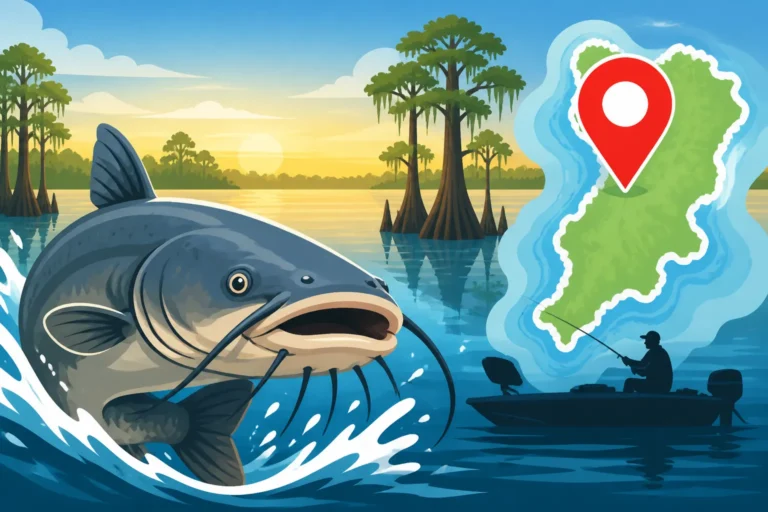
- Catfish: Channel catfish, blue catfish, and even flathead catfish are voracious nocturnal predators. They use their keen sense of smell and barbels to hunt for food in the dark. You’ll find them patrolling ledges, humps, and the deeper channels of Reelfoot. This is when your chances of hooking into a true monster increase dramatically. For more on these whiskered beauties, check out our guide on Catfish Species Found in Tennessee Waters.
- Crappie: These panfish are often drawn to artificial light, which attracts baitfish, creating a feeding frenzy. If you drop a submersible light near a brush pile or cypress tree, it won't be long before crappie start showing up. This technique is incredibly effective on Reelfoot Lake, which is abundant with both crappie and ideal structure. Our article on Crappie Limits Under Tennessee Fishing Rules can help you understand the regulations for your catch.
- Bass: Both largemouth and smallmouth bass, while typically daytime hunters, can be incredibly active at night, particularly during warm periods. They often move shallower to ambush prey that might be disoriented by the darkness or attracted to ambient light sources. Targeting them with topwater lures or dark-colored jigs can be highly productive. If you're looking for broader information, our guide on Tennessee Bass Fishing Seasons and Patterns offers great insights.
The Unique Ambiance of Reelfoot After Dark
Fishing at night on Reelfoot Lake is an experience unlike any other. The vast, shallow lake, with its iconic cypress trees standing sentinel out of the water, takes on an almost mystical quality. The sounds of the day—the motorboats, the chatter, the general hustle—fade into a serene backdrop of crickets, frogs, and the occasional splash.
Imagine casting your line under a blanket of stars, far from city lights. The Milky Way stretches across the sky, uninterrupted by light pollution, offering a breathtaking view. The only light often comes from your headlamp, a lantern on your boat, or the gentle glow of a submersible light beneath the water. This quiet contemplation, combined with the anticipation of a bite, creates an incredibly immersive and peaceful fishing experience. It’s a chance to truly unplug and appreciate the raw beauty of Tennessee's natural landscapes.
Prime Night Fishing Locations on Reelfoot Lake
Reelfoot Lake is truly one-of-a-kind. Formed by a series of earthquakes in the early 19th century, it's shallow, filled with cypress trees, and riddled with submerged stumps and brush piles. This unique geography makes it a phenomenal fishing destination, and these features become even more critical at night.
Navigating the Stump Fields and Cypress Knees
Reelfoot Lake is famous for its dense cypress forests and extensive stump fields. These natural structures are fish magnets, providing cover, ambush points, and foraging grounds. At night, baitfish often seek refuge around these structures, and predatory species like crappie, bass, and catfish follow suit.
- Near the "Blue Basin": While much of Reelfoot is shallow, there are deeper areas, often referred to as the "Blue Basin" or "Blue Hole" which are essentially deeper depressions. The edges where these deeper areas meet the shallower, stump-laden sections are prime targets. Fish will stage in the deeper water during the day and move up into the shallower stumps at night to feed.
- Cypress Tree Lines: Anywhere you find a dense line of cypress trees rising from the water, you'll find fish. These trees offer both overhead cover and a rich underwater ecosystem where algae, insects, and small baitfish thrive. Drifting or slowly trolling along these tree lines with a submersible light can be incredibly productive for crappie, while casting jigs or plastic worms close to the trunks can tempt a lurking bass. Remember, the deeper the water around these trees, the better your chances for larger fish.
Open Water Near Drop-offs and Channels
While Reelfoot is generally shallow, it does have natural and man-made channels, especially in areas dredged for navigation. These deeper sections, along with any subtle drop-offs or humps on the lake floor, become crucial highways for fish moving and feeding at night.
- Dredged Ditches and Canals: There are several named ditches and canals, like Spillway Ditch, within Reelfoot that offer slightly deeper water and provide excellent pathways for fish. Catfish, in particular, will cruise these channels, especially where they intersect with shallower flats. Anchoring on the edge of a channel and casting into the deeper water or onto the adjacent flat can yield great results.
- Transition Zones: Look for areas where the bottom changes from soft mud to firmer sand, or where dense vegetation transitions to open water. These "transition zones" often concentrate baitfish, which in turn attracts predators. Using a good fish finder, even one with a simple display for depth changes, can help you pinpoint these spots in the dark. For anglers less familiar with the lake, checking out a service like FishingBooker can sometimes help you find local guides who know these subtle nuances.
Public Access Points and Piers
For those who prefer bank fishing or don't have access to a boat, Reelfoot Lake still offers excellent night fishing opportunities from its public access points and piers. These locations often have streetlights or other ambient lighting that can draw in baitfish and, consequently, game fish.
- Reelfoot Lake State Park Pier: The pier at Reelfoot Lake State Park near Tiptonville is a popular spot during the day, but it can be equally productive at night. The lights around the pier attract small baitfish, making it a good target for crappie and catfish. It's a safe, well-maintained area for families and those who want to avoid navigating the lake in the dark.
- Boat Ramps and Marinas: Many public boat ramps and private marinas have lights that stay on throughout the night. These areas can be surprisingly good for catching catfish, crappie, and even some species of bass that are drawn to the activity. Just be mindful of boat traffic and give boaters plenty of space. You can find more information about the overall Best Fishing Lakes in Tennessee for an idea of what other types of locations are popular.
Here's a quick overview of some potential night fishing spots:
| Spot Type | Target Species | Key Features | Best Approach at Night |
|---|---|---|---|
| Cypress Tree Fields | Crappie, Largemouth Bass | Dense cover, structure, baitfish congregation | Submersible lights, slow trolling, casting jigs |
| "Blue Basin" Edges | Catfish, Largemouth Bass | Deeper water meeting shallow stumps | Anchor on edge, cast into both deep & shallow zones |
| Dredged Channels | Catfish, Striped Bass | Deeper pathways, current (subtle) | Bottom fishing with cut bait, slow trolling with crankbaits |
| Public Piers | Crappie, Catfish, Panfish | Ambient light, easy access, baitfish attraction | Bobber fishing, bottom rigs, small jigs |
| Boat Ramp/Marina Lights | Crappie, Catfish, Smaller Bass | Artificial light source, structure from docks | Vertical jigging, live bait under a bobber |
Essential Gear and Techniques for Reelfoot Night Fishing
Night fishing isn't just daytime fishing after hours; it requires a specific set of tools and a slightly different approach. Safety and preparation are paramount when you're out on Reelfoot's unique waters in the dark.
Lighting Up Your Night
First and foremost, you need light, not just for seeing but for safety and attracting fish.
- Headlamps: A good quality headlamp with a red light option is non-negotiable. The red light preserves your night vision, which is crucial for tying knots, unhooking fish, and moving around the boat without being blinded. Brands like Black Diamond or Petzl offer excellent options.
- Boat Lights: If you're in a boat, your navigation lights (red/green on the bow, white on the stern) must be fully functional and on from sunset to sunrise. This is a legal requirement and essential for preventing collisions. Additionally, a powerful spotlight or floodlight is vital for spotting hazards like stumps, which are abundant on Reelfoot.
- Submersible Lights: These are game-changers for crappie and sometimes even bass. Green lights are particularly effective at attracting plankton, which draws in baitfish like shad, and then the crappie follow. Lower these lights a few feet below the surface, usually near brush piles or cypress trees, and wait for the show to begin. They can make for some incredible action, turning the dark water into a vibrant feeding zone.
Baits and Lures That Shine in the Dark
When fishing at night, scent, vibration, and silhouette become even more important than color. However, some specialized baits can also be incredibly effective.
- Scented Baits: For catfish, natural baits with a strong scent are king. Cut bait (shad, skipjack herring), chicken livers, and nightcrawlers are always reliable. For crappie, minnows are hard to beat. For a more comprehensive look at attracting catfish, check out our guide on Night Fishing Techniques for Catfish.
- Dark-Colored Lures: When targeting bass, dark-colored lures (black, blue, junebug) often provide a better silhouette against the moonlit sky or artificial lights, making them easier for fish to see. Spinnerbaits with large thumping blades, deep-diving crankbaits, and soft plastics rigged Texas-style or Carolina-style are excellent choices. Vibration helps fish locate them in low visibility.
- Glow-in-the-Dark and UV Lures: Some anglers swear by glow-in-the-dark jigs and plastics, especially for crappie and even trout (though not typically found in Reelfoot's warm waters). Charge them with your headlamp for a few seconds before casting. UV-reactive lures can also pick up any available light and appear more vibrant to fish.
Navigating the Dark Waters of Reelfoot Lake
Reelfoot Lake's unique, stump-filled environment demands extra caution, especially at night. You can't just motor around like you would on a clear reservoir.
- GPS and Chartplotter: A reliable GPS unit with detailed lake maps is invaluable. Mark known channels, hazards, and productive fishing spots during the day. This allows you to navigate safely and return to your spots with confidence at night. Many modern fish finders double as GPS units, offering a dual advantage.
- Slow Speeds: This cannot be stressed enough: slow down. Even with a spotlight, submerged stumps can appear suddenly. Take your time, especially when moving between spots. Consider using your trolling motor for most of your movement once you're in your fishing area.
- Shallow Water Anchors: If you're primarily fishing in shallow water (which is most of Reelfoot), a shallow water anchor system like a Power-Pole or Talon can be incredibly useful. They allow you to quietly and quickly anchor your boat without having to mess with ropes and chain in the dark, keeping you precisely on your spot.
- Local Knowledge: If you're new to Reelfoot, consider hiring a local guide, especially for your first night trip. They know the lake's quirks, hazards, and productive areas like the back of their hand. Services like FishingBooker can connect you with experienced Reelfoot guides who specialize in night trips. These professionals can share invaluable insights that a map simply can't.
Safety First and Reelfoot Lake Specific Regulations
Anytime you're on the water, safety should be your top priority. At night, those concerns are amplified. Reelfoot Lake, with its unique characteristics, requires particular attention to safety and local regulations.
Boating Safety in the Dark
Navigating Reelfoot Lake in the pitch black is not for the faint of heart, or the unprepared. The lake is notoriously shallow and riddled with stumps, many just below the surface, even in areas that might seem clear.
- Proper Lighting: As mentioned, your boat's navigation lights are mandatory. Make sure they are bright and fully functional. Consider carrying spare bulbs if your boat uses traditional incandescent lights. A powerful spotlight can help you navigate slowly, especially in areas where you suspect submerged hazards.
- Life Jackets (PFDs): Everyone on board should have an easily accessible U.S. Coast Guard-approved life jacket. For children under 12, Tennessee law requires them to wear a life jacket at all times while on a boat that is underway. For adults, while not always required to be worn, having them easily accessible is critical, especially at night when visibility is poor and rescue efforts are more challenging. You can learn more about Tennessee Life Jacket and PFD Rules for Boaters.
- Go Slow, Be Aware: This is your mantra for night boating on Reelfoot. Treat every shadow and ripple with suspicion. Maintain a vigilant watch and proceed at speeds that allow you to react to unexpected obstacles. It’s far better to arrive at your fishing spot a little later than to encounter a major issue in the dark.
- Tell Someone Your Plans: Always inform a trusted friend or family member of your float plan: where you're going, when you expect to be back, and who is with you. This is a simple but critical safety measure, especially for night trips.
Understanding Lake-Specific Rules
While most Tennessee fishing regulations apply statewide, some lakes, especially unique ones like Reelfoot, can have specific rules or nuances. It's crucial to be informed before you head out.
- TWRA Resources: The Tennessee Wildlife Resources Agency (TWRA) is your definitive source for all regulations. Before any trip, visit their website or pick up a printed fishing guide. They’ll have the most up-to-date information on creel limits, size restrictions, and any lake-specific zones or rules. Our comprehensive guide on Tennessee Fishing Regulations Explained is a great starting point, but always double-check for Reelfoot Lake specifics.
- Special Zones: Reelfoot Lake has areas with varying regulations, particularly concerning waterfowl hunting seasons, which can overlap with fishing. Be aware of any "no motor" zones or restricted access areas that might apply. While typically more relevant during hunting season, it’s always wise to know.
- License Requirements: Of course, you’ll need a valid Tennessee fishing license. Even for night fishing, the rules are the same. Make sure yours is current. Our guide on How Tennessee Fishing Licenses Work provides all the details.
Respecting the Ecosystem
Night fishing offers a peaceful solitude, and it's our responsibility to keep Reelfoot Lake beautiful and healthy for future generations.
- Leave No Trace: Pack out everything you pack in. This includes old fishing line, bait containers, and any trash. Litter not only detracts from the beauty of the lake but can also be harmful to wildlife.
- Minimize Disturbance: Try to be as quiet as possible. Excessive noise and bright, erratic lights can disturb fish and other nocturnal wildlife. Part of the magic of night fishing is the quiet, so embrace it.
- Handle Fish with Care: If you’re practicing catch-and-release, handle fish gently and return them to the water as quickly as possible. This is especially important for larger trophy fish like bass and catfish, whose survival rates are higher with careful handling. Reelfoot Lake is renowned as one of Tennessee's most productive lakes, as highlighted in our article What Is the Best Lake for Fishing in Tennessee?, so let's keep it that way.
Ultimately, night fishing on Reelfoot Lake is an unforgettable experience. It’s a chance to escape the summer heat, target active nocturnal fish, and immerse yourself in the serene beauty of one of Tennessee's most unique natural wonders. With the right preparation, gear, and respect for the lake, you’ll find yourself hooked on the magic of fishing under the stars. For those planning a trip, considering a guided experience through platforms like FishingBooker can provide a stress-free way to explore the lake safely and efficiently, especially after dark.
Disclaimer
The information provided in this guide is for general informational purposes only and is subject to change. Always consult the official Tennessee Wildlife Resources Agency (TWRA) regulations and local authorities before engaging in any fishing or boating activities to ensure compliance with the most current laws and safety guidelines. Fishing conditions and fish behavior can vary, and success is never guaranteed.