What Is the Best Lake for Fishing in Tennessee?
Oh, the age-old question, "What's the best lake for fishing in Tennessee?" It's a question every angler, from seasoned veterans to excited beginners, has pondered. The truth is, pinpointing one single "best" lake in our beautiful state is like trying to pick a favorite child – it's practically impossible because each one offers something uniquely special. What might be an absolute paradise for a trophy largemouth bass hunter could be entirely different from what a fly-fishing enthusiast dreaming of native brook trout seeks. This guide is here to help you navigate Tennessee's incredible aquatic landscape and find your perfect fishing destination, no matter what you're hoping to reel in.
The Quest for "The Best" Lake in Tennessee – It Depends!
When you ask anglers in Tennessee what the "best" lake is, you're bound to get a different answer from almost everyone you ask. That's not because they're being secretive, but because Tennessee is blessed with such an incredible diversity of waterways, from vast lowland reservoirs to pristine mountain rivers and unique cypress-filled lakes. What's "best" is truly in the eye of the beholder, or more accurately, in the lure of the angler!
Defining "Best" for Your Fishing Style
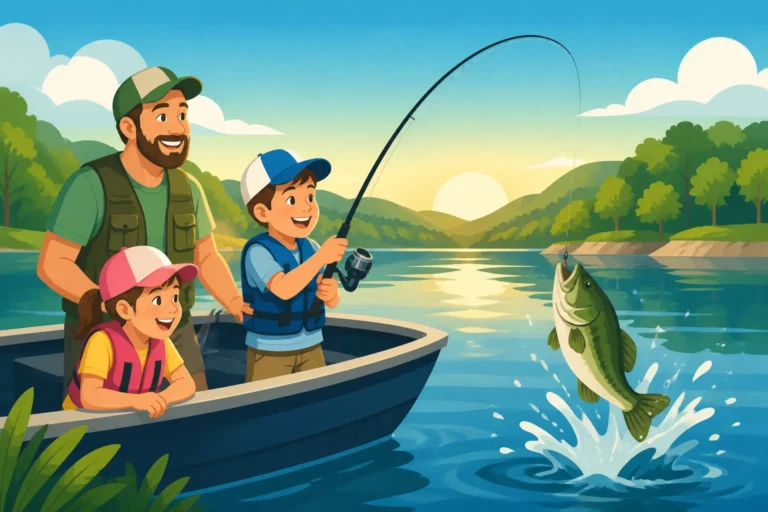
Let's be real, a bass fisherman's dream lake looks completely different from a crappie fanatic's honey hole. If you're chasing that elusive state-record largemouth, you're probably not thinking about a clear, rocky smallmouth stream. And if you're planning a family trip with the kids, ease of access and panfish abundance might outweigh the pursuit of a monster catfish. It's crucial to first define what kind of fishing experience you're looking for. Are you after quantity or quality? A peaceful solitude or a bustling tournament scene? Understanding your own fishing priorities is the first step to finding your personal "best" lake.
For example, if you're all about the adrenaline rush of a big bass fight, you'll be looking for specific types of cover, forage, and water conditions. Your "best" will involve submerged timber, hydrilla beds, and strong populations of threadfin shad. On the other hand, if you're dreaming of a peaceful morning catching panfish for a fish fry, shallow coves, brush piles, and plenty of bluegill or crappie are likely at the top of your list. Tennessee genuinely has it all, but you need to know what "all" means to you.
Variety is the Spice of Tennessee Fishing
Tennessee truly offers an astonishing array of fishing opportunities. We have the huge TVA reservoirs like Kentucky Lake and Chickamauga, which are practically inland seas, stretching for miles and holding massive populations of game fish. Then there are the deep, clear impoundments like Dale Hollow Lake and Norris Lake, known for their stunning beauty and impressive smallmouth bass and walleye. Head east, and you'll find the cold, swift waters of rivers like the Clinch River or the hidden streams of the Great Smoky Mountains, teeming with trout.
This incredible variety means that while one lake might excel for a particular species, another might offer a completely different experience, focusing on a different fish or a unique natural setting. It’s why many anglers find themselves exploring new waters each season, always in search of that next great spot. You might start your spring chasing crappie on Reelfoot Lake, switch to bass on Chickamauga in the summer, and then wind down the year with some fall trout fishing in the mountains. The possibilities are truly endless, and each body of water comes with its own set of challenges and rewards.
Top Contenders for Specific Species and Experiences
Alright, let's get down to brass tacks. While there isn't one single "best" lake for everything, there are definitely standouts for specific types of fishing. Here are some of Tennessee's most celebrated lakes, broken down by what they're famous for.
For Trophy Bass Anglers
If your heart beats for the thrill of a big bass, Tennessee is your playground, and a few lakes consistently rise to the top.
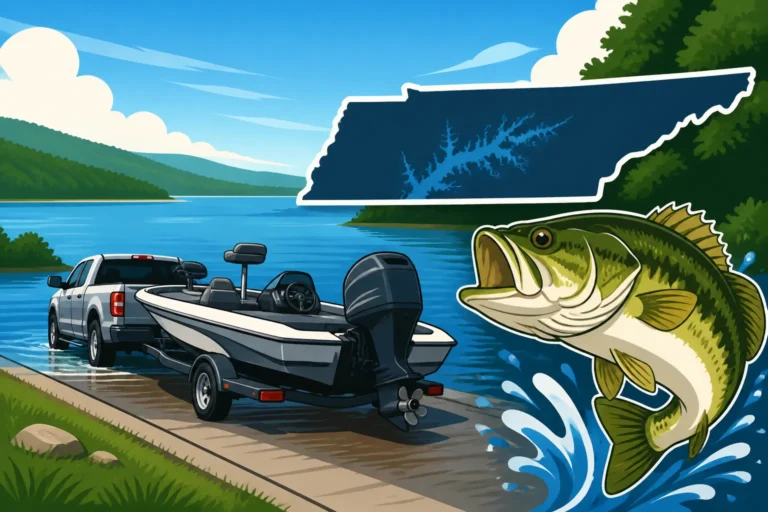
Chickamauga Lake is practically legendary at this point. Located in East Tennessee near Chattanooga, this reservoir on the Tennessee River system has exploded onto the national bass fishing scene. It's renowned for producing not just large numbers of bass, but truly giant largemouths, often pushing into the double digits. The lake's abundant hydrilla, submerged timber, and fertile waters provide the perfect habitat for bass to thrive and grow to enormous sizes. Many anglers visit specifically for a chance at a record-breaking catch. You can often find professional guides specializing in trophy bass here, and checking out services like FishingBooker can help you connect with them to experience what makes Chickamauga a premier destination. If you want to learn more about this fishery, check out our guide on Chickamauga Lake: Tennessee's Top Bass Fishing Destination.
Kentucky Lake, though partially in Kentucky, boasts a significant and incredibly productive section on the Tennessee side, particularly in its southern reaches near Paris, Tennessee. This massive reservoir is a powerhouse for both largemouth and smallmouth bass. Its vast expanses of aquatic vegetation, extensive creek channels, and numerous bays offer endless opportunities. While perhaps not as known for the sheer size of individual fish as Chickamauga, Kentucky Lake offers consistent action and a healthy population, making it an excellent choice for a productive bass fishing trip. Our detailed guide on Kentucky Lake Fishing on the Tennessee Side offers more insights into this popular spot.
Watts Bar Lake also deserves a strong mention. Another Tennessee River reservoir in East Tennessee, Watts Bar offers an incredible blend of diverse habitats. From shallow, stump-filled backwaters to deep main channel ledges, it caters to various bass fishing techniques. It consistently produces healthy populations of largemouth, smallmouth, and even spotted bass, often in impressive sizes. Its sheer size means less crowding in many areas, allowing for a more serene fishing experience while still offering trophy potential.
For Crappie and Panfish Enthusiasts
If you prefer the fast action and delicious table fare of crappie and other panfish, Tennessee has some absolute gems.
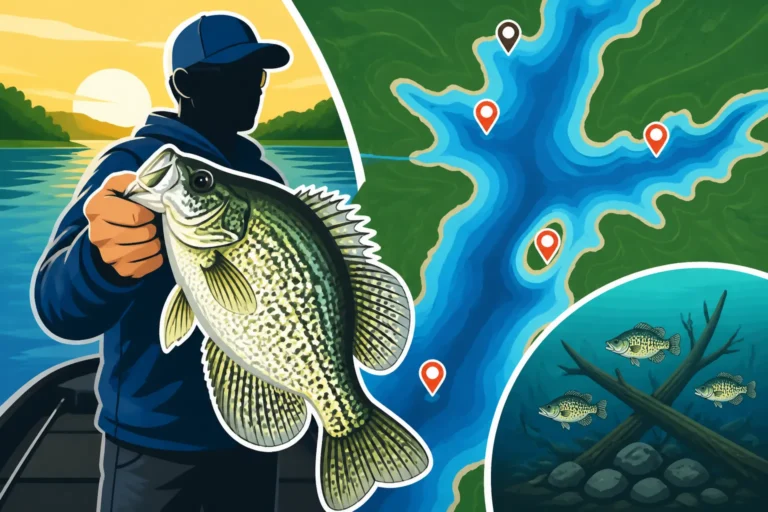
Reelfoot Lake, located in the northwest corner of Tennessee, is truly a unique natural wonder, formed by earthquakes in the early 19th century. It's a shallow, cypress-filled lake that looks unlike any other water body in the state. This distinctive environment makes it an absolute crappie paradise. Anglers flock here in the spring for incredible crappie spawns, but the fishing remains strong year-round among the vast stands of cypress trees and submerged stumps. It’s also fantastic for bluegill and other panfish. The atmosphere here is unlike any other, offering a sense of stepping back in time. For more on this unique fishery, check out Reelfoot Lake Fishing, Tennessee's Cypress Swamp Lake.
Kentucky Lake (again!) is not just for bass; it's a crappie powerhouse. Its immense size, countless creek arms, and vast amounts of submerged structure like brush piles and timber provide ideal habitat for both black and white crappie. Anglers here use various techniques, from spider rigging to single pole jigging, to fill their livewells. The sheer abundance of crappie makes it a reliable choice for a successful outing.
Percy Priest Lake, a large reservoir near Nashville, is another excellent choice for crappie. While also popular for bass and striped bass, Percy Priest’s numerous embayments and standing timber provide ample cover for crappie. The lake is regularly stocked and managed by the TWRA, ensuring healthy populations. It's a very convenient option for those in Central Tennessee looking for some panfish action.
For Diverse Catfish Action
For those who love the fight and the savory taste of catfish, Tennessee's big rivers and reservoirs are hard to beat.
Kentucky Lake stands out once more, especially for trophy-sized blue catfish and channel catfish. Its deep channels, expansive flats, and abundant forage create the perfect environment for these powerful fish. Anglers often target them using heavy tackle and cut bait on trotlines or jug lines, or by simply bottom fishing with stout rods. The chance of hooking into a truly massive blue cat, weighing 50 pounds or more, draws catfishermen from all over.
Pickwick Lake, situated where Tennessee, Alabama, and Mississippi meet, is another premier destination for catfishing. It's known for its robust populations of blue, channel, and flathead catfish. The lake's diverse structure, including rocky ledges, deep holes, and feeder creeks, provides excellent habitat. Night fishing for catfish here can be particularly productive.
The Cumberland River, particularly below the major dams like Barkley Dam or Old Hickory Dam, offers fantastic river catfishing. The moving water and abundant food sources support healthy populations of all three major catfish species. Bank anglers and boaters alike can find success here, often targeting channel catfish with chicken livers or punch baits, and the larger blues and flatheads with fresh cut bait or live bait.
For Scenic Trout Fishing
If fly fishing or spin fishing for cold-water trout is your passion, the eastern part of Tennessee holds some truly special waters.
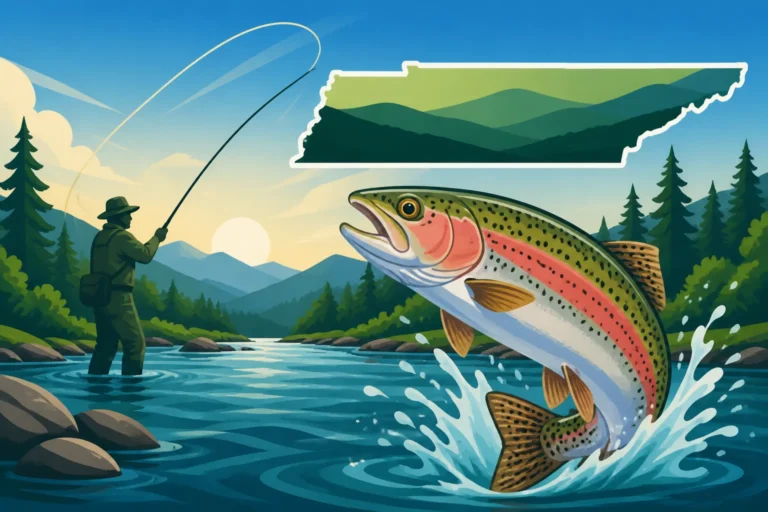
Watauga Lake, nestled in the Appalachian Mountains of Northeast Tennessee, is a deep, cold-water reservoir that supports a fantastic population of rainbow, brown, and brook trout. While many trout spots are rivers, Watauga offers a big-water trout experience, often requiring trolling or deep jigging. The scenery is absolutely breathtaking, making it a beautiful place to spend a day on the water, even if the trout are sometimes elusive.
The Clinch River below Norris Dam is a tailwater fishery justly famous for its consistently cold water and abundant trout. It's regularly stocked with rainbow and brown trout by the TWRA and offers excellent fly fishing and spin fishing opportunities. Wade fishing is popular in many sections, providing a truly immersive experience. Anglers here often catch numerous fish, and the chance at a larger, wild brown trout is always present. For an in-depth look, check out Clinch River Trout Fishing in East Tennessee. Remember that Tennessee's Trout Limit Is 7 Per Day From March Through September, so always be aware of the regulations.
The streams within the Great Smoky Mountains National Park offer a unique, wild trout experience. While the fish may not be trophy-sized, these pristine headwater streams are home to native brook trout, along with wild rainbow and brown trout. Fly fishing with light tackle in these picturesque settings is an unparalleled experience, offering solitude and a connection with nature. Remember that special park regulations apply here, so always check before you go. You'll definitely want to know about the Tennessee Trout Fishing Season Explained before heading out.
Factors to Consider When Choosing Your Fishing Destination
Picking the "best" lake isn't just about what fish are there; it's also about practical considerations that can make or break your trip.
Accessibility and Amenities
Before you pack your gear, think about the logistics. How far do you want to drive? Are you bank fishing or do you need a boat ramp?
Many of Tennessee's larger lakes, like Kentucky Lake, Chickamauga, and Percy Priest, have excellent public access with multiple boat ramps, marinas, and bait shops. These areas are often well-equipped with lodging, restaurants, and other amenities, making them easy to visit for a weekend trip. Smaller lakes or remote river sections, especially in the mountains, might offer incredible fishing but with very limited access, requiring more effort to get there and fewer nearby services. Consider if you need a place to buy bait, get gas for your boat, or grab a quick bite to eat. Some of the most peaceful spots might mean packing everything in.
Another important point: check out options like FishingBooker for charter guides if you’re fishing a new lake. They can often provide all the necessary gear and local knowledge, making your trip seamless, especially if you’re unfamiliar with the area or don’t own a boat.
Time of Year and Water Conditions
Fish behavior is heavily influenced by the seasons and current water conditions. A lake that's fantastic for bass in the spring during the spawn might be challenging in the heat of summer. Trout fishing in mountain streams is typically best in cooler months, while catfish can be active all summer long, especially at night. Understanding Tennessee Bass Fishing Seasons and Patterns is key for planning your trip around your target species.
Always check recent fishing reports, local weather forecasts, and current water levels before heading out. High water after heavy rains can push fish into new areas or make currents dangerous, while low water can expose hazards or change access points. Websites, local bait shops, and even social media groups dedicated to specific lakes can be invaluable sources of up-to-date information. What was "best" last month might not be "best" today!
Local Regulations and Permits
This is a big one. While Tennessee has statewide fishing regulations, many lakes, rivers, and even sections of certain waterways have specific rules that supersede the general ones. These might include different length limits, creel limits, or even special gear restrictions for certain species or times of year. You absolutely need to consult the current TWRA Fishing Guide for the specific body of water you plan to fish.
For instance, while there's a general Tennessee Fishing Regulations Explained guide, a specific lake like Norris Lake might have unique walleye regulations, or a section of the Cumberland River might have special trout limits. Always be sure to carry your valid Tennessee Fishing License Guide (or know How to Get a Tennessee Fishing License) and any necessary permits, like a trout permit if you’re fishing designated trout waters. Ignorance of the rules is not an excuse if a game warden checks you!
Making the Most of Your Tennessee Fishing Adventure
Once you've narrowed down your choices and picked a lake, there are a few more steps to ensure you have a successful and enjoyable trip.
Researching Current Conditions and Guides
Even with the best intentions, local knowledge is king. Before you launch, spend some time digging into recent reports. What baits are working? Where are people finding fish? Are they deep or shallow? Forums, local tackle shop websites, and even online fishing communities can offer fresh insights that aren't in guidebooks.
If you're heading to a major lake and really want to maximize your chances, especially for trophy fish, consider booking a trip with a local fishing guide. They spend countless hours on the water and know the patterns, techniques, and secret spots like the back of their hand. Platforms like FishingBooker make it super easy to find and book experienced guides for virtually any of Tennessee's major fisheries, ensuring you get the most out of your time on the water, whether you're targeting bass on Chickamauga or crappie on Kentucky Lake.
Essential Gear and Preparedness
Having the right gear makes a huge difference. While a simple spin cast rod and some worms can catch fish almost anywhere, specific techniques often require specialized tackle. Are you planning on throwing heavy swimbaits for monster bass, or delicate flies for wild trout? Make sure your rod, reel, line, and lures are appropriate for your target species and fishing style. If you’re just starting out, a good place to begin is by looking into Best Fishing Gear for Beginners.
Beyond your fishing tackle, don't forget essential safety and comfort items. This includes life jackets (mandatory for certain ages and situations), sun protection (hats, sunscreen), plenty of water, snacks, a first-aid kit, and a way to communicate in case of emergency. On many of Tennessee's larger lakes, you can be miles from shore, and conditions can change rapidly. Always let someone know where you're going and when you expect to return.
Embracing the Journey
Ultimately, the "best" lake in Tennessee is the one that provides you with the most enjoyment, whether that means a full livewell, a personal best catch, or simply a peaceful day surrounded by nature. Tennessee's fishing opportunities are vast and varied, truly offering something for everyone. Don't be afraid to explore, try new techniques, and embrace the challenges and rewards that each body of water presents. Every cast is an adventure, and every lake holds the promise of a memorable day. So, pack your gear, check your license, and get ready to discover your own personal slice of fishing heaven in the Volunteer State.
Disclaimer
Please note that fishing regulations, conditions, and fish populations can change. Always consult the latest Tennessee Wildlife Resources Agency (TWRA) regulations before heading out on the water. This guide is for informational purposes only and should not be considered a substitute for official TWRA resources.