Reelfoot Lake Fishing, Tennessee’s Cypress Swamp Lake
Reelfoot Lake is unlike any other body of water you’ll encounter in Tennessee, or honestly, most anywhere else. Its haunting beauty, filled with the skeletal remains of cypress trees jutting from the water, can be incredibly intimidating for an angler who's never navigated such a unique environment. If you've ever felt overwhelmed just looking at a map of Reelfoot, wondering where to even begin, you're not alone. This comprehensive guide is here to unravel the mysteries of Reelfoot Lake fishing, offering practical advice, species-specific tactics, and navigational wisdom to help you confidently cast your line in this truly special cypress swamp lake.
Understanding Reelfoot Lake's Unique Ecosystem
Reelfoot Lake isn’t your typical man-made reservoir or natural glacial lake. This incredible body of water, located in the northwestern corner of Tennessee, is a geological marvel, and understanding its origins is key to unlocking its fishing potential. Its distinct features create an environment that's both challenging and incredibly rewarding for those who learn its secrets.
A Lake Born from Earthquakes
The very existence of Reelfoot Lake is a testament to the powerful forces of nature. Unlike most lakes that are formed by rivers or human intervention, Reelfoot was largely created by a series of massive earthquakes in 1811 and 1812. These seismic events, known as the New Madrid Earthquakes, caused the Mississippi River to temporarily flow backward and significantly altered the landscape. Land subsided, creating a basin that filled with water, submerging vast cypress forests.
This catastrophic birth left behind a shallow, sprawling lake, averaging only 5 to 6 feet deep, though some areas can reach up to 18 feet. The most striking feature, of course, is the dense growth of cypress trees, many still standing as ghostly sentinels, along with countless submerged stumps and logs. This incredibly rich cover provides unparalleled habitat for a wide array of fish species, offering protection and feeding grounds that are hard to replicate elsewhere. However, it also means that fishing here requires a completely different approach than what you might be used to on the big, open reservoirs like Kentucky Lake or Chickamauga.
Navigating the Cypress Forest
Boating on Reelfoot Lake is an experience unlike any other, and it definitely requires a unique skill set and specific equipment. Forget zooming across open water; here, it’s all about slow, deliberate movement and constant vigilance. The entire lake is essentially one giant obstacle course of cypress trees, stumps, and shallow flats. If you're planning a trip, be prepared for some serious navigational challenges.
Many anglers prefer shallow-draft boats, like jon boats or flat-bottom skiffs, which can maneuver through the tight spaces and over the shallower areas without constantly running aground. A powerful trolling motor is absolutely essential – often more so than your outboard engine – for silent navigation through the dense cover and for precise boat positioning when fishing. You’ll find yourself relying on it heavily, often using it to "push" through thick vegetation or to creep up on fish hiding in the cypress knees. GPS is helpful, but local knowledge and an eye for natural markers are often more valuable here. For those without their own suitable boat, or if you just want to take the guesswork out of it, consider checking out platforms like FishingBooker to connect with local guides who specialize in Reelfoot. They not only provide the right equipment but also the invaluable expertise needed to safely and successfully navigate these waters.
Water Levels and Their Impact
Like any natural body of water, Reelfoot Lake's water levels can fluctuate, and these changes significantly impact both fishing and navigation. Being a shallow lake, even minor shifts in water depth can open up or close off vast fishing areas. A slight increase in water level can flood new vegetation, creating fresh feeding grounds and hiding spots for fish, while a drop can make certain areas impassable or concentrate fish into deeper pockets.
Historically, the Tennessee Wildlife Resources Agency (TWRA) manages the water levels to benefit both wildlife and fishing. They typically try to hold higher water levels in spring for spawning activities and gradually lower them throughout the summer and fall. It's crucial to check current conditions before your trip. A few inches can make the difference between a smooth ride to your favorite crappie hole and getting stuck on a hidden stump. Always be mindful of prop wash and stirring up the bottom in shallow areas, which can spook fish. Paying attention to water levels is just another layer of the Reelfoot puzzle that, once understood, can really put you on the fish.
Top Fish Species to Target in Reelfoot Lake
While Reelfoot Lake is rich in biodiversity, three species truly stand out as the primary targets for anglers: crappie, largemouth bass, and a variety of catfish. Each offers a unique challenge and experience in this cypress-laden paradise.
Crappie: The Reelfoot Staple
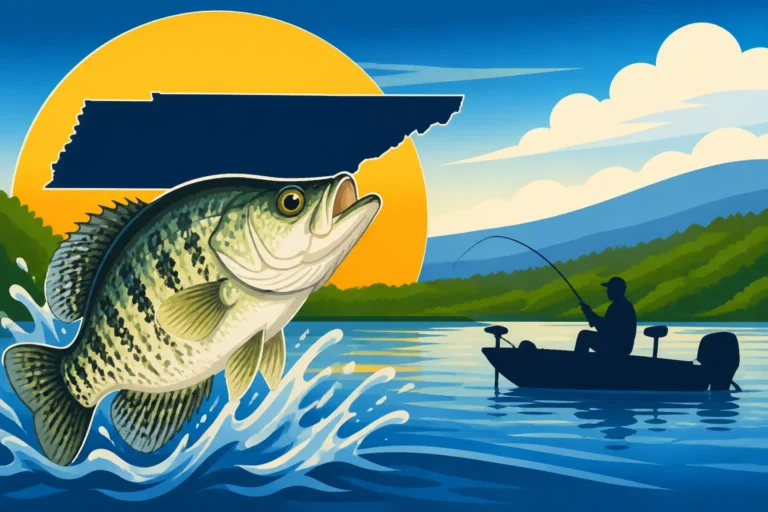
If Reelfoot Lake is famous for one thing, it’s undoubtedly its crappie fishing. Anglers from all over flock to this unique fishery specifically for the chance to fill their livewells with slab crappie, both black and white varieties. The dense cover provided by the cypress trees, stumps, and submerged timber creates an ideal habitat for crappie to thrive, offering both protection from predators and ample ambush points for their prey.
The spring spawn is, without a doubt, the most popular time for crappie fishing on Reelfoot. As water temperatures rise into the 50s and 60s, crappie move into shallower waters to lay their eggs, often congregating around the cypress knees, lily pad stems, and brush piles. This is when spider rigging, a technique involving multiple long rods fanned out from the boat, is incredibly effective. Anglers slowly troll live minnows or small jigs (1/16 to 1/8 ounce) through these spawning areas, covering a lot of water. Popular jig colors include chartreuse, black and chartreuse, or white. Another highly effective method is simply vertical jigging or dipping a minnow around individual cypress trees and brush piles. You can literally go from tree to tree, dropping your bait down and seeing what's home. Remember to keep an eye on the Crappie Limits Under Tennessee Fishing Rules to ensure you're compliant with local regulations, as Reelfoot can sometimes have specific nuances. Beyond spring, crappie can still be caught throughout the year, moving to deeper channels and submerged brush piles during the hotter summer months and colder winter periods. Many local guides on FishingBooker specialize in crappie fishing and can put you right on the best spots, no matter the season.
Bass Fishing Amidst the Stumps
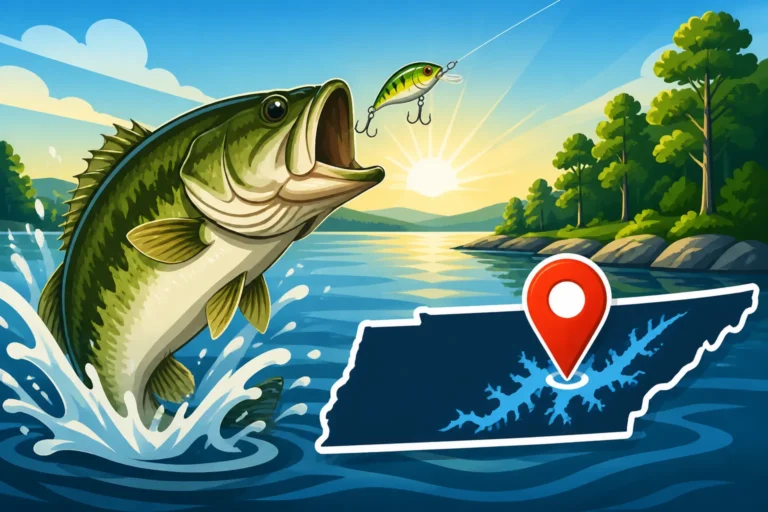
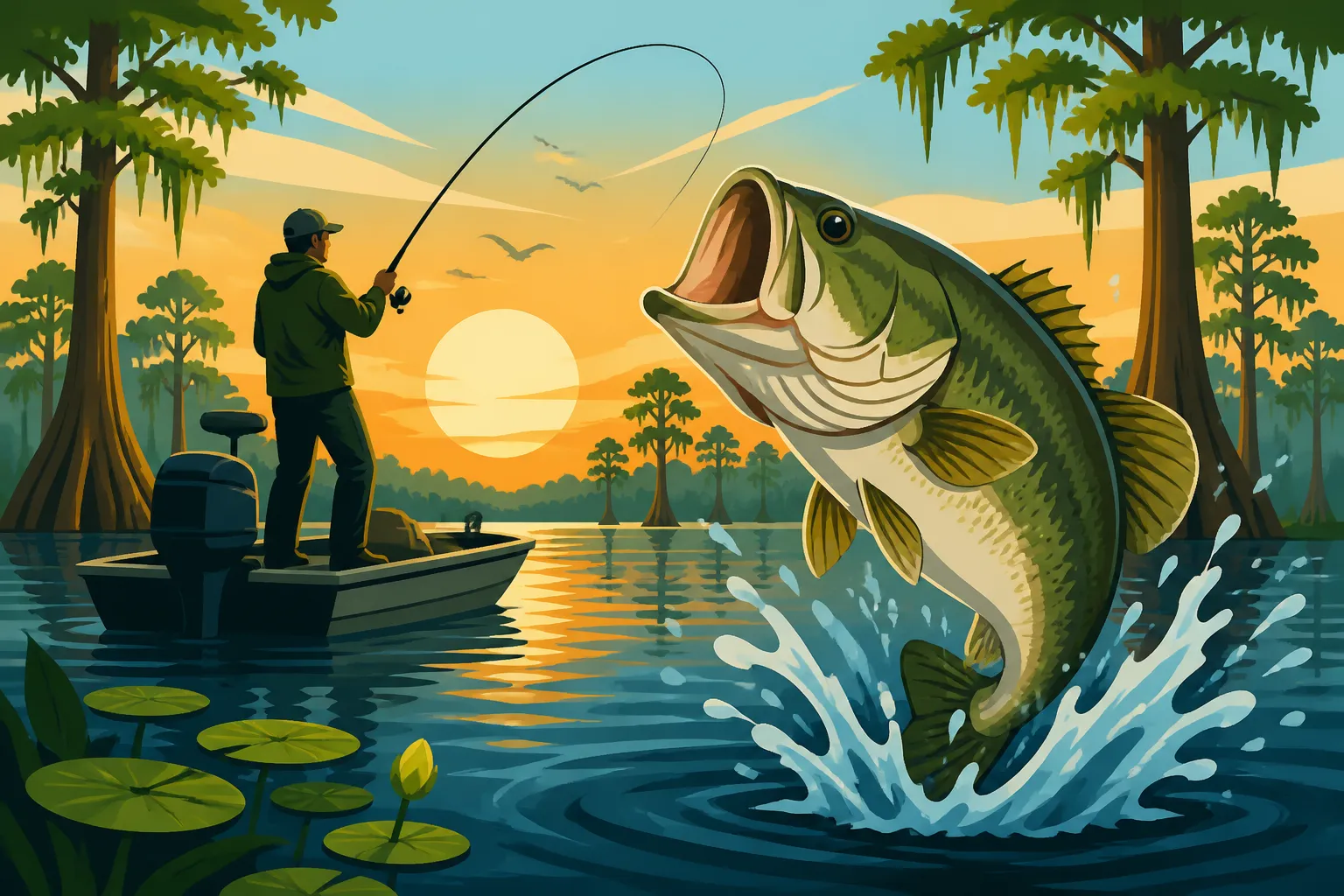
While crappie often steal the spotlight, Reelfoot Lake is also a fantastic destination for largemouth bass, offering some truly exciting and challenging fishing. Unlike open-water bass fishing, here you’re embracing the thick cover. Bass relate very tightly to the structure, meaning every cypress tree, stump, and dense mat of lily pads is a potential hideout for a bucketmouth. This isn't about power fishing across vast flats; it's about precision, patience, and often, heavy tackle.
Topwater lures like frogs, buzzbaits, and poppers are incredibly effective, especially in the early mornings and evenings, when bass are actively feeding near the surface amidst the vegetation. Pitching and flipping jigs, creature baits, or Texas-rigged worms into the thickest cover – right up against cypress knees or into dense matts – is another go-to strategy. The idea is to drop your bait right into their living room. Spinnerbaits and chatterbaits can also be productive when worked through slightly less dense cover or along the edges of weed lines. You'll want strong braided line (at least 50 lb test) to pull these fish out of the heavy cover, as they will try to wrap you around the nearest stump the moment they bite. While statewide regulations on bass apply, it's always wise to double-check for Statewide Bass Limits for Tennessee Anglers and any specific Reelfoot Lake variations before you hit the water. This style of bass fishing is a true test of an angler's skill, but the reward of pulling a hawg from the cypress jungle is truly something special.
Catfish and Panfish Opportunities
Beyond crappie and bass, Reelfoot Lake offers excellent opportunities for various catfish species and a good population of panfish, providing diverse angling experiences for visitors.
The lake is home to channel catfish, blue catfish, and flathead catfish. Catfish thrive in Reelfoot's nutrient-rich, shallow waters, particularly in the deeper channels and holes found throughout the lake, as well as around major brush piles and submerged timber. Channel and blue catfish are readily caught using traditional bottom-fishing techniques with a variety of baits, including cut bait, chicken liver, and stink baits. For flatheads, which prefer live bait, setting out trotlines or jug lines in key areas can be highly effective, especially during the warmer months. These methods are deeply ingrained in the local fishing culture, reflecting a long history of angling for these robust bottom dwellers. If you're looking to learn more about targeting these species, our guide on Tennessee Catfish Fishing Techniques and Seasons offers additional insights.
As for panfish, bluegill, redear sunfish, and warmouth are plentiful and offer fantastic light-tackle action, especially for families or anglers looking for consistent bites. These species are often found in the same shallow, vegetated areas as crappie and bass, seeking cover among the cypress knees and lily pads. Crickets, worms, and small beetle spins or jigs are all excellent baits for panfish. They provide excellent table fare and are a great way to introduce beginners to the joys of fishing.
Essential Techniques and Strategies for Reelfoot
Fishing Reelfoot Lake isn't just about knowing what fish are there; it's about mastering the how in this truly unique environment. The lake demands specific approaches that might differ significantly from your usual fishing spots.
Specialized Gear for Shallow Water
When you're preparing for a Reelfoot Lake adventure, think "heavy-duty" and "shallow-friendly." The typical gear you use on a deep reservoir might not cut it here. First, let's talk about the boat. As mentioned, shallow-draft boats like jon boats or flat-bottom skiffs are the kings of Reelfoot. Their ability to navigate tight spaces and slide over shallow obstacles is crucial. Your motor should ideally be a jet drive or a mud motor for ultimate versatility, though a strong electric trolling motor is essential for silent maneuvering around fish and through dense cover.
For rods and reels, especially when targeting bass or crappie in heavy cover, you'll want durable setups. For bass, consider stout baitcasting rods (medium-heavy to heavy power) paired with reels spooled with at least 50-65 lb braided line. This isn't just for fighting the fish; it’s for pulling them out of the stumps and lily pads they'll dive into. For crappie, especially if you're spider rigging, you'll need multiple long, sensitive jigging rods (10-16 feet) to present baits away from the boat. Medium-light spinning outfits with 6-10 lb monofilament or braid are good for vertical jigging near structure. Don't forget a quality depth finder/fish finder capable of showing you submerged structure, which is everywhere. While specific models might be a matter of preference, something like a Lowrance or Humminbird unit can make a big difference in locating those hidden brush piles. This specialized equipment might seem like a lot, but it’s what sets you up for success on Reelfoot's challenging waters. For beginners looking to get started, our guide on Best Fishing Gear for Beginners can help you choose general equipment, but always remember Reelfoot's unique needs.
Mastering the Art of Cover Fishing
Reelfoot Lake is all about cover. If you're not fishing in, on, or around some kind of structure, you're likely not where the fish are. The abundance of cypress trees, stumps, submerged logs, and dense vegetation is both the lake's greatest asset and its biggest challenge. Mastering cover fishing here means being patient, precise, and often, willing to lose a few lures.
For bass, pitching and flipping heavy jigs or soft plastics into the densest mats of vegetation or right up against cypress trees is a go-to technique. Think about how a bass would ambush prey from these spots – you're trying to mimic that prey falling right into their strike zone. Punching through thick mats with heavy weights is also effective. For crappie, the strategy often involves vertical presentations. Using a long pole or spider rigging allows you to drop baits directly into brush piles or along the sides of cypress trees where crappie often suspend. Experiment with depths, starting shallow and working your way deeper until you find the fish. The key is to get your bait precisely where the fish are hiding, which often means being within inches of solid wood. This might seem daunting, but once you get the hang of it, the rewards are immense.
Seasonal Approaches to Reelfoot Fishing
Just like any fishery, Reelfoot Lake's bite changes with the seasons, and understanding these patterns will drastically improve your success.
- Spring (March-May): This is prime time, especially for crappie. As water temperatures rise, crappie move shallow to spawn, congregating around cypress knees and brush piles. Largemouth bass also become very active, staging for their spawn and then moving into nesting areas. Topwater and shallow-running baits are excellent for bass during this period. Check out our guide on Tennessee Crappie Fishing Guide by Season for more in-depth spring crappie tactics.
- Summer (June-August): As the heat sets in, fish often move deeper to find cooler water and more oxygen. Crappie will be found in deeper channels and under submerged brush piles, often requiring more precise depth control. Bass might move to deeper stump fields or seek shade under dense lily pad mats, where punching heavy jigs can still be effective. Early mornings and late evenings offer the best topwater action.
- Fall (September-November): The cooler temperatures of autumn can trigger a strong feeding frenzy as fish prepare for winter. Crappie and bass often move back to shallower, accessible areas, making them easier to target. This can be an excellent time for both species, offering a similar experience to spring, but often with less fishing pressure. Our Tennessee Bass Fishing Seasons and Patterns article provides great insights into fall bass behavior.
- Winter (December-February): Winter fishing on Reelfoot can be tough, but rewarding. Crappie will be tightly schooled in deeper holes and channels, often requiring patience and very subtle presentations. Bass might also be found congregating in these deeper, more stable temperature zones. Vertical jigging or slow-trolling live bait becomes the primary method. Always prioritize safety in cold weather, especially when navigating a lake with so many hidden hazards.
Planning Your Reelfoot Lake Fishing Adventure
A successful fishing trip to Reelfoot Lake involves more than just knowing where the fish are; it requires careful planning, especially if you're new to the area. From local expertise to practical logistics, here's what you need to consider.
Local Knowledge and Guides
For newcomers to Reelfoot Lake, especially those unfamiliar with cypress swamp fishing, hiring a local guide is hands down the best investment you can make. This isn't just about finding fish; it's about safety and truly understanding the lake's unique personality. Reelfoot is notoriously difficult to navigate due to the endless stumps and shallow areas. A guide knows the safe lanes, the hidden hazards, and, most importantly, where the fish are biting based on current conditions.
Local guides have spent countless hours on these waters, accumulating invaluable knowledge about fish patterns, effective baits, and the subtle nuances of the lake. They often have specialized boats and equipment perfectly suited for Reelfoot's challenges. Using a service like FishingBooker can help you find experienced Reelfoot Lake fishing guides, review their offerings, and book a trip. This way, you step onto the boat with confidence, knowing you're in capable hands and maximizing your chances of a memorable and productive day on the water. Even if you're an experienced angler, a guide can fast-track your learning curve on this complex fishery.
Boat Ramps, Lodging, and Amenities
Reelfoot Lake is well-equipped to host anglers, with several access points and amenities around its perimeter. The primary towns offering services are Tiptonville and Samburg, both of which cater heavily to the fishing and duck hunting communities.
You'll find several public and private boat ramps strategically located around the lake. Popular options include the ramps at Reelfoot Lake State Park, Blue Bank Resort, and several other smaller resorts and bait shops. It's crucial to use designated ramps, as some areas can be extremely shallow or difficult to launch from without local knowledge. Many resorts and lodges, such as Blue Bank Resort and Reelfoot Lake Inn, offer comfortable accommodations, often with boat parking and charging stations for trolling motor batteries. These places are usually hubs of local information, and staff can often provide up-to-date fishing reports. Beyond lodging, you'll find bait shops offering live minnows, worms, and the specific jigs and lures that are proven producers on Reelfoot. These shops are also excellent places to pick up a map and get current local advice. For more general information on Best Fishing Lakes in Tennessee that also offer good infrastructure, you can check out our broader guides.
Licenses and Regulations
Before you even think about dropping a line in Reelfoot Lake, you need to make sure your paperwork is in order. Fishing in Tennessee requires a valid license, and Reelfoot is no exception. While the lake itself is unique, the general Tennessee Fishing License Guide applies here. This means residents and non-residents alike need to purchase the appropriate fishing license.
It's also essential to be aware of any specific regulations that might apply directly to Reelfoot Lake. While many statewide limits and rules are in effect, some lakes, especially unique ones like Reelfoot, might have special provisions for certain species or seasons. Always check the current TWRA fishing guide or their website before your trip to ensure you understand all the nuances of Tennessee Fishing Regulations Explained. This includes understanding daily creel limits and size restrictions for species like crappie and bass, which can sometimes vary. For instance, while most of the lake is within Tennessee, a small portion of it extends into Kentucky, and you'll need to know which state's regulations apply if you venture near the border. Ignorance of the law is never an excuse, so a little pre-trip research goes a long way in avoiding any unwelcome surprises from a game warden.
Safety and Conservation on Reelfoot Lake
While Reelfoot Lake offers incredible fishing, it also presents unique challenges and demands a mindful approach to both safety and conservation. Ensuring you have a safe trip and contributing to the health of this delicate ecosystem is paramount.
Navigational Hazards and Safety Tips
The very features that make Reelfoot Lake so special – the cypress trees, the stumps, the shallow depths – are also its primary navigational hazards. This isn't a lake where you can relax your guard while motoring. Hidden stumps are abundant, and running aground, especially at speed, can cause serious damage to your boat and potentially lead to injuries.
Always operate your boat at a safe, controlled speed, especially if you're unfamiliar with an area. Many local anglers use lower horsepower outboards or mud motors designed for shallow water to minimize risk. Pay close attention to marked channels, but even these can sometimes have hidden dangers. Using a shallow water anchor system can be invaluable for quickly stopping and securing your boat without disturbing the bottom or drifting into hazardous areas. Always wear your life jacket, and ensure you have all required Tennessee Life Jacket and PFD Rules for Boaters safety equipment on board, including a sound-producing device and navigation lights if you plan to be out at dawn, dusk, or night. Remember, a mishap far out in the cypress can be a serious ordeal. If you're planning a trip, consider going with an experienced local guide, easily found through services like FishingBooker, especially for your first few visits, as their expertise significantly mitigates these risks.
Practicing Catch and Release and Ethical Angling
Reelfoot Lake is a treasured natural resource, and it's up to every angler to help preserve its unique fishery for future generations. Practicing ethical angling and conservation is crucial here.
While it's certainly rewarding to keep a limit of crappie or a nice bass for the dinner table, considering catch and release for larger, breeding-size fish can greatly benefit the population. This is especially true for trophy bass, which contribute significantly to the gene pool. When practicing catch and release, handle fish gently, minimize their time out of water, and use proper dehooking tools. Avoid excessive handling, especially if you plan to release the fish. Also, be mindful of the fragile ecosystem. Avoid littering, and if you bring it in, take it out. Respect private property and local rules. The health of Reelfoot Lake's cypress forests and shallow waters depends on all of us being responsible stewards. By following regulations, practicing good sportsmanship, and making conscious decisions about what we keep and what we release, we can ensure that this incredible cypress swamp lake remains a premier fishing destination for years to come.
Reelfoot Lake Fishing Summary
| Species | Best Season | Common Baits | Typical Habitat | Unique Reelfoot Tip |
|---|---|---|---|---|
| Crappie | Spring, Fall | Live minnows, small jigs (1/16-1/8 oz) | Cypress knees, submerged brush piles, lily pads | Spider rig with multiple poles for wide coverage or vertical jigging around stumps. |
| Largemouth Bass | Spring, Fall, Summer | Frogs, jigs, Texas-rigged plastics, spinnerbaits | Dense lily pads, cypress trees, submerged timber | Pitch and flip into the thickest cover with heavy braided line; topwater at low light. |
| Catfish | Summer, Fall | Cut bait, chicken liver, live bait | Deeper channels, holes, large brush piles | Use trotlines or jug lines for flatheads; target channel cats near bottom structure. |
| Panfish | Spring, Summer | Crickets, worms, small beetle spins | Shallow vegetation, cypress knees, sparse brush | Great for kids and light tackle; easily found in protected, shallower coves. |
Disclaimer
Please remember that fishing regulations and conditions can change. Always consult the latest Tennessee Wildlife Resources Agency (TWRA) regulations before heading out to Reelfoot Lake or any other body of water. Safety should always be your top priority when on the water.