Best Bass Fishing Spot on Kentucky Lake
Navigating the sprawling waters of Kentucky Lake to find that elusive "best bass fishing spot" can feel like searching for a needle in a haystack, especially when you're dreaming of a trophy catch. It’s a truly vast lake, and knowing where to start, what to look for, and what techniques to use can be overwhelming. This guide is here to cut through the confusion, offering a deep dive into the prime bass fishing areas on the Tennessee side of Kentucky Lake, helping you pinpoint those productive spots and reel in some impressive largemouth and smallmouth bass.
Understanding Kentucky Lake’s Legendary Bass Fishery
Kentucky Lake, formed by the Tennessee Valley Authority (TVA) impounding the Tennessee River, is an absolute titan in the world of bass fishing. Spanning over 160,000 acres, it’s not just big; it's a diverse ecosystem teeming with structure, forage, and, of course, a healthy population of both largemouth and smallmouth bass. The sheer size alone makes it a challenge, but it's precisely this diversity—ranging from expansive main lake flats and river channels to countless coves, creeks, and standing timber—that makes it so consistently productive year after year.
What truly sets Kentucky Lake apart is its reputation for growing giants. The abundant shad population, coupled with plenty of hydrilla and other aquatic vegetation in many areas, provides an ideal environment for bass to thrive. Anglers regularly pull five-pound-plus largemouth from these waters, and the chance at a truly monstrous eight or ten-pounder is always on the table. Smallmouth bass, while often favoring deeper, rockier structures, also reach impressive sizes here, especially in the clearer, deeper sections closer to the main river channel.
However, the lake’s massive size means conditions can vary significantly from one end to the other, even on the Tennessee side. Water clarity, temperature, and even the presence of specific forage can differ dramatically. This means understanding the general patterns and then adapting to the specific area you're fishing is crucial. Don't go in expecting one magic bait to work everywhere; successful anglers on Kentucky Lake are often masters of versatility, reading the water and adjusting their presentations on the fly.
Prime Bass Fishing Hotspots on the Tennessee Side
While Kentucky Lake stretches across both Kentucky and Tennessee, the Tennessee portion offers some truly exceptional bass fishing opportunities. It's impossible to pick one single "best" spot, as conditions change, but certain areas consistently produce and offer excellent structure for bass throughout the year.
Big Sandy River Embayment
If you’re talking about bass fishing on the Tennessee side of Kentucky Lake, the Big Sandy River embayment is almost certainly the first place seasoned anglers will mention. This massive bay, located on the eastern side of the lake, is renowned for its incredible largemouth bass fishery. It's characterized by extensive shallow flats, submerged hydrilla beds, standing timber, and a winding old river channel that provides deeper water access.
During the spring, especially around the bass spawn timing in Tennessee lakes, the Big Sandy really shines. Largemouth push into the shallower coves and pockets to spawn, making them accessible to anglers throwing spinnerbaits, chatterbaits, and various soft plastics like Texas-rigged worms and creature baits. As the water warms into summer, the bass often retreat to the edges of the hydrilla beds, seeking shade and ambush points. Flipping jigs and punching heavy mats with stout tackle can be incredibly effective here. You'll find countless small creeks and cuts within Big Sandy that are perfect for exploring, and if you're looking for a guide to help navigate these intricacies, services like FishingBooker can connect you with local experts who specialize in this famous area.
New Johnsonville and Paris Landing Areas
Moving south along the main lake, the New Johnsonville and Paris Landing areas offer another fantastic stretch of water for bass. These regions are a bit more diverse than Big Sandy, featuring a mix of main lake points, riprap banks, deep river channel swings, and numerous feeder creeks. The presence of rocky banks and deeper access makes these areas excellent for both largemouth and smallmouth bass, depending on the specific structure you target.
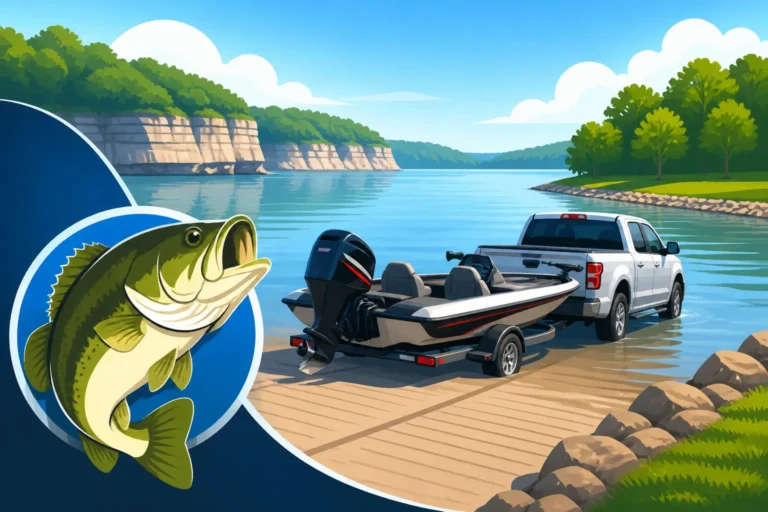
Around Paris Landing State Park, you'll find a combination of natural and man-made structures that hold bass. Riprap along the park's shoreline and bridges provides excellent habitat for baitfish, which in turn attracts bass. In deeper sections, especially where the main river channel swings closer to shore, smallmouth can be found relating to rocky points and humps. Crankbaits, jerkbaits, and football jigs are often the lures of choice in these areas, especially when targeting those smallmouth. If you're planning a trip to this part of the lake, checking out the available boat ramp access on Tennessee's major lakes in this area is a smart first step, as there are many public access points.
Springville and Buchanan Area Creeks
Just a bit north of Paris Landing, the Springville and Buchanan areas, particularly their major creek arms like Springville Creek and Swamp Creek, are fantastic bass havens. These creeks offer a labyrinth of shallow backwaters, submerged timber, lily pads, and creek channels that wind their way through the landscape. They are less exposed to the main lake current, making them excellent sanctuaries for bass, especially during colder weather or periods of high flow on the main river.
These creeks are prime spots for flipping and pitching jigs and soft plastics into dense cover. Topwater lures can also be incredibly effective during low-light conditions or over matted vegetation. Early morning or late evening often sees bass cruising the shallow edges, making them susceptible to buzzbaits and frogs. When the water cools down, the creek channels provide essential deeper water refuge. Understanding the lay of these creeks is key, as the bass will move in and out of the shallower cover depending on weather and water levels. These locations truly highlight the diverse fishing opportunities, whether you prefer to fish from the bank or a boat.
Seasonal Strategies for Kentucky Lake Bass
The "best" spot on Kentucky Lake is truly a moving target, changing dramatically with the seasons. A deep understanding of bass behavior throughout the year is your most powerful tool.
Spring: The Spawn and Pre-Spawn Frenzy
Spring on Kentucky Lake is arguably the most anticipated time for bass anglers, and for good reason. It kicks off with the pre-spawn, when bass begin to move from their deeper wintering grounds towards shallower spawning areas. This is a period of intense feeding, as bass bulk up for the energy-demanding spawning process. Look for them on secondary points, creek channel bends, and transitions between deep and shallow water, particularly in the Big Sandy and major creek arms. Crankbaits, lipless crankbaits, and spinnerbaits are incredibly effective as they aggressively feed.
Once the water temperatures hit the sweet spot (typically in the 60s Fahrenheit), the bass move into the shallows for the spawn. This is when many anglers target bedding fish, often sight-fishing with soft plastics like lizards and tubes in clear, protected coves. Remember, Tennessee's bass limits are generally 5 fish per day, with specific size restrictions, so always be mindful of local regulations. Post-spawn sees bass often retreating slightly deeper, recovering and guarding fry, but still aggressively hitting topwater lures, shaky heads, and lighter jigs as they regain strength.
Summer: Deep Water and Hydrilla Havens
As the Tennessee heat kicks in, bass on Kentucky Lake generally move deeper to escape the scorching sun and seek cooler, more oxygenated water. However, that doesn’t mean they abandon the shallows entirely, especially in areas with extensive hydrilla beds. Early mornings and late evenings will see bass, especially largemouth, pushing into the thick vegetation to feed. Flipping and pitching heavy jigs and creature baits into the heart of the hydrilla, or working frogs and buzzbaits over mats, can be exhilarating.
During the daytime, focus on main lake points, ledges, humps, and the main river channel itself. Bass will often suspend over or relate directly to deep structure. Carolina rigs, deep-diving crankbaits, and heavy football jigs dragged along the bottom are popular choices. This is also a fantastic time to use your electronics to locate schools of baitfish and the bass feeding on them. If you’re not familiar with how to fish for bass in summer heat, it can be a challenging but rewarding time if you adapt your approach.
Fall: Following the Bait
Fall brings a welcome cool-down and a major transition for Kentucky Lake bass. As water temperatures drop, bass become incredibly active, often schooling up and chasing shad in open water and in the backs of creeks. This "fall migration" can be one of the most exciting times to fish. Look for bass busting bait on the surface, especially in the larger creek arms and main lake flats.
Key techniques include throwing topwater lures like poppers and walking baits, as well as fast-moving baits like crankbaits, spinnerbaits, and swimbaits to cover water and locate active schools. As fall progresses and water temperatures continue to drop, bass will move into deeper secondary creeks and start to stage for winter. This is a great time to work bladed jigs, lipless crankbaits, and jerkbaits along channel swings and submerged timber.
Winter: Slow and Deep
Winter fishing on Kentucky Lake is often about patience and precision. The bass, particularly largemouth, will move to their deepest wintering holes, often congregating in large schools in the main river channel, deep creek channels, or around deep timber and humps. Smallmouth will typically stick to their rocky, deep water haunts.
Vertical jigging spoons, slow-rolling spinnerbaits, and various types of jigs (football jigs, hair jigs) are highly effective. The key is to fish slowly and precisely, often targeting specific pieces of structure that you've located with your electronics. Bass metabolisms slow down in the cold water, so a subtle presentation is often more productive. While the bite can be tougher, the rewards can be great, with many anglers catching some of their heaviest bass during the coldest months.
Essential Gear and Techniques for Success
Equipping yourself properly for Kentucky Lake bass fishing is just as important as knowing where to go. The diverse nature of the lake means you'll need a versatile tackle box and the right equipment to handle various conditions.
Rods, Reels, and Line
Given the variety of techniques, you'll want a selection of rods and reels. For flipping and pitching into heavy cover, a heavy-action baitcasting rod (7' to 7'6") paired with a high-speed reel and heavy braided line (50-65 lb test) is essential. For cranking and spinnerbait fishing, medium-heavy baitcasting rods (6'6" to 7') with moderate actions are ideal, spooled with fluorocarbon or monofilament lines (12-20 lb test). For more finesse presentations like shaky heads or drop shots, a medium-light to medium spinning rod with lighter fluorocarbon or braided line (6-10 lb test) will give you the sensitivity you need.
It's also worth noting that some anglers prefer specific setups for different species. For instance, many anglers targeting smallmouth bass on Kentucky Lake might opt for longer, more parabolic rods for casting jerkbaits and covering water, while largemouth anglers might lean towards stiffer rods for power fishing.
Key Baits and Lures
Your tackle box should be well-stocked with the staples that consistently produce on Kentucky Lake.
- Soft Plastics: Worms (Texas-rigged, Carolina-rigged), creature baits, swimbaits, and flukes are all indispensable. Colors like green pumpkin, junebug, and black/blue are go-to choices.
- Crankbaits: A variety of deep-diving, medium-diving, and shallow-diving crankbaits will cover different depths and structures. Squarebills are excellent for shallow timber and rocks.
- Jigs: Football jigs, pitching jigs, and bladed jigs (like a ChatterBait) are highly effective in various situations, from flipping hydrilla to dragging ledges.
- Topwater Lures: Buzzbaits, frogs, poppers, and walking baits are crucial for early morning, late evening, or targeting bass over matted vegetation.
- Spinnerbaits and Swim Jigs: These are excellent for covering water and fishing through sparse cover.
Electronics and Navigation
On a lake the size of Kentucky Lake, modern electronics are almost a necessity. A good fish finder with GPS capabilities will help you locate structure, identify baitfish and bass schools, and navigate safely, especially in areas with submerged hazards. Side imaging and down imaging can reveal crucial details about the bottom composition and hidden cover that standard 2D sonar might miss.
Having updated lake maps, either on your unit or a separate device, is also vital for identifying creek channels, humps, points, and old roadbeds—all prime bass holding areas. If you're using a guide for your Kentucky Lake adventure, they will undoubtedly have top-tier electronics to put you on the fish.
| Season | Primary Depths | Preferred Habitat | Go-To Lures | Key Techniques |
|---|---|---|---|---|
| Spring | Shallow to Mid-Depth | Secondary points, shallow coves, creek channels | Spinnerbaits, crankbaits, soft plastics (lizards) | Power fishing, sight fishing (spawn), pitching |
| Summer | Mid-Depth to Deep | Ledges, main lake points, hydrilla edges | Deep crankbaits, Carolina rigs, jigs, frogs (mats) | Dragging, punching mats, jigging |
| Fall | Mid-Depth to Shallow | Backs of creeks, main lake flats, channel swings | Topwater, crankbaits, spinnerbaits, swimbaits | Covering water, targeting schooling fish, casting |
| Winter | Deep | Main river channel, deep creek bends, humps | Jigging spoons, slow-rolled spinnerbaits, jigs | Slow presentations, vertical jigging, bottom bouncing |
If you're an angler who enjoys the challenge of diverse waters, Kentucky Lake will quickly become one of your favorite fishing spots. It consistently ranks among the top destinations in the country for bass, offering incredible opportunities for both quantity and quality. The best bass fishing spot might change daily, but with these strategies and a little local insight, you'll be well on your way to a memorable day on the water. For those traveling from out of state, remember to check the nonresident fishing license costs in Tennessee, as they differ from resident rates, and you'll want to be sure you're properly licensed before you cast your first line. Also, don't forget to keep an eye on Tennessee's fishing regulations explained, as rules can change seasonally or by specific waterbody. Services like FishingBooker are a great way to find local guides who can cut down the learning curve dramatically, especially if you're visiting for the first time. They can show you the ropes and put you right on the fish, making your trip to Kentucky Lake a fantastic experience from the start.
Disclaimer
Fishing conditions and regulations in Tennessee are subject to change. Always consult the latest rules and advisories from the Tennessee Wildlife Resources Agency (TWRA) before planning your fishing trip. This guide is for informational purposes only and does not guarantee fishing success.