How Tennessee Fishing Licenses Work
It can feel overwhelming trying to figure out all the ins and outs of fishing regulations, especially when you just want to get out on the water and cast a line. The thought of accidentally breaking a rule or getting fined for something you didn't even know about can certainly take the fun out of planning your trip. This comprehensive guide is designed to demystify the entire process of how Tennessee fishing licenses work, ensuring you understand everything from who needs one to how to get it, so you can fish with complete peace of mind.
The Absolute Necessity of a Tennessee Fishing License
Let's face it, nobody likes dealing with paperwork or paying for something they perceive as an extra hurdle to their favorite pastime. But when it comes to fishing in Tennessee, a license isn't just a suggestion; it's a legal requirement that underpins the health and future of our incredible fisheries. Ignoring this crucial step can lead to some pretty uncomfortable situations, and frankly, expensive ones.
Legal Requirements and Avoiding Penalties
Imagine this scenario: You've planned a perfect weekend trip to Percy Priest Lake, bought all your bait, rigged your rods, and are enjoying the serene morning mist, only for a TWRA officer to approach. The first thing they'll ask for, after a friendly greeting, is your fishing license. If you can't produce one, whether digital or physical, you're in for more than just a stern talking-to. Fishing without a license in Tennessee can result in fines that quickly wipe out any savings you thought you were making by skipping the purchase. These penalties can range from dozens to hundreds of dollars, not to mention potential court costs and the confiscation of your fishing gear in more severe cases. It's a risk simply not worth taking, especially when a basic license is so affordable compared to the potential financial hit.
The Role of Licenses in Conservation
Beyond the legal aspect, there's a much bigger picture that every angler benefits from: conservation. Every dollar spent on a Tennessee fishing license goes directly back into managing and enhancing the state's aquatic resources. Think about it – those pristine trout streams in the Great Smoky Mountains, the robust bass populations in Chickamauga Lake, and the healthy crappie hauls in Kentucky Lake don't just happen by accident. The Tennessee Wildlife Resources Agency (TWRA) uses license fees to fund fish stocking programs, habitat restoration projects, scientific research into fish populations, and enforcement efforts to prevent poaching and ensure sustainable practices. When you buy a license, you're not just buying permission to fish; you're actively contributing to the longevity and quality of the very sport you love. It’s an investment in the future of fishing in our beautiful state.
Ensuring Fair Access and Management
Fishing licenses also help ensure fair access and proper management of public waters. By tracking how many licenses are sold, and what types, the TWRA can better understand fishing pressure across different regions and species. This data is vital for setting appropriate Tennessee Fishing Season and Catch Limits and lake-specific regulations. For example, if a particular lake or river is experiencing high fishing pressure for a specific species, the agency might adjust catch limits or introduce length restrictions to allow fish populations to recover and thrive. Without this system, it would be a free-for-all, quickly depleting valuable resources and ruining fishing opportunities for everyone. Your license is a small but mighty tool in the grand scheme of keeping Tennessee's waters vibrant and productive for generations to come.
Navigating the Different Types of Tennessee Fishing Licenses
Tennessee offers a variety of fishing licenses, which, while sometimes a bit confusing at first glance, are designed to cater to different situations. Whether you're a lifelong resident, a visitor enjoying a short trip, or a senior angler, there's a license type that fits your needs. Understanding these options is key to ensuring you purchase the right one and avoid overpaying or, worse, being under-licensed.
Resident vs. Nonresident Options
The most significant distinction in Tennessee fishing licenses is between residents and nonresidents. Generally, if you've lived in Tennessee for at least 90 consecutive days with the intention of making it your permanent home, you qualify for a resident license. This often means providing proof of residency, such as a Tennessee driver's license or state ID. Residents enjoy significantly lower prices, reflecting their ongoing contribution to the state's economy and tax base. For instance, a basic annual resident combination hunt and fish license is a very reasonable option for those who enjoy both activities.
On the other hand, if you're visiting from out of state, you'll need to purchase a nonresident license. These are priced higher, which is standard practice across most states. Tennessee recognizes that nonresidents contribute to the state's tourism economy, but their direct contribution to local conservation efforts through taxes might be less consistent than full-time residents. Nonresident anglers can choose from annual licenses or shorter-term options like a 3-day or 10-day license, which are perfect for a planned fishing vacation. You can find all the specific details on Nonresident Fishing License Costs in Tennessee to plan your trip budget effectively.
Short-Term and Annual Licenses
For many anglers, the choice boils down to a short-term versus an annual license. If you're planning a quick weekend trip or only fish once or twice a year, a short-term license can be incredibly convenient and cost-effective. Tennessee offers options like the Tennessee Single-Day Fishing License Options or even 3-day and 10-day nonresident licenses. These are great for those spontaneous trips to Reelfoot Lake or a brief visit to the family cabin on Dale Hollow.
However, if you find yourself fishing more regularly – say, once a month or more – an annual license almost always makes more financial sense. An annual resident license, such as the Tennessee Resident Combination Hunt and Fish License, covers you for a full 12 months from the date of purchase, allowing you the freedom to fish whenever the mood strikes without having to worry about buying a new permit each time. It's often cheaper in the long run than purchasing multiple short-term licenses throughout the year. For avid anglers, this peace of mind is invaluable, letting them focus on fishing rather than paperwork.
Specialty Licenses and Exemptions
Beyond the standard resident and nonresident annual and short-term permits, Tennessee also offers several specialty licenses and exemptions. For our senior anglers, there's a fantastic Tennessee Senior Annual Fishing License available at a significantly reduced rate once you turn 65 and are a resident. There's even a Tennessee's Lifetime Senior Citizen License which, for a one-time fee, covers hunting, fishing, and trapping for the rest of your life – an incredible value!
Other specific scenarios might include county-specific licenses, such as the Tennessee County-Only Fishing License Explained, which is a cheaper option if you only plan to fish within your home county. However, be extremely mindful of this restriction, as crossing county lines without a statewide license can land you in the same trouble as fishing with no license at all. Always double-check the fine print and ensure your chosen license aligns with your actual fishing habits and locations.
Who Needs a Fishing License in Tennessee
The question of "who needs a fishing license" might seem straightforward, but Tennessee has specific age requirements and special days where a license isn't needed. Understanding these nuances can save you money, time, and potential headaches, especially if you're planning a family outing or are new to the state's fishing scene.
Age Requirements and Youth Exemptions
In Tennessee, the general rule is that anyone aged 13 and older needs a fishing license to fish in public waters. This means if you've got a eager 12-year-old ready to reel in a big one, they can fish without a license. It's a wonderful way to introduce kids to the joys of fishing without an immediate financial barrier. However, once they hit that magic number 13, it's time to get them licensed. The Youth Fishing License Rules in Tennessee are quite generous, and it’s a smart idea to get them accustomed to the process early.
It’s important to note that these age exemptions apply to residents and nonresidents alike for general fishing. However, specific regulations or special permits, like a trout permit, might have slightly different rules depending on the age and specific type of fishing being done. Always cross-reference with the TWRA's official regulations if you have any doubts, especially if you're traveling from another state, as age requirements can vary significantly.
Free Fishing Day and Week
One of the most heartwarming initiatives Tennessee offers is its annual Free Fishing Day, typically held on the first Saturday in June. This is a fantastic opportunity for everyone, residents and nonresidents alike, to enjoy a day of fishing without needing a license. It’s perfect for families, beginners, or anyone who just wants to try out fishing before committing to a license. This special day is often followed by a Tennessee's Free Fishing Week for Kids, extending the license-free period for young anglers aged 15 and under.
These free fishing periods are a boon for encouraging new generations of anglers and allowing seasoned fishermen to share their passion without worrying about license costs for friends or family. It's an excellent time to visit popular fishing spots like Natchez Trace State Park lakes or the community ponds that are often stocked by the TWRA. Just remember, while the license requirement is waived, all other fishing regulations regarding catch limits, size restrictions, and gear still apply, so always be mindful of those.
Exemptions for Private Ponds and Special Circumstances
There are a few other specific exemptions to the Tennessee fishing license rule that are worth knowing. If you're fishing in a privately owned pond or lake, and you are either the owner of that body of water or have explicit permission from the owner, you generally do not need a license. This means if your buddy has a great bass pond on his property, you're good to go without a license, as long as it's truly private and not connected to public waterways.
However, the definition of "private pond" can sometimes be tricky. If the pond is fed by or flows into a public stream or river, it might fall under public water regulations. When in doubt, it's always safer to err on the side of caution and get a license, especially if you're unsure about the pond's exact status. Also, individuals who are permanently confined to a wheelchair, developmentally disabled, or intellectually disabled may also qualify for certain exemptions or special licenses. It's always best to check the latest TWRA regulations or contact them directly for clarification on these specific circumstances.
Understanding Trout Permits in Tennessee
For many anglers, the pursuit of trout in Tennessee's cold, clear mountain streams and tailwaters is a truly special experience. From the Great Smoky Mountains to the Clinch River, trout fishing offers a unique challenge and reward. However, targeting trout often comes with an additional requirement: a trout permit. This can sometimes be a point of confusion for new anglers or those visiting from states with different systems, so let's break down why and when you need this specific endorsement.
Why a Separate Trout Permit
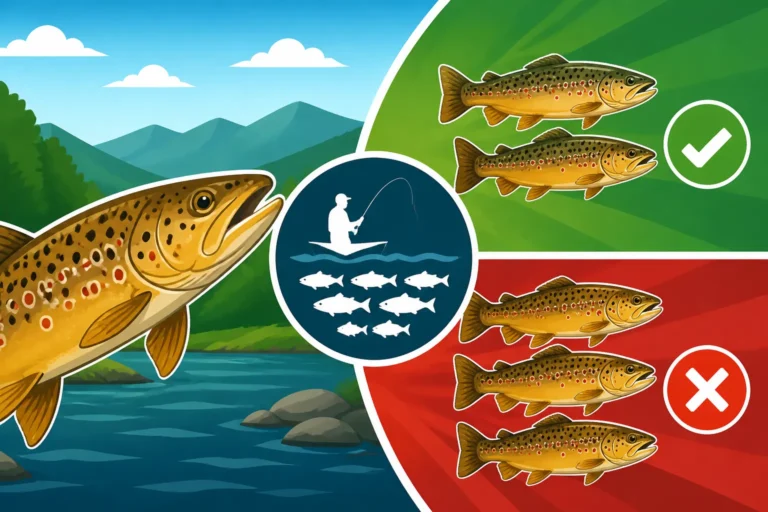
You might wonder why, after purchasing your regular fishing license, you need another permit just for trout. The reason is rooted in specialized conservation efforts. Trout, particularly species like rainbow, brown, and native brook trout, require very specific water conditions – cold, clear, oxygen-rich environments. Maintaining these fragile ecosystems and supporting healthy trout populations through stocking and habitat improvement is costly and requires dedicated resources.
The funds generated from Do You Need a Trout Permit With Your Tennessee License directly support these specific trout management programs. This includes everything from the operation of state hatcheries that raise and stock millions of trout annually into public waters, to stream restoration projects that ensure trout have viable spawning and living habitats. By purchasing a trout permit, you're directly contributing to the unique and ongoing efforts to keep Tennessee a premier trout fishing destination.
When a Trout Permit is Required
The general rule of thumb is that if you intend to fish for, catch, or possess trout in Tennessee, you need a trout permit in addition to your regular fishing license. This applies regardless of whether you're fly fishing, spin fishing, or using bait. It's not about the method; it's about the species you're targeting or might inadvertently catch.
Consider this scenario: You're fishing a river known for smallmouth bass, but it also has a significant population of stocked rainbow trout. Even if your primary target is bass, if you catch a trout and decide to keep it (within the legal limits, of course), you must have that trout permit. It's safer to have it if there's any chance you might encounter trout, even incidentally. This permit requirement is active year-round, not just during specific trout seasons. If you're planning a fishing trip to the Clinch River Trout Fishing in East Tennessee or any of the designated trout waters, this permit is non-negotiable.
Trout Permit Costs and Integration
The cost of a trout permit is typically an add-on to your base fishing license. For Tennessee residents, it's usually a modest annual fee. For nonresidents, it's also an additional cost to their nonresident annual, 3-day, or 10-day license. It's not a standalone license; it's an endorsement that works in conjunction with your base license.
When you go to purchase your fishing license, whether online or at a local vendor, you'll usually be prompted with the option to add a trout permit. Make sure to select this if you have any intention of fishing for trout. Sometimes, certain combination licenses might include the trout permit, but you should always verify this before assuming. For instance, a nonresident annual license with trout will be significantly more than one without trout, clearly indicating the added value and cost for accessing these prized species. It's a small investment that unlocks some of Tennessee's most rewarding fishing experiences.
Where and How to Purchase Your License
Once you understand why you need a license and which one suits you, the next logical step is figuring out where and how to actually get your hands on it. Thankfully, the Tennessee Wildlife Resources Agency (TWRA) has made this process incredibly convenient, offering multiple avenues to ensure you're covered before you even make your first cast. You won't have to jump through hoops to legally enjoy the state's waters.
Online Purchase: The Easiest Method
In today's digital age, the absolute easiest and quickest way to purchase or renew a Tennessee fishing license is online. The TWRA's official website provides a user-friendly portal where you can select your license type, add any necessary permits (like the trout permit!), and complete the transaction in just a few minutes. You can do this from the comfort of your home, your office, or even from your phone while sitting at the boat ramp (though we recommend doing it before you're scrambling).
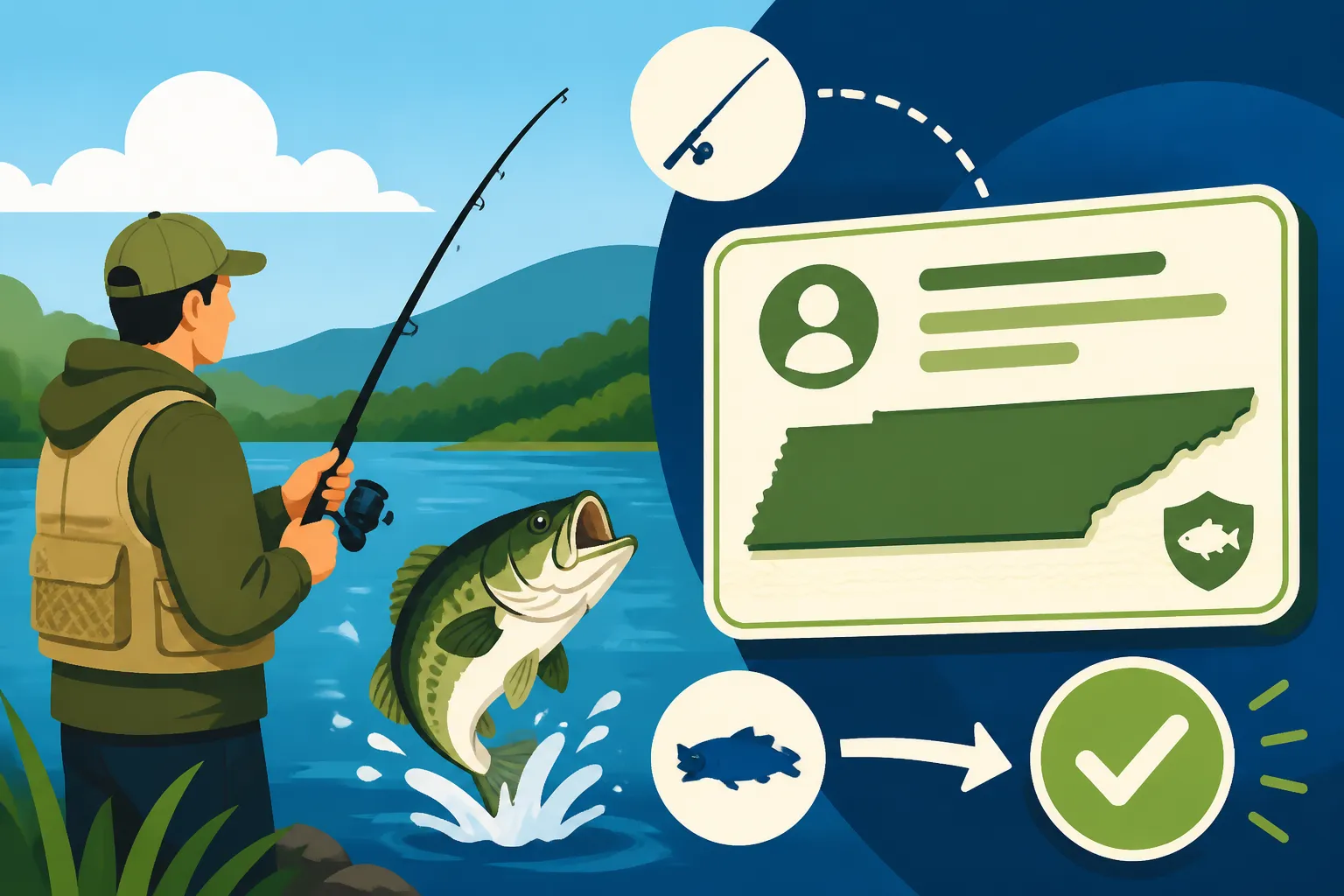
The best part about buying online is that your license is valid immediately. You'll usually receive an email confirmation with a temporary license or instructions to print it out. Better yet, Tennessee embraces the digital age, allowing you to often carry proof of your license on your smartphone. This convenience is a game-changer, especially for those last-minute fishing trips. For a step-by-step guide, check out how easy it is to How to Buy or Renew a Tennessee Fishing License Online.
Authorized License Agents
For those who prefer a more traditional approach or need to pick up bait and tackle anyway, Tennessee has a vast network of authorized license agents scattered across the state. These agents include most bait and tackle shops, many sporting goods stores, county clerk offices, and even some Walmarts and Krogers. This extensive network means you're almost always just a short drive away from a place where you can purchase your license in person.
Purchasing from a local agent has its perks. You get to interact with knowledgeable staff who might offer local fishing tips or current bait recommendations. Plus, you can often pick up everything else you need for your trip – hooks, lines, sinkers, and even a new fishing hat – all in one stop. Just remember to bring your identification (like a driver's license) and any necessary proof of residency if you're buying a resident license. Many anglers appreciate this hands-on approach, making it part of their pre-fishing ritual. For a comprehensive list of locations, refer to Where to Buy a Fishing License in Tennessee.
Digital vs. Printed Licenses
Once you've made your purchase, you'll face the choice of how to carry your license: digital or printed. Tennessee offers flexibility here, acknowledging that anglers have different preferences. A digital license, often displayed on your smartphone via an official app or simply by showing the email confirmation, is incredibly convenient. It saves paper, and you're less likely to forget your phone than a small paper card. This is part of the modern approach to fishing, and helps reduce clutter in your wallet or tackle box.
However, some anglers still prefer a traditional printed license, and that's perfectly acceptable. A laminated card tucked into your wallet or tackle box offers peace of mind, especially if you're in an area with spotty cell service or if your phone battery decides to call it quits. Both options are legally valid, so choose what works best for you and ensures you can always produce proof of your license if a TWRA officer asks. You can read more about the pros and cons in Digital vs Printed Fishing Licenses in Tennessee. Many anglers choose to do both, printing a backup copy and keeping the digital version handy on their phone.
License Validity and Renewal in Tennessee
Getting your Tennessee fishing license is just the first step; understanding its validity period and how to renew it is equally important. There's nothing worse than arriving at your favorite fishing spot, ready to enjoy a peaceful day on the water, only to realize your license expired last week. Let's make sure that doesn't happen to you.
Understanding the 12-Month Validity Period
Unlike some states where licenses might align with the calendar year, most Tennessee fishing licenses are valid for a full 12 months from the date of purchase. This is a fantastic system because it means you get a full year of fishing no matter when you buy it. If you purchase your annual license on July 15th, 2024, it will be valid until July 14th, 2025. This differs from a system where all licenses expire on December 31st, regardless of purchase date, which can feel unfair if you buy late in the year.
This 12-month cycle allows for flexibility in when you choose to buy, perhaps timing it around your birthday or a specific fishing trip. However, it also means you need to keep track of your individual expiration date. It's a common mistake to assume your license expires at the end of the calendar year, leading to accidental lapses in coverage. Knowing How Long a Tennessee Fishing License Stays Valid, and marking that date on your calendar, is key to continuous, worry-free fishing.
Seamless Renewal Process
Renewing your Tennessee fishing license is designed to be as straightforward as the initial purchase. The TWRA understands that anglers want to spend their time fishing, not wrestling with bureaucracy. The online portal is, once again, your best friend here. Most anglers can simply log into their account on the TWRA website, verify their information, select their desired license type (often pre-filled from your previous purchase), and process the payment in minutes.
Many anglers also appreciate that the TWRA often sends out email reminders as your license expiration date approaches. This little nudge can be a lifesaver, helping you avoid that frustrating moment of realizing your license is no longer valid. If you purchased your license through a physical agent, you can still renew it online or visit any authorized vendor again. Keeping your contact information updated with the TWRA ensures you receive these helpful notifications, making the renewal process truly seamless.
Consequences of a Lapsed License
Let's be blunt: fishing with an expired license is the same as fishing without one. The consequences are identical – potential fines, court costs, and possible gear confiscation. It's a situation you absolutely want to avoid. Imagine explaining to a game warden that you just "forgot" to renew. While they might be understanding, ignorance or forgetfulness is not a legal defense.
The best practice is to set a personal reminder a month or two before your license is set to expire. This gives you ample time to renew without feeling rushed. You can add a note to your physical calendar, set a recurring reminder on your phone, or even tie it to another annual event, like changing your car's oil or renewing your vehicle registration. Taking these proactive steps ensures you're always legally covered and can focus on the pure enjoyment of Tennessee's incredible fishing opportunities.
Reciprocity and Special Regulations
Tennessee boasts some incredible waters, many of which are shared with neighboring states or fall under unique management rules. This can add a layer of complexity to understanding how your fishing license works, especially when you're exploring large boundary lakes or specific wildlife areas. It's crucial to be aware of these special circumstances to avoid unknowingly violating regulations.
Fishing Border Waters and Reciprocity Agreements
If you've ever fished on vast reservoirs like Kentucky Lake, which straddles the Tennessee-Kentucky border, or Pickwick Lake on the Tennessee-Alabama-Mississippi line, you might have wondered about license reciprocity. These shared waters can be a bit of a gray area, but generally, Tennessee has agreements with some neighboring states that allow anglers licensed in one state to fish certain portions of the shared waters without needing a second license.
For example, on Kentucky Lake, there are often reciprocal agreements that let a Tennessee-licensed angler fish the Kentucky side of the lake, and vice versa, within specific zones. However, these agreements usually apply only to the shared waters themselves, not to inland rivers or lakes of the neighboring state. If you plan to leave the shared water and fish a river completely within Kentucky, you'd need a Kentucky license. Always check the latest Fishing License Reciprocity Between Tennessee and Neighboring States before venturing out, as these agreements can have specific boundaries and conditions. It's much better to be informed than to risk a fine far from home.
Wildlife Management Area (WMA) Rules
Tennessee's Wildlife Management Areas (WMAs) offer some phenomenal fishing opportunities, often in pristine, well-managed environments. However, these areas frequently have their own set of specific regulations that can sometimes override statewide fishing rules. This might include different catch limits, length restrictions, or even special gear requirements.
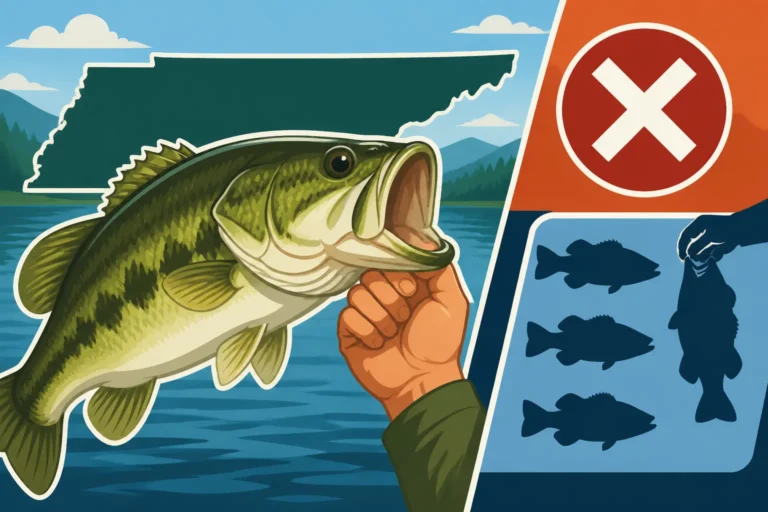
For instance, a WMA might have stricter bass limits than the Statewide Bass Limits for Tennessee Anglers, or perhaps a "no-kill" or "catch-and-release only" policy for certain species during specific times of the year. The rationale behind these stricter rules is to enhance conservation within these protected zones, providing exceptional fishing experiences while safeguarding fragile populations. Before you visit any WMA, it's absolutely essential to consult the TWRA's WMA regulations specifically. These details are usually posted at WMA entrances, on their website, or in the annual fishing guide. Failing to do so can result in penalties, even if you have your statewide license and are following general Tennessee rules.
Lake-Specific and Tailwater Regulations
Beyond WMAs, many individual lakes and rivers in Tennessee, particularly the popular reservoirs and cold-water tailwaters below dams, can have unique regulations that override the general statewide limits. This is often due to specific ecological conditions, fish management goals for that particular body of water, or intensive stocking programs.
A great example is some of the renowned trout tailwaters like the Clinch River or Caney Fork River, where you might find special regulations concerning trout size, creel limits, or even tackle restrictions (e.g., artificial lures only). Similarly, a large reservoir known for trophy bass might have a slot limit that differs from the statewide bass regulations, like the famous rules on Chickamauga Lake. It's critical to remember that Lake-Specific Fishing Rules That Override Tennessee's Statewide Limits are common, and these rules always take precedence. Before fishing any new body of water, make it a habit to quickly check the TWRA's fishing guide or online resources for any specific regulations pertaining to that lake or river. This small step can save you a lot of grief and ensure you're fishing responsibly.
Avoiding Common License Pitfalls
Even with the best intentions, anglers can sometimes fall into common traps regarding their fishing licenses. These pitfalls often stem from misunderstandings, assumptions, or simply forgetting a crucial detail. Being aware of these frequent mistakes can help you navigate Tennessee's fishing regulations smoothly and ensure your time on the water is stress-free.
Always Carry Proof of Your License
This might sound obvious, but it's one of the most common oversights. You've diligently purchased your license, but did you remember to bring it with you? Whether it's a physical printed copy or the digital version on your phone, you must be able to produce proof of your valid license if requested by a TWRA officer or other law enforcement personnel. Forgetting it is, in their eyes, akin to not having one at all until proven otherwise.
Imagine this: you're enjoying a peaceful afternoon fishing on Watts Bar Lake, and a patrol boat pulls up. If you tell them, "Oh, it's at home on the fridge," that's not going to cut it. You'll likely receive a citation and then have to prove in court that you did have a license. This unnecessary hassle can be entirely avoided by simply ensuring your license is in your tackle box, wallet, or readily accessible on your smartphone every single time you head out. Consider getting a waterproof pouch for your physical license, easily found on Amazon, to keep it safe from splashes and unexpected dips.
Don't Assume Reciprocity on All Border Waters
As we touched on earlier, while Tennessee does have some reciprocity agreements with neighboring states for shared waters, it's never safe to assume these agreements cover every scenario or extend indefinitely. A common mistake is thinking that because you can fish the Kentucky side of Kentucky Lake with a Tennessee license, you can also fish the Cumberland River in Kentucky with the same license. That's usually not the case.
Reciprocity agreements are typically very specific about the geographic areas they cover, often limited to the main body of the shared reservoir or a defined stretch of a border river. Stepping outside those defined boundaries, even by a short distance, can put you squarely in violation of the law. If your fishing plans involve moving between states or fishing areas that might be ambiguous, take the few minutes to confirm the exact details of any reciprocity agreement with both state's wildlife agencies. When in doubt, purchasing a short-term license for the other state is the safest bet.
Verify Lake-Specific and WMA Rules
Another frequent pitfall is assuming that your statewide Tennessee fishing license covers all general regulations. While it's true for most public waters, the number of specific exceptions for individual lakes, rivers, and especially Wildlife Management Areas (WMAs) is significant. These local rules often exist for good reasons, such as protecting unique fisheries, managing stocked populations, or addressing environmental factors.
Anglers might be caught off guard by different size limits, lower creel limits, or even "artificial lures only" restrictions that apply only to a specific stretch of a stream. For example, if you plan to target Crappie Limits Under Tennessee Fishing Rules, remember that a specific lake might have a different rule than the statewide default. This is particularly prevalent in popular fishing destinations and highly managed areas. Before fishing any new or unfamiliar body of water, even if it's within your home county, make it a firm habit to check the TWRA's annual fishing guide or their website for any specific rules related to that location. A quick search on your phone can save you a world of trouble and ensure you're compliant with all Tennessee Fishing Regulations Explained.
| License Type | Eligibility | Typical Annual Cost (approx.) | Trout Permit Required? (Extra) | Best For | Notes |
|---|---|---|---|---|---|
| Resident Annual | TN Resident (90+ days) | $33 | Yes | Regular year-round TN fishing | Often combined with hunting. |
| Resident Senior Annual (65+) | TN Resident 65+ | $4 | Yes | Regular year-round TN fishing for seniors | Great value for lifelong residents. |
| Nonresident Annual | Non-TN Resident | $49 (without trout) | Yes ($49 extra) | Frequent visitor fishing in TN | Double price with trout included ($98). |
| Nonresident 3-Day | Non-TN Resident | $20 (without trout) | Yes ($20 extra) | Short weekend trips | Cost-effective for brief visits. |
| Nonresident 10-Day | Non-TN Resident | $30 (without trout) | Yes ($31 extra) | Week-long fishing vacations | Offers more days for only slightly more cost than 3-day. |
| Resident County-Only | TN Resident (fish home county only) | $10 | Yes | Local fishing, never leaving home county | Very restrictive, easy to violate accidentally. |
| Trout Permit (add-on) | Any angler targeting/possessing trout | $21 | N/A | Essential for trout streams/lakes | Must be added to a base license. |
Disclaimer
The information provided in this guide is intended for general informational purposes only and is subject to change. While we strive to offer the most accurate and up-to-date details, fishing regulations, license costs, and rules can be updated by the Tennessee Wildlife Resources Agency (TWRA) without prior notice. It is always the angler's responsibility to verify the current and specific regulations directly with the TWRA before engaging in any fishing activity. Always consult the official TWRA website or their latest annual fishing guide for the definitive and most current information.