Is Free Fishing Week only for Tennessee residents
It's incredibly frustrating when you're trying to do something as wholesome and enjoyable as taking your kids fishing, only to get bogged down in a maze of regulations. Especially when you hear about "free fishing days" or "free fishing weeks," the immediate question that pops into mind is often, "Is this just for the locals, or can we, as visitors, take part too?" If you've been eyeing Tennessee's beautiful lakes and rivers and wondering if Free Fishing Week extends its welcome to non-residents, you're not alone. This guide is designed to clarify exactly who can participate in Tennessee's Free Fishing Week, so you can confidently plan a memorable, license-free fishing trip for the younger anglers in your life.
Unpacking Tennessee's Free Fishing Week: The Basics You Need to Know
Tennessee is renowned for its incredible natural beauty and abundant fishing opportunities, from the serene mountain streams of East Tennessee to the vast reservoirs of the west. To encourage more people, especially the next generation, to experience the joys of angling, the Tennessee Wildlife Resources Agency (TWRA) hosts a special period known as Free Fishing Week. It’s an annual event that truly embodies the spirit of community and outdoor recreation.
What Exactly is Free Fishing Week?
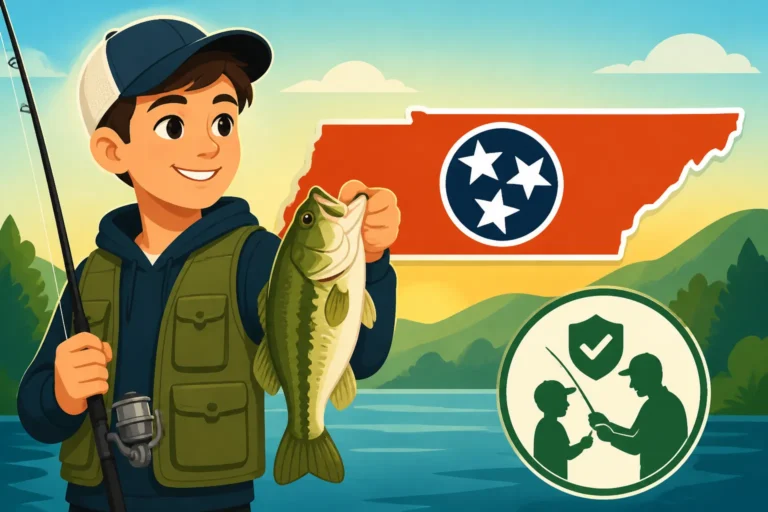
Free Fishing Week is a fantastic initiative aimed primarily at youth anglers, specifically those 15 years of age and younger. During this designated week, these young folks can fish in all public waters across Tennessee without needing to purchase a fishing license or a trout permit. It’s a golden opportunity for kids to cast a line, learn about local fish species, and connect with nature, often for the very first time, without their parents having to worry about additional licensing costs for them. Think of it as a week-long open invitation to foster a love for fishing in a new generation. This focus on youth is what makes it distinct from other free fishing opportunities, ensuring that the next generation gets a chance to explore angling. You might be interested in learning more about Youth Fishing License Rules in Tennessee beyond this special week.
When Does It Happen and Where Can You Go?
Tennessee's Free Fishing Week typically kicks off on the Saturday following the statewide Bobby Wilson Free Fishing Day. For example, if Bobby Wilson Free Fishing Day lands on June 6, 2026, then Free Fishing Week will begin the very next day, June 7, 2026, and run through the following Friday. This means you get a full week dedicated to getting kids out on the water. During this week, all public waters in Tennessee are fair game. This includes the massive reservoirs like Kentucky Lake and Chickamauga Lake, smaller community ponds, state park lakes, and even sections of rivers like the Cumberland and Tennessee Rivers. It's a wide-open invitation to explore a variety of fishing environments. You're encouraged to check the specific regulations for any particular body of water you plan to visit, as some lakes or streams might have special Lake-Specific Fishing Rules That Override Tennessee's Statewide Limits, even during free events. This ensures you're always fishing within the rules, which is crucial for conservation and safety.
The Critical Distinction: Bobby Wilson Free Fishing Day vs. Free Fishing Week
It's easy to get these two confused because they happen so close together and both involve "free fishing." However, there's a very important difference you need to understand.
- Bobby Wilson Free Fishing Day: This is a single day, typically the first Saturday in June. On this day, anyone—regardless of age or residency—can fish public waters in Tennessee without a license. It's truly a universal free-for-all (in the best sense!), designed to allow everyone to experience fishing. This is a fantastic day for adults who might not fish regularly to join their kids, or for non-residents passing through to wet a line without the hassle of buying a short-term license. You can find more details about Bobby Wilson Free Fishing Day in Tennessee if you’re planning around that specific date.
- Free Fishing Week: As we've discussed, this is the week following Bobby Wilson Free Fishing Day. During this week, the "free" aspect primarily applies to youth aged 15 and under. While adults fishing with these kids during Free Fishing Week would still need their appropriate Tennessee fishing license, the children themselves are exempt. This distinction is crucial for families planning their outings, as it determines whether the accompanying adults also need to be licensed.
Understanding these nuances helps prevent any surprises or misunderstandings once you're out on the water. The goal of both initiatives is to promote fishing, but they target slightly different groups for their free access periods.
Addressing the Residency Question: Who Can Truly Participate?
This is the big question, the one that often causes confusion and has many anglers searching for clarification. When a state offers a special event like Free Fishing Week, it’s natural to assume there might be a residency requirement to ensure that local taxpayers are the primary beneficiaries. However, Tennessee operates with a more inclusive approach for this particular event.
The Simple Answer for Non-Residents and Visitors
Here's the straight scoop: No, Free Fishing Week is NOT only for Tennessee residents.
During Tennessee's Free Fishing Week, any child aged 15 or under, regardless of whether they are a Tennessee resident or just visiting from out of state, can fish without a license. This means if you're traveling from Georgia, Alabama, Kentucky, or even further afield, your kids (15 and under) are welcome to participate fully in Free Fishing Week without needing to purchase a Nonresident Fishing License Costs in Tennessee or any other permit for that specific week. This inclusivity is one of the program's greatest strengths, allowing families vacationing in destinations like the Great Smoky Mountains, Nashville, or Chattanooga to integrate a fun, free fishing experience into their trip without any additional red tape for their children. It truly opens up Tennessee's abundant waters to a wider audience, encouraging tourism and family adventures.
Why This Inclusivity Matters for Families
This inclusive policy is a huge win for families. Imagine you're planning a summer vacation to see the sights of Tennessee, maybe exploring the Best Fishing Lakes in Tennessee or taking in the music scene in Nashville. Being able to pack a few kid-friendly fishing rods and know that your little ones can fish for an entire week without an extra cost is a significant advantage. It simplifies planning, reduces expenses, and offers a spontaneous activity that can turn into a cherished memory.
For many non-resident families, the cost and hassle of purchasing a short-term license for everyone, especially for a one-time activity, can be a deterrent. By removing that barrier for children during Free Fishing Week, Tennessee makes fishing accessible and encourages more families to discover the state's natural beauty and recreational opportunities. It's a testament to the TWRA's commitment to fostering a love for the outdoors in all children, not just those living within state lines. This also differentiates it from other situations where Why Nonresident Licenses Cost More With Trout Included or even a basic nonresident license is a significant consideration.
To help visualize the differences between the free fishing opportunities, here's a quick table:
| Feature | Bobby Wilson Free Fishing Day | Free Fishing Week | Regular Fishing (Youth) |
|---|---|---|---|
| Who Can Fish Free? | Everyone (all ages) | Youth 15 & under only | Kids under 13 generally fish free |
| Residency Requirement? | No | No | No (for under 13) |
| Duration | 1 day (1st Saturday in June) | 7 days (following BWFFD) | N/A |
| Adult License Needed? | No | Yes (for adults 16+) | Yes (for adults 16+) |
| Trout Permit Needed? | No | No (for youth 15 & under) | Only with certain licenses for 13-15 year olds |
This table clearly illustrates that both free fishing periods are open to non-residents, making Tennessee a truly welcoming state for visiting anglers.
Beyond the Free Week: Standard Youth Fishing License Rules in Tennessee
While Free Fishing Week is a fantastic perk, it's just one part of the overall picture. For all other times of the year, or if your child is older than 15, you'll need to understand the regular licensing requirements for young anglers in Tennessee. The rules are pretty straightforward once you get the hang of them, but knowing them ahead of time will save you any potential headaches.
The Age Breakdown for Licensing Requirements
Tennessee has a clear tiered system when it comes to who needs a fishing license, and age is the primary factor. It’s designed to make fishing accessible for the very young while introducing responsibility as they get older.
- Children Under 13: This is the simplest category. In Tennessee, children under 13 years of age do not need a fishing license at any time of the year, regardless of whether they are residents or non-residents. This is a wonderful policy that truly encourages parents to introduce fishing to their youngest children without any financial or bureaucratic barriers. You can just grab a rod, some bait, and head to the water with your little ones.
- Youth Ages 13-15: This is where a license can become necessary. If a young person is between 13 and 15 years old, they generally need a junior fishing license to fish in Tennessee outside of Free Fishing Week. This license is specifically designed for this age group and comes at a significantly reduced cost compared to adult licenses. It's a way for these budding anglers to start understanding the system and contribute to conservation efforts without a heavy financial burden. They are not yet considered adults in the eyes of the licensing requirements, but they are old enough to be responsible for their own permit. This is also covered in detail in our guide on Do Kids Need a Fishing License in Tennessee.
- Youth 16 and Older: Once an individual turns 16, they are considered an adult for licensing purposes in Tennessee. At this point, they will need to purchase an adult fishing license, whether they are a resident or non-resident, just like any other adult angler. This typically means purchasing a Tennessee Resident Combination Hunt and Fish License or an equivalent non-resident option.
Understanding these age groups is vital for ensuring your family is always fishing legally and responsibly.
When a Junior License Becomes Necessary
If you have a child aged 13, 14, or 15 who loves to fish and wants to go out more often than just during Free Fishing Week, then investing in a junior fishing license is the way to go. These licenses are usually quite affordable and provide a full year of fishing opportunities. For example, a junior annual statewide license is a small investment that covers all fish species, including trout (though some specific waters might still require special permits, so always check local regulations). You can easily purchase these licenses online through the TWRA website, at local sporting goods stores like those found in larger retail chains, or even through services on Amazon that connect you to local license vendors.
It’s an important step for young anglers to learn about the responsibility that comes with fishing – understanding catch limits, knowing about Tennessee Fishing Regulations Explained, and respecting the environment. Having their own license, even a junior one, helps instill that sense of ownership and responsibility. It shows them that fishing isn't just a free-for-all, but a regulated activity that supports conservation efforts for the very fish they love to catch.
Equipping Your Young Angler: Essential Gear for a Tennessee Adventure
Getting into fishing doesn't have to break the bank, especially when you're just starting out with kids. The goal is to make it fun and accessible, and that means having the right, simple gear. Tennessee's diverse waters offer opportunities for catching everything from bluegill and crappie to bass and catfish, so a versatile setup is key.
Getting Started with Rods, Reels, and Basic Tackle
For young anglers, simplicity and durability are far more important than high-tech features.
- Kid-Friendly Combos: A basic spin-cast rod and reel combo is usually the best starting point. These are easy for small hands to operate, less prone to tangles than spinning reels, and sturdy enough to handle the inevitable bumps and drops. You can often find decent beginner combos for under $30-$50 at sporting goods stores or even on Amazon. Look for something around 4-5 feet long, as this length is manageable for kids. Many fishing companies, like Zebco, make excellent beginner combos specifically designed for youth.
- Line: Spool your reel with 6-8 pound monofilament line. It's strong enough for most panfish and smaller bass your kids will encounter in Tennessee, and it's visible enough for them to track their line in the water.
- Basic Tackle Box Essentials:
- Bobbers: Small, brightly colored bobbers are essential. Kids love watching them dive when a fish bites.
- Hooks: Small, aberdeen-style hooks (size 6 or 8) are perfect for panfish like bluegill and small crappie.
- Sinkers: A few split-shot sinkers will help get your bait down to where the fish are.
- Bait: Live bait like worms or crickets are almost always a hit with kids and highly effective. For artificials, small jigs (1/32 to 1/16 oz) or tiny inline spinners work well. Our guide on Bluegill Fishing Techniques for Kids offers more specifics.
- Other Essentials: Don't forget a small pair of pliers or a hook remover, a stringer or cooler for keeping any keepers fresh, and a towel for slimy hands. Sunscreen, hats, and plenty of water are also non-negotiable for a comfortable day on the water. Many of these items can be easily found and bundled together on Amazon for convenience.
Remember, the goal is to create positive experiences, so focus on gear that promotes ease of use and minimizes frustration for the kids.
Finding the Best Spots for Family Fishing
Tennessee is absolutely brimming with incredible fishing spots that are perfect for families and young anglers. When choosing a location, consider accessibility, safety, and the likelihood of catching something – even small fish can bring immense joy!
- State Parks and TWRA Lakes: Many Tennessee State Parks offer fantastic fishing ponds and lakes that are often stocked and have easy bank access, picnic areas, and restrooms. These are ideal for a relaxed family outing. Additionally, TWRA manages several small lakes specifically designed for public fishing that are regularly stocked with species like catfish, bluegill, and sometimes trout. These spots are often perfect for beginners because they increase the chances of a catch. You can find out more about Tennessee State Park Fishing Spots.
- Community Ponds: Check local city or county parks; many have small ponds that are great for panfishing. These are typically calm waters, often stocked, and highly accessible, making them ideal for kids learning to cast.
- Major Reservoirs (Select Areas): While Tennessee's large reservoirs like Chickamauga, Percy Priest, or Kentucky Lake can be intimidating, many have calmer coves, public fishing piers, and designated bank fishing areas perfect for kids. For example, some parts of Percy Priest Lake Fishing Near Nashville, Tennessee offer excellent shore access. Targeting panfish near docks or brush piles can be very productive. Look for areas with slower current and plenty of cover. Our guide on Best Family Fishing Spots in Tennessee provides even more options tailored for outings with children.
- Fishing from a Boat: If you have access to a boat, it opens up even more possibilities, allowing you to reach prime spots that are inaccessible from the bank. Just remember to adhere to all Tennessee Boat Registration Requirements Explained and ensure everyone, especially kids, wears appropriate life jackets. Our article on Tennessee Life Jacket and PFD Rules for Boaters is a must-read for any boating family.
The key is to pick a spot that matches your family's comfort level and skill, focusing on a safe environment where you can enjoy the outdoors together.
Maximizing the Experience: Tips for a Successful Family Outing
Fishing with kids, especially during something as special as Free Fishing Week, isn't just about catching fish. It's about creating memories, fostering a love for nature, and spending quality time together. A successful trip often has less to do with the size of the catch and more to do with the overall experience.
Focusing on Fun, Not Just Fish
It's easy, as an adult, to get caught up in the pursuit of the "big one" or to feel disappointed if the fish aren't biting. But for kids, the joy is often in the process:
- Celebrate the Small Stuff: Did they successfully cast their line? Did they reel in a tiny bluegill? Did they manage to bait their own hook? These are all huge victories that deserve praise. A simple twig on the line can sometimes be as exciting as a trophy bass to a young angler.
- Embrace Other Activities: Fishing can have downtime. Bring snacks, play eye-spy, look for wildlife, skip rocks, or simply enjoy the sounds of nature. Sometimes the best memories are made during those quiet moments between bites. Pack a book about Tennessee's 291 Native Fish Species and 52 Sport Fish Explained to pique their curiosity about what else lives in the water.
- Teach and Learn Together: Use the time to teach them about conservation, the importance of healthy waterways, and responsible catch-and-release practices. Let them ask questions and explore. Consider this an opportunity for them to develop skills beyond just fishing, like patience and observation.
- Keep It Short: Young attention spans are real. It's far better to have a shorter, successful trip that leaves them wanting more, rather than a long, frustrating one that makes them dread the next outing. An hour or two might be plenty for younger children.
Remember, the goal is to make fishing an enjoyable activity they'll want to repeat, not a chore or a competitive sport.
Safety First on Tennessee Waters
Safety should always be your top priority when heading out on any fishing adventure, especially with children. Tennessee's waters are beautiful, but they demand respect.
- Life Jackets: If you're fishing from a boat, or even near deep or moving water, ensure everyone, especially children, is wearing a properly fitted, Coast Guard-approved life jacket. Tennessee has strict regulations about children under 12 wearing life jackets while underway on a boat, but it's a good practice for all kids near water.
- Sun Protection: The sun in Tennessee, particularly during the summer months when Free Fishing Week usually occurs, can be intense. Apply sunscreen regularly, wear hats with wide brims, and consider lightweight, long-sleeved clothing to prevent sunburn.
- Hydration: Bring plenty of water to stay hydrated. Dehydration can quickly spoil a fun day.
- Hazard Awareness: Talk to your kids about staying away from swift currents, slippery banks, and sharp objects. Teach them how to handle hooks safely and how to remove them from a fish. Make sure they understand that wild animals should be observed from a distance.
- Emergency Preparedness: Always let someone know where you're going and when you expect to return. Have a fully charged cell phone, and if you're in a remote area, consider bringing a basic first-aid kit.
By keeping these safety precautions in mind, you can ensure that your Free Fishing Week experience in Tennessee is not only fun and memorable but also safe for everyone involved. It's a fantastic way to introduce new anglers to the sport without the barrier of a license, and the fact that it's open to residents and non-residents alike makes it even more special for families visiting the Volunteer State.
Disclaimer
Please note that fishing regulations can change. While this guide provides current and accurate information based on available data, it is always recommended to consult the official Tennessee Wildlife Resources Agency (TWRA) website or their most recent fishing guide for the most up-to-date rules and regulations before planning your fishing trip.