Only one bass over 16 inches counts among smallmouth, Alabama and spotted species
It's incredibly frustrating when you're out on the water, reeling in what feels like a trophy fish, only to second-guess yourself about the regulations. The excitement can quickly turn into anxiety if you're not absolutely clear on the rules, especially when it comes to keeping certain bass species. This guide is here to untangle the specifics of Tennessee's bass regulations, focusing on that often-confusing rule about only one smallmouth, Alabama, or spotted bass over 16 inches, so you can fish with confidence and stay on the right side of the law.
Understanding Tennessee's Bass Regulations Beyond the Basics
Tennessee offers some fantastic bass fishing opportunities, but with that abundance comes the responsibility of knowing the specific rules for each species. It’s not just a blanket "keep five fish" rule; there are nuances that separate species and impact how many larger fish you can keep. Ignoring these details can lead to fines, so let’s dive into the specifics, especially for those hard-fighting smallmouth and their spotted cousins.
The Statewide Daily Limit for Black Bass Species
First things first, let's talk about the overall picture. For most of Tennessee's waters, the daily creel limit for what the Tennessee Wildlife Resources Agency (TWRA) refers to as "black bass" is five fish. This category includes largemouth bass, smallmouth bass, Alabama bass, and spotted bass. It's a combined limit, meaning you can't keep five largemouth and five smallmouth; it’s five total from any combination of these species. Imagine you're having a banner day on Watts Bar Lake, pulling in a mix of bass. If you catch three largemouth, you've only got two more slots for smallmouth, Alabama, or spotted bass before you hit your daily limit. It's crucial to keep a mental tally, or even better, a physical one, to avoid accidentally going over. This 5-fish rule is a foundational piece of Statewide Bass Limits for Tennessee Anglers.
However, this isn't the whole story. While you have a combined limit, the size of those fish adds another layer of complexity. This is where many anglers, even seasoned ones, can get tripped up, especially when they're excited about a big catch. It’s not enough to just count; you have to measure too. This attention to detail is what separates a responsible angler from one who might inadvertently break the rules.
The Critical 16-Inch Rule for Smallmouth, Alabama, and Spotted Bass
Now, let's get to the heart of the matter for this discussion: the specific size regulation that applies to smallmouth, Alabama, and spotted bass. While the statewide daily limit is five fish total for black bass, for these particular species—smallmouth, Alabama, and spotted bass—you can only keep one fish that is 16 inches or longer. Yes, you read that right. Just one. This means if you land a gorgeous 18-inch smallmouth, that's your one "trophy" fish over 16 inches for the day, and any other smallmouth, Alabama, or spotted bass you keep must be under that 16-inch mark.
Why does the TWRA have this specific rule? It's largely a conservation strategy. Smallmouth bass, in particular, are slower-growing than largemouth and are highly prized by anglers. Limiting the number of large smallmouth, Alabama, and spotted bass that can be harvested helps protect their spawning stock and ensures the population can continue to produce those exciting, hard-fighting fish we all love to catch. It's about maintaining a healthy fishery for the long run. So, if you're pulling a big smallmouth out of Dale Hollow Lake, which is famous for its smallmouth bass, you’ll need to make a quick decision if you already have a bigger one in your livewell. It encourages selective harvesting and often means releasing truly exceptional fish to fight another day, contributing to future generations of trophy smallmouth. Understanding these nuanced Tennessee Fishing Regulations Explained is key to ethical angling.
Differentiating Between Largemouth and Smallmouth/Spotted Bass for Compliance
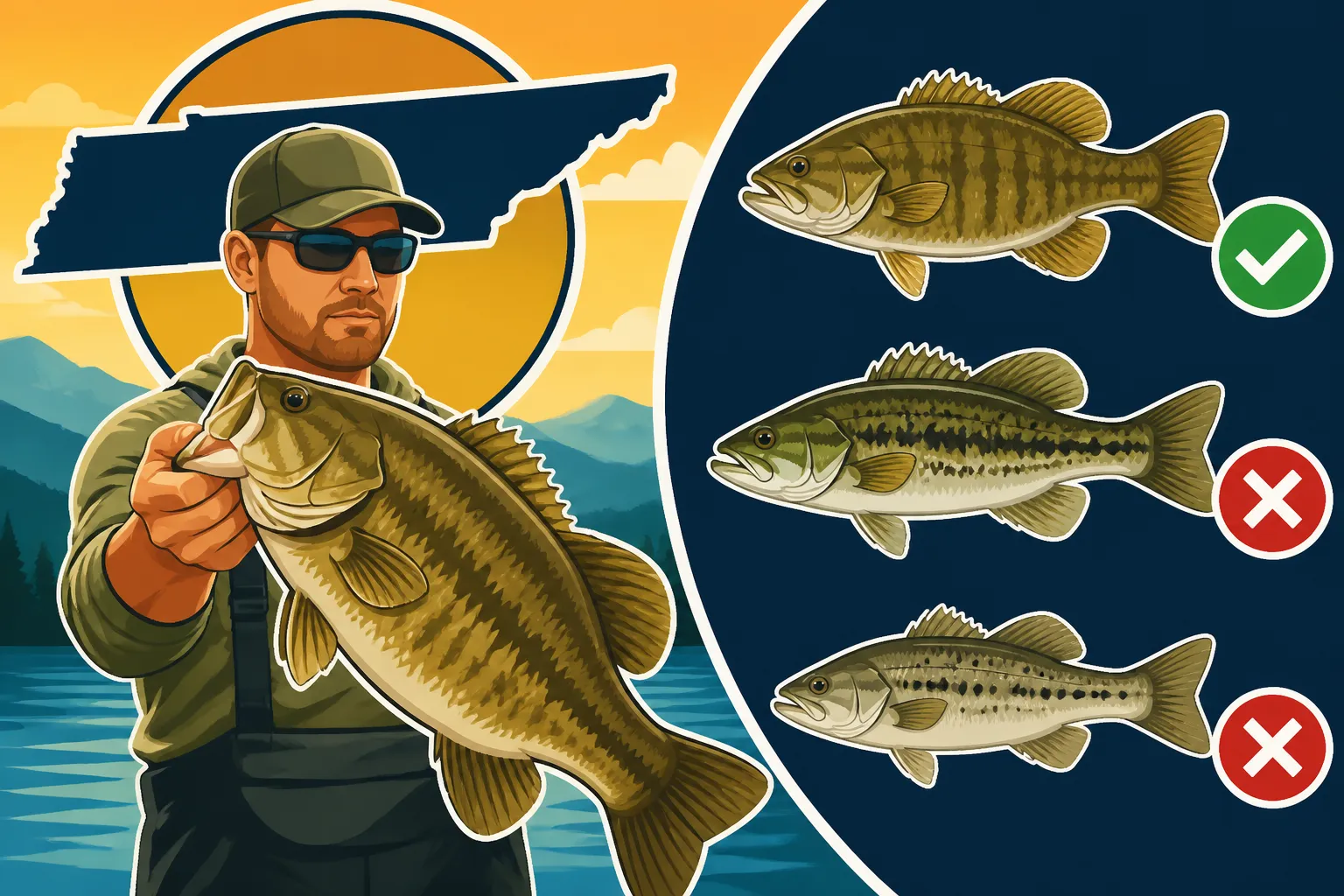
This regulation puts a spotlight on the importance of accurate fish identification. If you can’t tell a largemouth from a smallmouth or a spotted bass, you could easily violate the 16-inch rule without even knowing it. Largemouth bass have their own set of size regulations in most waters, which often involve a 14-inch minimum length and sometimes a slot limit. For example, Tennessee's largemouth bass limit is 5 fish per day, but only one of those can be over 18 inches. See how different that is from the smallmouth rule? You can actually keep a larger largemouth than a smallmouth, provided it's within the specific largemouth limits.
Here’s a quick primer:
- Largemouth Bass: The upper jaw extends past the rear edge of the eye when the mouth is closed. They usually have a distinct, often broken, lateral line that runs down their side. Their dorsal fin (the one on their back) has a deep notch, almost looking like two separate fins. For more details, check out Largemouth Bass Identification Tips for Tennessee Anglers.
- Smallmouth Bass: Often have vertical bars or blotches on their sides. The upper jaw typically does not extend beyond the middle of the eye. Their dorsal fin is less deeply notched than a largemouth's. Smallmouth are the official state fish of Tennessee, known for their powerful fight in rivers and rocky lakes. You can learn more about Smallmouth Bass: Tennessee's Official State Fish here.
- Spotted Bass (Kentucky Bass): These are perhaps the trickiest to distinguish from largemouth. Their upper jaw usually aligns with the middle or front of the eye, similar to a smallmouth. The key differentiator is often a patch of small teeth on their tongue and rows of spots on their lower belly. The dorsal fin has a shallower notch than a largemouth. Alabama bass are a species of spotted bass, and while they can be found in Tennessee, they're less common than the more widespread spotted bass.
Misidentification can lead to a heap of trouble. Imagine you've kept two "largemouth" over 16 inches, thinking you're well within the rules, only to find out one was actually a smallmouth. That's an instant violation. Always, always be sure of what you've caught before you decide to keep it.
Practical Implications for Anglers on the Water
Understanding the rules on paper is one thing, but applying them in the heat of the moment, especially when a big fish is flopping around your boat, is another entirely. These regulations require quick thinking and responsible actions to ensure you're compliant.
The Challenge of Measuring and Deciding on the Fly
Picture this: you've just wrestled a beautiful 17-inch smallmouth into your net. Your adrenaline is pumping, and you're already thinking about the next cast. But wait, what was that rule again? Can you keep it? What if you've already got a 16.5-inch spotted bass in the livewell from earlier? This is where the challenge lies. Measuring a lively fish accurately, particularly if you're fishing alone, can be tricky. A small error could put you over the legal length limit or cost you a keeper. It's easy to get caught up in the excitement and simply guess, but guessing is a surefire way to run into trouble.
You need a reliable, easy-to-read measuring device. A simple stick-on ruler on your boat's gunwale or a dedicated measuring board is a must-have. Don't rely on your rod length or arm span; those aren't precise enough. Furthermore, the decision to keep or release must be made quickly to minimize stress on the fish. Holding a fish out of water for too long while you debate its length and your current livewell situation can harm it, especially if you ultimately decide to release it. Anglers need to be prepared for this on-the-spot decision-making.
How This Rule Impacts Your Keep-or-Release Decisions
The "one over 16 inches" rule for smallmouth, Alabama, and spotted bass significantly influences your strategy, particularly if you're hoping to take some fish home for dinner. If you catch a smaller, say 14-inch, smallmouth early in the day, you might consider keeping it. However, if you then land a magnificent 18-inch smallmouth later, you now have a choice: release the smaller one and keep the larger one as your "one over 16 inches," or release the trophy and keep the smaller one if you still want to fill your quota.
This rule encourages a catch-and-release mindset for many large smallmouth, Alabama, and spotted bass, especially for those who primarily fish for sport. It champions the idea of letting the big breeders go so they can continue to contribute to the fishery. It also subtly steers anglers toward keeping smaller, younger fish that are often excellent table fare and are more abundant. This selective harvesting helps maintain a healthy age structure within the bass population. For a lot of us, the thrill of catching a truly massive smallmouth far outweighs the desire to keep it, especially knowing it's helping the fishery thrive.
Gear and Practices for Responsible Bass Angling
To navigate these regulations effectively and practice responsible angling, certain gear and habits become indispensable. First, as mentioned, a reliable measuring board or ruler is non-negotiable. Many anglers even mark their net or cooler with key lengths to make quick assessments. You can find excellent, boat-friendly measuring devices on sites like Amazon, ranging from simple stick-on rulers to elaborate fold-out boards.
Second, consider investing in a good quality fishing scale if you're interested in weight, but remember, length is king for regulations. A fish gripper or lip-gripping tool can also be incredibly helpful. These allow you to safely handle a fish for measurement and photography without putting your hands inside its gill plate or squeezing its body, which can cause damage. Using one of these can significantly reduce stress on the fish, especially if you intend to release it.
Finally, practice good fish handling techniques. Wet your hands before touching the fish to protect its slime coat. Support its belly, especially on larger fish, to avoid damaging its internal organs or jaw. Minimize its time out of the water. If you're going to release a fish, do so gently, allowing it to swim away under its own power. These practices are not just about compliance; they're about being a good steward of Tennessee's natural resources. For more general advice on what to bring, check out Best Fishing Gear for Beginners.
Lake-Specific Exceptions and Hybrid Bass Considerations
While statewide regulations provide a solid baseline, Tennessee's diverse waterways often have specific rules that can, and sometimes do, override these general guidelines. It's a critical detail that every angler needs to be aware of.
Local Lake Rules That Override Statewide Regulations
This is perhaps one of the most important pieces of advice any experienced Tennessee angler can give: always check the specific regulations for the lake or river you plan to fish. Just because the statewide rule says "one bass over 16 inches" for smallmouth, Alabama, and spotted bass doesn't mean every single body of water follows that. The TWRA implements special regulations on certain lakes and rivers to manage fish populations more effectively, address unique ecological conditions, or promote trophy fisheries.
For instance, some lakes might have a higher or lower size limit for certain bass species, or even a different daily creel limit entirely. Dale Hollow Lake, for example, known for its monster smallmouth, has very specific rules that are designed to protect its trophy-sized population. Percy Priest Lake, near Nashville, often has its own set of rules for various species. Failing to check these local rules is a common mistake and one that can easily lead to a citation, even if you thought you were following the statewide guide. Before every trip, take a few minutes to consult the latest TWRA fishing guide or their website. It’s freely available and an essential read. This variability is why we have specific information on Lake-Specific Fishing Rules That Override Tennessee's Statewide Limits.
The Role of Hybrid Bass in Your Daily Limit
Another point of confusion can arise with hybrid bass. In Tennessee, the most common hybrid is the hybrid striped bass, often a cross between a striped bass and a white bass. These fish are powerful fighters and are commonly found in many of our large reservoirs. It’s important to clarify that hybrid bass count toward the same 5-fish combined limit as smallmouth, Alabama, and spotted species when it comes to the "one over 16 inches" rule. This is specifically stated in the regulations, and it's a detail that often surprises anglers.
So, if you catch and keep a 17-inch hybrid striped bass, that counts as your one fish over 16 inches for the day within that group. Any other smallmouth, Alabama, spotted, or hybrid bass you keep must be under 16 inches. This means careful planning if you're targeting multiple species, especially if you're hoping for a mixed bag to take home. The regulations are very clear that these species are grouped together for that particular size restriction. Understanding the differences, such as explained in Striped Bass vs Hybrid Striped Bass: What's the Difference?, can help prevent misidentification and ensure compliance.
Penalties for Misunderstanding or Violating Bass Limits
Let's not beat around the bush: getting caught violating fishing regulations in Tennessee is not a pleasant experience. Ignorance of the law is generally not an acceptable excuse, and game wardens are dedicated to enforcing these rules to protect our fisheries. The penalties for fishing violations, including exceeding bag limits or keeping undersized fish, can range from significant fines to the confiscation of your gear, or even the loss of your fishing privileges.
Imagine spending hundreds or thousands on your fishing equipment, only to have it taken away because you didn't measure your bass correctly. It's a stark reminder of the importance of staying informed and being diligent. The fines can quickly add up, easily exceeding the cost of an annual license many times over. While we often think of Penalties for Fishing Without a License in Tennessee, the consequences for other violations like over-the-limit fish are just as serious. Always carry your license, know the rules, and if in doubt, practice catch and release. A quick search on your phone for local regulations can save you a lot of headache.
Strategies for Success Within the Regulations
Fishing isn't just about catching fish; it's about the entire experience, and that includes being knowledgeable and respectful of the rules. When it comes to the "one over 16 inches" rule for smallmouth, Alabama, and spotted bass, smart strategies can help you enjoy your trip to the fullest without running afoul of the law.
Targeting Specific Bass Sizes Ethically
If you enjoy keeping a few fish for a meal, but also want to respect the regulations, consider intentionally targeting smaller bass within the legal limits. For many anglers, bass in the 12- to 15-inch range are often considered excellent table fare. These fish are typically more abundant, putting less pressure on the larger, older breeders. Techniques that often yield smaller fish include using lighter tackle, smaller baits, or fishing in areas known to hold younger fish.
When you do hook into a truly large smallmouth, Alabama, or spotted bass, you can make the ethical choice to release it, preserving the genetic potential of the species. This approach allows you to still enjoy the experience of keeping some fish while contributing to the health and vitality of the bass population. It's a win-win scenario that many conservation-minded anglers embrace. Learning about Tennessee Bass Fishing Seasons and Patterns can also help you understand when smaller, younger fish are more active and accessible.
The Catch-and-Release Mindset for Trophy Fish
For many serious bass anglers, the ultimate goal isn't necessarily to keep every big fish they catch, but rather to experience the thrill of the fight, land a trophy, snap a quick photo, and then release it unharmed. This catch-and-release mindset is especially prevalent when it comes to truly magnificent smallmouth, Alabama, or spotted bass that exceed the 16-inch mark. Knowing that you can only keep one over 16 inches often reinforces this attitude.
Releasing a large, healthy fish ensures it can continue to grow, spawn, and be caught again by another angler (or even you!). It contributes directly to the sustainability of the fishery and the longevity of those thrilling moments on the water. Many anglers even refer to their "one over 16 inches" slot as a "trophy slot," meaning they'll only fill it if they catch a truly exceptional fish, opting to release anything else that qualifies for that slot if it's not absolutely giant. It’s a powerful testament to respecting the resource.
Utilizing Technology and Resources for Staying Informed
In this digital age, staying informed about fishing regulations has never been easier. The TWRA website is an invaluable resource, offering downloadable fishing guides, interactive maps, and updates on stocking schedules and rule changes. Many states also offer mobile apps that provide real-time access to regulations, which can be incredibly useful when you're out on the water and need a quick reference.
Local bait and tackle shops are also fantastic sources of information. The folks working there are often avid anglers themselves and can provide insights into current conditions, recent rule changes, and even lake-specific nuances that might not be immediately obvious in the official guide. Never hesitate to ask them for advice before heading out. And don't forget online forums and fishing communities, where experienced anglers often share tips and clarify rules. You can find many useful fishing guides and accessories that aid in compliance on Amazon, from waterproof regulation booklets to advanced fish finders. Being proactive about getting information is your best defense against accidental violations.
Here's a quick summary of the key bass limits in Tennessee:
| Bass Species | Daily Creel Limit | Size Restriction | Notes |
|---|---|---|---|
| Largemouth Bass | 5 (combined) | Only 1 over 18 inches | Combined with smallmouth, Alabama, and spotted bass for the 5-fish total. |
| Smallmouth Bass | 5 (combined) | Only 1 over 16 inches | Combined with largemouth, Alabama, spotted, and hybrid bass for the 5-fish total. This is the critical rule for this guide. |
| Alabama Bass | 5 (combined) | Only 1 over 16 inches | Combined with largemouth, smallmouth, spotted, and hybrid bass for the 5-fish total. |
| Spotted Bass (Kentucky Bass) | 5 (combined) | Only 1 over 16 inches | Combined with largemouth, smallmouth, Alabama, and hybrid bass for the 5-fish total. |
| Hybrid Striped Bass (Wipers) | 5 (combined) | Only 1 over 16 inches | Combined with smallmouth, Alabama, and spotted bass for the 5-fish total. Often confused with Striped Bass, which have different rules. |
| Striped Bass | 2 | Only 1 over 36 inches (statewide) | Specific regulations vary greatly by lake; always check local rules. Not part of the "black bass" 5-fish combined limit, but has its own limits. |
Please remember that this table provides general statewide regulations. Always consult the current Tennessee Fishing Guide from the TWRA for the most up-to-date information and any lake-specific exceptions before your fishing trip.
Disclaimer
Please note that fishing regulations can change. While this guide aims to provide accurate and up-to-date information based on available data, it is ultimately the angler's responsibility to consult the most current Tennessee Wildlife Resources Agency (TWRA) fishing guide or website before heading out. Always verify specific rules for the body of water you intend to fish.