Center Hill Lake Catfish Fishing Spots, Tennessee
Many anglers find themselves staring out at the vast, clear waters of Center Hill Lake, wondering where on earth the catfish might be hiding. It's a gorgeous lake, but its deep, rocky nature can make finding those whiskered beauties a real head-scratcher. Its reputation often leans towards bass and crappie, leaving many to overlook its incredible catfish potential. This comprehensive guide is here to demystify catfish fishing on Center Hill, pointing you to the most productive spots and proven techniques so you can fill your cooler and enjoy the unique challenge this magnificent reservoir offers.
Understanding Center Hill Lake for Catfish
Center Hill Lake, nestled in the Cumberland Plateau, is a deep, clear impoundment on the Caney Fork River. Its dramatic bluffs, submerged timber, and varying depths create a complex underwater landscape. This isn't your typical shallow, muddy catfish pond, and understanding its unique characteristics is key to successful catfishing.
Lake Characteristics and Catfish Species
Center Hill Lake's character is defined by its deep main channel, numerous creek arms, steep rocky banks, and significant fluctuations in water level due to power generation and flood control. Unlike some of Tennessee's other, more turbid lakes, Center Hill boasts remarkably clear water, which can make catfish a bit more cautious, especially during daylight hours. However, this doesn't mean they aren't there in abundance. The lake is home to all three major species of catfish: channel catfish, blue catfish, and flathead catfish.
Channel catfish are the most widespread and are often found in a variety of habitats, from shallow flats to deeper channels. They're opportunistic feeders and can be caught on a wide array of baits. Blue catfish, known for their size and power, tend to prefer deeper, open water areas, especially along the old river channel or major creek beds. They're often found in schools and can grow to impressive sizes here. Flathead catfish, the ambush predators, love heavy cover like submerged timber, rock piles, and undercut banks. They primarily feed on live bait, making them a unique challenge to target. Understanding these species' preferences helps narrow down where to cast your line.
Seasonal Catfish Movements and Behavior
Just like other fish, catfish on Center Hill follow seasonal patterns that dictate their location and feeding habits. Knowing these patterns can significantly increase your chances of success.
In spring, as water temperatures begin to rise, catfish move out of their deep wintering holes and into shallower areas, especially creek arms and flats, looking for food and preparing to spawn. This pre-spawn period, typically from April to early June, can be fantastic for targeting all three species as they become more active. They'll be feeding heavily, often relating to submerged brush, rock piles, or the edges of flats where baitfish are congregating.
Summer brings warmer water, and while catfish are generally active in the heat, the clear waters of Center Hill often push them deeper during the day. Night fishing becomes particularly productive for channel and blue catfish during these months, as they move into shallower feeding grounds under the cover of darkness. Flatheads will remain tied to their heavy cover, becoming more active feeders during low light conditions or at night. The deeper sections of the old Caney Fork River channel and the mouths of major creeks are prime targets.
As fall approaches and water temperatures cool, catfish become very active again. They'll gorge themselves in preparation for winter, making them easier to locate and catch. They often relate to points, channel swings, and areas where baitfish are abundant, moving between deeper and shallower water throughout the day. This is a prime time for targeting trophy blue and flathead catfish before they settle into their winter patterns.
In winter, catfish retreat to deeper, more stable water, often congregating in large schools in the deepest parts of the main lake and creek channels. While their metabolism slows, they still feed, albeit less aggressively. Vertical jigging or slow-drifting cut bait in these deep holes can be effective. This is often the time when big blue catfish are found tightly grouped.
Key Catfish Hotspots on Center Hill
Center Hill Lake offers a variety of underwater structures that attract catfish throughout the year. Knowing where to focus your efforts can save you a lot of time and lead to more productive outings.
Deep Channels and River Bends
The old Caney Fork River channel, which snakes its way through the entire length of Center Hill, is a consistent hotspot for blue and channel catfish, especially in the deeper sections. These channels provide migratory routes, stable temperatures, and often hold large schools of baitfish. Look for bends in the channel, submerged humps, or areas where the channel intersects with creek beds. These are natural congregation points.
Anglers often find success by drifting or anchoring directly over these deep channels, presenting baits on the bottom. Near the dam area, where the lake is at its deepest, these channel fishing opportunities are particularly pronounced. This is a prime location if you're looking to target larger blue catfish that prefer these deeper, more open water environments. If you're new to the lake, hiring a local guide through platforms like FishingBooker can provide invaluable insight into the exact contours and productive stretches of these channels.
Rocky Ledges and Bluff Walls
Center Hill is famous for its steep, rocky bluffs and underwater ledges. These geological features provide excellent cover for flathead catfish and ambush points for all species. Catfish will often lie in wait along these drop-offs, ready to dart out and ambush passing baitfish.
Focus on the base of prominent bluff walls, especially those with shelves, cracks, or submerged boulders. These areas can hold surprisingly large fish. While these spots might be tricky to fish due to snags, the rewards can be significant. The clear water here means these fish might be more active during low light, so dawn, dusk, or night fishing can be especially effective along these rocky structures.
Submerged Structures and Timber
During the lake's impoundment, vast tracts of timber were left standing in many areas. Over time, these trees have become submerged, creating extensive brush piles, stump fields, and laydowns that are absolute magnets for catfish. Flathead catfish, in particular, adore the heavy cover that submerged timber provides, using it as shelter and a perfect ambush point for prey.
Areas like the upper reaches of the lake and the larger creek arms (e.g., Hurricane Creek, Indian Creek, Pine Creek) often hold significant submerged timber. Use your sonar to identify these brush piles and stand-up timber. Fishing adjacent to or directly within these snags, if you dare, can be incredibly productive. Just be prepared to lose some tackle! If you’re planning a trip to this part of Tennessee, a quick search for "Center Hill Lake Fishing Guide" might connect you with an expert who knows these hidden underwater forests best.
Creek Mouths and Flats
When catfish are actively feeding, especially during the spring and fall, the mouths of major creeks and adjacent shallow flats become prime real estate. These areas often have slightly warmer water and higher concentrations of baitfish, making them ideal feeding grounds.
Look for areas where creeks enter the main lake, particularly those with a gradual slope or a defined creek channel that extends into the reservoir. The flats around these creek mouths, especially those with some patchy vegetation or scattered rock, can hold large numbers of channel catfish. Even trophy blue catfish will venture onto these flats during low light or under cloudy conditions. Pay attention to areas around places like Hurricane Bridge or Floating Mill Recreation Area, where creek mouths offer good access.
Effective Catfish Techniques for Center Hill's Unique Waters
Center Hill's depth and clear water require a few specialized approaches to consistently catch catfish. Adapting your techniques to these conditions is crucial.
Bottom Fishing and Still Fishing Strategies
The most common and effective method for catching catfish on Center Hill is bottom fishing. Given the lake's depth, a simple Carolina rig or a slip-sinker rig is usually your best bet. These rigs allow your bait to lie naturally on the bottom while giving the fish minimal resistance when it bites.
For a Carolina rig, you'll typically use an egg sinker or a no-roll sinker above a swivel, with a leader (18-36 inches) and a sturdy circle or J-hook. The leader length can vary depending on how much slack you want between your weight and bait. When still fishing, position your boat over known catfish holding areas like those deep channels or rocky ledges. Deploy multiple rods at different depths or distances to cover more water. The key is patience, letting the scent of your bait do the work. Remember, patience is a virtue, especially when applying these basic Catfish Bottom Fishing Basics.
Targeting Catfish with Jugs and Trotlines
For those looking to cover more water or target a larger number of fish, jug fishing and trotlining can be incredibly effective on Center Hill Lake, provided you adhere to Tennessee's specific regulations. These methods allow you to present multiple baits across a wider area, increasing your chances of intercepting cruising catfish.
Jug fishing involves using free-floating lines attached to individual jugs or bottles. Each jug carries a baited hook, drifting with the current or wind, presenting bait to fish in various locations. This is particularly effective on large, open flats or along extended channel edges.
Trotlines are main lines anchored at both ends, with multiple baited hooks suspended at intervals. These are often set overnight in deep channels, along bluff walls, or through areas of submerged timber. Trotlines can be highly productive for blue and flathead catfish.
Before you deploy either, make sure you understand the specific rules for How to Set Up a Trotline for Catfish and Jug Fishing for Catfish Explained in Tennessee, including labeling requirements and maximum hook limits. These methods are excellent for covering extensive areas of water on Center Hill, especially when you're trying to locate fish that might be scattered. Many guides, often found through services like FishingBooker, specialize in these techniques and can offer hands-on experience and valuable local knowledge.
Choosing the Right Bait for Center Hill Catfish
The choice of bait can significantly impact your success. Catfish are not generally picky eaters, but certain baits perform better for specific species and conditions on Center Hill.
- Cut Bait: Freshly cut shad, skipjack, or bluegill are absolute gold for blue and flathead catfish. The scent trail they leave is irresistible to larger predators. Many anglers catch their own baitfish using cast nets or sabiki rigs before setting out their catfish lines.
- Chicken Liver: A classic choice for channel catfish, chicken liver provides a strong scent that attracts them. It can be messy and falls off the hook easily, so consider using a bait holder hook or wrapping it with a small piece of nylon mesh.
- Nightcrawlers/Worms: While not as potent as cut bait for larger blues and flatheads, a big wad of nightcrawlers can be deadly for channel catfish and smaller blues, especially when fished near the bottom in creek mouths or on flats.
- Prepared Baits (Stink Baits): Various commercial "stink baits" or dip baits are popular for channel catfish. These are typically infused with strong scents to attract fish from a distance. Use them with a sponge hook or a specially designed bait holder.
- Live Bait: For trophy flathead catfish, live bait is almost always the preferred choice. Small sunfish, shad, or shiners, fished on a stout hook near heavy cover, are extremely effective. Flatheads are ambush predators, so a lively baitfish struggling nearby often triggers a strike.
Experimentation is key. What works one day or one season might not work the next. Pay attention to what the locals are using, and don't be afraid to try something different. When in doubt, a local guide booked through FishingBooker can offer up-to-the-minute advice on the most effective baits for current conditions.
Navigating Center Hill Lake for Catfish Anglers
Center Hill is a large, deep lake, and understanding its access points, essential gear, and safety protocols is crucial for a successful and enjoyable catfish outing.
Boat Ramps and Public Access Points
Accessing Center Hill Lake is generally straightforward, with several public boat ramps scattered around the reservoir. Knowing their locations and characteristics can help you plan your trip, especially if you're launching a larger boat or need specific amenities.
Some of the most popular and well-maintained ramps include:
- Center Hill Dam Recreation Area: Located near the dam, this ramp provides excellent access to the deepest parts of the lake and the main river channel. It's often busy but well-equipped.
- Hurricane Bridge Recreation Area: Situated on the Hurricane Creek arm, this ramp provides access to extensive creek channel fishing and submerged timber areas, which are prime for flatheads.
- Long Branch Recreation Area: Another popular spot with good facilities, offering access to a central part of the lake with a mix of main lake points and creek access.
- Floating Mill Recreation Area: Offers access to a busy area of the lake with good structure and proximity to the main channel.
Always check the current water levels before heading out, especially if you plan to use ramps in the upper reaches of creek arms, as Center Hill can experience significant drawdowns. These drawdowns can impact ramp accessibility and expose new fishing structures. For a deeper dive into boat access, check out our guide on Best Boat Ramps on Center Hill Lake.
Essential Gear and Electronics for Catfish Anglers
To tackle Center Hill's catfish effectively, you'll want to be properly equipped. This isn't a lake for flimsy gear!
- Rods and Reels: Heavy-action rods (7-9 feet) paired with stout baitcasting or spinning reels (like the ones suggested in Best Rods for Catfish Fishing) capable of holding at least 150-250 yards of 20-50 lb test monofilament or braided line are ideal. You need the backbone to handle potentially large fish and the strength to pull them out of submerged cover.
- Line: Braided line in the 30-65 lb range is a popular choice for its strength, sensitivity, and resistance to abrasion, especially when fishing around rocks and timber. A fluorocarbon or heavy mono leader can be added for extra stealth or abrasion resistance.
- Hooks: Circle hooks (4/0 to 8/0) are excellent for catfishing as they typically hook fish in the corner of the mouth, reducing gut hooking and making release easier if desired. J-hooks are also used, but require a more direct hookset.
- Sinkers: A variety of weights, from 1-4 ounces, depending on depth and current, will be necessary. Egg sinkers, no-roll sinkers, and flat weights are all useful.
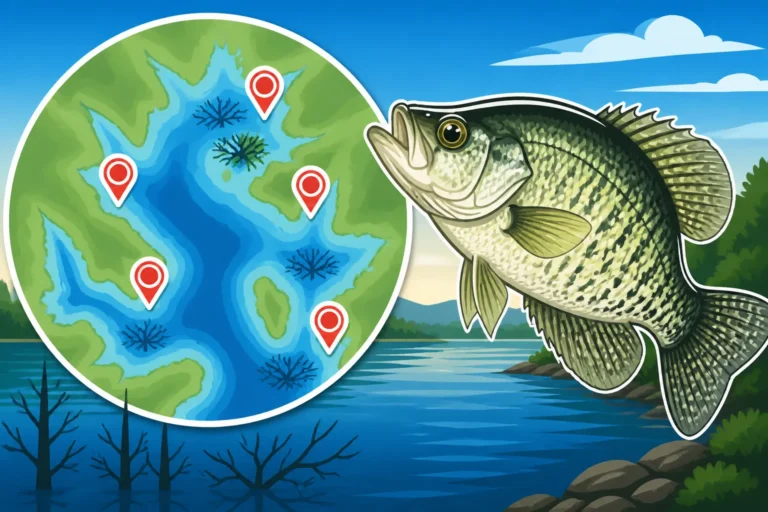
- Electronics: A quality fish finder with GPS is almost indispensable on Center Hill. It helps you locate the old river channel, submerged humps, brush piles, and even schools of baitfish and catfish. The GPS will allow you to mark productive spots and navigate safely. Many modern units offer side-imaging or down-imaging, which can be a game-changer for finding subtle structure.
- Other Essentials: A sturdy cooler for your catch, a long-handled landing net (with a wide hoop for big catfish), pliers, a sharp knife, and plenty of extra tackle (sinkers, hooks, swivels) are all must-haves.
Boating Safety and Navigation Tips
Center Hill Lake is a fantastic fishery, but its deep, clear waters and steep banks also present some challenges, especially for boaters. Always prioritize safety on the water.
The lake can get rough, particularly in the main channel during windy conditions. Always check the weather forecast before heading out and be prepared to take shelter if storms roll in quickly. Carry all required safety gear, including enough life jackets for everyone on board (children under 12 have specific rules), a fire extinguisher, distress signals, and a sounding device. A comprehensive Safety Gear Checklist for Tennessee Boaters is always a good idea.
Navigation can be tricky due to the lake's complex topography and submerged hazards like timber. Never run at high speeds in unfamiliar areas, especially in the creek arms where stump fields can be prevalent just below the surface. Utilize your GPS and sonar to stay in safe channels and identify hazards. If you plan to fish at night for catfish, ensure your boat's navigation lights are fully functional and visible. The clear, dark water can make submerged objects even harder to see after sunset.
Always let someone know your float plan, including where you're going and when you expect to return. This simple step can be a lifesaver in an emergency. Being prepared and aware of your surroundings will ensure your Center Hill Lake catfishing adventure is both productive and safe.
| Center Hill Lake Catfish Hotspots | Best Species to Target | Recommended Techniques | Best Baits | Notes |
|---|---|---|---|---|
| Deep Channels & River Bends | Blue, Channel Catfish | Bottom Fishing, Drifting | Cut Shad, Skipjack, Chicken Liver | Excellent for larger blues; stable temps, good current. |
| Rocky Ledges & Bluff Walls | Flathead, Channel Catfish | Bottom Fishing, Still Fishing | Live Bait (shad, sunfish), Cut Bait | Flatheads ambush prey here; clear water means low light is key. |
| Submerged Structures & Timber | Flathead, Channel Catfish | Still Fishing, Jigging | Live Bait, Cut Shad, Worms | Heavy cover for flatheads; prepare for snags; use sonar to locate. |
| Creek Mouths & Flats | Channel, Blue Catfish | Bottom Fishing, Jug Fishing | Chicken Liver, Worms, Prepared Baits | Productive in spring/fall; check for baitfish concentrations. |
Disclaimer
Fishing regulations and conditions can change. Always consult the latest Tennessee Wildlife Resources Agency (TWRA) regulations before heading out on the water. This guide is for informational purposes only and does not guarantee fishing success.