Safety Gear Checklist for Tennessee Boaters
There's nothing quite like the feeling of launching your boat onto a glassy Tennessee lake, the promise of a great fishing day ahead. But that serene feeling can quickly turn to anxiety, or worse, danger, if you haven't prepared for the unexpected. Too many times, anglers head out with just their rods and reels, forgetting that the water, while beautiful, demands respect and readiness. This guide is all about helping you navigate the waters safely, making sure you have all the essential safety gear required by Tennessee law and the additional items that veteran boaters wouldn't leave the dock without, ensuring your time on the water is as secure as it is enjoyable.
The Non-Negotiables: Essential Safety Gear Required by Law
When you're out on the water in Tennessee, you're not just enjoying nature; you're operating a vessel, and that comes with a set of responsibilities. The Tennessee Wildlife Resources Agency (TWRA) has specific requirements for what you need on board to ensure everyone's safety. Ignoring these isn't just risky; it can lead to hefty fines and a ruined day. Let's break down the absolute must-haves.
Life Jackets Personal Flotation Devices PFDs
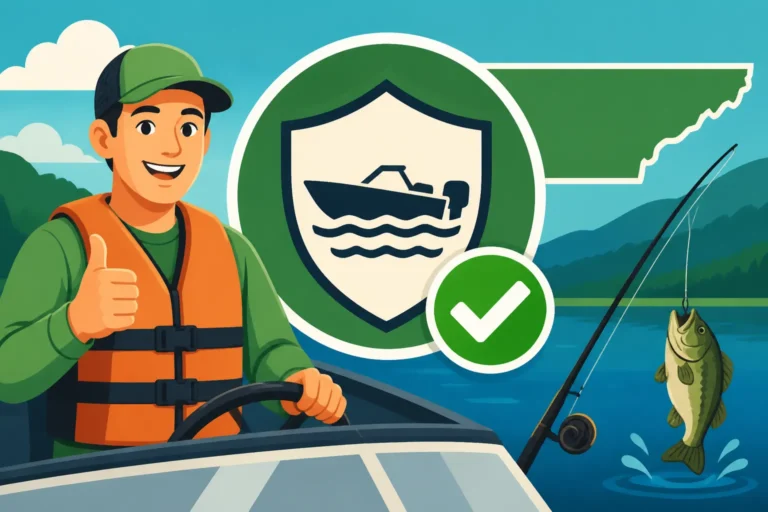
Perhaps the most critical piece of safety gear, life jackets – or Personal Flotation Devices (PFDs) – are not just suggestions; they are legally mandated for specific situations and must be accessible for everyone on your boat. It's a common mistake to just have them on board, rather than wearing them, especially if you're a strong swimmer. But accidents happen fast, and a PFD is useless if you can't get to it.
For starters, every single person on your vessel needs to have an immediately accessible, Coast Guard-approved PFD that fits them correctly. "Immediately accessible" doesn't mean stuffed under a pile of gear in a storage compartment; it means easily reachable in an emergency. Think of how quickly a boat can capsize or someone can fall overboard. You won't have time to dig through your tackle box for a life jacket. For children under 12, the rules are even stricter: they are required to wear a PFD at all times while on the open deck of a recreational boat that is underway, unless they are inside an enclosed cabin. This isn't just a rule; it’s a non-negotiable for their safety, especially on bustling waterways like Percy Priest Lake or during a Bobby Wilson Free Fishing Day in Tennessee event when lakes might be more crowded. Always check that the PFD is in good condition, free of rips, tears, or excessive fading that might compromise its buoyancy.
Different types of PFDs exist for different situations. Type I are offshore vests, offering the most buoyancy and designed to turn an unconscious person face-up. Type II are near-shore vests, good for inland waters but might not turn an unconscious person over. Type III are flotation aids, typically what anglers wear as they're more comfortable and allow greater freedom of movement, though they require the wearer to be conscious to keep their face out of the water. Type V PFDs are special-use devices, which can include inflatable life jackets, often favored by serious anglers for their comfort. However, inflatables have specific requirements for use and maintenance, including regular inspection and CO2 cartridge replacement. Make sure whatever type you choose, it's Coast Guard approved, fits snugly but comfortably, and everyone knows how to put it on and fasten it properly. This is one area where cutting corners can have dire consequences, so make sure to check out our complete guide on Tennessee Life Jacket and PFD Rules for Boaters.
Throwable Flotation Devices
Beyond individual life jackets, boats 16 feet in length or longer are required to carry at least one Type IV throwable flotation device. This isn't something you wear; it's something you throw to someone who has fallen overboard. Think of it as a last-resort option if someone unexpectedly goes into the water and can't reach a PFD quickly, or if they need something to hold onto while you maneuver the boat back to them.
Common examples of Type IV devices include buoyant cushions or ring buoys. Like PFDs, these must be immediately accessible and in serviceable condition. You don't want to discover your throwable cushion is waterlogged or disintegrating when seconds count. Imagine a scenario: you're fishing on the Tennessee River, and a sudden wake from a passing towboat causes a friend to lose their balance and fall in. Having a buoyant cushion within arm's reach that you can quickly toss to them while you circle back could literally be a lifesaver. It buys precious time and provides something for them to cling to, especially in cold water where hypothermia can set in quickly. This seemingly small item plays a huge role in comprehensive boating safety. For a deeper dive, check out Tennessee's Type IV Throwable Device Rule for Boats 16 Feet and Longer.
Sound-Producing Devices
Every boat needs some way to make an efficient sound signal. This usually means a horn or a whistle. Why? Because sometimes, you can't see other boats, or they can't see you. Fog, heavy rain, or even just blind spots can make sound signals essential for preventing collisions and communicating distress.
Imagine you're out on a large reservoir like Watts Bar Lake, and a thick fog rolls in unexpectedly. Visibility drops to near zero. A blast from a horn can alert other boaters to your presence, preventing a collision. Similarly, if you experience engine trouble and need assistance, a series of short, sharp blasts can signal distress. Smaller boats, like kayaks or canoes, can simply carry a marine whistle. Larger vessels might have an installed air horn. The key is that it must be capable of producing a sound audible for at least half a mile. This isn't just about adhering to the letter of the law; it's about having a vital tool for communication when visual cues are obscured, ensuring you can signal for help or warn others of your presence.
Fire Extinguishers
While you might not think of fire as a primary hazard on a boat, it can be devastating when it occurs. Boats with enclosed compartments, permanently installed fuel tanks, or any inboard engine are generally required to carry a Coast Guard-approved fire extinguisher. The type and number required depend on the length of your boat and the presence of certain features.
If your boat has an inboard motor, like many bass boats or larger cruisers, or a fuel tank that isn't completely open to the air, a fire extinguisher is a must. These are typically Type B extinguishers, designed for flammable liquids and gases. Placement is crucial: it should be readily accessible, not buried in a locker. Regular checks are also important to ensure it's charged and in good working order. A small engine fire or an electrical short can quickly escalate on a boat, especially with fuel on board. Having a functioning extinguisher can mean the difference between a minor scare and losing your entire vessel. Nobody wants to deal with a fire on the water, but being prepared means you can act quickly if the worst happens. For more details on this crucial piece of gear, see Do You Need a Fire Extinguisher on a Tennessee Boat?.
Beyond the Basics: Highly Recommended Safety Equipment
While fulfilling legal requirements is paramount, true safety on the water often means going above and beyond the bare minimum. Many experienced Tennessee anglers and boaters carry additional gear that isn't always mandated but can be invaluable in an emergency or simply make your outing much safer and more comfortable.
Visual Distress Signals
While not always required on inland lakes during daylight hours, having visual distress signals can be a game-changer if you find yourself stranded, especially in low light conditions or on very large bodies of water. These signals are designed to alert other boaters or rescue personnel to your emergency.
Types of visual distress signals include flares (red flares for night, orange smoke signals for day), or an emergency flag (orange square and black circle). If your engine dies on Kentucky Lake at dusk, and you're far from shore, a flare can dramatically increase your chances of being spotted. Even a simple, bright orange distress flag can catch the eye of another boater who might not notice a small craft drifting aimlessly. They are particularly important if you plan on fishing in remote areas or after dark. Always ensure your flares are unexpired and stored in a waterproof container. Think of them as your personal "help me" sign when a horn or radio might not be enough.
First Aid Kit
A good first aid kit is an absolute necessity, regardless of how short or long your trip is. From a simple hook in the finger to a more serious cut or scrape, minor injuries are common on fishing trips. Being able to address them immediately can prevent infection, reduce pain, and sometimes even prevent a small issue from becoming a major one that cuts your day short.
Your kit should contain basic wound care items like antiseptic wipes, bandages of various sizes, gauze pads, and medical tape. Pain relievers, allergy medication, and any personal prescriptions are also smart additions. For anglers specifically, remember items like needle-nose pliers or a hook remover tool, as well as rubbing alcohol for disinfecting those inevitable nicks and jabs. You can find excellent pre-assembled marine first aid kits at places like Bass Pro Shops or on Amazon, or you can build your own customized kit. Just make sure it's stored in a waterproof container and is easily accessible. You never know when you might need it, and you'll be glad you have it when you do. Read more about tailoring your kit with Best First Aid Kits for Tennessee Boat Anglers.
Navigation Lights and Anchor Lights
For any boater, especially those who love the peace of early morning or late evening fishing, proper lighting is essential. Tennessee law dictates that boats operating between sunset and sunrise, or during periods of restricted visibility (like fog), must display appropriate navigation lights. These aren't just for you to see; they're for other vessels to see you.
Navigation lights typically include a red light on the port (left) side, a green light on the starboard (right) side, and an all-around white light or a masthead light combined with a stern light. These lights tell other boaters your position and direction of travel. If you're anchored at night, an all-around white anchor light is required to make your stationary vessel visible. This prevents collisions and ensures you’re not a phantom on the water. Failing to use proper lights is not only illegal but incredibly dangerous, especially on busy lakes where speedboats might not expect to encounter a fishing boat after dark. Ensure your lights are always functional before you head out, and carry spare bulbs if possible. It could be the difference between a relaxing night fishing trip and a serious accident. Our guide on Do You Need Navigation Lights for Night Fishing in Tennessee? offers more detailed information.
Anchor and Anchor Line
An anchor isn't just for holding your position while you fish that perfect drop-off. It's a critical safety device that every boat should carry. Imagine your engine sputtering out in the middle of a busy channel or near a rocky shoreline. Without an anchor, you're at the mercy of the current and wind.
Having a properly sized anchor and sufficient anchor line (at least 7:1 scope, meaning 7 feet of line for every 1 foot of water depth, plus boat length) allows you to safely hold your position. This can prevent you from drifting into hazardous areas, onto other boats, or aground. Different anchors are designed for different bottom types – a fluke anchor for sand/mud, a claw anchor for various bottoms, or a grapnel for rocky areas. Knowing your local waterways and equipping your boat with the right anchor for those conditions is key. It's also incredibly useful for when you do want to just stop and enjoy the fishing without worrying about drifting away.
Communication and Navigation: Staying Connected on the Water
In today's world, technology plays a huge role in boating safety. Being able to communicate with others and accurately know your location can be absolutely vital, especially when you venture away from crowded marinas or popular fishing holes.
Marine Radio VHF or Cell Phone
In an emergency, quick communication can be life-saving. While most people rely on their cell phones today, a marine VHF (Very High Frequency) radio offers distinct advantages, particularly on larger bodies of water or in areas with spotty cell service.
Cell phones are convenient, and they work great near populated areas. But venture onto a sprawling lake like Kentucky Lake, or some of the more remote sections of the Cumberland River, and you might quickly lose signal. A marine VHF radio, however, broadcasts on designated marine channels and can reach other boats, marine patrol, and shore stations over a greater distance, especially if you have an antenna with good height. Channel 16 is the international distress and calling channel, monitored by the Coast Guard and many other vessels. If you have an emergency, broadcasting on Channel 16 is the quickest way to get help from those nearby. While a cell phone is good for casual calls, a VHF radio is a dedicated safety device that shouldn't be overlooked, especially for serious boaters. Consider investing in a good quality portable or fixed-mount VHF radio, easily found at marine supply stores or through online retailers like Amazon. For more insights into marine communication, check out Best Marine Radios for Tennessee Reservoir Fishing.
GPS and Charts
Knowing exactly where you are and where you're going is fundamental to safe boating. GPS (Global Positioning System) devices, whether standalone units, integrated into fishfinders, or even reliable apps on your smartphone, have revolutionized navigation. Combined with up-to-date nautical charts, they help you avoid hazards and find your way back, especially in low visibility.
Tennessee's lakes and rivers have numerous underwater hazards – old roadbeds, stumps, rock piles, sudden drop-offs. Without a GPS and a detailed chart (paper or electronic), you could easily run aground or damage your prop. A GPS allows you to mark waypoints, track your path, and pinpoint your exact location in an emergency, which is incredibly helpful when describing your situation to rescuers. Many modern fish finders come with excellent GPS capabilities and detailed mapping for local lakes, providing invaluable information on depth contours and submerged structures. Even a simple compass and a paper map can be a reliable backup if your electronics fail. The peace of mind that comes from knowing exactly where you are, especially on unfamiliar waters like Chickamauga Lake, is priceless. Check out our guide on Best GPS Units for Lake Fishing for more details.
Backup Power and Charging
We live in a world tethered to our electronics, and when you're on the water, a dead battery can be more than just an inconvenience – it can be a safety issue. If your phone is your primary communication device or your GPS is battery-powered, running out of juice at a critical moment can leave you vulnerable.
Always carry backup power. This could be a fully charged portable power bank for your cell phone, extra batteries for your handheld GPS, or even a small solar charger. Many boats also have 12V outlets or USB ports to keep devices topped up. Before a long day on the water, ensure all your essential electronics are fully charged, and pack your backup power source. There's nothing worse than needing to make an emergency call or check your location only to find your device is completely dead.
Preparedness for Unexpected Situations
Even the most well-maintained boats can experience unforeseen problems. Being prepared for these "what if" scenarios means you can often resolve minor issues yourself, preventing them from escalating into major emergencies.
Toolkit and Spare Parts
A basic toolkit on your boat is like insurance for small mechanical mishaps. Many common issues can be fixed with a few simple tools, potentially saving your trip and preventing the need for a tow.
Your toolkit doesn't need to be elaborate, but it should include essentials: screwdrivers (flathead and Phillips), pliers (needle-nose and standard), an adjustable wrench, electrical tape, spare fuses for your electrical system, and perhaps a small can of WD-40 or similar lubricant. For outboard motors, carrying spare spark plugs and a spark plug wrench can resolve a misfiring issue. If you know your boat, you might consider carrying a spare prop and prop wrench, as striking a submerged object is an all-too-common occurrence. These seemingly minor items can prevent a frustrating breakdown from turning into a call for help. Being able to tighten a loose terminal or replace a blown fuse can keep your day on the water going smoothly.
Bailer or Bilge Pump
Taking on water, whether from heavy rain, spray in rough conditions, or an unexpected leak, is a serious concern. A functional way to remove water from your boat is non-negotiable.
Most larger boats come equipped with an electric bilge pump, which automatically activates when water accumulates. However, even with an electric pump, a manual bailer (a bucket or scoop) or a hand-operated bilge pump is a wise backup. Electric pumps can fail due to electrical issues or debris, and a manual option ensures you can still remove water if needed. On smaller boats like canoes or kayaks, a manual bailer is often the only option and must be readily accessible. Preventing excessive water accumulation helps maintain your boat's stability and prevents damage to gear, or worse, sinking.
Extra Fuel and Water
Running out of fuel is a surprisingly common, and completely avoidable, boating mishap. And staying hydrated is just plain good sense.
Always carry enough fuel for your planned trip, plus a reserve. The "one-third rule" is a good guideline: use one-third of your fuel to get to your destination, one-third to get back, and keep one-third in reserve for emergencies, unexpected detours, or adverse weather conditions. For long trips, or if you have a small fuel tank, carrying an approved portable fuel tank with extra gas is a smart move. Remember, fuel should always be stored securely and properly ventilated. Equally important is staying hydrated. Pack plenty of fresh drinking water, especially on hot summer days. Dehydration can lead to fatigue, impaired judgment, and make a challenging situation even worse. A decent cooler, which you can easily find at Bass Pro Shops or on Amazon, will keep both your drinks and potentially your catch cool.
Personal Safety and Comfort Items
While much of safety gear focuses on the boat itself, your personal well-being is just as critical. Being comfortable and protected from the elements helps you stay alert and focused, making for a safer, more enjoyable fishing experience.
Sun Protection
Tennessee summers can be brutally hot, and the sun reflecting off the water intensifies its effects. Sunburn, heatstroke, and long-term skin damage are real risks if you're not adequately protected.
Always apply a broad-spectrum, water-resistant sunscreen with a high SPF before you head out, and reapply frequently. Wear a wide-brimmed hat to protect your face, neck, and ears, and polarized sunglasses to protect your eyes from glare and UV rays. Long-sleeved, lightweight shirts with UPF (Ultraviolet Protection Factor) ratings are also excellent for minimizing sun exposure without overheating. Don't let a bad sunburn ruin your fishing trip or, more seriously, contribute to heat exhaustion.
Weather-Appropriate Clothing
Tennessee weather is notoriously fickle. A sunny morning can quickly turn into a chilly, rainy afternoon, especially in the mountains or on large open lakes. Being dressed for changing conditions is key to comfort and safety.
Layering is your best friend on the water. Start with a moisture-wicking base layer, add an insulating layer (like a fleece or lightweight jacket), and top it with a waterproof and windproof outer shell. Even on clear days, a light rain jacket can provide protection from spray or an unexpected shower. Always check the forecast before you leave, but be prepared for anything. Getting soaked and cold can quickly lead to hypothermia, even in relatively mild temperatures, if you're exposed for too long.
Snacks and Drinks
Long days on the water, especially when you're actively fishing, can burn a lot of energy. Staying nourished and hydrated helps maintain your focus, energy levels, and overall well-being.
Pack a variety of easy-to-eat snacks like granola bars, sandwiches, fruit, or nuts. Avoid heavy, greasy foods that might make you feel sluggish. And as mentioned earlier, plenty of water is essential. Consider packing electrolyte-replenishing drinks on hot days. Low blood sugar or dehydration can cause dizziness, headaches, and a decrease in reaction time – none of which you want when operating a boat or handling sharp fishing tackle. A well-packed cooler is just as important for your personal sustenance as it is for keeping your catch fresh.
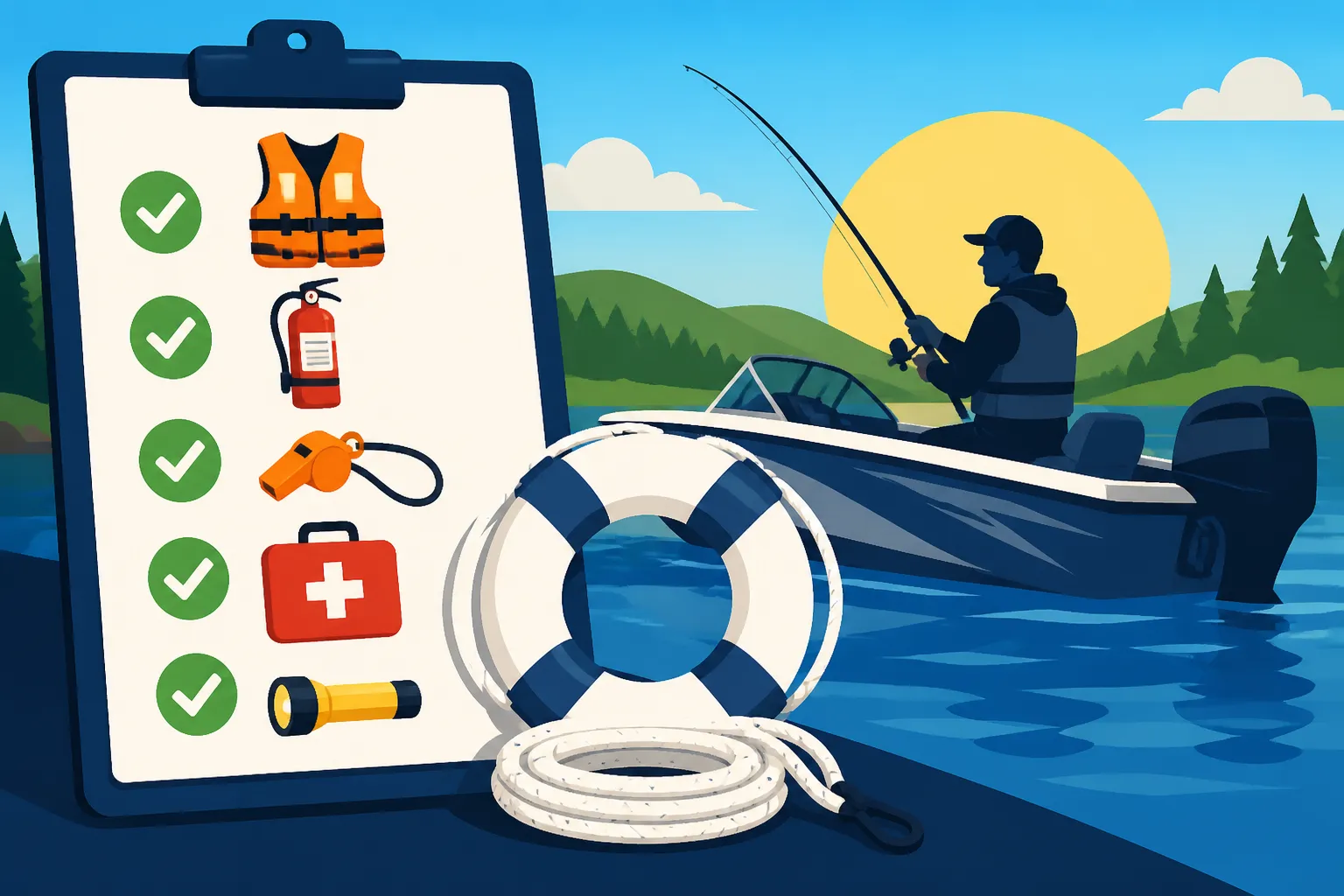
Essential Boating Safety Checklist
To help you keep track, here's a handy checklist of required and highly recommended safety gear for your Tennessee boating adventures.
| Category | Item | Required by Law (TN) | Highly Recommended | Notes |
|---|---|---|---|---|
| Personal Flotation | Coast Guard-Approved PFDs | Yes | Always | One per person, properly fitted, accessible. Kids under 12 must wear. |
| Throwable Flotation Device (Type IV) | Yes (>16 ft boats) | Yes | Readily accessible, for boats 16 feet or longer. | |
| Sound & Visual | Sound-Producing Device (Whistle/Horn) | Yes | Always | Audible for 1/2 mile. |
| Visual Distress Signals (Flares/Flag) | No | Yes | Crucial for night, fog, or large/remote waters. Check expiration. | |
| Fire Safety | Fire Extinguisher | Yes (most boats) | Yes | Required for inboard engines, enclosed fuel tanks. Check charge. |
| Navigation & Comms | Navigation Lights | Yes (night/low vis) | Always | Red/green (bow), white (stern/all-around). Check functionality. Do You Need Navigation Lights for Night Fishing in Tennessee? |
| Anchor Light (when anchored) | Yes (night/low vis) | Always | All-around white light. | |
| Marine VHF Radio | No | Yes | Essential for larger waters, remote areas. | |
| Cell Phone | No | Yes | Primary comms, but check signal coverage. Carry backup power. | |
| GPS & Charts | No | Yes | For navigation, hazard avoidance, emergency location. Best GPS Units for Lake Fishing | |
| Emergency Repair | First Aid Kit | No | Yes | Basic wound care, pain relief, specific fishing items (pliers, antiseptic). Best First Aid Kits for Tennessee Boat Anglers |
| Toolkit & Spare Parts | No | Yes | Screwdrivers, wrench, electrical tape, fuses, spark plugs, prop wrench. | |
| Bailer / Manual Bilge Pump | No | Yes | Backup for electric bilge pump, or primary for small boats. | |
| Provisions | Extra Fuel | No | Yes | "One-third rule." Stored in approved container. |
| Drinking Water | No | Yes | Stay hydrated, especially on hot days. | |
| Personal Comfort | Sunscreen, Hat, Sunglasses | No | Yes | Protect from UV, glare, sunburn. |
| Weather-Appropriate Clothing (Layers) | No | Yes | Prepare for rain, wind, temperature changes. | |
| Snacks | No | Yes | Maintain energy and focus. |
Ultimately, your safety on Tennessee's beautiful waters is in your hands. By conscientiously preparing with both legally required and highly recommended gear, you're not just following rules – you're investing in peace of mind for yourself and everyone on board. Happy and safe boating!
Disclaimer
This article is for general informational purposes only and does not constitute professional advice. Laws, prices and regulations vary by location and change over time. Consult a qualified professional for guidance on your specific situation.