Tackle Box Setup by Species
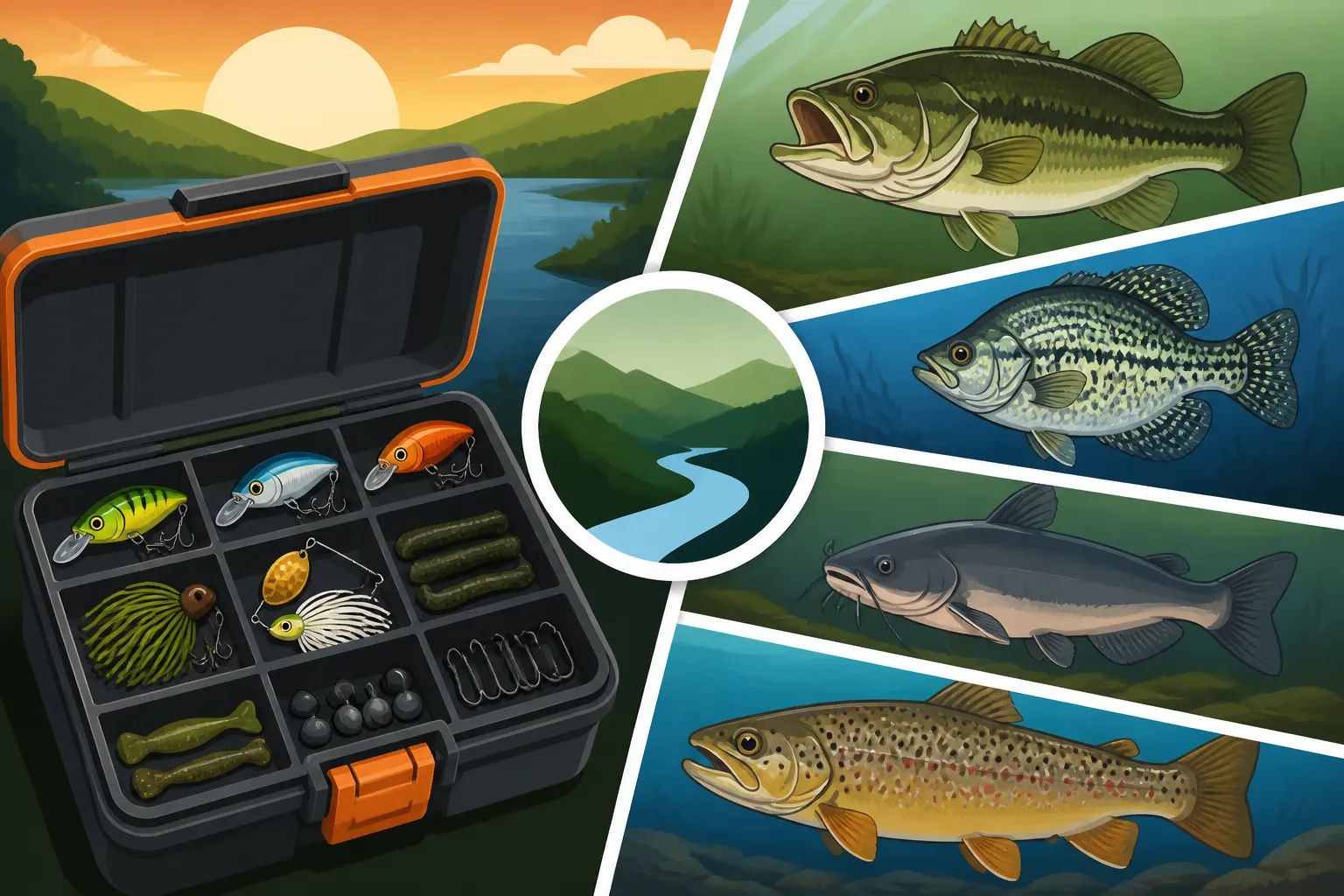
Ever found yourself on the water, rod in hand, only to realize your tackle box is a chaotic mess, missing that one crucial lure or sinker you know you need for the fish biting that day? It’s a common frustration that can turn a peaceful outing into a scramble. This guide is all about transforming that frustration into efficiency, showing you how to set up your tackle box specifically for the different fish species you'll encounter in Tennessee waters, ensuring you're always prepared for whatever bites.
The Foundation of a Well-Organized Tackle Box
Before we dive into species-specific gear, let's talk about the bedrock of any successful tackle strategy: the box itself and the universal tools every angler should have. A good tackle box isn't just a container; it's your portable command center, and its organization can make or break a fishing trip.
Choosing the Right Tackle Box
The market is flooded with tackle boxes, from simple one-tray options to elaborate multi-tiered systems and soft-sided bags filled with utility trays. Your choice depends heavily on your fishing style. If you primarily bank fish with a few rods, a smaller, hard-sided box might suffice, allowing for quick access to a limited selection of baits. These often feature adjustable compartments, which are incredibly useful for keeping different lure sizes or terminal tackle separated.
However, if you're a boat angler tackling various species across large reservoirs like Chickamauga Lake or Kentucky Lake, a larger, soft-sided tackle bag with multiple removable utility boxes is a game-changer. These bags offer flexibility; you can dedicate individual trays to specific species or lure types, then grab only what you need for a particular outing. They also tend to be lighter and easier to store in tight boat compartments. Consider durability and water resistance—you want something that will protect your gear from the elements and last through countless trips to the lake or river.
Essential General Tools for Every Angler
Regardless of what you're targeting, there are a few non-negotiable items that should live in every angler's tackle box. These are the tools that handle the common mishaps and necessities that pop up on any fishing adventure. First and foremost, a good pair of pliers or forceps is invaluable for removing hooks safely, cutting line, or crimping split shots. Look for ones with a strong grip and corrosion resistance.
Next, a sharp pair of line cutters is essential. Whether you prefer small fishing scissors, nail clippers, or integrated cutters on your pliers, a clean cut prevents frayed knots and lost fish. Don't forget a sturdy pair of gloves, especially if you plan on handling toothy fish or want to protect your hands from hooks. A small first-aid kit, a headlamp or flashlight for early morning or late evening trips, and some bug spray are also smart additions. I've personally been saved countless times by having a small bottle of sunscreen in my box when an unexpected sunny spell hits the Tennessee Fishing Season and Catch Limits.
Bass Fishing: Tailoring Your Tackle for Tennessee's Largemouth and Smallmouth
Tennessee is a bass angler's paradise, home to some incredible fisheries for both largemouth and smallmouth bass. However, these two popular species often require slightly different approaches and, by extension, specific tackle setups to truly maximize your success. Having dedicated sections in your tackle box for each can make a huge difference.
Largemouth Bass Essentials
When it comes to largemouth, especially on lakes known for big fish like Chickamauga or Watts Bar, you're often thinking power fishing and heavier cover. Your tackle box for largemouth should be brimming with a variety of lures designed to provoke aggressive strikes. Think crankbaits in various diving depths and colors, spinnerbaits with different blade combinations for varying water clarity, and an ample supply of soft plastics—worms, creature baits, and swimbaits in natural and bright colors. For your soft plastics, you'll need a range of hooks: Extra Wide Gap (EWG) hooks for Texas rigging, straight shank hooks for pitching and flipping, and weighted hooks for swimbaits.
Don't skimp on terminal tackle. A selection of bullet weights from 1/8 oz to 1 oz for Texas rigging, tungsten weights for increased sensitivity, and various sizes of slip sinkers for Carolina rigs are critical. Having a few packs of stout swivels and snaps for quick lure changes can also save you time. Remember, largemouth often lurk in thick vegetation or submerged timber, so having weedless options and strong hooks is paramount. A dedicated utility tray just for soft plastics, organized by type and color, is a great start for your Tackle Box Setup for Bass Fishing.
Smallmouth Bass Specifics
Smallmouth bass, Tennessee's official state fish alongside the Channel Catfish, often prefer rocky areas, clear water, and deeper structure, making them a bit more finicky than their largemouth cousins. While some largemouth lures will cross over, your smallmouth section should lean towards finesse and smaller presentations. Think tube jigs, shaky head jigs, drop shot weights, and finesse worms. Small crankbaits, jerkbaits, and topwater poppers in natural baitfish patterns are also highly effective.
Your terminal tackle for smallmouth should be lighter. Fluorocarbon leader material in 6-10 lb test is crucial for its low visibility in clear water. Smaller, sharper hooks like those designed for drop-shotting or finesse worms are key. Having a variety of small, slender jig heads, often in mushroom or ball-head shapes, from 1/16 oz to 1/4 oz, will cover most situations. Smallmouth are often found in rivers like the Cumberland or Clinch, where current can dictate lure choice. Consider adding some small in-line spinners or bladed jigs for moving water. If you're looking to stock up on these specialized items, many anglers find great selections for finesse fishing at places like Bass Pro Shops or even online marketplaces like Amazon, especially for those hard-to-find specific weights and hook sizes.
Crappie Fishing: Light Tackle, Big Rewards
Crappie are a beloved panfish in Tennessee, known for their delicious taste and fun fight on light tackle. Whether you're chasing black crappie on Kentucky Lake or white crappie on Percy Priest, a specialized tackle box setup ensures you’re ready for these schooling beauties. The key here is finesse, small presentations, and efficiency, as crappie often bite subtly and in quick succession when you find them.
Jigs and Baits for Crappie
Your crappie tackle section should be dominated by a rainbow of small jigs. Think 1/32 oz to 1/8 oz jig heads, paired with tiny plastic bodies like tube jigs, curly tail grubs, and hair jigs. Color matters immensely with crappie, so have a wide array: chartreuse, white, black, pink, and various two-tone combinations. Many anglers swear by specific colors depending on water clarity and sunlight. Live bait is also a killer for crappie, so make sure you have small, sharp hooks (sizes 4-8) suitable for minnows. A small tackle box that lets you organize these tiny jigs by color and weight will save you a lot of time on the water.
Beyond plastics and minnows, tiny crankbaits and spinnerbaits designed for crappie can be effective, especially when trolling or searching for active fish. Some anglers even include small spoons or blades. The versatility of a crappie setup is in having these options readily available, letting you quickly switch from a vertical jigging presentation to a slow retrieve with a spinner if the fish aren't responding. Best Jig Colors for Spring Crappie is a great resource to help you choose.
Rigging for Success
Crappie fishing often involves specific rigging techniques. You'll need an assortment of bobbers – both slip bobbers for deeper presentations and fixed bobbers for shallow water. Small split shots are essential for weighting your lines just right, allowing your bait or jig to descend at the preferred rate. Light monofilament or fluorocarbon line, typically 4-6 lb test, is ideal for crappie, offering the sensitivity needed to detect their subtle bites.
Consider pre-tying a few crappie rigs, such as a double-jig rig or a minnow rig with a small weight, and storing them on foam line holders within your Tackle Box Setup for Crappie Fishing. This saves precious time when the bite is hot. Remember that crappie often congregate around submerged structure like brush piles or bridge pilings, so having enough terminal tackle to account for snags is wise. A small pair of forceps for quick hook removal will also come in handy, as crappie have delicate mouths.
Catfish: Heavy Gear for Hard Fighters
Catfish are powerful, hard-fighting fish that inhabit nearly every major water body in Tennessee, from the Tennessee River to Kentucky Lake. Whether you're targeting channel cats, hefty blue cats, or elusive flatheads, your tackle box needs to be robust and equipped for a battle. This isn't the place for ultralight gear; think strong lines, big hooks, and plenty of weight.
Baits and Rigs for Channel, Blue, and Flathead Catfish
Catfish are primarily scent feeders, so your tackle box should include an array of potent baits. For channel and blue cats, cut bait (like shad or skipjack), chicken liver, and various stink baits or dough baits are go-to choices. Flatheads, however, almost exclusively prefer live bait like sunfish or small bluegill. Therefore, you'll need a range of hooks: strong circle hooks (sizes 2/0 to 10/0, depending on target size) are excellent for preventing gut hooks and ensuring solid hooksets, while J-hooks can also be used.
Your rig components should be sturdy. Heavy mono or braided line (15-50 lb test or more) is standard, especially if you're targeting trophy blue cats. Leaders made of heavy mono or fluorocarbon are also critical to withstand their abrasive mouths. Keep a separate section in your box for different bait types, preventing odors from contaminating other gear. For instance, storing your cut bait hooks away from your crappie jigs is just common sense. You can find pre-made catfish rigs at outdoor stores, but assembling your own gives you more control over component quality. To get more specific on how to fish them, check out Catfish Bottom Fishing Basics.
Terminal Tackle for Catfish
When fishing for catfish, especially in rivers with current or deep reservoirs, you'll need a significant amount of weight to get your bait down and hold it in place. Your tackle box should contain an assortment of heavy sinkers: egg sinkers, pyramid sinkers, and flat no-roll sinkers in weights ranging from 1/2 oz up to several ounces. Heavy swivels are also essential to prevent line twist, especially when using cut bait that might spin in the current.
Beyond the basics, consider adding some heavy-duty snap swivels for quickly changing out leaders or rigs. Having a few extra spools of leader material (heavy mono or fluorocarbon) is also a good idea. A hook file or sharpener is vital, as catfish hooks can dull quickly when hitting rocks or bone. And because catfish fights can be intense, a sturdy net with a large opening is often a necessity, so while it won't fit in your tackle box, it’s certainly part of your catfish "gear setup" you’ll want handy. For robust Best Gear for Tennessee Catfish Fishing, you might look at heavy-duty gear available from retailers.
| Species | Key Lures/Baits | Recommended Hook Types/Sizes | Essential Terminal Tackle |
|---|---|---|---|
| Largemouth Bass | Crankbaits, Spinnerbaits, Soft Plastics (worms, creature baits, swimbaits), Jigs | EWG (3/0-5/0), Straight Shank (3/0-5/0), Weighted (3/0-5/0) | Bullet weights (1/8-1oz), Tungsten weights, Snaps, Swivels |
| Smallmouth Bass | Finesse worms, Tube jigs, Shaky heads, Drop shots, Small Crankbaits, Jerkbaits | Finesse hooks (1/0-2/0), Drop Shot hooks (1-2) | Drop shot weights, Small jig heads (1/16-1/4oz), Fluorocarbon leaders |
| Crappie | Small tube jigs, Curly tail grubs, Hair jigs, Minnows, Tiny crankbaits | Small J-hooks (4-8), Jig heads (1/32-1/8oz) | Bobbers (slip & fixed), Small split shots, Light mono/fluoro line (4-6lb) |
| Catfish | Cut bait, Chicken liver, Stink bait, Live bait (flatheads) | Circle hooks (2/0-10/0), J-hooks (4/0-8/0) | Egg/Pyramid/No-roll sinkers (1/2oz+), Heavy swivels, Heavy leaders |
| Trout | Small inline spinners, Spoons, Powerbait, Worms, Small jigs | Small single hooks (8-14), Treble hooks (10-14) | Small split shots, Light mono/fluoro line (2-6lb), Small swivels |
| Panfish | Worms, Crickets, Corn, Small jigs, Poppers | Small J-hooks (6-12), Panfish jigs (1/64-1/16oz) | Bobbers, Small split shots, Light mono line (2-4lb) |
Trout Fishing: Delicate Presentations for Mountain Streams and Stocked Waters
Tennessee offers fantastic trout fishing, from the wild, pristine streams of the Great Smoky Mountains National Park to the regularly stocked waters of the Clinch River and numerous smaller ponds. Trout are often highly sensitive to pressure and require a more delicate approach, which means your tackle box setup will look quite different from your bass or catfish gear.
Fly Fishing Essentials
While this guide focuses on general tackle box setups, it's worth acknowledging that fly fishing is a popular and highly effective method for trout, particularly in East Tennessee's mountain streams. A fly angler's "tackle box" might be a fly vest or a small chest pack filled with fly boxes, leaders, tippet material, and stream-side tools like nippers and forceps. Different fly patterns—dry flies, nymphs, and streamers—are meticulously organized by size and type, ready to match the hatch or imitate subsurface insects. If you're venturing into fly fishing, a resource like Best Fly Rods and Waders for Tennessee Trout Streams would be a great next step. For the general spin angler, however, a few key items will still serve you well in trout country.
Spin Fishing for Trout
For spin fishing, your trout tackle box should contain a variety of small, enticing lures. Inline spinners in sizes 0 to 2, with brass, silver, or painted blades, are often deadly. Small spoons, like Kastmasters or Little Cleos, in 1/16 oz to 1/8 oz sizes, are also excellent for covering water. When the fish are less active, or in stocked ponds, Powerbait (in various colors and shapes), corn, or small worms are highly effective. You'll need an assortment of small, sharp single hooks or treble hooks (sizes 10-14) to present these baits.
Light line is paramount for trout; 2-4 lb test monofilament or fluorocarbon is generally preferred for its low visibility and delicate presentation. Small split shots, crimped just above your bait or lure, are essential for getting your offering down to the fish without spooking them. Keeping your terminal tackle organized in tiny compartments is crucial, as these items are easily lost or tangled. Consider adding a small bottle of scent attractant designed for trout; sometimes, that extra little something is what coaxes a strike from a wary fish. Places like Bass Pro Shops often have specialized sections for trout tackle, making it easier to find these smaller, more delicate items.
Panfish (Bluegill/Bream): Simple Pleasures, Effective Setups
Panfish, including bluegill, bream, and sometimes even smaller crappie, are often the gateway to fishing for many beginners and a consistent source of fun for experienced anglers. They're abundant, relatively easy to catch, and provide fantastic table fare. A panfish tackle box setup is typically simple, budget-friendly, and perfect for family outings or a relaxing afternoon on a local pond.
Basic Panfish Tackle
For bluegill and bream, simplicity is key. Your tackle box should feature small, light-wire hooks, typically in sizes 6 to 12. A selection of small, simple bobbers—red and white plastic bobbers or small foam slip bobbers—are essential for suspending your bait at the right depth. Split shots in various small sizes (BB to 1/0) will help get your bait down without overpowering your delicate presentation.
When it comes to bait, live options like worms (earthworms, red wigglers) or crickets are incredibly effective and should always be considered. Artificial options include tiny tube jigs, micro-grubs, or even small flies fished under a bobber. Having a few small, ultralight spinners (size 0 or 1) can also be productive when panfish are aggressive. Since panfish are often caught in shallow water near structure, having a small pair of needle-nose pliers for hook removal is always a good idea, as they have tiny mouths.
Family-Friendly Setups
One of the best things about panfish fishing is how accessible it is, making it perfect for introducing kids to the sport. Your panfish tackle box can easily double as a "family fishing kit." In addition to the basics, consider adding a few extra items that make fishing more enjoyable for youngsters. This might include colorful bobbers, easier-to-tie knots, or even simple pre-tied snelled hooks that make baiting up a breeze. A small bait container for worms or crickets is also a must-have.
Focus on creating a stress-free experience. Having a simple setup with basic hooks, bobbers, and worms means less time fumbling with gear and more time catching fish and making memories. Many families find that a basic tackle box, easily assembled with items from a general store or online from retailers like Amazon, is all they need for a successful day of Bluegill Fishing Tips for Kids in Tennessee. The joy of watching a bobber disappear is universal, and having a well-organized, simple panfish setup ensures that joy is within reach for everyone.
Disclaimer
This article is for general informational purposes only and does not constitute professional advice. Laws, prices and regulations vary by location and change over time. Consult a qualified professional for guidance on your specific situation.