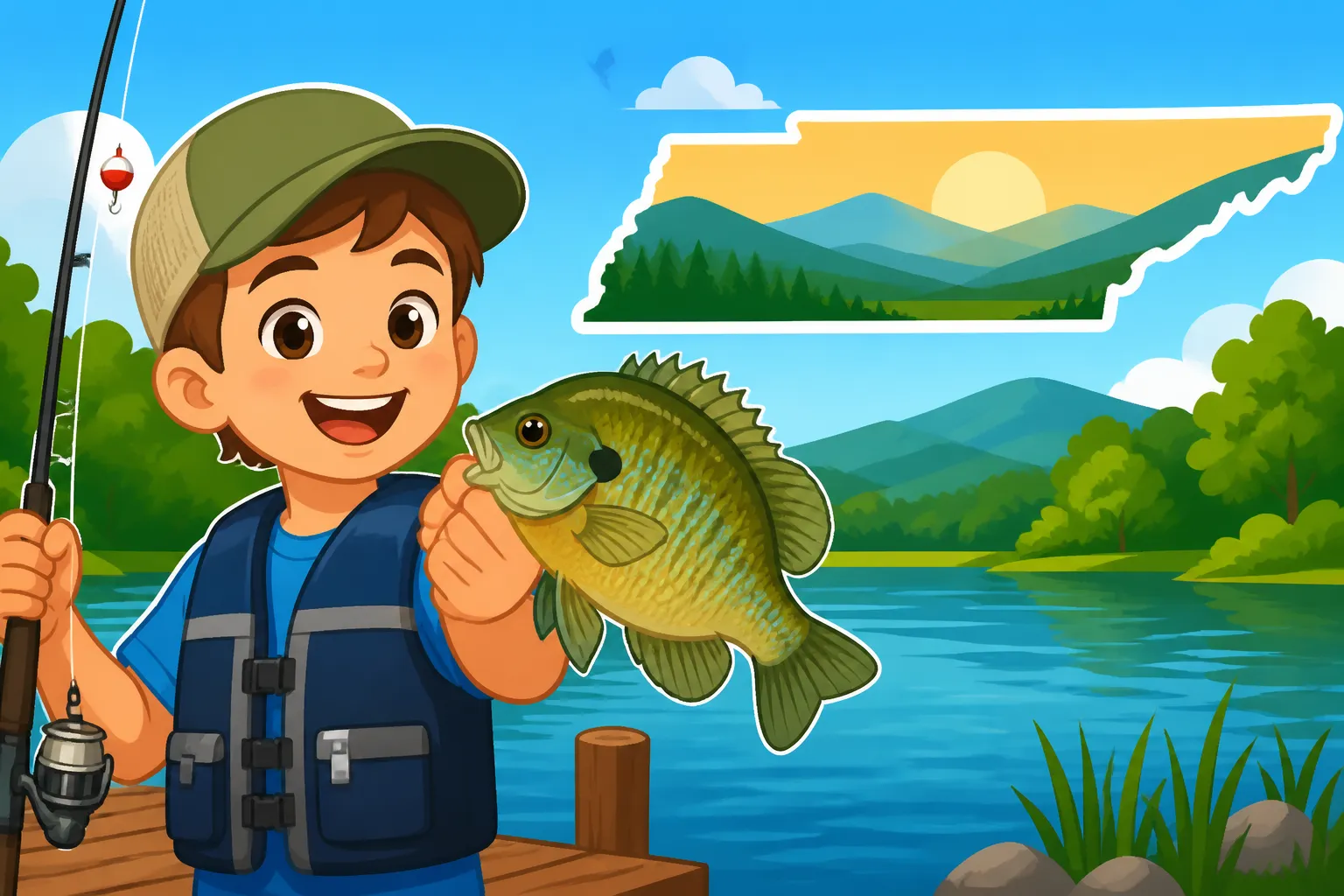
Bluegill Fishing Tips for Kids in Tennessee
There’s nothing quite like introducing a child to the joy of fishing, but it can be frustrating if the fish just aren't biting, leading to short attention spans and disappointment. If you're looking to spark a lifelong love for the outdoors and reel in some smiles with your little ones, this comprehensive guide will equip you with all the best bluegill fishing tips for kids in Tennessee, making their first fishing experiences memorable and successful.
Why Bluegill are the Perfect Catch for Young Anglers in Tennessee
When it comes to introducing kids to fishing, you really can't go wrong with bluegill. These feisty little panfish are truly the ideal "starter fish" in Tennessee, offering a perfect blend of challenge and reward that keeps young anglers engaged. I've spent countless hours on Tennessee lakes and ponds, and time and again, bluegill prove to be the most consistent and exciting catch for children.
The Abundance and Accessibility of Bluegill
One of the biggest hurdles when fishing with kids is simply finding fish. If they're not getting bites, their interest wanes quicker than a summer storm. That's where bluegill shine! They are incredibly abundant across nearly all of Tennessee's waters – from tiny farm ponds and neighborhood lakes to the expansive reservoirs like Percy Priest Lake and Old Hickory Lake. You don't need a fancy boat or expensive electronics to find them. Often, a simple walk along the bank will reveal their preferred habitats. They love hiding around submerged structures, lily pads, docks, and even shallow, weedy areas where smaller baitfish or insects might congregate. This accessibility means less travel time and more fishing time, which is a huge win when you have excited kids in tow. It takes away the stress of trying to locate a specific, hard-to-find species and lets you focus on the fun of the cast. For more insights on their dwelling spots, check out Where to Find Bluegill in Tennessee Ponds.
Bluegill's Enthusiastic Biting Nature
Let's be honest, patience is a virtue that most young children are still cultivating. Waiting for an hour without a nibble is a recipe for boredom and a declaration that "fishing is boring!" Bluegill, bless their hearts, are generally not shy. When they're in a feeding mood, they often hit bait with an eagerness that can be genuinely surprising. Their aggressive, sometimes almost frenetic, bites are exactly what a kid needs to stay excited. That bobber dipping under the water repeatedly, or the rod tip dancing, creates instant anticipation and a thrilling rush when they finally feel that tug. It's this immediate gratification that hooks kids on fishing. Even if they don't land every fish, the constant action is entertainment in itself, providing plenty of opportunities for practice setting the hook and reeling in.
Building Confidence with Early Fishing Success
There’s an incredible confidence boost that comes with reeling in your very first fish, especially for a child. Bluegill, being plentiful and aggressive, provide ample opportunities for this success. It’s not about landing a trophy, but about the act of catching itself. When a child, perhaps after a few tries, successfully baits their hook, casts it out, feels a bite, sets the hook, and then reels in a struggling bluegill, their eyes light up with pride. This isn't just about fishing; it's about learning a skill, being patient, and achieving a goal. These early successes foster a positive association with the outdoors and fishing, encouraging them to want to go again and again. It’s about creating those foundational, joyful memories that make fishing a cherished family activity for years to come.
Essential Gear for a Kid-Friendly Bluegill Adventure
Getting the right gear for kids doesn’t mean breaking the bank or buying the fanciest equipment. In fact, simpler is often better when you're introducing young anglers to the sport. The goal is ease of use and durability, allowing them to focus on the fun rather than struggling with complicated setups.
Simple Rod and Reel Setups
For kids, especially younger ones, an ultralight spinning rod and reel combo is usually the best bet. These setups are lightweight, easy to handle, and forgiving when it comes to casting. A rod anywhere from 4 to 6 feet long with a small spinning reel (size 500 to 1000) is perfect. Look for models with comfortable grips designed for smaller hands. You can find excellent, affordable combos online, perhaps even on a quick Amazon search, that come pre-spooled with light line, typically 4-6 pound test monofilament. This lighter line helps with casting those small baits bluegill love. Push-button (spincast) reels are also fantastic for very young children as they simplify the casting motion significantly, often just needing a thumb press and a forward flick of the wrist. As they grow more comfortable, graduating to an open-face spinning reel will be a natural progression. The most important thing is that the child can comfortably hold and operate it themselves.
The Best Baits for Bluegill in Tennessee
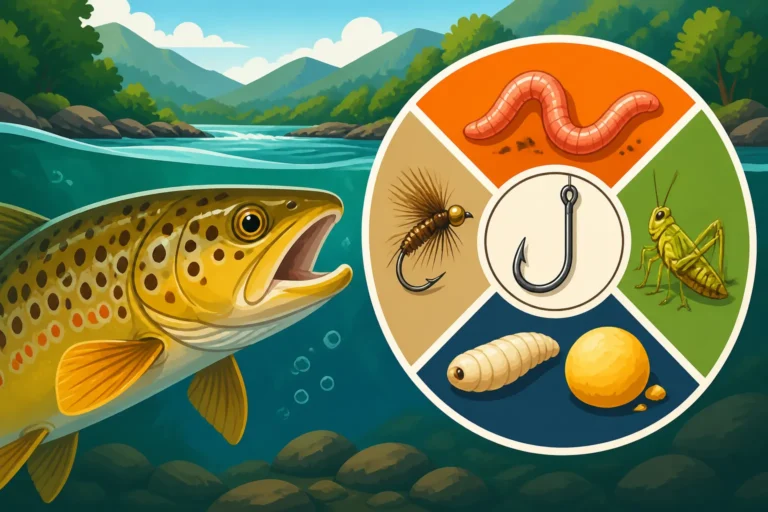
Bluegill aren't picky eaters, which is another reason they're so great for kids! You don't need exotic, expensive lures. Natural baits tend to be the most effective and easiest for kids to handle. Here are some tried-and-true favorites:
- Worms: Red wigglers or pieces of nightcrawlers are absolute bluegill magnets. They're readily available at most bait shops, easy to hook, and bluegill find their wiggling irresistible. Plus, kids usually get a kick out of handling them!
- Crickets: Another classic, crickets are small, lively, and incredibly effective for bluegill. You can buy them by the dozen at bait shops. Just be careful, they're jumpy!
- Corn: Believe it or not, a kernel or two of canned sweet corn on a tiny hook can be deadly for bluegill, especially in pressured waters where they might be a bit wary of worms. It’s also very clean and easy for kids to bait themselves.
- Small Artificial Baits: For slightly older kids who want to try lures, tiny soft plastic grubs or micro jigs (1/32 to 1/16 ounce) in bright colors like chartreuse, white, or pink can be very productive. Just remember, the presentation needs to be slow and steady.
When choosing bait, always consider what the kids will enjoy handling. The easier and less messy, the better for keeping their enthusiasm high. For a deeper dive into bait choices, check out Best Bait for Bluegill and Panfish.
Basic Tackle Box Essentials
A simple tackle box, even just a small plastic container, filled with the right essentials is all you need. Don't overdo it with too many gadgets; keep it focused on functionality for bluegill.
| Item | Description | Why It's Essential for Bluegill Fishing with Kids |
|---|---|---|
| Small Hooks | Size 8, 10, or 12 hooks (Aberdeen or J-hooks) | Perfect for bluegill's small mouths and easy to conceal with small baits. |
| Bobbers | Small clip-on bobbers (red and white classic, or clear casting ones) | Visually indicate bites, making it exciting for kids. Essential for depth control. |
| Split Shot Weights | Small, removable lead-free split shot weights (sizes BB, 3/0, 2/0) | Help sink the bait, keep it steady, and allow for casting distance. |
| Line Clippers/Scissors | Small, sharp clippers or child-safe scissors | For easily cutting fishing line when tying knots or re-rigging. |
| Needle-Nose Pliers | Small pliers or hemostats | Invaluable for safely removing hooks from fish or when dealing with snags. |
| Extra Line | A small spool of 4-6 lb test monofilament | For re-spooling the reel or tying leaders if the line gets tangled or breaks. |
You can often find pre-packaged bluegill or panfish tackle kits that include many of these items, a convenient way to get started. Many reputable outdoor stores and online retailers like Amazon offer these starter kits at great prices. Don’t forget a small rag or towel for wiping hands and handling fish, and some hand sanitizer for after!
Top Techniques for Getting Kids Hooked on Bluegill Fishing
Now that you have the gear, let's talk about the fun part: the actual fishing! Teaching kids the right techniques, or at least the simplest techniques, can make all the difference in their enjoyment and success.
Mastering the Bobber and Bait Rig
The classic bobber and bait rig is hands-down the best way to start kids bluegill fishing. It’s visually stimulating, easy to understand, and incredibly effective. Here’s a step-by-step breakdown of how to set up and use it:
- Attach the Bobber: Slide a small clip-on bobber onto the main line. The distance from the hook to the bobber dictates how deep your bait will sit in the water. For bluegill, a depth of 2-4 feet is a good starting point, especially in shallower areas. As you learn more about How to Rig a Bobber for Bluegill, you'll see how versatile this simple setup can be.
- Add a Split Shot: About 6-12 inches above the hook, gently crimp one or two small lead-free split shot weights onto the line. This helps sink the bait and keeps it from drifting too far with the current or wind. Don’t use too much weight; you still want the bobber to dip easily when a bluegill bites.
- Tie on the Hook: Use a simple knot like an Improved Clinch Knot to tie on a small hook (size 8 or 10). Make sure to practice this knot a few times at home with the kids; it's a great skill for them to learn.
- Bait the Hook: Thread a small piece of worm, a cricket, or a few kernels of corn onto the hook. Make sure the barb is covered if possible, but don't over-bait. A small, natural presentation is key.
- Casting: For spincast reels, have the child hold the rod, press the button, and gently sweep the rod forward over their shoulder. For spinning reels, teach them to hold the line with their index finger, flip the bail open, and then release the line on the forward cast. Start with short, easy casts near the bank to build confidence. You want to aim for structure like lily pads, submerged logs, or shaded areas.
- Waiting for the Bite: This is where the magic happens! The bobber will sit on the surface, and when a bluegill takes the bait, it will wiggle, dip, or pull completely under. Teach them to watch for any movement.
- Setting the Hook: When the bobber goes under decisively, tell them to gently lift the rod tip straight up to set the hook. Not a huge yank, just a firm, smooth upward motion.
- Reeling In: Once the hook is set, keep the rod tip up and steadily reel the fish in. This is where those smaller, lightweight rods really help them manage the fish. This Simple Bluegill Rig for Kids can lead to hours of fun!
Finding Bluegill Hotspots in Tennessee Waters
Knowing where to cast is almost as important as how to cast. Bluegill, like many fish, are creatures of habit and prefer certain types of habitats.
- Shallow, Weedy Areas: Bluegill love cover. Look for areas with lily pads, cattails, or other aquatic vegetation in shallower water (2-6 feet deep). These spots offer protection from predators and a bounty of insects and small organisms to eat.
- Docks and Piers: Undersides of docks and piers provide shade and structure, making them prime bluegill territory. Cast along the edges or slightly underneath them. Always be mindful of other anglers and boat traffic around docks.
- Submerged Structure: Look for fallen trees, brush piles, or rocky outcrops. These areas concentrate baitfish and provide ambush points for bluegill. Polarized sunglasses can help you spot these underwater features.
- Shady Spots: On sunny days, bluegill will often seek out cooler, shaded areas. Overhanging trees or deep cuts along the bank can be excellent spots.
- Calm Coves: In larger lakes like Watts Bar Lake, Tennessee's Largest Lake for Fishing or Kentucky Lake Fishing on the Tennessee Side, look for calm, protected coves away from heavy boat traffic. These areas often have abundant vegetation and are perfect for panfish. For more ideas on accessible spots, consider Family-Friendly Fishing at Percy Priest Lake, Tennessee.
Remember, bluegill often school together, so if you catch one, there's a good chance there are more nearby! Encourage kids to cast to the same spot if they get a bite.
Making the Experience Fun and Educational
Fishing with kids isn’t just about catching fish; it’s about the overall experience. Keep it light, fun, and educational.
- Patience and Encouragement: Kids will get tangled lines, miss bites, and maybe even get frustrated. Be patient and offer constant encouragement. Celebrate every little success, even if it's just a good cast or a strong bite.
- Short Trips: Don't plan a marathon fishing session. An hour or two is often plenty for younger kids. You can always extend it if they're still engaged. It’s better to leave them wanting more than to make them utterly bored.
- Snacks and Drinks: Keep them hydrated and well-fed. A hungry or thirsty child is a grumpy child, and that will quickly derail any fishing trip.
- Teach and Learn: Point out different bugs, birds, and plants around the water. Talk about the fish you catch – its fins, scales, and how it breathes. Discuss how bluegill are part of the ecosystem. This makes the experience richer than just catching fish. You can also discuss Bluegill Size and Growth Expectations as you catch them.
- Let Them Help: Let them bait their own hook (if they're comfortable), hold the fish (carefully!), or even help measure and release. Giving them responsibility makes them feel more invested.
- No Pressure: It's okay if they don't catch a fish on every trip. The goal is to spend quality time together, enjoy nature, and make memories. The fish are a bonus!
Safety First and Enjoying the Tennessee Outdoors
While fishing with kids is incredibly rewarding, safety should always be your top priority. A fun trip quickly turns sour if someone gets hurt.
Water Safety for Young Anglers
Water environments, even calm ponds, pose risks. Teaching kids about water safety from a young age is crucial.
- Life Jackets: This is non-negotiable. If you're near water, especially on a boat or near deeper sections, all children should wear a properly fitted life jacket. Even strong swimmers can fall unexpectedly. Tennessee has specific rules about this, so make sure to review Life Jacket Rules for Kids Under 12 on Tennessee Boats. Keep them easily accessible, perhaps even consider having spare ones you can quickly grab off Amazon if needed.
- Buddy System: Always have an adult closely supervising. For multiple children, assign each child a "buddy" (an adult or older, responsible teen) to keep an eye on them.
- Watch Your Step: Emphasize walking, not running, near the water's edge. Look out for slippery banks, rocks, or uneven terrain.
- Sun Protection: Pack plenty of sunscreen, hats, and sunglasses. The sun reflecting off the water can intensify its effects, leading to quick sunburns.
- Hydration: Bring plenty of water or other drinks, especially on warm days. Dehydration can happen quickly when you're out in the sun.
- Hook Safety: Teach kids how to handle a rod and reel safely to avoid accidentally hooking themselves or others. Always keep hooks away from faces. When casting, look behind you to ensure no one is in the line of fire.
Respecting the Environment and Catch Limits
Fishing is a privilege, and it comes with responsibilities. Teach your kids to be respectful stewards of the environment and ethical anglers.
- Catch and Release: Teach kids the importance of proper catch and release, especially for fish they don't plan to keep or those that are too small. Show them how to gently hold a fish, quickly remove the hook, and safely return it to the water. This ensures healthy fish populations for the future.
- Leave No Trace: Pack out everything you pack in. Dispose of all trash, including old fishing line, properly. Teach them not to litter or leave bait containers behind.
- Fishing Licenses: In Tennessee, adults almost always need a fishing license. While kids typically don't need a license under a certain age (unless they're participating in a specific tournament or keeping fish outside of free fishing days), it's a good idea to understand the rules. Check out Do Kids Need a Fishing License in Tennessee for the current regulations. It's a great opportunity to explain how license fees help fund conservation efforts and stock fish.
- Understand Limits: Briefly explain that there are rules about how many fish of each species you can keep, and sometimes minimum size limits. While bluegill often have generous limits, it's good for kids to understand the concept of sustainable harvesting.
Documenting Memories and Celebrating Success
The memories made while fishing with kids are truly priceless. Make sure to capture them!
- Photos and Videos: Snap pictures of their first catch, their proud smiles, and even the "one that got away" stories. These visual reminders will be cherished for years to come.
- Fishing Journal: Consider starting a simple fishing journal. Kids can draw pictures of the fish they caught, write about their adventures, or record the weather and bait they used. It's a fun way to practice writing and observing.
- Cook Your Catch: If you keep some bluegill, let the kids help clean and cook them (with adult supervision, of course!). There’s immense satisfaction in eating something you caught yourself. Simple fried bluegill is a Tennessee classic and tastes even better when it's part of a family adventure.
- Talk About It: After the trip, talk about their favorite parts, what they learned, and what they want to do next time. Keep the excitement alive!
Introducing a child to fishing is more than just teaching them to cast a line; it's about connecting them with nature, teaching patience, fostering resilience, and creating bonds that will last a lifetime. With these bluegill fishing tips for kids in Tennessee, you're not just going on a fishing trip; you're building cherished memories, one bluegill at a time.
Disclaimer
This article is for general informational purposes only and does not constitute professional advice. Laws, prices and regulations vary by location and change over time. Consult a qualified professional for guidance on your specific situation.