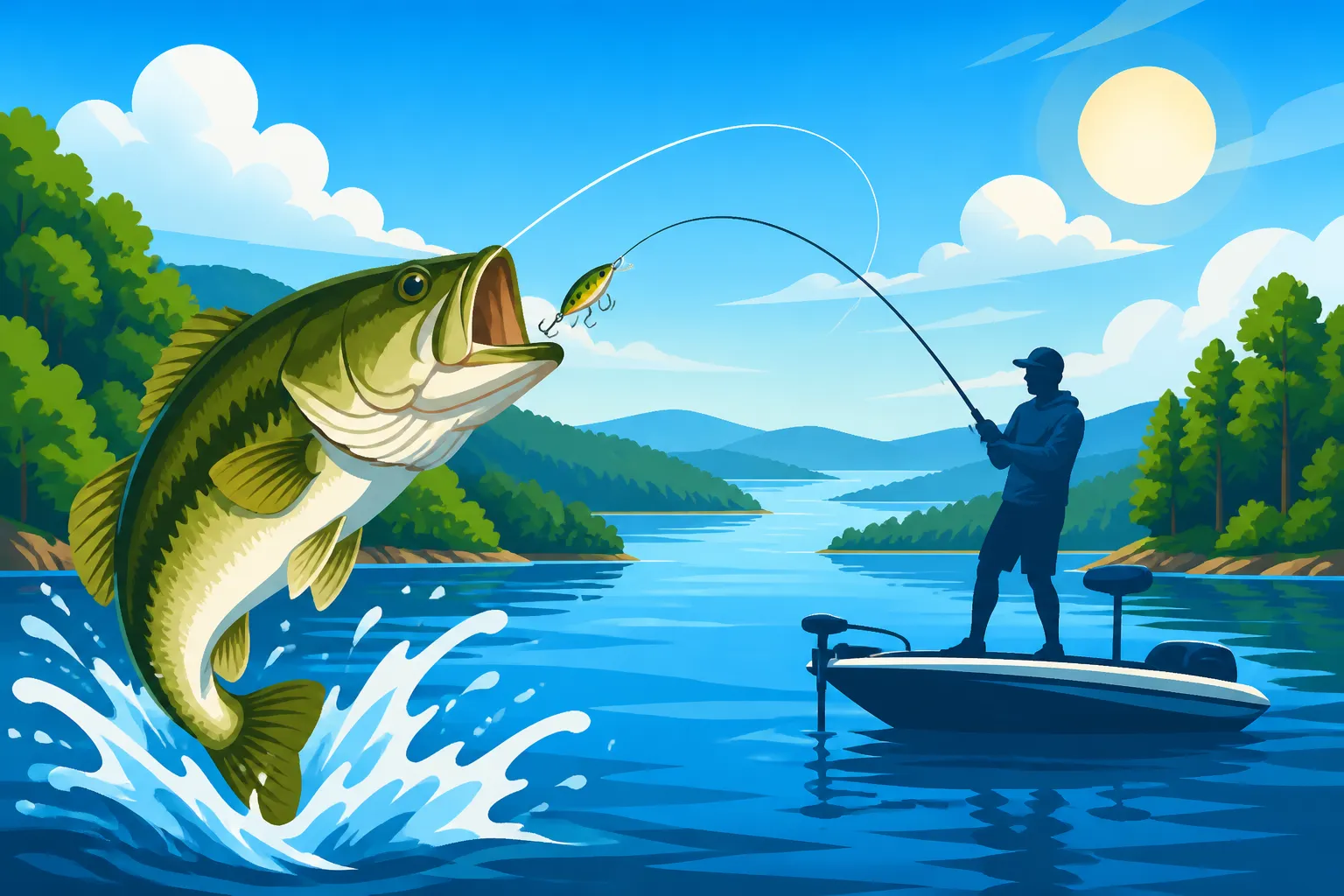
Watts Bar Lake, Tennessee’s Largest Lake for Fishing
There’s nothing quite like the feeling of anticipation as you head out for a day of fishing, but that excitement can quickly turn to frustration if you don’t know where to start, especially when looking at the sheer scale of Tennessee’s diverse waterways. If you’re yearning for a truly monumental fishing experience that offers a staggering variety of species and breathtaking scenery, then you’ve stumbled upon the perfect guide to Watts Bar Lake, Tennessee's undisputed largest lake for fishing.
Watts Bar Lake: A Goliath in the Heart of Tennessee Fishing
Watts Bar Lake isn't just a big lake; it’s a colossal aquatic playground that dominates the landscape of East Tennessee. Its sheer size and strategic location on the Tennessee River system make it a premier destination for anglers seeking everything from trophy bass to powerful striped bass and abundant panfish. It's easy to feel overwhelmed by its expanse, but understanding its unique characteristics is the first step to unlocking its full potential.
The Sheer Scale and Geography of Watts Bar
Imagine a body of water stretching for miles, winding through valleys and opening into vast, open expanses. That’s Watts Bar Lake. Formed by the impoundment of the Tennessee River by Watts Bar Dam, it covers an astounding 38,090 acres, with over 780 miles of shoreline. To put that in perspective, that’s more shoreline than the entire state of Florida! This immense size means incredible diversity in fishing environments, from the deep, rocky bluffs and main channel current of the Tennessee River itself to shallow, stump-filled coves and wide, open flats. You’ll find everything from submerged creek channels and humps to rip-rap shorelines and expansive grass beds. This varied topography is precisely what allows so many different species of fish to thrive here, each seeking its preferred habitat.
Navigating such a vast lake can feel daunting at first, especially if you’re used to smaller, more contained bodies of water. The lake stretches through Rhea, Meigs, Roane, and Loudon counties, offering countless entry points and distinct fishing zones. You might spend one day exploring the shallower, warmer backwaters around Kingston and another tackling the deeper, cooler main channel near Spring City. Don’t let the size intimidate you; instead, see it as an opportunity to discover new fishing spots every time you visit, ensuring that no two trips are ever quite the same. The sheer scale also means that even on busy days, you can often find quiet corners to enjoy some solitude, which is a blessing for many anglers.
A Rich History and Purpose
Watts Bar Lake, like many of Tennessee’s major reservoirs, owes its existence to the Tennessee Valley Authority (TVA). The dam was completed in 1942, primarily for hydroelectric power generation, flood control, and navigation. These functions continue to this day, shaping the lake’s water levels and current flows, which in turn significantly influence fish behavior and fishing patterns. The constant flow of the river system through Watts Bar means that fish are often current-oriented, and understanding how the dam releases water can be a game-changer for your success.
Beyond its utilitarian purposes, Watts Bar has evolved into a vital recreational hub, particularly for fishing. The management by the Tennessee Wildlife Resources Agency (TWRA) ensures that the lake remains a robust fishery through stocking programs and careful regulation. This long-term commitment to maintaining healthy fish populations is why Watts Bar consistently ranks as one of the best fishing lakes in Tennessee, attracting anglers from across the state and beyond. It’s a testament to thoughtful conservation and resource management that such a productive and enjoyable fishery continues to thrive.
Prime Fish Species to Target in Watts Bar Lake
Watts Bar Lake is renowned for its diverse fishery, boasting healthy populations of several highly sought-after game fish. Each species offers a unique challenge and reward, catering to different fishing styles and preferences. If you're wondering what you can realistically expect to pull from its depths, you're in for a treat.
The Reigning Largemouth and Smallmouth Bass
When it comes to bass fishing, Watts Bar is a consistent powerhouse. Largemouth bass absolutely thrive in the lake's abundant cover, from expansive hydrilla beds and lily pads in shallower coves to submerged timber and rocky points in deeper sections. Anglers consistently pull out five to eight-pound lunkers, and double-digit fish are not uncommon, making it a dream destination for trophy seekers. Techniques like flipping jigs and plastics into heavy cover, cranking square bills along shallow flats, or throwing topwater lures around grass edges are highly effective, especially during the warmer months. For those looking to master the art of catching these green giants, our guide on Tennessee Bass Fishing Seasons and Patterns offers invaluable insights.
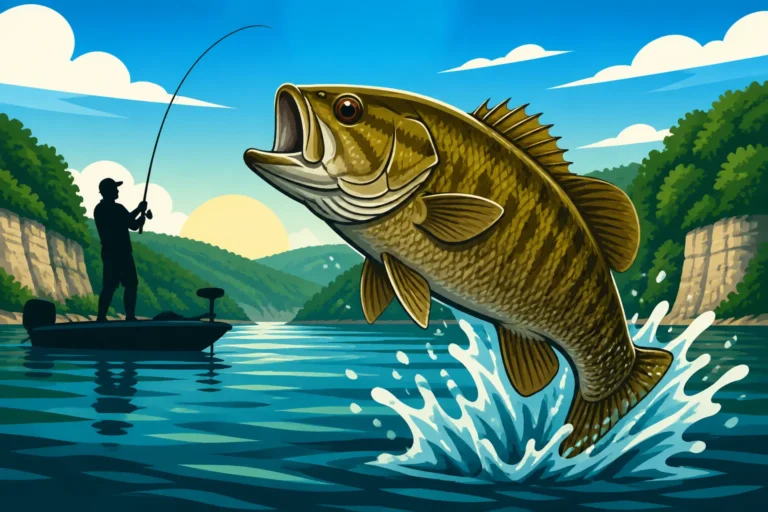
Smallmouth bass, Tennessee's official state fish, also call Watts Bar home, particularly in the deeper, clearer sections of the main river channel and around rocky bluffs. While not as prevalent as largemouth, the smallmouth here are notoriously aggressive and put up an incredible fight. Targeting them with tubes, shaky heads, drop-shots, or small crankbaits around current breaks and rocky structure can yield fantastic results. Early mornings and evenings often provide the best action, especially as water temperatures begin to cool in the fall. If you're interested in really getting to know your catch, checking out Largemouth Bass Identification Tips for Tennessee Anglers can help you tell the difference between these two fantastic species.
Crappie: A Panfish Paradise
If you prefer the fast action and delicious table fare of crappie, Watts Bar Lake is a true panfish paradise. Both black and white crappie are present in large numbers, often schooling around submerged brush piles, standing timber, and bridge pilings. Spring is a particularly exciting time for crappie anglers, as these fish move into shallower waters for their spawn, becoming more accessible. However, with the right techniques, crappie can be caught year-round.
Many anglers find success "spider rigging" with multiple rods, presenting minnows or small jigs at varying depths around known crappie haunts. Single-pole jigging around structure is also highly effective, especially when you pinpoint a school. Popular spots include the backs of large coves and the quieter arms of the lake, where plenty of woody cover exists. For a deeper dive into how to consistently catch these speckled beauties, our Tennessee Crappie Fishing Guide by Season is an excellent resource, and understanding Black Crappie Stocking by TWRA in Tennessee can help you pinpoint prime locations.
Catfish: The Bottom Dwellers
For those who enjoy a strong fight and the possibility of a truly massive catch, Watts Bar Lake’s catfish population is robust and diverse. Channel, blue, and flathead catfish all thrive here. Channel catfish are the most common and can be caught almost anywhere in the lake using a variety of baits, from cut bait and chicken livers to prepared stink baits. They offer consistent action and are excellent for eating.
Blue catfish are the true giants of Watts Bar, with many exceeding 50 pounds and some pushing the triple-digit mark. These powerful fish typically inhabit the deeper main river channels and large creek mouths, often congregating around current breaks and deep holes. Fresh cut bait, especially skipjack herring or shad, is king for targeting blues. Flathead catfish, known for their preference for live bait, can also be found in similar deep, snaggy areas, often near submerged timber or rocky ledges. Setting trotlines or jug fishing are popular methods for serious catfishermen. If you're interested in the nuances of these impressive fish, our guide on Blue Catfish vs Channel Catfish Identification can help you differentiate your catch.
Striped Bass: The Hard-Fighting Giants
Watts Bar Lake is also a fantastic destination for striped bass, a species known for its incredible strength and thrilling strikes. These migratory fish follow schools of baitfish, often shad, throughout the lake, making them a challenging but highly rewarding target. Stripers can grow to impressive sizes here, regularly exceeding 20-30 pounds.
Anglers typically target striped bass by trolling large swimbaits or live bait, such as gizzard shad or large shiners, in the main lake channel or near the dam. Early mornings and late evenings are prime times, especially when stripers push bait to the surface, creating explosive topwater action. When they're feeding on the surface, throwing large plugs or poppers can lead to heart-stopping strikes. For those eager to test their mettle against these powerful fish, our comprehensive guide to Tennessee Striped Bass Fishing Techniques will provide you with the strategies you need to succeed.
Navigating Watts Bar: Boat Access and Shoreline Fishing
Watts Bar Lake's immense size and extensive shoreline mean there are countless ways to access its waters, whether you’re bringing a fully-equipped bass boat, launching a kayak, or simply casting a line from the bank. Knowing where to go and what facilities are available can make all the difference in your fishing experience.
Essential Boat Ramps and Marinas
For boat anglers, Watts Bar Lake offers numerous public boat ramps and private marinas scattered across its vast expanse. These access points are crucial for getting your vessel onto the water and starting your adventure. Popular public ramps managed by the TWRA or local counties are typically well-maintained and offer ample parking, though they can get busy during peak season weekends. For instance, Rhea County’s Spring City Boat Ramp is a favorite, providing easy access to the central and southern parts of the lake, with amenities nearby. Similarly, the public ramps in Kingston and Rockwood offer great starting points for the northern sections.
Marinas on Watts Bar Lake, such as Watts Bar Lake Resort & Marina or Ladd Landing Marina, provide a full range of services, including fuel, bait and tackle shops, boat rentals, and often have associated lodging or restaurants. These spots are not just convenient; they can also be excellent sources of local fishing information from fellow anglers and staff. Choosing your launch point strategically, based on the specific areas you plan to fish, can save you significant travel time on the water and help you maximize your fishing day. If you're wondering what kind of vessel is best for such an expansive body of water, our guide on Best Fishing Boats for Tennessee's Big Reservoirs might offer some useful advice.
Kayaking and Canoe Opportunities
For a more intimate and quiet fishing experience, kayaking or canoeing on Watts Bar Lake is an excellent option. While the main channel can be challenging due to boat traffic and current, the countless coves, creeks, and backwaters offer perfect conditions for paddle craft. These smaller vessels allow you to slip into shallow areas where larger boats can't go, accessing untouched pockets of water that often hold excellent fish.
The lower sections of Watts Bar, particularly around the mouths of creeks like Clinch River and Emory River, offer fantastic kayaking opportunities. You can quietly maneuver through flooded timber or along grass lines, targeting bass, crappie, and panfish. Remember to always prioritize safety when kayaking on such a large body of water. Wear your life jacket—it's not just a good idea, it's often legally required, and understanding Tennessee's Under-12 Life Jacket Rule Explained is crucial if you have kids onboard. Always check weather conditions and be aware of boat traffic, especially on the main lake.
Accessible Bank Fishing Spots
Not every angler has a boat, and that's perfectly fine! Watts Bar Lake offers several excellent opportunities for bank fishing, allowing you to enjoy the thrill of the catch without needing a vessel. Public parks, recreation areas, and designated fishing piers provide safe and accessible spots to cast a line. For example, Watts Bar Dam Recreation Area offers good bank access, and several state parks or county parks bordering the lake often have accessible shorelines or docks.
These areas are frequently stocked with fish by the TWRA, particularly during children's fishing events, increasing your chances of success. Target species like bluegill, channel catfish, and even bass can be caught from the bank. Simple setups with live worms, crickets, or basic artificial lures can yield plenty of action, making bank fishing a fantastic option for families or those just looking for a relaxing day by the water. Always be mindful of private property signs and respect local regulations.
Optimal Fishing Techniques and Strategies for Watts Bar
Watts Bar Lake is a dynamic fishery, and successful angling often comes down to adapting your techniques to the season, water conditions, and the specific species you're targeting. There's no single magic bullet, but rather a toolbox of strategies that will serve you well.
Seasonal Approaches for Bass
Bass fishing on Watts Bar truly changes with the calendar. In spring, as water temperatures rise, largemouth move shallow for the spawn. This is prime time for throwing spinnerbaits, crankbaits, and soft plastics around emergent vegetation, rocky banks, and boat docks. Smallmouth will often be found a bit deeper on rocky points and humps. As summer heats up, bass often move to deeper offshore structure, like ledges, humps, and submerged timber. Deep diving crankbaits, Carolina rigs, and large jigs are effective for covering these areas. Early morning and late evening topwater bites can be explosive around grass lines.
Fall sees bass moving back shallower, chasing baitfish schools that migrate into the creeks. This is a fantastic time for throwing reaction baits like crankbaits, lipless crankbaits, and swimbaits. The fish are often aggressive and feeding heavily. Finally, winter can be challenging but rewarding. Bass often suspend in deep creek channels or hug bottom on main lake ledges. Slow-rolling jigs, blade baits, and spoons are the go-to techniques, requiring patience but potentially yielding large, lethargic fish. Understanding these Tennessee Bass Fishing Seasons and Patterns is paramount to consistent success.
Crappie: Jigs, Minnows, and Brush Piles
Crappie fishing on Watts Bar is an art form, especially when you factor in the lake's abundant cover. Spring is often the easiest time to catch crappie as they move into shallow water to spawn. Small jigs, tipping with a minnow, under a bobber around brush piles, stumps, and docks, particularly in the backs of creeks and coves, can be incredibly productive. As the spawn progresses and water warms, they'll often hold tight to thicker cover.
In summer, crappie retreat to deeper, cooler waters, often suspending over brush piles, submerged timber, or bridge pilings in 15-30 feet of water. Vertical jigging or "spider rigging" with multiple rods presenting minnows or small jigs at different depths is key. Many anglers use their electronics to locate these brush piles, sometimes at night under lights. Fall sees crappie again becoming more active, moving up and down the water column as baitfish schools move. They can often be found deeper on main lake points or at the mouths of creeks. Winter crappie will usually suspend in deep creek channels or around major river channel structure, requiring patience and a slow presentation of minnows or tiny jigs. A detailed Tennessee Crappie Fishing Guide by Season will walk you through these nuances.
Catfish: Baits and Rigging for Success
Catfishing on Watts Bar is often about presentation and patience. For channel catfish, almost any bottom-fishing rig with stink bait, cut bait, or even worms will work. Focus on areas with a good current flow, like creek mouths or the main river channel, but don't overlook shallower coves, especially in the evening. A simple Carolina rig or a three-way swivel rig with a heavy sinker to hold bottom is standard.
To target the giant blue catfish, fresh cut bait (shad, skipjack, or even pieces of other rough fish) is essential. Use heavy-duty tackle, strong circle hooks (8/0 to 12/0), and stout rods. Target deep holes, river bends, and current seams in the main channel. Setting up a series of rods from a boat or trotlines in deeper areas are common methods. Flathead catfish, being ambush predators, prefer live bait like bluegill, sunfish, or large shiners. Fish these baits near heavy cover in deep water, such as submerged trees or rock piles, often at night. Our Tennessee Catfish Fishing Techniques and Seasons guide provides much more detail on these strategies.
Mastering Striped Bass: Trolling, Live Bait, and Topwater
Striped bass on Watts Bar are always on the move, chasing bait. Successful striper fishing often involves covering a lot of water. Trolling is a highly effective method, using large swimbaits, deep-diving crankbaits, or umbrella rigs behind planer boards or downriggers. Target the main lake points, submerged humps, and the river channel. Vary your trolling speed and depth until you find the fish.
Live bait is another top choice, especially large gizzard shad. Use a free-lined or balloon-rigged shad when fish are near the surface, or a weighted rig to present it deeper. Early morning and late evening are crucial, particularly during the warmer months when stripers are most likely to feed on the surface. When you see birds diving or fish schooling, throw large topwater plugs or stick baits into the fray for explosive strikes. Keep an eye on your fish finder for schools of baitfish, as stripers will almost certainly be nearby.
Important Regulations and Best Practices on Watts Bar Lake
Fishing on a large, popular body of water like Watts Bar Lake requires not only angling skill but also a strong understanding of local regulations and best practices. These rules are in place to protect the fishery, ensure safety, and provide an enjoyable experience for everyone. Ignoring them can lead to disappointment or even penalties.
Understanding Tennessee's Statewide and Lake-Specific Limits
While Tennessee has statewide fishing regulations, many of its major lakes, including Watts Bar, often have specific rules that supersede the general guidelines. These lake-specific regulations are designed to manage particular fish populations more effectively, especially for species like bass, crappie, and catfish. For instance, there might be unique size limits or creel limits for certain species on Watts Bar that differ from what you’d find on a smaller, less pressured lake. It's not enough to just know the general rules; you absolutely must check the most current TWRA regulations specific to Watts Bar Lake before each fishing trip. These details are usually available on the TWRA website or in their annual fishing guide. Our comprehensive Tennessee Fishing Regulations Explained article can offer a great starting point for understanding the framework, but always verify for Watts Bar itself.
Failing to adhere to these specific limits can result in fines and loss of fishing privileges. Game wardens regularly patrol Watts Bar Lake, ensuring compliance. Beyond the legal aspects, understanding and respecting these limits is about being a responsible angler and contributing to the sustainability of the fishery for future generations. It’s a shared responsibility that allows us all to continue enjoying this fantastic resource.
Licensing Requirements for Watts Bar
Just like anywhere else in Tennessee, fishing on Watts Bar Lake requires a valid Tennessee fishing license. This isn't just a formality; it's how the TWRA funds crucial conservation efforts, stocking programs, and enforcement that keep our lakes vibrant. The type of license you need depends on several factors: whether you are a resident or non-resident, your age, and the duration of your trip (annual, multi-day, or single-day). For example, a resident annual combination hunt and fish license is a popular choice for many locals, while visitors might opt for a non-resident 3-day or 10-day option.
Remember that certain species, like trout, sometimes require an additional trout permit even if you have a general fishing license. While Watts Bar isn't primarily known as a trout fishery, it's always wise to check if you plan to fish in tributaries that might be stocked. You can easily purchase or renew your license online through the TWRA website, at most sporting goods stores, or local bait shops. Having your license readily available, either digitally on your phone or as a printed copy, is essential if you encounter a game warden. Our extensive Tennessee Fishing License Guide breaks down all the options and requirements in detail.
Boating Safety and Courtesy
Given the size and popularity of Watts Bar Lake, boating safety and courtesy are paramount. The lake can become very busy, especially during peak recreation times, with various types of watercraft from fishing boats to pleasure cruisers. Always operate your boat safely, maintaining a safe speed and distance from other vessels. Be particularly vigilant in areas with heavy boat traffic or limited visibility, such as around river bends or narrow passages.
Life jackets (Personal Flotation Devices or PFDs) are a non-negotiable part of boating safety. Ensure everyone on board has an appropriately sized, Coast Guard-approved life jacket, and that children under 12 are wearing theirs whenever the boat is underway. Beyond the legal requirements, it’s simply smart practice. Additionally, practice good environmental stewardship: never litter, dispose of fishing line and waste properly, and avoid disturbing wildlife. Being courteous to other anglers and boaters creates a more enjoyable experience for everyone on the water.
Planning Your Watts Bar Fishing Adventure
Watts Bar Lake is an angler's dream, but a little planning goes a long way in ensuring your trip is successful and enjoyable. From choosing the right time to visit to considering professional guidance, thinking ahead can maximize your chances of a memorable experience.
When to Visit for Peak Action
Deciding when to fish Watts Bar Lake can significantly impact your success, as different seasons offer peak opportunities for various species.
Spring (March-May) is arguably the most popular time, especially for bass and crappie. As water temperatures rise, fish move shallow for spawning, making them more accessible and aggressive. Largemouth bass are often found around shallow cover, and crappie concentrate in brush piles in creek arms. This is also a good time for aggressive channel catfish.
Summer (June-August) can be excellent, though you'll often need to adapt to deeper patterns. Early mornings and late evenings are prime for topwater bass and schooling stripers. Catfish are very active, especially at night. Crappie will be suspended over deeper structure.
Fall (September-November) sees fish becoming very active again as water temperatures cool and they feed heavily in preparation for winter. Bass and crappie will move shallower, chasing baitfish, and striped bass can be particularly strong, offering thrilling fights.
Winter (December-February) offers a quieter experience, but big fish are still catchable. Bass will be deep and lethargic, requiring slower presentations. Crappie will suspend in deep channels. Catfish can still be caught, particularly blues in deep river bends. The key is knowing the Best Times to Fish in Tennessee Year-Round and adapting your approach.
Finding a Fishing Guide
For many anglers, especially those visiting Watts Bar Lake for the first time or targeting a specific species, hiring a local fishing guide can be an invaluable investment. A professional guide possesses intimate knowledge of the lake's ever-changing conditions, fish patterns, and hotspots. They can teach you effective techniques, provide specialized gear, and significantly increase your chances of a successful day on the water. This is particularly true for a lake as vast and complex as Watts Bar, where local knowledge can be the difference between a frustrating day and a fantastic one.
A guide can also help you navigate safely, understand the nuances of the regulations, and simply enjoy the experience without the stress of figuring everything out yourself. Services like FishingBooker connect you with experienced, licensed guides specializing in Watts Bar Lake. They offer a range of trips targeting different species, often providing all the necessary equipment, so all you have to do is show up ready to fish. Utilizing a guide is an excellent way to fast-track your learning curve and make the most of your limited time on the water. You can often find detailed profiles and reviews of Watts Bar guides through platforms like FishingBooker, helping you choose the perfect fit for your angling goals.
Local Accommodations and Amenities
Watts Bar Lake is surrounded by communities that cater to anglers and outdoor enthusiasts, offering a variety of accommodations and amenities to make your trip comfortable. Towns like Spring City, Kingston, and Rockwood provide access to lodging options ranging from hotels and motels to cabins, vacation rentals, and campgrounds. Many private marinas and resorts along the lake also offer cabins or RV sites directly on the water, providing convenient access to fishing.
Beyond lodging, you’ll find essential services such as bait and tackle shops, grocery stores, gas stations, and restaurants in these local towns. These bait shops are often run by knowledgeable locals who can offer up-to-the-minute fishing reports and advice, so don't hesitate to strike up a conversation. Whether you prefer the rustic charm of lakeside camping or the convenience of a modern hotel, Watts Bar has options to suit every preference, ensuring you have everything you need for an extended and enjoyable fishing adventure. When booking a guide, many platforms, including FishingBooker, can also provide information on nearby accommodations.
Watts Bar Lake Species & Prime Seasons
| Largemouth Bass | Spring: Shallow cover, spawning. Summer: Deep offshore structure, ledges. Fall: Shallow creek arms, chasing bait. Winter: Deep channels, slow presentations. |
|---|---|
| Smallmouth Bass | Spring: Rocky points, humps. Summer: Deeper main channel, current breaks. Fall: Rocky banks, baitfish migration. Winter: Deep main lake structure. |
| Crappie | Spring: Shallow brush piles, docks, spawning. Summer: Suspended over deep brush, bridge pilings. Fall: Deeper points, creek mouths, active feeding. Winter: Deep creek channels, slow presentation. |
| Channel Catfish | Year-round: Active in current, creek mouths, coves. Peak in warmer months. |
| Blue Catfish | Year-round: Deep main river channels, current breaks. Peak in warmer months, also excellent night fishing. |
| Flathead Catfish | Year-round: Deep, snaggy areas, submerged timber. Best with live bait. Peak in warmer months, often nocturnal. |
| Striped Bass | Spring: Main channel, following bait. Summer: Deep main lake, early morning/late evening topwater. Fall: Aggressive feeding, chasing baitfish schools. Winter: Deeper suspended, main channel. |
Disclaimer
The information provided in this guide is for general informational purposes only and is not intended as legal advice regarding fishing regulations. Fishing rules and regulations, including license requirements, catch limits, and size restrictions, can change frequently. It is the responsibility of the angler to always consult the most current regulations published by the Tennessee Wildlife Resources Agency (TWRA) before engaging in any fishing activities on Watts Bar Lake or any other Tennessee waters. Local conditions and specific lake rules may supersede statewide regulations. Always prioritize safety and environmental stewardship.