Pickwick Lake Bass and Catfish Fishing
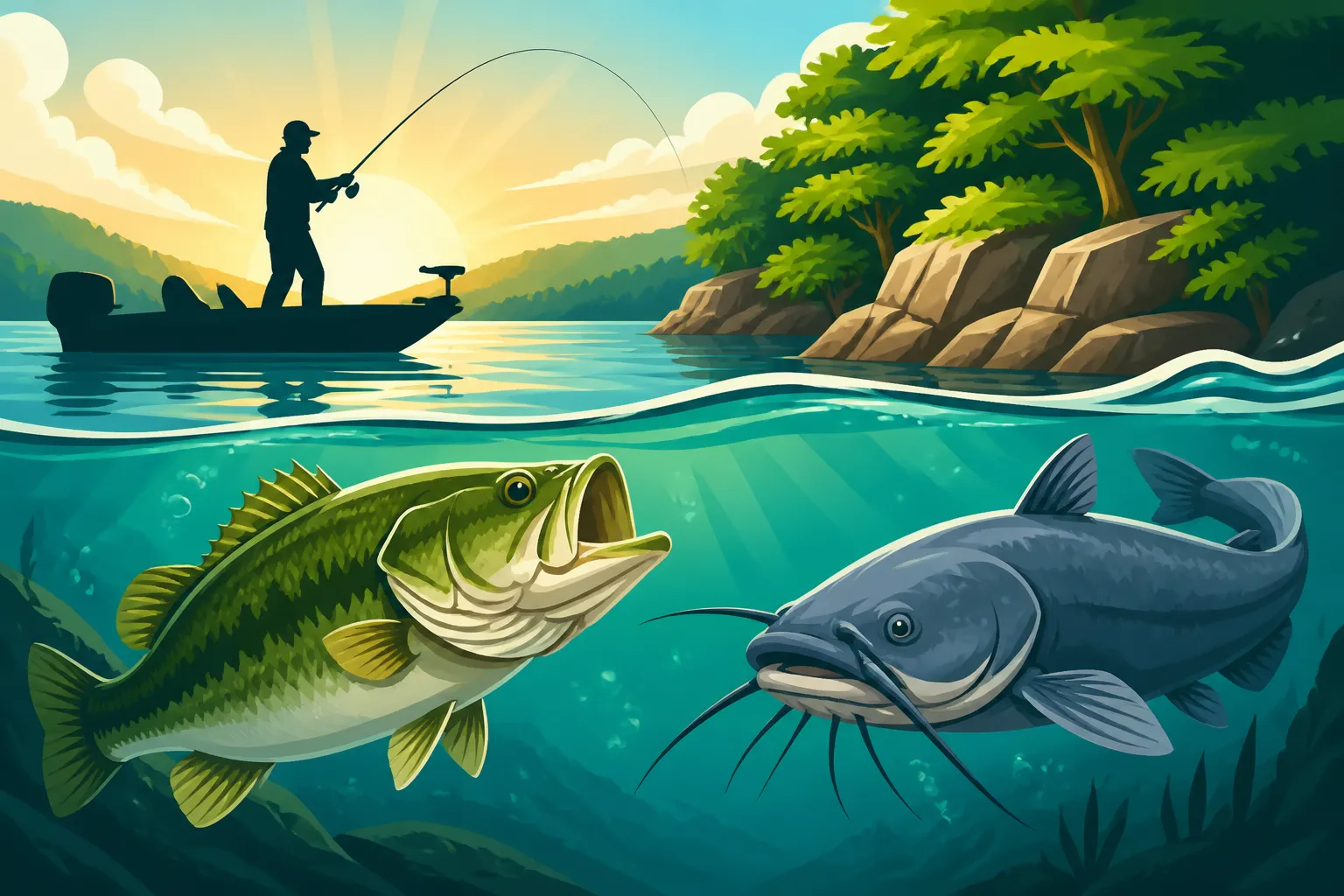
You've heard the whispers, haven't you? Tales of colossal bass and monster catfish lurking in the deep, clear waters of Pickwick Lake. It's a dream destination for many anglers, but rolling up to a massive reservoir like Pickwick without a plan can feel like trying to find a needle in a haystack. This comprehensive guide is here to cut through the confusion, offering seasoned advice and detailed strategies specifically for targeting Pickwick Lake's legendary bass and robust catfish populations.
Understanding Pickwick Lake's Unique Fishery
Pickwick Lake, nestled in the scenic landscapes of Tennessee, Alabama, and Mississippi, isn't just another body of water; it's a dynamic, diverse ecosystem that offers some of the best fishing opportunities in the Southeast. Its unique blend of riverine currents, vast open water, and intricate shoreline features makes it a complex yet incredibly rewarding fishery.
The Lay of the Land: A Hydrographic Overview
Pickwick Lake is one of the Tennessee Valley Authority (TVA) reservoirs on the Tennessee River, stretching approximately 53 miles long with over 490 miles of shoreline. This immense size means varied fishing environments, from the swift-moving current around the dam to expansive, calmer backwaters and tributary arms. The lake's depth can vary significantly, dropping to over 60 feet in the old river channel, while numerous flats, humps, and submerged timber create a labyrinth of structure for fish. It's truly a marvel how the engineering of the dam created such a vibrant habitat. The diverse bottom contours, ranging from rocky ledges and gravel points to mud flats and hydrilla beds, are critical for understanding where different species will hold throughout the year.
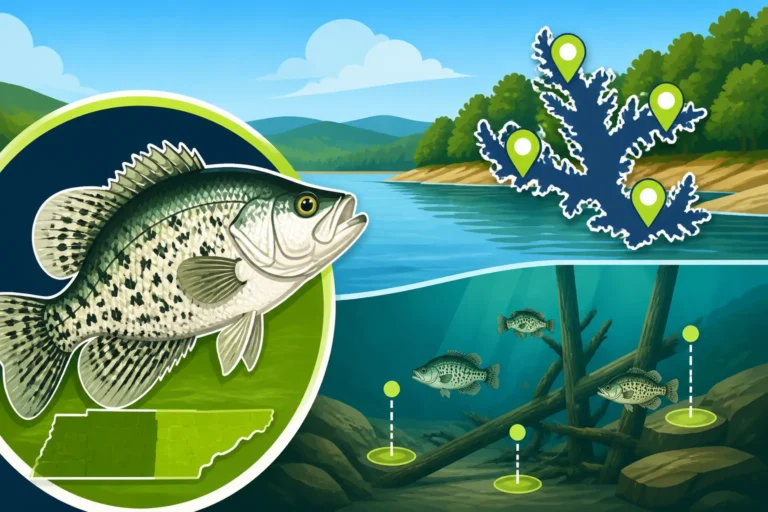
The western portion of the lake, particularly near the dam and into Mississippi, is known for its strong current and rocky bottom, which attracts smallmouth bass and various catfish species. As you move east, the lake widens, offering more expansive flats, coves, and submerged vegetation that become prime habitat for largemouth bass and crappie. Understanding these geographical nuances is the first step to unlocking Pickwick's potential. It's not just one lake, but a collection of distinct fishing zones, each with its own character and best approach.
Why Pickwick is a Prime Bass and Catfish Destination
Pickwick Lake has earned its reputation as a premier fishing destination for very good reasons. For bass anglers, it's the sheer size and health of the population, particularly the chance to land a truly massive largemouth or a hard-fighting smallmouth. The lake consistently produces trophy-sized fish, drawing anglers from all over the country looking to set new personal bests. The abundance of forage, including shad, bluegill, and various smaller baitfish, fuels this growth and keeps the bass well-fed and aggressive.
When it comes to catfish, Pickwick is simply legendary. It's widely regarded as one of the best "big cat" lakes, especially for blue catfish, which thrive in the strong currents and deep holes of the Tennessee River channel. Anglers regularly pull out blues weighing 50, 70, or even over 100 pounds. Alongside the giants, healthy populations of channel catfish and flatheads provide consistent action. The robust ecosystem and the sheer volume of water mean these fish have ample space to grow and plenty of food, making Pickwick an ideal spot for anyone hoping to tangle with a true freshwater leviathan.
Targeting Pickwick Lake Bass
For many, bass fishing is the main draw to Pickwick, and it rarely disappoints. Whether you're chasing the aggressive largemouth or the feisty smallmouth, understanding their seasonal movements and preferred habitats is key to success.
Seasonal Patterns and Prime Times for Bass
Just like anywhere else, bass on Pickwick Lake follow predictable seasonal patterns. Spring is a phenomenal time, as bass move shallow for the spawn. Anglers often find largemouth in protected coves and shallow flats with submerged vegetation, while smallmouth gravitate towards rocky points and gravel beds in areas with some current. This is when sight fishing can be productive, and topwater action starts to heat up. You can learn more about these predictable movements in our guide on Tennessee Bass Fishing Seasons and Patterns.
As summer heats up, bass often move deeper, seeking cooler, oxygen-rich water. Ledges become the absolute holy grail for largemouth, especially those with shell beds or brush piles nearby. Smallmouth might stick to deeper rocky structures or current seams. Fall sees bass transitioning back to shallower water, feeding aggressively as they bulk up for winter, often following baitfish migrations into creeks and flats. Winter, while challenging, can still yield big fish for those who understand how to fish deep structure slowly and methodically.
Best Baits and Techniques for Largemouth and Smallmouth
For largemouth bass, Pickwick offers a smorgasbord of options. In spring, focus on spinnerbaits, squarebill crankbaits, and ChatterBaits around shallow cover like docks, laydowns, and sparse hydrilla. As fish transition to deeper water, deep-diving crankbaits (like a Strike King 6XD or a Berkley Dredger), football jigs, and large Texas-rigged worms become indispensable for targeting ledges. Flipping and pitching creature baits into heavy cover can also be highly effective. The key is often finding the "sweet spot" on a ledge—a small irregularity or piece of cover that holds a school of fish.
Smallmouth bass on Pickwick, often found in the more riverine sections, prefer rocky areas, current, and clear water. Tubes, drop shots, shaky heads, and Ned rigs are deadly for enticing these bronze bombers. When they're feeding aggressively, topwater lures like poppers or walking baits can trigger explosive strikes, especially around schooling baitfish. Blade baits and suspending jerkbaits also shine in colder water. Remember, smallmouth are often sight feeders, so precise casts and natural presentations can make a huge difference. If you're struggling to identify your catch, check out our Largemouth Bass Identification Tips for Tennessee Anglers or Smallmouth Bass: Tennessee's Official State Fish for help.
Key Bass Fishing Spots on Pickwick
Pickwick Lake has several legendary bass fishing spots that consistently produce. The ledges downstream from the dam are famous for holding massive schools of largemouth and smallmouth, especially during summer and fall. Anglers spend countless hours graphing these areas, looking for humps, depressions, and subtle changes in depth that might indicate a school of fish. The area around Wilson Dam and the upper reaches of the lake offer fantastic smallmouth opportunities, particularly where current is present.
Further down the lake, the expansive flats and backwater creeks provide excellent largemouth habitat. Areas like Indian Creek, Yellow Creek, and Big Bear Creek are renowned for their hydrilla beds and timber, which hold bass year-round. These creeks are particularly productive during the spring spawn and fall feeding frenzies. Don't overlook the many main lake points and humps that offer staging areas for bass moving between deep and shallow water. Many anglers even find success in the less pressured areas, often relying on services like FishingBooker to connect with local guides who know these secret honey holes inside and out. For a broader view, our Best Fishing Spots on Pickwick Lake provides even more detail.
Chasing Catfish on Pickwick's Waters
If it's the thrill of a heavy, sustained fight you're after, Pickwick Lake's catfish population will not disappoint. The lake is a veritable paradise for catfishing, from pan-sized eaters to true giants that will test your tackle and stamina.
Identifying Pickwick's Catfish Species
Pickwick Lake is home to three primary species of catfish: channel, blue, and flathead. Each has its own characteristics and preferred habitats.
Channel catfish are the most common and widespread, identifiable by their spotted bodies (though spots fade with age) and forked tails. They tend to prefer warmer, slower moving water and are often found in creeks and flats. These are excellent eating fish and provide consistent action. Our guide on Channel Catfish: Tennessee's Other Official State Fish offers great identification tips.
Blue catfish are the true giants of Pickwick, known for their large, stout bodies, distinct hump on their back, and deeply forked tail. They are typically unspotted and possess an undeniable power. Blues thrive in the main river channel, especially in areas with strong current and deep holes. These are the fish that break lines and pull boats, offering an unforgettable fight. They are also excellent table fare.
Flathead catfish are easily distinguished by their broad, flattened heads, small eyes, and paddle-like, slightly rounded tail. They are ambush predators and often prefer snag-filled areas like logjams, submerged trees, and rocky crevices. Flatheads are typically solitary and tend to be more elusive than channels or blues, but they also grow to impressive sizes and put up a formidable fight. If you're unsure which cat you've caught, check out Blue Catfish vs Channel Catfish Identification for a quick comparison.
Top Catfish Baits and Rigs
When targeting catfish on Pickwick, bait choice is paramount. For blue and channel catfish, fresh cut bait is king. Shad, skipjack herring, and even smaller panfish cut into chunks are incredibly effective. Some anglers swear by stink baits or chicken livers for channels, especially in warmer water. For flatheads, live bait is almost always the preferred choice. Live bluegill, shad, or even smaller sunfish presented near their ambush points can be deadly.
Rigs should be robust enough to handle powerful fish and heavy current. A simple Carolina rig or a three-way swivel rig with an appropriate sinker weight (often 3-8 ounces, depending on current) is standard. For monster blues, a heavy-duty circle hook (8/0 to 12/0) with a strong leader (50-80 lb monofilament or fluorocarbon) is essential. Make sure your mainline is equally tough, often 30-50 lb mono or braid. When fishing heavy cover for flatheads, a strong leader is crucial to prevent abrasion. Remember, these fish don't nibble; they hammer your bait, so a stout rod and reel are non-negotiable.
Productive Catfish Locations and Strategies
The main Tennessee River channel, particularly in the lower lake section near the dam and extending into Mississippi, is prime territory for trophy blue catfish. Look for deep holes, ledges, and current breaks. Many anglers will anchor upcurrent from a promising spot and deploy multiple lines, allowing their baits to drift into the feeding zone. Fishing the scour holes below the dam is also incredibly effective, though regulations and safety must be strictly observed due to strong currents.
For channel catfish, explore the deeper sections of major creek channels and flats, especially those with muddy bottoms or submerged cover. Points and ledges leading into these areas can also be productive. Flatheads often lurk in logjams, fallen trees, and rock piles in the main river or larger creeks. Presenting a live bait just off these snags is a common strategy. Jug fishing or setting trotlines can also be incredibly effective for all three species, especially for covering larger areas or reaching spots inaccessible by traditional rod-and-reel methods, though always check local Tennessee Fishing Regulations Explained for these methods.
Essential Gear and Boating Tips for Pickwick
A trip to Pickwick Lake, especially if you're targeting its robust bass and catfish, requires the right gear and a solid understanding of boating safety and navigation. This isn't a small farm pond; it's a serious body of water.
Recommended Rods, Reels, and Line
For bass fishing on Pickwick, a versatile arsenal is recommended. For largemouth, consider medium-heavy to heavy power baitcasting rods, 7 to 7.6 feet long, paired with high-speed baitcasting reels (7.1:1 or higher gear ratio) spooled with 15-20 lb fluorocarbon for cranking or 50-65 lb braided line for flipping and pitching. For smallmouth, a medium power spinning rod (6.6-7 feet) with a 2500-3000 series spinning reel spooled with 8-12 lb fluorocarbon or braided line with a fluorocarbon leader is ideal for finesse techniques.
Catfish demand heavy-duty gear. A medium-heavy to heavy power baitcasting or conventional rod, 7 to 10 feet in length, is essential, capable of handling heavy weights and powerful fish. Pair this with a stout conventional reel (like an Abu Garcia Ambassadeur or Penn Squall) spooled with 30-50 lb monofilament or 65-100 lb braided line. This setup will give you the backbone needed to wrestle with Pickwick's giant blue cats. Don't skimp on line strength or hook quality; these fish will exploit any weakness.
Navigating Pickwick: Boat Ramps and Safety
Pickwick Lake offers numerous public and private boat ramps, easily accessible from various points in Tennessee, Alabama, and Mississippi. Popular ramps include those at Pickwick Landing State Park, McFarland Park in Florence, AL, and various smaller ramps in different communities along the shoreline. Ensure your boat trailer is in good condition, and always check the ramp conditions before launching, especially during periods of low or high water.
Safety on Pickwick is paramount due to its size and potential for heavy boat traffic, particularly during peak seasons. Always carry all required safety gear, including Tennessee Life Jacket and PFD Rules for Boaters, a fire extinguisher, sound-producing device, and navigation lights for dawn, dusk, or night fishing. Keep a keen eye on weather forecasts, as storms can develop quickly over such a large body of water. Navigational charts or a GPS unit with detailed mapping are highly recommended to avoid hazards like submerged timber, rock piles, and shallow flats, especially if you're exploring new areas.
Electronics and Their Role in Success
Modern electronics are game-changers on Pickwick Lake, especially when targeting deep-holding bass on ledges or catfish in the river channel. A good fish finder with down imaging and side imaging capabilities is almost a necessity for effectively breaking down deep water. Units from brands like Humminbird (e.g., HELIX, SOLIX series) or Lowrance (e.g., HDS, Elite FS) can reveal subtle contours, brush piles, and even individual fish that are invisible to the naked eye.
GPS mapping is crucial for navigating, marking waypoints for productive spots, and safely returning to your launch point. Many anglers also utilize advanced trolling motors with GPS spot-lock features, allowing them to hold their boat precisely over a deep-water structure or current seam without constantly running the main engine. This technology not only makes fishing more efficient but also reduces disturbance to fish. A good set of electronics can drastically cut down on unproductive time and increase your chances of success on a vast lake like Pickwick.
Regulations and Responsible Angling on Pickwick
Fishing on Pickwick Lake, like any public waterway, comes with important responsibilities. Understanding and adhering to Tennessee's fishing regulations ensures that the lake remains a fantastic fishery for generations to come.
Understanding Tennessee's Fishing License Requirements
Before you even make your first cast, you absolutely need to ensure you have a valid Tennessee fishing license. This isn't just a suggestion; it's the law. Whether you're a resident or a non-resident, daily, annual, or multi-year options are available. For instance, Tennessee offers a variety of licenses, from a basic statewide annual license to specific short-term options for visitors. It's really easy to get one online through the Tennessee Wildlife Resources Agency (TWRA) website, or you can pick one up at various sporting goods stores and bait shops across the state.
Even if you're only fishing for a day or a weekend, a short-term license will cover you. If you plan multiple trips throughout the year, an annual license often makes more economic sense. There are also special licenses and permits for specific activities like trout fishing, so always double-check if your target species requires anything beyond a general fishing license. Failing to possess the correct license can lead to fines and an unpleasant encounter with a game warden. Our comprehensive Tennessee Fishing License Guide can walk you through all the details.
Specific Pickwick Lake Limits and Rules
While many statewide regulations apply, some bodies of water, including sections of Pickwick Lake, might have specific, lake-specific rules that supersede general guidelines. It's always crucial to check the current TWRA fishing guide, available online or in print, for any specific exceptions for Pickwick.
For bass, Tennessee typically has a daily limit of 5 fish for largemouth, smallmouth, spotted, and Alabama bass combined, with specific size restrictions. For largemouth, usually only one fish over 18 inches can be kept. Smallmouth and spotted bass often have a combined limit with only one over 16 inches. Catfish regulations are generally more liberal but still exist. Blue and channel catfish often have no daily creel limit, but there might be size restrictions on trophy fish or specific methods of harvest. Flathead catfish often have a lower daily limit and minimum size. These regulations are in place to manage fish populations and ensure sustainable fishing, so understanding them is a key part of responsible angling. Always know before you go!
| Species | Daily Limit (Statewide Default) | Size Restrictions (Statewide Default) | Notes |
|---|---|---|---|
| Largemouth Bass | 5 (combined) | Only 1 over 18 inches | Check Pickwick specific rules |
| Smallmouth Bass | 5 (combined) | Only 1 over 16 inches | Often found in current |
| Spotted Bass | 5 (combined) | Only 1 over 16 inches | Shares limit with smallmouth |
| Blue Catfish | No Limit (typically) | Check for specific trophy limits | Main river channel, deep water |
| Channel Catfish | No Limit (typically) | Check for specific trophy limits | Widespread, various habitats |
| Flathead Catfish | 5 | Minimum 18 inches (check local) | Prefer snags, live bait |
Note: These are statewide default limits. Always consult the most current TWRA Fishing Guide for specific Pickwick Lake regulations, as they can change and lake-specific rules often override statewide defaults.
Planning Your Pickwick Lake Fishing Adventure
A successful fishing trip to Pickwick Lake isn't just about what bait you throw or how deep you fish; it's also about thorough planning. From choosing the best time to visit to considering local expertise, every detail contributes to a memorable experience.
Best Time to Visit and What to Expect
Pickwick Lake offers fantastic fishing year-round, but specific seasons excel for different species. For bass, spring (March-May) is prime for numbers and spawning activity, while summer (June-August) means incredible ledge fishing for trophy largemouth and strong smallmouth action in current. Fall (September-November) sees aggressive feeding as fish fatten up. Winter (December-February) can be tough but often yields fewer, larger fish for dedicated anglers employing slow, deep presentations.
For catfish, the warmer months (April-October) are generally most productive, especially for blue and channel cats. They become highly active, feeding aggressively in the current and on flats. Flatheads, being ambush predators, can be caught year-round, but summer nights often produce the best action when they move to hunt. Expect busy boat ramps and potentially crowded spots during peak bass tournament season and holiday weekends. Booking a guide in advance, especially through a platform like FishingBooker, can help you navigate these busy periods and find less pressured water.
Hiring a Guide for a Successful Trip
For those unfamiliar with Pickwick Lake's vastness and complexities, hiring a professional fishing guide is an invaluable investment. A seasoned local guide can dramatically shorten your learning curve, putting you on fish quickly and teaching you the nuances of fishing this specific body of water. They know the current patterns, the best baits for the day, and where the fish are holding, saving you countless hours of searching.
Guides typically provide all the necessary gear, bait, and often share their vast knowledge of the lake's hydrography and fish behavior. This is particularly beneficial for targeting trophy species like giant blue catfish or elusive ledge bass. Many excellent guides operate on Pickwick, and you can easily find and book highly-rated ones through platforms like FishingBooker. They offer tailored trips, whether you're after a specific species, learning new techniques, or simply want to ensure a productive and enjoyable day on the water. A guide's local knowledge can make the difference between a frustrating blank and a day full of unforgettable catches.
Local Amenities and Accommodations
Pickwick Lake is well-supported by numerous towns and communities, offering a wide range of amenities and accommodations for visiting anglers. On the Tennessee side, Pickwick Landing State Park offers lodge rooms, cabins, and a campground, along with multiple boat ramps, a marina, and a golf course. It’s a fantastic hub for fishing and recreation. Nearby towns like Savannah and Counce also provide various lodging options, from hotels to vacation rentals.
Across the state line in Alabama, Florence and Sheffield offer larger city amenities, including diverse dining options, major retailers for tackle, and a wider selection of hotels. These towns are still very convenient to the lake and offer a great base for your trip. You'll find plenty of bait and tackle shops around the lake, well-stocked with the local favorites. It’s always a good idea to check out the local restaurants and enjoy some of the Southern hospitality while you’re there.
Disclaimer
Fishing conditions and regulations can change rapidly. Always consult the latest Tennessee Wildlife Resources Agency (TWRA) publications and local advisories before heading out on the water. Stay safe and fish responsibly.