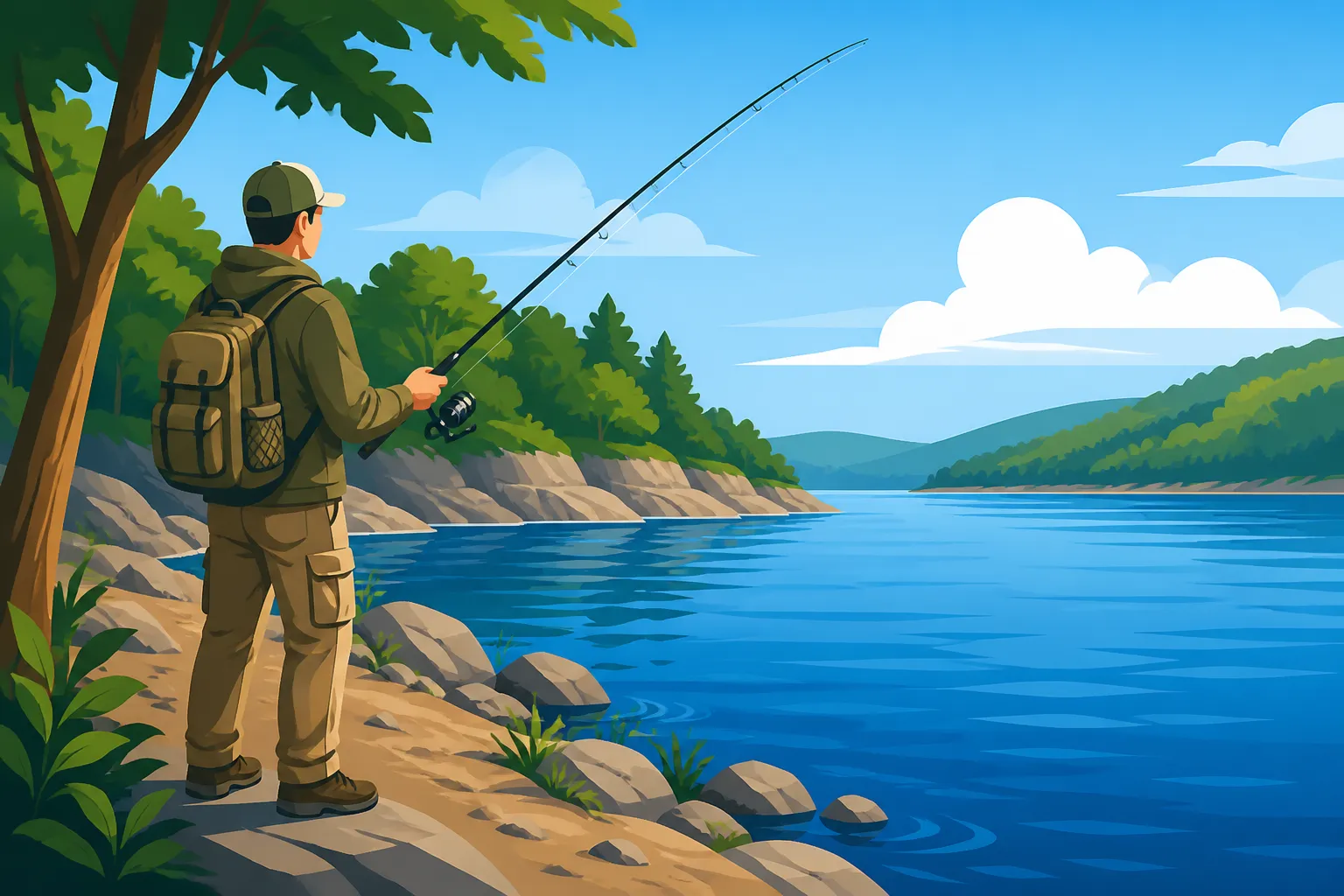
Shore Fishing Access at Pickwick Lake
It’s a common frustration, isn't it? You’ve got the urge to hit the water, your gear is ready, but finding a decent spot to fish from the bank, especially on a massive reservoir like Pickwick Lake, feels like a treasure hunt without a map. Most of us imagine a boat as the only way to tackle big waters, but I'm here to tell you that incredible shore fishing opportunities abound if you know where to look. This guide is your compass to unlocking the best shore fishing access points on Pickwick Lake, along with the tips and tricks to make your bank-bound adventures truly productive.
The Undeniable Allure of Shore Fishing on Pickwick Lake
There’s something truly special about casting a line from solid ground. You don’t need a boat, a trailer, or worry about launch ramps and gas prices. It's just you, your rod, and the water. Pickwick Lake, spanning parts of Tennessee, Alabama, and Mississippi, offers some fantastic shore fishing, despite its vastness. It might seem daunting at first glance, but with the right approach, you'll discover why so many anglers choose to stay on land and still reel in impressive catches.
Why Pickwick Lake is a Prime Spot for Bank Anglers
Pickwick Lake is renowned for its diverse fishery, boasting healthy populations of largemouth and smallmouth bass, crappie, and various catfish species. For a bank angler, this diversity is a huge advantage. You’re not limited to just one type of fish; depending on where you set up, you could be targeting several species in a single outing. The lake's varied structure—from rocky banks and submerged timber to gradual slopes and weed beds—all come within reach from many shore access points, giving you plenty of cover to explore.
Think about it: those hard-to-reach pockets of cover where fish like to hide are often closer to the bank than you’d expect, especially in spring and fall when fish move shallower. You might even find that you can present a bait more subtly from the bank, without the disturbance of a trolling motor or the shadows of a boat. Plus, the sheer size and reputation of Pickwick Lake for quality fish means that even from the shore, you have a legitimate shot at some truly memorable catches, including those trophy smallmouth bass that call these waters home. For more on the species you might encounter, check out our guide on Pickwick Lake Bass and Catfish Fishing.
Overcoming Common Shore Fishing Challenges
Now, I won't sugarcoat it—shore fishing on a big lake like Pickwick comes with its own set of hurdles. One of the biggest is simply finding where you can legally and safely cast a line without trespassing or getting tangled in heavy brush. Another common challenge is limited casting distance; you're not covering as much water as you would in a boat. And let's not forget accessibility, especially if you have mobility issues or a lot of gear.
But here’s the good news: these challenges are not insurmountable. Many public access areas are specifically designed with bank anglers in mind, offering cleared banks, fishing piers, and even paved pathways. As for casting distance, mastering a few casting techniques and choosing the right lures can significantly extend your reach. Plus, focusing your efforts on prime fish-holding structures that are accessible from the bank can often be more effective than blind casting into open water. Planning your trip, perhaps by consulting a local expert or even using resources like FishingBooker to scout potential areas, can really make a difference. They often have guides who know the lay of the land, including prime bank-fishing territories.
Premier Public Access Points for Bank Anglers
Pickwick Lake offers a range of public access points, from sprawling state parks with abundant amenities to smaller, less-known areas that can provide a more secluded fishing experience. Knowing these spots is the key to a successful shore fishing trip.
State Parks and Recreation Areas with Easy Bank Access
When you're looking for guaranteed access and typically well-maintained facilities, state parks and major recreation areas are your best bet.
- Pickwick Landing State Park (Counce, TN): This is arguably the crown jewel for bank anglers on Pickwick Lake. The park offers extensive shoreline access, several fishing piers, and a marina area where you can often find bass and crappie relating to structure. You'll find plenty of open grassy areas perfect for setting up a family fishing day. There are even designated fishing areas that are regularly cleared, making casting a breeze. The picnic areas and restrooms also make it a comfortable spot for a longer outing. It's a fantastic spot for both seasoned anglers and those looking for Family-Friendly Fishing at Pickwick Lake.
- Colbert Steam Plant Public Use Area (Leighton, AL): While technically in Alabama, this spot is on the main body of Pickwick Lake and is a well-known secret among local anglers, especially for catfish and striped bass. The warm water discharge from the steam plant creates a unique micro-ecosystem that attracts fish year-round, even in colder months. You'll find ample shoreline to walk and cast from, though it can get busy. This area is a prime example of how industrial sites can sometimes create incredible fishing opportunities.
- Yellow Creek Cove (Iuka, MS): This area, managed by the Tennessee Valley Authority (TVA), offers several points of access to Yellow Creek, a major tributary to Pickwick Lake. You'll find boat ramps, but also plenty of shoreline where you can cast for various species. The cove itself is rich in structure and offers protection from the main lake's wind and boat traffic, making it a calmer option for bank fishing. It's a great spot if you're looking to target crappie in the spring or bass lurking around submerged cover.
Each of these locations provides relatively easy entry and enough space to find your own slice of fishing paradise. They're also often patrolled, offering a sense of security that some more remote spots might not.
Hidden Gems: Lesser-Known Public Spots
Beyond the well-trodden paths of state parks, Pickwick Lake holds a few lesser-known access points that can reward adventurous anglers with solitude and unpressured fish. These spots might require a bit more effort to reach but are often worth it.
- County and Municipal Boat Ramps with Adjacent Shoreline: Many smaller county or municipal boat ramps around the lake will have accessible shoreline adjacent to them. While the ramp itself is for launching boats, the surrounding banks are often fair game for anglers. These spots might not have dedicated fishing piers, but they can offer excellent access to deeper water near channels or structure that attracts fish. Always check local signage to ensure you're within public fishing boundaries. Sometimes, a quick search on FishingBooker can reveal guides who know these local, less-publicized spots.
- Under Bridges and Along Causeways: Bridges spanning Pickwick Lake, and the causeways leading up to them, often provide surprisingly good bank access. The bridge pilings themselves offer structure that fish love, attracting everything from bass to catfish. Areas around the approaches to the bridges can also be good, as they often have riprap or rocky banks that hold baitfish and, consequently, game fish. Just be mindful of traffic and any "No Fishing" signs, as some areas might be off-limits for safety reasons. For example, some sections of Highway 72 where it crosses the lake might offer pull-offs and bank access.
- TVA Access Points: The Tennessee Valley Authority manages numerous small public use areas along its reservoirs, including Pickwick. These can range from primitive boat launches to small parks. Many of these have undeveloped shoreline that you can walk and fish from. They're typically less crowded than state parks and offer a more rustic fishing experience. To find these, consult online TVA maps or simply drive some of the smaller roads that branch off towards the lake; you might stumble upon a gem. Keep an eye out for brown TWRA (Tennessee Wildlife Resources Agency) signs indicating public access.
The beauty of these "hidden gems" is the potential for discovering a truly productive spot that doesn't see heavy fishing pressure. It’s all about exploration and being observant of your surroundings.
Equipping Yourself: Gear and Strategies for Productive Shore Fishing
You don't need a boatload of gear to be a successful shore angler on Pickwick Lake, but having the right tools and knowing how to use them effectively will significantly boost your chances.
Recommended Tackle and Baits for Pickwick Lake
For most shore fishing scenarios on Pickwick, a medium to medium-heavy spinning rod or baitcasting setup, 6'6" to 7'6" in length, is a versatile choice. This length provides enough leverage for casting longer distances and handling larger fish, while still being manageable from the bank. For line, 8-12 lb monofilament or fluorocarbon is standard, though some prefer braided line with a fluorocarbon leader for added strength and sensitivity. If you're targeting bigger catfish, you might bump up to 15-20 lb test.
When it comes to baits, versatility is key. Here’s a quick rundown for different species:
- Bass (Largemouth & Smallmouth): Soft plastics are king. Wacky-rigged Senkos, Texas-rigged worms and creature baits, and jig-and-trailer combos are incredibly effective around submerged cover and rocky banks. Crankbaits and spinnerbaits can cover more water, especially in open areas or when fish are actively feeding. Topwater lures like poppers or walk-the-dog baits are thrilling at dawn and dusk. Many anglers have a go-to Tackle Box Setup for Bass Fishing.
- Crappie: Small jigs (1/16 to 1/8 oz) with grub tails in chartreuse, white, or black are deadly, either fished under a bobber or slowly retrieved. Live minnows under a float are also extremely effective, especially around brush piles or submerged trees accessible from the bank.
- Catfish: The simpler, the better often applies here. Chicken livers, nightcrawlers, cut bait (like shad or skipjack herring), and prepared stink baits are all excellent choices. A standard bottom rig with an egg sinker above a swivel and an 8-12 inch leader with a circle hook will get the job done. If you're looking for more tips, our guide on Best Bait for Channel Catfish Fishing is a great resource.
- Panfish (Bluegill, Sunfish): Worms, crickets, or small pieces of bread on a tiny hook under a bobber are perennial favorites. Small ultralight jigs can also entice these smaller, but feisty, fish.
Don’t forget essentials like a pair of pliers, line cutters, a small tackle box or bag to carry your necessities, and a stringer or cooler to keep your catch fresh. A small folding chair can also make a long day on the bank much more comfortable.
Best Practices for Productive Bank Fishing
Maximizing your success from the bank involves more than just having the right gear; it’s about strategy and observation.
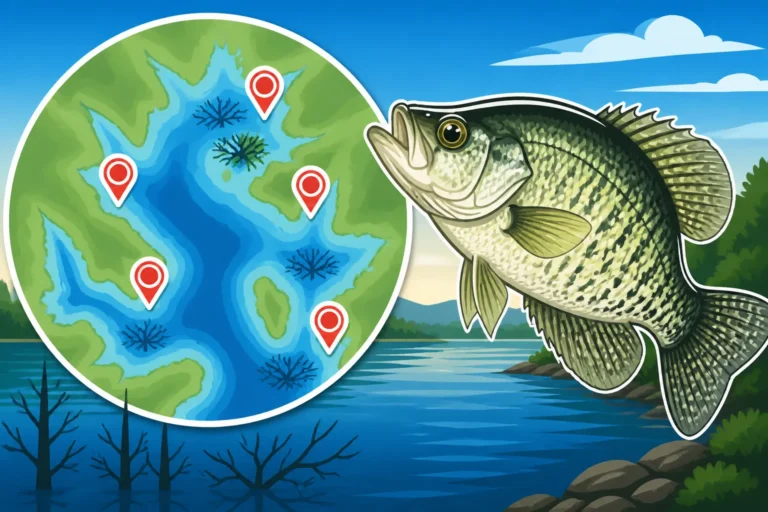
- Scout Your Spots: Before you even make your first cast, take some time to observe the water. Look for visible cover like downed trees, docks, rock piles, or weed lines. Identify any points or drop-offs that might be accessible. If you can see baitfish activity, that's usually a good sign that predatory fish are nearby. Consider using apps or maps (like Navionics or Google Earth) to scout potential areas from home, looking for contours and structures near the shore.
- Focus on Structure and Cover: Fish relate to structure and cover for ambush points, shade, and safety. From the bank, your goal is to identify and effectively fish these areas within your casting range. Cast parallel to shorelines, especially riprap or rocky banks, as fish often cruise these edges. Fan casting—making casts in a wide arc from left to right—helps you cover more water and find where the fish are holding.
- Move Frequently: Unlike boat fishing where you can move quickly, bank fishing might require a bit more walking. Don’t be afraid to move down the bank every 15-20 minutes if you’re not getting bites. A change of scenery, even just a few yards, can put your lure in front of unpressured fish. You'll often find that the fish are concentrated in specific, small areas.
- Timing is Everything: Just like boat fishing, the best times to fish from the bank are often early morning, late evening, or during overcast days. Fish are typically more active and willing to feed in lower light conditions. Also, pay attention to current; moving water, especially near dam discharges or tributary mouths, can create feeding opportunities. For more on how fish behave throughout the year, refer to our Tennessee Bass Fishing Seasons and Patterns guide.
Remember, fishing is as much about persistence as it is about skill. Keep experimenting with different baits and techniques until you find what the fish are biting on that particular day.
Navigating the Rules and Seasons for Pickwick Lake Success
Understanding the local regulations and seasonal patterns is crucial for a legal and successful fishing trip on Pickwick Lake. Tennessee, Alabama, and Mississippi share jurisdiction, but for most of Pickwick Lake's prime shore fishing spots in Tennessee, you'll be following Tennessee Wildlife Resources Agency (TWRA) rules.
Key Fishing Regulations for Pickwick Lake
Before you even think about casting, make sure your fishing license is current. Anyone 13 years of age or older needs a valid Tennessee Fishing License Guide. It's easy to purchase one online through the TWRA website. If you're a non-resident, be sure to get the appropriate Nonresident Fishing License Costs in Tennessee.
Beyond the license, you must adhere to the statewide and potentially lake-specific regulations regarding catch limits and size restrictions for various species.
Here’s a general overview of common sportfish in Pickwick Lake:
| Species | Daily Creel Limit | Size Limit (Pickwick Lake) | Notes |
|---|---|---|---|
| Largemouth Bass | 5 | 15 inches minimum, with one over 18 inches allowed | Specific to Pickwick Lake. Statewide limit is 5, with 1 over 18". |
| Smallmouth Bass | 5 | 15 inches minimum, with one over 18 inches allowed | Specific to Pickwick Lake. Statewide limit is 5, with 1 over 16". |
| Crappie | 15 | 10 inches minimum | Specific to Pickwick Lake. Statewide limit is 20, 5 over 12". |
| Striped Bass | 2 | 15 inches minimum | |
| Catfish | 10 (Channel/Blue) | No size limit, but only 1 Blue Catfish over 34 inches allowed per day | Flathead Catfish: 5 per day, no size limit. |
Please note: Regulations can and do change. Always double-check the latest TWRA Fishing Guide or visit their website before you head out. These are general guidelines and Pickwick Lake often has special regulations that override statewide rules. Our comprehensive guide on Tennessee Fishing Regulations Explained offers even more detail.
Seasonal Strategies for Shore Fishing Success
Fish behavior is heavily influenced by the seasons, and tailoring your approach to the time of year can dramatically improve your shore fishing success on Pickwick Lake.
- Spring (March-May): This is arguably the best time for shore fishing, especially for bass and crappie. As water temperatures rise, fish move into shallower waters for their spawning rituals. Look for them around rocky points, shallow coves, and creek mouths. For crappie, focus on brush piles and submerged timber in 2-10 feet of water. For bass, soft plastics and shallow-running crankbaits are highly effective. You can learn more about this period in our Spring Crappie Spawn Timing in Tennessee guide.
- Summer (June-August): The heat of summer drives many fish to deeper, cooler waters. However, early mornings and late evenings can still be productive for bass near shaded cover or drop-offs accessible from the bank. Catfish remain a strong target throughout the summer, often found in deeper holes or along ledges during the day, moving shallower at night. Consider using heavier tackle and baits that can reach these deeper zones, or focus on night fishing, which can be surprisingly good for catfish and even some bass. Check out Tennessee Catfish Fishing Techniques and Seasons for more insights.
- Fall (September-November): As water temperatures cool, fish become more active and start feeding aggressively to prepare for winter. This is another fantastic season for shore anglers. Bass will chase baitfish in shallow coves and along main lake points, making spinnerbaits, crankbaits, and jerkbaits excellent choices. Crappie can be found schooling up around structure. The cooler weather also makes for a more comfortable day of fishing.
- Winter (December-February): Winter fishing can be challenging but rewarding for the persistent angler. Fish activity slows down, and they often congregate in deeper, stable areas. Targeting catfish with cut bait in deep holes can still yield results. For bass, a slow presentation with a jig or a shaky head can sometimes coax a bite, especially on warmer, sunny days. Focus on areas with direct sunlight exposure that might warm the water slightly.
No matter the season, remember that persistence and adaptability are your best friends as a bank angler on Pickwick Lake. Don't be afraid to try new spots or different baits. And if you’re looking for a guided trip, even a shore-based one to learn local spots, FishingBooker can help you connect with local experts who know the lake inside and out.
Disclaimer
The information provided in this guide is for general informational purposes only and is subject to change. Always consult the official Tennessee Wildlife Resources Agency (TWRA) regulations and local signage before fishing to ensure compliance with current laws and restrictions. Fishing conditions, fish populations, and access points can vary.