Shore Fishing Access at Reelfoot Lake
Oh, Reelfoot Lake! It's one of Tennessee's most iconic and truly unique fisheries, but if you're an angler who prefers keeping your feet on solid ground, finding good shore access can feel like trying to solve a cypress stump puzzle. Many folks dream of casting into those legendary waters, only to arrive and realize that the very features that make Reelfoot so special — its shallow, stump-filled nature — also make bank fishing a real head-scratcher. This guide is here to untangle that puzzle for you, helping you pinpoint the best spots to enjoy Reelfoot Lake's incredible fishing from the shore.
Understanding Reelfoot Lake's Unique Shoreline Challenges
Reelfoot Lake is unlike almost any other body of water you'll encounter, not just in Tennessee, but arguably anywhere. Formed by a series of powerful earthquakes in the early 1800s, it's a shallow, swampy wonderland filled with cypress trees, submerged timber, and a labyrinth of channels. While this creates a phenomenal habitat for fish, it presents a unique set of obstacles for those hoping to fish from the bank.
The Cypress Swamps and Submerged Timber
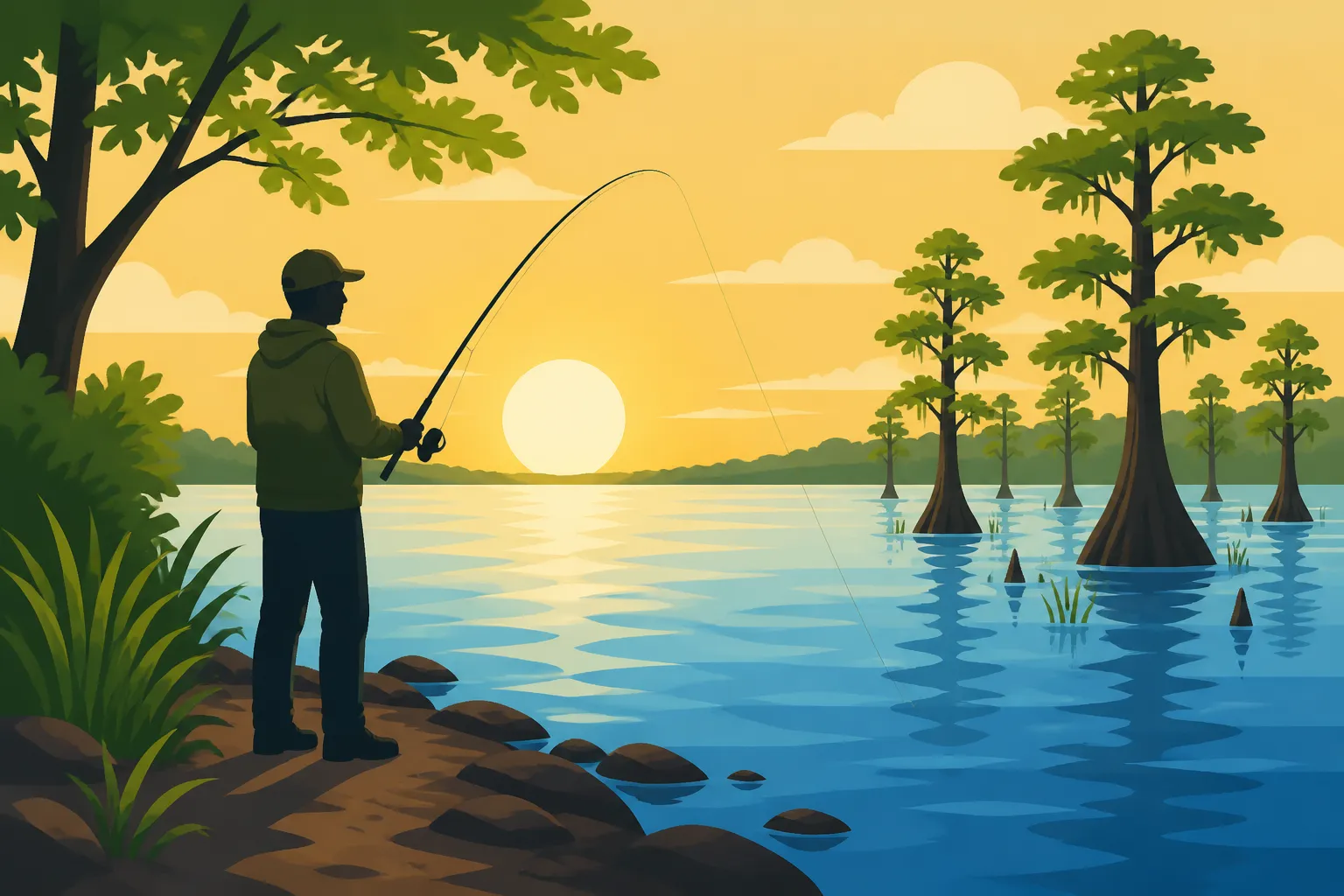
Imagine a lake where the "shoreline" isn't a neat, clean edge, but a gradual, often boggy transition into a dense forest of cypress trees, many of which are standing dead or submerged. This is the reality of much of Reelfoot Lake. These cypress swamps are absolutely vital for the ecosystem, providing shelter and spawning grounds for species like crappie and bass, but they make walking up to the water's edge and casting a challenge. You might find yourself knee-deep in muck before you even reach open water, or tangled in roots and fallen logs. It's an adventure, to be sure, but not always conducive to an easy cast.
Many anglers arrive, rods in hand, expecting a typical lake bank, only to be met with impassable thickets and water so shallow it barely covers the mud. This dense vegetation and the remnants of the earthquake-damaged forest extend far from what might typically be considered "shore," meaning that even if you can get to the water's edge, you might be casting into an incredibly snag-prone area. It’s not uncommon to lose a few lures just trying to find a clear path for your line.
This unique environment demands a different approach. Instead of wide-open banks, you're often looking for small clearings, natural breaks in the cypress, or elevated points that allow you to cast over or beyond the immediate snags. Think of it less as conventional bank fishing and more as seeking out specific pockets of opportunity within a vast, submerged forest.
Limited Public Access Points
Because of its natural, swampy character and a history of private land ownership, Reelfoot Lake doesn't boast an abundance of easily accessible public shorelines like many other Tennessee lakes. You won't find endless miles of groomed trails or expansive public beaches designed for casual bank fishing. This can be incredibly frustrating for visiting anglers, or even locals who are new to the area, who might drive around for hours looking for a suitable spot.
Many areas around the lake are privately owned, and trespassing is, of course, not an option. This makes identifying the truly public spots even more critical. The Tennessee Wildlife Resources Agency (TWRA) and Reelfoot Lake State Park manage much of the public land, and these areas are generally your best bet for finding legitimate access points. However, even within these managed areas, "access" might mean a short pier or a designated fishing area rather than a sprawling bank.
It's a stark contrast to some of the larger reservoirs in the state, where public boat ramps often come with generous bank access. At Reelfoot, every inch of accessible shore feels precious and hard-won, which is why having a plan before you go is absolutely essential. Don't expect to just pull over and start fishing; a little research into the known public areas will save you a lot of driving and disappointment.
Navigating Private Property Concerns
As mentioned, a significant portion of the land surrounding Reelfoot Lake is privately owned. This means anglers need to be incredibly mindful of property lines and "no trespassing" signs. It's a common frustration for many who are simply looking for a quiet spot to cast a line, but respecting private property is non-negotiable. Trying to sneak into a good-looking spot on private land can lead to unpleasant encounters with landowners or even legal trouble.
Before venturing out, it's always a good idea to consult a current map that clearly delineates public and private land boundaries around the lake. Online resources or local bait shops can often provide this crucial information. If you're ever in doubt about whether a spot is public or private, it's best to err on the side of caution and find another location. There are plenty of fantastic fishing opportunities that respect local property rights.
Engaging with local residents or staff at the Reelfoot Lake State Park office can also provide invaluable insights into safe and legal shore fishing spots. They often know the nuances of land ownership and can point you to hidden gems that respect private holdings. Sometimes, a friendly chat with a local can unlock a whole new world of opportunities that wouldn't be apparent from just driving by. And remember, when you're looking to book a guided trip or explore other fishing destinations, services like FishingBooker can help you find reliable local guides who already know all the legal and best spots, whether from shore or boat.
Identifying Prime Shore Fishing Locations on Reelfoot
Despite its challenges, Reelfoot Lake offers some fantastic shore fishing opportunities if you know where to look. The key is to target areas managed by the state or those specifically designed for bank access. These locations provide not only legal entry but also improved casting lanes and often better infrastructure for anglers.
State Park and Wildlife Management Areas
Reelfoot Lake State Park is undoubtedly your best bet for reliable shore access. The park manages several areas specifically designed for public use. Within the park, you’ll find well-maintained fishing piers that extend out over the cypress stumps, giving you a chance to cast into deeper, clearer water. These piers are often teeming with panfish and crappie, especially during their spawning seasons. Many families find these piers perfect for a relaxing day out, and they offer a safe, accessible way to introduce kids to fishing.
Additionally, certain sections of the park, and adjacent Wildlife Management Areas (WMAs) managed by the TWRA, might offer designated bank fishing zones. These spots are usually marked and cleared to provide casting access. A prime example is the Reelfoot Lake WMA, which often has roadside pull-offs near dikes or causeways that allow for some bank fishing. Always look for official signage and check the TWRA website for specific regulations or seasonal closures that might apply to WMA access. While you're at the park, don't forget to ask about specific areas where they've had recent success for species like bluegill. Knowing the local conditions can make all the difference, much like knowing the best approach for Bluegill Fishing for Beginners in Tennessee.
These state-managed locations are designed to provide a positive experience, often with amenities like parking and restrooms nearby. They remove the guesswork of private property and give you a dedicated space to focus on fishing. It’s also a good idea to chat with the park rangers; they are an incredible source of current information on where the fish are biting and any specific tips for the season.
Roadside Pull-Offs and Bridge Access
While not as numerous as at some other lakes, Reelfoot does have a few strategic roadside pull-offs and areas near bridges that offer limited, but often productive, shore fishing. These are typically found along the main causeways or roads that crisscross the lake or connect to its various sections. The key here is safety – always be aware of traffic and ensure you're parking legally and not blocking any access points.
One common scenario involves bridges that span over channels or bayous within the lake system. Fishing from or directly near these bridges can put you in contact with moving water, which often concentrates fish. Species like crappie and catfish love to hang out under bridges or in the deeper channels they create. Look for any footpaths leading from a pull-off down to the water's edge, but again, be extremely cautious about venturing onto private land. If you’re targeting something like channel catfish, learning How to Catch Catfish From the Bank in these deeper, channeled areas can be incredibly effective.
These spots can be a bit more "rough and ready" than the state park piers, meaning you might be dealing with uneven ground or fewer amenities. However, for the adventurous angler, they can provide a unique perspective and access to less-pressured fish. Just be sure to leave no trace, packing out everything you pack in, to ensure these spots remain open and accessible for everyone. Sometimes these spots are ideal for a spontaneous fishing trip, and while a FishingBooker guide might show you a boat-based spot, these roadside gems are perfect for those spur-of-the-moment casts.
Fishing Piers and Platforms
Fishing piers and dedicated platforms are a godsend for shore anglers at Reelfoot. As mentioned, the State Park offers some excellent ones, providing stable ground and access to deeper water without needing a boat. These structures are built to get you out beyond the immediate shallow, snag-filled shoreline, allowing for cleaner casts and better reach to where fish tend to congregate.
These piers are particularly popular for targeting crappie, bluegill, and sometimes bass. They often have lights for night fishing, which can be fantastic for crappie and catfish during the warmer months. Imagine sitting on a lighted pier as the sun sets, casting a small jig for crappie as they move into the shallower water to feed. It's a peaceful and often highly productive way to enjoy the lake. Some piers even have built-in rod holders or benches, making for a comfortable outing.
Check the Reelfoot Lake State Park website or call ahead to confirm the location and amenities of their piers. Some may be more accessible than others, and they might have different depths or cover structures nearby that attract different species. For example, if you're interested in the Statewide Bass Limits for Tennessee Anglers, these piers might offer a chance to catch them, especially if they are positioned near drop-offs or submerged structure. Don't underestimate the power of a good pier, especially at a lake like Reelfoot where shore access is at a premium.
Essential Gear and Techniques for Reelfoot Shore Fishing
Given Reelfoot's unique environment, you can't just show up with any old tackle box and expect success. Specialized gear and techniques tailored to the lake's shallow, cypress-filled waters will significantly increase your chances of a memorable day of shore fishing.
Recommended Rods, Reels, and Line
For shore fishing at Reelfoot, versatility is key. You'll want a medium-light to medium action spinning rod, typically 6 to 7 feet long. This length provides enough leverage for casting while still being manageable in tighter spaces around cypress trees. A sensitive rod tip is crucial for detecting subtle bites from crappie and bluegill, while enough backbone is needed to pull a feisty bass out of cover or horse a catfish away from a snag.
Pair your rod with a reliable spinning reel in the 2000-3000 series. This size is versatile enough to handle most of Reelfoot's popular species. Spool your reel with 8-12 lb monofilament or fluorocarbon line. Monofilament is a good all-around choice due to its stretch and knot strength, which can be forgiving when fishing around snags. Fluorocarbon offers lower stretch and better abrasion resistance, which can be a real asset when your line rubs against submerged timber. Some anglers even opt for braided line with a fluorocarbon leader for maximum sensitivity and strength, especially when targeting larger bass or catfish near heavy cover.
Remember, you're not just casting into open water; you're often trying to place your bait precisely near cypress knees or fallen logs. A balanced rod and reel combo will make repeated accurate casts much less fatiguing. This setup works well for a variety of species, from the smaller panfish to the occasional largemouth bass, which often lurk in these shallow, sheltered spots. If you're looking into specific requirements for species, consider the advice on Bass Fishing Techniques for Beginners, which can apply to the various types of bass in Reelfoot.
Best Baits and Lures for Reelfoot Species
When fishing Reelfoot from the shore, keep your bait and lure selection practical and effective for the dominant species. For crappie, which are abundant, small jigs (1/32 to 1/16 oz) in chartreuse, white, or black-and-chartreuse are deadly. Tipping these jigs with a live minnow or a small plastic tube jig can be irresistible. A simple slip bobber setup allows you to present your bait at various depths around structure. You can learn more about the Best Bait for Crappie Fishing to really dial in your approach.
Bluegill and other panfish will readily hit small bits of worm, crickets, or tiny inline spinners. A simple bobber and hook rig, with a split shot sinker, is often all you need for these eager biters. Catfish, another popular target, respond well to stink baits, chicken livers, or cut bait fished on the bottom with a Carolina rig. These baits emit strong odors that attract catfish from a distance.
For bass, who love to ambush prey from cover, weedless setups are paramount. Texas-rigged worms or soft plastic creature baits, weightless flukes, or spinnerbaits with weed guards are excellent choices. Casting these close to cypress trees, submerged logs, or dense vegetation can elicit aggressive strikes. Don't be afraid to experiment with topwater frogs or poppers in the early morning or late evening, as bass will often strike aggressively in the low light.
| Species | Recommended Baits/Lures | Preferred Shore Techniques |
|---|---|---|
| Crappie | Small jigs (1/32-1/16 oz), minnows, tube jigs | Slip bobber, tight-lining, slow retrieve |
| Bluegill | Worms, crickets, small inline spinners | Bobber & hook, light tackle casting |
| Catfish (Channel) | Stink baits, chicken livers, cut bait | Bottom fishing (Carolina rig), still fishing |
| Largemouth Bass | Texas-rigged worms, flukes, spinnerbaits, frogs | Casting near structure, slow retrieves, topwater |
Safety Considerations and What to Bring
Reelfoot Lake is wild and beautiful, but it demands respect and preparedness. When shore fishing, safety should always be your top priority. First, inform someone of your fishing plans and expected return time. Cell service can be spotty in some remote areas, so don't rely solely on your phone for emergencies. Always bring plenty of water, especially during the warmer months, as dehydration can sneak up on you quickly.
Footwear is crucial. Forget flip-flops; opt for sturdy, waterproof boots or waders if you plan on venturing near the water's edge in marshy areas. The ground can be uneven, muddy, and full of unseen snags. Insect repellent is non-negotiable, especially during spring and summer when mosquitoes and other biting insects can be relentless. A wide-brimmed hat, sunglasses, and sunscreen will protect you from the intense Tennessee sun.
A small first-aid kit with essentials for cuts, scrapes, and insect bites is also a wise addition to your pack. If you're fishing near roads or bridges, wear bright clothing for visibility. And, of course, always have your valid Tennessee Fishing License Guide in your possession. Reelfoot game wardens are diligent, and fishing without one can lead to unnecessary fines and an unpleasant end to your day. Being prepared means you can focus on the fishing, not on potential problems.
Maximizing Your Reelfoot Shore Fishing Experience
To truly make the most of your time at Reelfoot Lake, it helps to go beyond just showing up with your gear. Understanding the nuances of the lake, respecting its natural beauty, and tapping into local knowledge can turn a good fishing trip into a truly exceptional one.
Timing Your Trip for Best Results
Like any body of water, timing is everything at Reelfoot Lake. Different species bite better during specific seasons and even times of day. For crappie, spring (March-May) is prime as they move into shallower water for their spawn, making them very accessible from piers and accessible banks. Fall can also be excellent as they feed aggressively before winter. Early mornings and late evenings generally offer the best crappie action, especially on warmer days.
Bass fishing can be productive year-round, but spring and fall are particularly good. In spring, bass are active in the shallows for their spawn, and you can often sight-fish them near cypress trees. Fall sees them feeding heavily, and they'll readily strike a variety of lures. Summer bass fishing is best at dawn and dusk, or by targeting deeper water near structures if you can reach it from a pier. For insights on how the seasons affect other species, check out Tennessee Trout Fishing Season Explained or Tennessee Bass Fishing Seasons and Patterns, though Reelfoot is more famous for its warmwater species.
For catfish, warmer months (late spring through fall) and nighttime are often the most productive. Catfish are primarily nocturnal feeders, and fishing after dark from a lighted pier can be incredibly rewarding. Always keep an eye on weather patterns; a stable weather system often leads to more consistent fishing, while sudden cold fronts can shut down the bite. Planning your trip around these seasonal and daily patterns will significantly increase your success.
Respecting the Environment and Local Culture
Reelfoot Lake is a fragile and unique ecosystem, and it’s up to all of us to help preserve its beauty and biodiversity. Practice Leave No Trace principles: pack out everything you pack in, including fishing line, bait containers, and any other trash. Do not litter, and avoid disturbing the natural vegetation or wildlife. This means being mindful of your footsteps and not trampling sensitive marsh areas.
Respecting local culture also means understanding that Reelfoot is not just a fishing destination; it's a living, breathing community. Be courteous to local residents, fellow anglers, and park staff. A friendly "hello" or a polite inquiry can go a long way. If you’re visiting a local bait shop for supplies, strike up a conversation. These folks are often incredibly generous with their knowledge and can offer invaluable tips on current conditions and hot spots. Their insights are often more valuable than any fishing report you'll find online.
Adhering to all Tennessee Fishing Regulations Explained and catch limits is not just about avoiding fines; it's about responsible stewardship of the resource. Knowing the Crappie Limits Under Tennessee Fishing Rules or Fishing Limits on Bass, Crappie and Trout Combined ensures that the lake remains healthy for future generations of anglers. By being a respectful and responsible visitor, you contribute to the positive experience for everyone and help ensure Reelfoot Lake remains a cherished Tennessee treasure.
Exploring Beyond the Bank with Local Resources
While this guide focuses on shore fishing, Reelfoot Lake truly opens up when you have access to a boat. If you find yourself limited by bank access, consider renting a small jon boat, kayak, or pontoon from a local marina or resort. Many of the resorts on the lake offer boat rentals specifically for fishing, complete with small motors that can navigate the shallow, stump-filled waters. This can transform your experience, allowing you to reach prime fishing grounds that are inaccessible from shore.
Even if you don't rent a boat, local knowledge is an incredibly powerful tool. Consider spending some time at the local bait and tackle shops, like those in Tiptonville or Hornbeak. The folks behind the counter often have real-time reports on what's biting, where, and what specific baits are working. They can also provide detailed maps and point out areas with good shore access that might not be obvious to an outsider.
Another great option is to consider a guided trip, even if just for a half-day. Local guides know Reelfoot like the back of their hand; they understand its unique challenges and know exactly where the fish are hiding. You can easily find local guides through platforms like FishingBooker, which can connect you with experienced Reelfoot Lake captains. A guided trip can be an amazing learning experience, showing you spots and techniques you might never discover on your own, whether you want to target the abundant crappie or the elusive trophy bass. It's a fantastic way to deepen your understanding of this incredible fishery and maximize your chances of a successful and memorable outing.
Disclaimer
Fishing inherently carries risks, including but not limited to drowning, injury from fishing hooks or equipment, and exposure to the elements. Always exercise caution, adhere to all local, state, and federal regulations, and prioritize your personal safety. The information provided in this guide is for informational purposes only and should not be considered a substitute for professional advice or local expertise. Always check current weather conditions and official Tennessee Wildlife Resources Agency (TWRA) regulations before heading out.