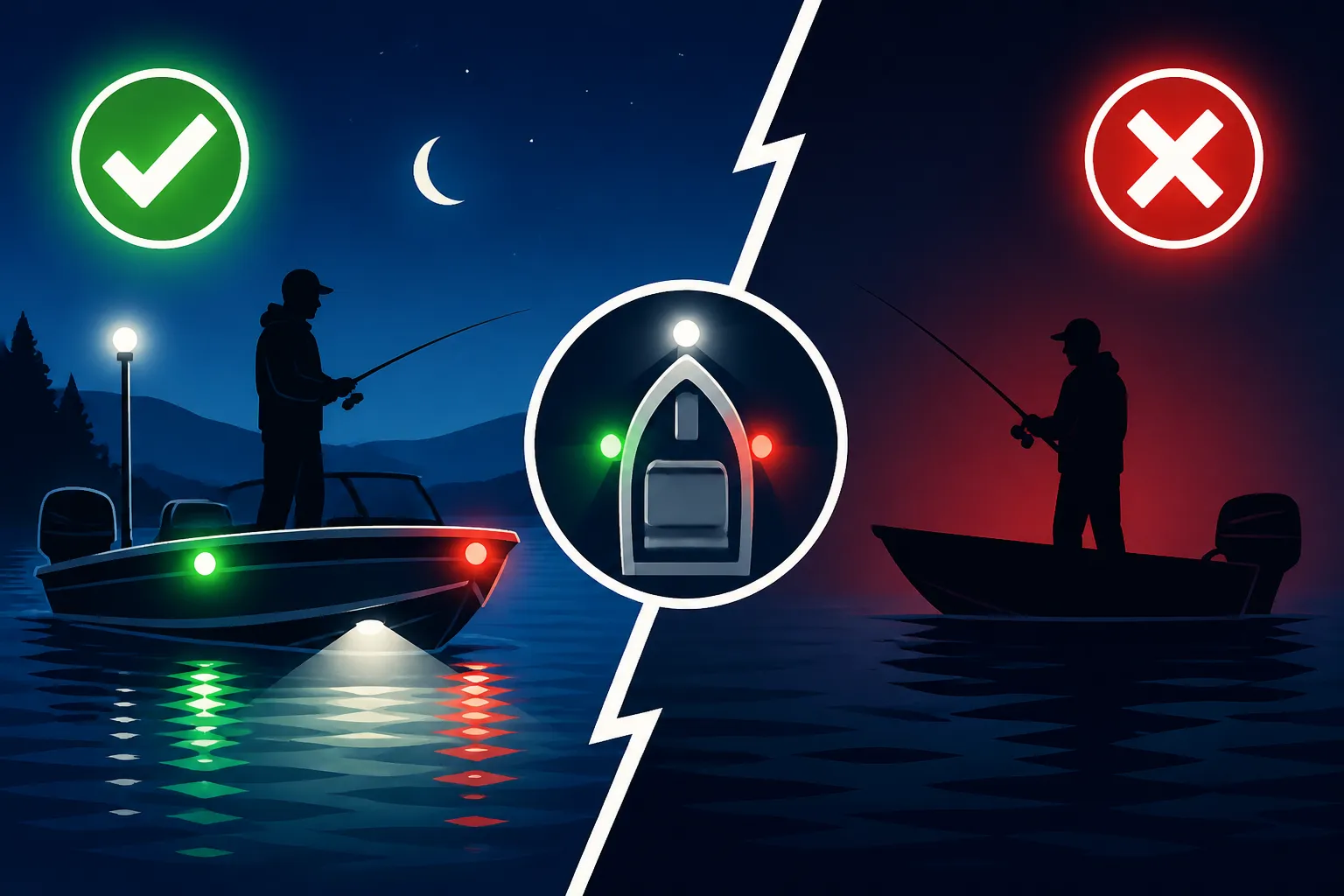
Do You Need Navigation Lights for Night Fishing in Tennessee?
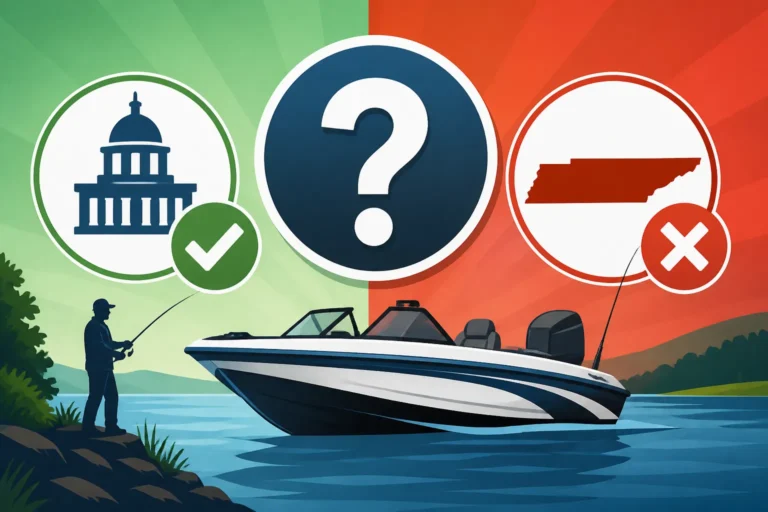
There's nothing quite like the peace of a Tennessee lake after the sun goes down, but that tranquility can quickly turn to anxiety when you're wondering if you've got your boat lit up correctly. The question of whether you need navigation lights for night fishing in Tennessee isn't just about avoiding a ticket; it's fundamentally about safety for you, your passengers, and every other boater out there. This guide will walk you through the clear requirements, what kind of lights you need, and crucial tips to ensure your night fishing trips are both compliant and safe.
The Legal Mandate: When Navigation Lights Are Required in Tennessee
Let's cut right to it: yes, if you're out on the water in Tennessee between sunset and sunrise, or anytime visibility is restricted, your vessel absolutely needs proper navigation lights. This isn't a suggestion; it's a legal requirement designed to prevent collisions and keep everyone safe. Many anglers, especially those in smaller boats or kayaks, might mistakenly believe these rules don't apply to them, but that's a dangerous assumption. Every vessel, from a massive pontoon to a solo kayak, has obligations when the light fades.
Defining "Night" and Restricted Visibility
In Tennessee, the law is pretty clear: "night" officially begins at sunset and ends at sunrise. This isn't just a casual guideline; it's the exact window during which your navigation lights must be displayed. So, if you're trying to squeeze in that last cast as the sun dips below the horizon, make sure your lights are already on. The transition period can be tricky, as visibility often diminishes faster than you expect.
But it's not just about the sun. Restricted visibility also triggers the requirement for navigation lights. This includes conditions like heavy fog rolling in across the lake, torrential rain, or even thick smoke from nearby wildfires. If you can't see clearly, chances are other boaters can't see you clearly either. Don't wait until it's too late; proactive lighting is key to avoiding dangerous situations.
Which Vessels Need Lights?
This is where some common misconceptions lie. Many assume only large, fast-moving vessels need lights, but the truth is far more encompassing. Every vessel operating on Tennessee waters during periods of restricted visibility or between sunset and sunrise is required to display specific navigation lights. This includes everything from your bass boat roaring across Chickamauga Lake to a lone canoe paddling quietly on the Cumberland River. Even if you're just anchored up, trying to tempt a big catfish, you still need to be visible.
For powered vessels, the requirements are typically a combination of colored sidelights and a white sternlight or an all-around white light. Sailboats have their own set of rules, and even paddlecraft like kayaks and canoes, which often operate without motors, are not exempt. Ignoring these rules can lead to dangerous encounters, especially on busy lakes where high-speed boats might not expect a smaller, unlit craft. You can read more about general boating rules in Boat Fishing Rules and License Requirements in Tennessee.
Understanding Different Types of Navigation Lights
So, you know you need lights. But what kind of lights? It’s not just a matter of sticking any old flashlight on your boat. Tennessee law, aligning with federal regulations, specifies particular types, colors, and placements for navigation lights, each serving a distinct purpose in helping other boaters understand your position and direction of travel.
Red and Green Sidelights
These are often the most recognizable navigation lights, and for good reason. The red light is displayed on the port (left) side of your vessel, and the green light on the starboard (right) side. They typically shine from dead ahead to 112.5 degrees aft on their respective sides, meaning they cover the front arc of your boat. The primary purpose of these lights is to indicate the direction of your vessel. If you see a green light, you know the boat is heading to your right. If you see a red light, it's heading to your left. If you see both, it means the vessel is coming directly towards you, and it's time to take evasive action. This simple color coding is fundamental to preventing head-on collisions at night.
Making sure these lights are properly installed and functioning is critical. They need to be visible from a certain distance, typically 1 or 2 nautical miles depending on your boat's length. Check the wiring regularly, especially after a long season of bumping around on the water or if your boat sits outside in the elements. A quick check of these essential lights before heading out can literally save lives.
All-Around White Light (Anchor Light)
This light is probably the most crucial for night fishing, especially if you plan to stay in one spot. An all-around white light is just what it sounds like: a single white light that provides an unobstructed view of 360 degrees. For powered vessels under 39.4 feet (12 meters), this all-around white light can often serve dual purposes: it can act as both a sternlight and a masthead light, indicating your presence and direction. However, its most common role for anglers is as an "anchor light."
When your boat is anchored or drifting, and therefore not underway, you must display an all-around white light. This single light lets other boaters know that you are a stationary object on the water. Imagine the danger of another boat speeding through a cove at night, not realizing there's a fishing boat quietly drifting without any lights! This light should be visible from at least 2 nautical miles. Many small fishing boats and pontoon boats rely on a pole-mounted all-around white light for this purpose. Always ensure it's positioned high enough to be seen from all angles without obstruction from your boat's structure or gear.
Sternlights and Masthead Lights
For larger powered vessels, the lighting configuration gets a bit more specific. A sternlight is a white light displayed at the stern (rear) of the vessel, shining over an arc of 135 degrees. This light, in conjunction with the sidelights, helps other boats determine your direction of travel from behind.
A masthead light is a white light placed near the bow (front) of a powered vessel, illuminating a 225-degree arc forward. For larger boats, this light is typically positioned higher than the sidelights. When you see a masthead light and sidelights, you're looking at a vessel underway. The combination of these lights provides a complete picture of a boat's size, speed, and direction, which is vital for safe navigation. For most recreational fishing boats under 39.4 feet, the all-around white light simplifies things by combining the sternlight and masthead light functions into one.
Practical Application and Safety Beyond the Law
While meeting the legal requirements is non-negotiable, true night fishing safety goes a step further. It's about preparedness, diligence, and using common sense to minimize risks when visibility is limited. Don't just tick the boxes; embrace these practices to make your night adventures genuinely safe and enjoyable.
Checking Your Lights Before Every Trip
This cannot be stressed enough: make a pre-trip light check a ritual before every single night fishing outing. It takes mere minutes but can prevent a world of trouble. Turn on your boat's battery switch and activate all your navigation lights. Walk around your boat, checking each one. Are the bulbs working? Is the wiring secure? Is there any corrosion on the contacts? Sometimes a bulb might look fine but has a loose connection or a corroded base. Keep spare bulbs for your navigation lights on board, along with basic tools to change them if needed.
For small craft using portable battery-powered lights, check the battery life. Nothing's worse than your all-around white light dimming out in the middle of a dark lake. Consider carrying extra batteries or even a spare portable light. You can find reliable replacement bulbs, wiring components, and portable LED navigation light kits at retailers like Bass Pro Shops or through online stores like Amazon. Being prepared means you won't be caught literally in the dark.
Enhancing Visibility and Situational Awareness
While your official navigation lights are paramount, there are other ways to enhance your visibility and your ability to see what's around you. Reflective tape can be a surprisingly effective, low-cost safety enhancement. Applied to the sides of your boat, especially for kayaks and canoes, it catches any stray light from other vessels or even searchlights, making you more noticeable.
Personal lighting is also key. A good headlamp is indispensable for tying knots, baiting hooks, or navigating your own deck without blinding yourself or your companions. Just remember to direct the beam downwards when other boats are nearby to avoid interfering with their night vision. For paddlecraft, a handheld flashlight or a lantern can provide additional visibility beyond the required all-around white light, especially if you need to momentarily signal another boater. Staying alert, reducing speed, and constantly scanning the horizon are fundamental practices for Night Fishing Spots on Kentucky Lake, Tennessee or any other body of water.
Penalties and Risks of Non-Compliance
Operating a vessel in Tennessee without the required navigation lights after dark or in restricted visibility is a violation of state law. While I can't give specific fine amounts, these violations can result in citations and monetary penalties. Game wardens and marine patrol officers take these regulations very seriously because the consequences of ignoring them can be catastrophic.
Beyond the legal ramifications, the risks are far more severe. The biggest danger is, of course, a collision. In the dark, a boat without proper lights is virtually invisible until it's too late. A collision could lead to serious injuries, fatalities, or significant damage to vessels. Even a minor bump could send someone overboard into cold, dark water. Search and rescue operations are far more challenging for unlit vessels, especially if no one knows you're out there. It's not just about avoiding a ticket; it's about protecting yourself and ensuring you make it home safely. Every angler needs to understand Tennessee Fishing Rules Every Angler Should Know to avoid not just fines, but also dangerous situations.
Special Considerations for Night Anglers
Night fishing presents a unique set of challenges and opportunities. While the core lighting requirements remain, how you manage your lights and approach safety can be tailored to the specific needs of an angler seeking that elusive nocturnal bite.
Balancing Visibility with Stealth
This is the eternal dilemma for night anglers: you want to be seen by other boats, but you don't want to spook the fish. The good news is that navigation lights are designed to be seen, not necessarily to illuminate the water around your boat. Your red and green sidelights and all-around white light are generally not bright enough to interfere significantly with fish activity, especially if they're positioned correctly and high enough.
However, when you're anchored or drifting, and your all-around white light is doing its job, you might want to minimize internal cabin or deck lights. Use dim, red or green LED lights for working in your boat, as these colors preserve your night vision and are less likely to alarm fish. Avoid shining bright spotlights directly into the water, as this can certainly scatter your targets. It's a delicate balance, but one you can master with practice and the right gear.
Equipping Kayaks and Canoes for Night Fishing
For paddlecraft, the rules are often simpler but no less important. If you're in a kayak, canoe, or stand-up paddleboard after sunset or in restricted visibility, you are required to have an all-around white light. This usually means a portable, battery-powered light that can be seen from 360 degrees. Many kayakers use a pole-mounted LED light that sits high above their head, ensuring it's visible over any gear.
It's common to see unlit kayaks or canoes at night, and this is extremely dangerous. These small, low-profile vessels are already hard to spot during the day, let alone in the dark. In addition to your all-around white light, consider adding reflective tape to your paddle and the hull of your craft. A personal headlamp and a marine whistle are also essential safety items. Always assume that larger boats can't see you, even with your light on, and be prepared to take evasive action. While Do Kayaks Need to Be Registered in Tennessee? covers one aspect, lighting is a separate, critical requirement.
Portable Lighting Solutions
For smaller boats, particularly those without permanent electrical systems, or for supplemental lighting on any vessel, portable lighting solutions are a lifesaver. Modern LED technology has made these lights incredibly efficient and bright. You can find portable, battery-operated navigation light kits that include red/green sidelights and an all-around white light, often with suction cup mounts or clamp mounts for easy attachment. Retailers like Bass Pro Shops and Amazon offer a wide array of these options, from simple clip-on lights to more robust pole-mounted systems.
These portable lights are perfect for jon boats, inflatables, or kayaks that don't have built-in navigation lighting. Just make sure they meet the visibility requirements (usually 1 or 2 nautical miles, depending on the light type and your vessel's size). Always keep an eye on battery life and carry spares. A reliable portable lighting setup ensures you can enjoy those peaceful night fishing hours safely, without worrying about being an unseen hazard on the water.
| Vessel Type | Required Lights (Sunset-Sunrise/Restricted Visibility) | Additional Recommendations for Night Anglers |
|---|---|---|
| Powered Vessels | Red/Green Sidelights, White Sternlight (or 360° All-Around White Light for smaller boats) | Headlamp, reflective tape, spare bulbs, dim interior lights |
| Sailboats | Red/Green Sidelights, White Sternlight (can be combined into a tricolor masthead light) | Headlamp, reflective tape, VHF radio, spare bulbs |
| Paddlecraft | All-Around White Light (typically portable) | Pole-mounted light, reflective tape on hull/paddle, whistle, flashlight |
| Anchored/Drifting | All-Around White Light (for all vessel types) | Minimal deck lighting, anchor light positioned high |
This article is for general informational purposes only and does not constitute professional advice. Laws, prices and regulations vary by location and change over time. Consult a qualified professional for guidance on your specific situation.