How to Fly Fish for Trout for Beginners
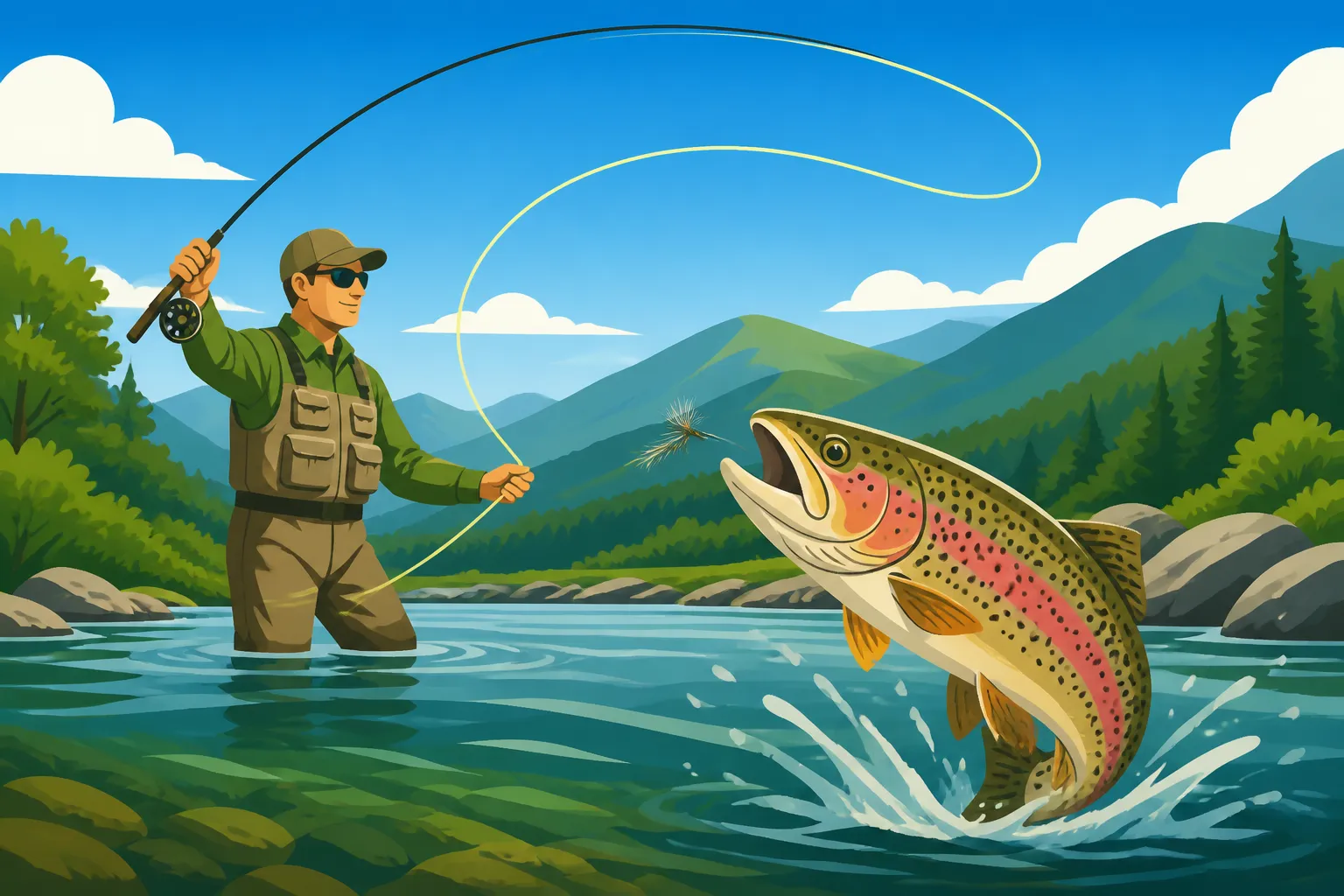
Stepping into the world of fly fishing can feel a lot like trying to learn a secret language, full of specialized gear, intimidating techniques, and a sense that everyone else already knows what they're doing. It’s easy to feel overwhelmed by the sheer volume of information out there, wondering if you'll ever truly "get" it. This comprehensive guide is here to strip away the mystery and walk you through the exciting fundamentals of how to fly fish for trout, specifically tailored for beginners looking to explore the beautiful streams and rivers of Tennessee. We'll break down the gear, the basic casts, and how to read the water, so you can confidently make your first casts and experience the unique thrill of fly fishing.
Breaking Down the Intimidation: Why Fly Fishing Isn't Just for Experts
Many folks look at fly fishing and see an activity reserved for seasoned anglers with decades of experience, clad in expensive gear, gracefully waving their long rods in pristine mountain streams. While there's certainly an art to it, that initial impression can be incredibly misleading and frankly, discouraging for newcomers. The truth is, fly fishing is an accessible sport that, with a little patience and the right guidance, anyone can learn to enjoy. It's not about being an expert; it's about connecting with nature in a deeply rewarding way.
The Allure of the Fly Rod: More Than Just Catching Fish
There's something uniquely captivating about fly fishing. It's a dance between you, the rod, the line, and the subtle movements of the water. Unlike other forms of angling where you might cast a heavy lure and wait, fly fishing often feels more active, more engaging. You're trying to mimic the natural food sources of a trout – delicate insects that drift on the current or hatch from the water. This requires a different kind of observation and finesse, drawing you into the aquatic ecosystem in a way that’s hard to replicate.
For many, it's the quiet solitude of standing in a cool mountain stream, the rhythmic hum of the line unfurling, and the sudden, electric tug of a fish that makes fly fishing so addictive. It's a chance to slow down, pay attention, and appreciate the intricate beauty of places like the Great Smoky Mountains. You’ll find yourself noticing things you never did before – the subtle rise of a trout, the type of insects buzzing near the water, the way a current eddies around a rock. It becomes a mindful pursuit, a way to de-stress and reconnect with the wild. It’s also incredibly satisfying when you present a tiny fly just right, and a beautiful rainbow or brown trout rises to meet it.
Common Beginner Hurdles and How to Overcome Them
Let's be real: fly fishing does have its challenges, especially for beginners. The biggest hurdle is often the initial complexity of the gear and the casting technique. It's not like simply whipping a spinning rod. You're casting the line's weight, not the lure's weight, which is a fundamental shift in physics that takes some getting used to.
- "My casts look like a tangled mess!" This is probably the most common beginner frustration. Your line might be collapsing, landing in a pile, or getting tangled. The key here is patience and repetition. Focus on smooth, controlled movements, not power. Think of your rod tip drawing a letter "D" in the air on your back cast and forward cast. Many beginners try to rush or apply too much force. Practice in your yard without a hook on your line. Just feel the line load the rod. There are plenty of online resources and even local fly shops that offer beginner lessons that can dramatically shorten the learning curve.
- "What gear do I even need?" The array of rods, reels, lines, and flies can be baffling. We're going to simplify this in the next section, but just know that you don't need the most expensive gear to start. A decent beginner combo kit from a reliable brand will serve you well. You can often find great value options on sites like Amazon to get you started without breaking the bank.
- "Where do I even find trout?" Tennessee has fantastic trout fishing opportunities, from small, wild brook trout streams in the mountains to larger, stocked rivers like the Caney Fork. We'll touch on finding those spots later, but generally, trout thrive in cold, clean water with plenty of oxygen. Look for streams with rocky bottoms, riffles, and deeper pools. Knowing about the Tennessee Trout Stocking Schedule and Season can also give you a leg up on where and when to find actively biting fish.
Don't let these initial hurdles discourage you. Every seasoned fly angler started right where you are. With a little perseverance, you'll soon be making those smooth casts and enjoying the incredible experience that fly fishing offers.
Essential Gear for Your First Tennessee Fly Fishing Adventure
Okay, let's talk gear. It might seem like a lot, but we'll break it down into manageable chunks. The goal here isn't to buy the most expensive setup, but to get a functional, reliable kit that will allow you to learn and enjoy the sport. Think of it as investing in your new hobby, not just a bunch of fishing tackle.
Decoding the Fly Rod and Reel: What You Actually Need
The rod and reel are the heart of your fly fishing setup. They work together to make casting possible and to help you fight fish.
- The Fly Rod: Fly rods are categorized by "weight," which corresponds to the weight of the fly line they are designed to cast. For most trout fishing in Tennessee, especially as a beginner, a 5-weight (5wt) rod is an excellent all-around choice. It's versatile enough for smaller creeks and larger rivers, can handle a decent-sized trout, and is forgiving for learning to cast. Rod lengths typically range from 7.5 to 9 feet; an 8.5 or 9-foot rod offers a good balance of casting distance and control. You'll often see rods listed as having a specific action (fast, medium, slow). For beginners, a medium-action rod is generally more forgiving, as it bends more easily and helps you feel the line load.
- The Fly Reel: Unlike a spinning or baitcasting reel that primarily holds line and helps you retrieve, a fly reel's main job is to store your fly line and provide drag when you're fighting a fish. For trout, you don't need a super fancy, expensive reel. A disc drag reel is perfectly fine and will provide smooth, adjustable resistance. Make sure the reel matches your rod's weight (e.g., a 5-weight reel for a 5-weight rod). The reel balances the rod, making casting more comfortable. Many beginner kits include a perfectly adequate reel.
When starting out, consider a pre-packaged rod-and-reel combo. These are often designed for beginners, come balanced, and usually include the backing, fly line, and sometimes even a leader. This takes a lot of guesswork out of the initial purchase and can be a cost-effective way to get started. You can often find reputable combo kits on Amazon or at local sporting goods stores.
Line, Leader, and Tippet: The Invisible Connection
This is where it gets a little more specific than traditional fishing, but it's crucial for effective fly fishing.
- Fly Line: This is the heavy, specialized line that gives your rod something to cast. For trout, you'll almost always be using a weight-forward (WF) floating line. The "weight-forward" means the front portion of the line is heavier, making it easier to cast longer distances. "Floating" means it stays on the surface of the water, essential for presenting dry flies and nymph rigs effectively. Just like your rod, your fly line must match the rod's weight – so a 5-weight line for a 5-weight rod.
- Leader: This is a clear, tapered monofilament or fluorocarbon line that connects your fly line to your tippet (and ultimately, your fly). It's tapered, meaning it's thick at the butt section (where it connects to the fly line) and gradually gets thinner towards the tip. This taper helps transfer the casting energy smoothly from the heavy fly line to the lighter tippet, allowing for a delicate presentation. Leaders are typically 7.5 to 9 feet long.
- Tippet: The tippet is the thinnest, strongest, and usually clearest section of line that you tie your fly to. It's designed to be easily replaceable, as you'll be cutting and retying flies, and it's also designed to be virtually invisible to the fish. Tippet is measured in "X" sizes (e.g., 5X, 6X, 7X). The higher the number, the thinner and lighter the tippet. For general trout fishing, 5X or 6X tippet is a good starting point. You want your tippet to be roughly the same diameter or a bit smaller than the fine end of your leader.
Think of it like this: The fly line casts the leader, and the leader gently presents the tippet and fly. This system is what allows for the delicate, precise presentations fly fishing is known for.
Must-Have Flies for Tennessee Trout
Flies are the "bait" of fly fishing, designed to imitate various insects (aquatic and terrestrial) that trout feed on. Don't feel like you need a thousand different patterns. Start with a few versatile, proven patterns.
- Dry Flies: These imitate adult insects that float on the surface of the water.
- Elk Hair Caddis: A fantastic all-around dry fly that imitates many different caddis species. Trout love them.
- Parachute Adams: A classic mayfly imitation that's effective when trout are rising to various mayfly hatches.
- Griffith's Gnat: Great for imitating clusters of tiny midges, especially on calmer waters when trout are sipping small insects.
- Nymphs: These imitate the immature, aquatic stage of insects that live under rocks and drift in the current. Trout feed on nymphs more than any other food source.
- Pheasant Tail Nymph: A subtle, highly effective mayfly nymph imitation.
- Hare's Ear Nymph: Another fantastic general-purpose nymph that imitates a variety of aquatic insects.
- Walt's Worm / Squirmy Wormy: While not "natural" insect imitations, these often mimic small aquatic worms and can be incredibly effective, especially in higher or off-color water.
- Streamers: These flies imitate baitfish, leeches, or larger aquatic critters. You cast them and strip them back, making them dart through the water.
- Woolly Bugger: The most versatile streamer pattern out, hands down. Comes in various colors (black, olive, brown are good starting points) and sizes. Trout of all sizes will hit a Woolly Bugger.
You can buy small assortments of these flies online or at any good fly shop. Start with sizes 12-18 for nymphs and dry flies, and sizes 8-12 for Woolly Buggers.
Knowing about Best Fly Patterns for Stocked Trout can help you pick the right flies when fishing freshly stocked waters.
Other Handy Accessories for the Stream
Beyond the core rod, reel, line, and flies, a few other items will make your time on the water much more comfortable and productive.
- Waders and Wading Boots: For most stream fishing, you'll need to get in the water. Chest waders keep you dry and warm, and wading boots provide essential grip on slick riverbeds. Neoprene waders are great for cold weather, while breathable waders are perfect for warmer months.
- Landing Net: A small, rubberized net is invaluable for safely landing and releasing trout, minimizing harm to the fish.
- Forceps or Hemostats: These are like specialized pliers that help you quickly and easily remove hooks from fish, again, minimizing harm. An Amazon search for "fly fishing forceps" will show you many affordable options.
- Nippers or Small Scissors: For cutting tippet and leader material.
- Floatant: A liquid or paste applied to dry flies to keep them floating high on the water.
- Strike Indicators: These are small, buoyant devices attached to your leader when nymph fishing. They act like a bobber, indicating subtle takes from fish underwater.
- Hat and Polarized Sunglasses: A brimmed hat protects you from the sun, and polarized sunglasses are essential for seeing fish underwater, spotting structure, and protecting your eyes from errant hooks.
- Vest, Pack, or Sling Pack: Something to comfortably carry all your flies, tippet, tools, and other essentials while keeping them easily accessible.
This might seem like a lot, but remember, you can build your kit over time. The absolute essentials are rod, reel, line, leader, tippet, a few flies, and a way to cut line and remove hooks.
Mastering the Basics: Casting and Presentation
Okay, you've got your gear. Now for the fun part: learning how to actually use it! This is where many beginners get tripped up, but with a bit of practice and understanding of the mechanics, you'll be making decent casts in no time. Remember, fly casting is more about finesse and timing than brute strength.
The Fundamental Cast: Getting Started Without Frustration
The basic overhead cast is the foundation of almost all fly casting. It’s all about loading the rod (bending it with the weight of the line) and smoothly releasing that energy.
- The Grip: Hold the rod with a loose but firm grip, typically with your thumb on top of the cork handle, aligned with the rod. This gives you control and leverage.
- Starting Position: Let about 10-15 feet of fly line extend beyond the tip of your rod. With your arm extended slightly forward, lift the rod tip to bring the line off the water or ground.
- The Back Cast: This is where you create the energy. In one smooth motion, lift your rod from about 10 o'clock to 1 o'clock (imagine a clock face). Your wrist and forearm do most of the work. Stop abruptly at 1 o'clock. The line should unroll behind you in a tight loop. Crucially, wait for the line to fully extend behind you. This pause is vital and often where beginners falter. Don't rush into the forward cast!
- The Forward Cast: Once the line has straightened behind you, bring the rod forward with a similar smooth, accelerating motion, stopping abruptly at about 10 o'clock. This propels the line forward. As the line begins to unroll, relax your grip slightly and let it carry the leader and fly to your target.
- The Pause is Key: Seriously, the pause between the back cast and forward cast is everything. It allows the line to load the rod. If your line collapses in a heap, you're probably rushing this transition.
Practice in your yard with just a piece of yarn tied to your tippet instead of a hook. Focus on making smooth, controlled movements and feeling the rod load. Don't aim for distance at first; aim for accuracy and a smooth loop. As you gain proficiency, you'll find that your casts naturally become longer. There are many great video tutorials available online that visually demonstrate these steps, which can be incredibly helpful. Learning Fly Fishing Techniques for Trout is a journey, and casting is the first step.
Reading the Water: Where Trout Hide in Tennessee Streams
Once you can make a passable cast, the next critical skill is understanding where trout are likely to be holding. Trout are cold-water fish, and they seek out areas that provide three things: food, cover, and favorable water temperature and oxygen levels.
- Riffles and Runs: These are sections of shallower, faster-moving water. They're oxygen-rich and act like conveyor belts for food (nymphs drifting in the current). Trout will often hold behind rocks or in seams of slower water just off the main current in these areas, waiting for food to drift by.
- Pools: Deeper, slower-moving sections of a stream. Pools offer trout a place to rest, escape predators, and find deeper, cooler water. They often hold larger fish. Look for trout holding in the deepest sections, near submerged logs, or under cut banks.
- Pocket Water: This refers to turbulent sections of water with many rocks and small pockets of calmer water behind them. These pockets are prime holding spots for trout, offering both cover and easy access to drifting food.
- Seams and Current Breaks: Wherever fast water meets slow water (e.g., behind a large boulder, along a submerged log, or where a tributary enters a main river), food accumulates. Trout will often sit just in the slower water, darting into the faster current to grab a meal.
- Undercut Banks and Overhanging Vegetation: These provide excellent overhead cover from predators and shade from the sun. Trout love to hide in these dark, protected spots. Be stealthy when approaching such areas.
When you approach a section of stream, take a few moments to observe. Are there any visible rises (fish eating insects off the surface)? Can you spot any structure? Think about where you would hide if you were a trout, avoiding strong currents while still having access to food. This kind of observation will dramatically improve your success. This skill is vital for fishing any of Tennessee's Best Rivers for Fishing in Tennessee.
Setting the Hook and Fighting Your First Fish
You've made a great cast, your fly is drifting naturally, and suddenly – thump! Or maybe it's just a subtle pause in your strike indicator. How do you react?
- Setting the Hook: When a trout takes your fly, resist the urge to rear back with a huge, dramatic set like you might with a baitcaster. Fly rod tips are delicate, and your leader/tippet is fine. Instead, make a quick, subtle side-set by smoothly pulling the rod horizontally, either downstream or perpendicular to the fish. This pulls the line taut and drives the hook into the fish's mouth. For dry flies, wait until you see the fish actually take the fly. For nymphs, set the hook at any unusual stop, twitch, or disappearance of your strike indicator. "If in doubt, set the hook!" is a good mantra for nymphing.
- Fighting the Fish: Once hooked, keep the rod tip up (about 45 degrees) to maintain pressure and let the rod's flex absorb the fish's runs and head shakes. Don't "high stick" the rod straight up, as this can break the tip. Use the reel's drag to tire the fish. Avoid horsing the fish in; let the rod and drag do the work. When the fish is close, guide it into your net.
- Handling and Releasing: Always wet your hands before touching a trout to protect its delicate slime coat. Try to keep the fish in the water as much as possible, especially when removing the hook. Use your forceps to gently back out the hook. If the hook is swallowed, cut the tippet as close to the hook as possible. Hold the fish gently facing upstream in the current until it recovers and swims away on its own. Conservation is key in fly fishing, especially for the beautiful species like those found in Tennessee Trout Guide: Rainbow, Brown, and Brook Trout.
Your First Outing: Practical Tips for Tennessee Trout Waters
You've got the basics down, now it's time to hit the water! Tennessee offers a remarkable diversity of trout fishing experiences, from small, wild mountain brooks to large, easily accessible stocked rivers. Knowing where to go and what to expect can make your first few trips much more enjoyable.
Finding Beginner-Friendly Trout Streams in Tennessee
Tennessee's trout program is robust, meaning there are plenty of opportunities for beginners. Here are a few types of spots to consider:
- Designated Stocked Waters: The Tennessee Wildlife Resources Agency (TWRA) regularly stocks many rivers and streams, particularly from late fall through spring. These waters often have easy access points and higher concentrations of fish, making them ideal for beginners to practice casting and hook-setting. Rivers like the Clinch River and sections of the Holston River are famous for their excellent trout fishing, often holding good numbers of stocked rainbow and brown trout. Check the TWRA website for specific stocking schedules and locations. Understanding Tennessee's Fishing Regulations Explained is also crucial for these managed waters.
- State Park Ponds and Lakes: Some Tennessee State Parks offer small ponds or lakes that are periodically stocked with trout, particularly for youth and beginner anglers. These often have clear banks for easier casting and less challenging currents.
- Smaller Mountain Streams: While these can be more challenging due to tight casting quarters and smaller fish, streams in the Cherokee National Forest or the Great Smoky Mountains National Park offer incredibly beautiful scenery and the chance to catch native brook trout. Start with more open sections if possible. Just be aware that How Cold Water Changes Trout Fishing in Tennessee's Smoky Mountains can significantly impact fish behavior.
Before you go, always check local regulations for the specific body of water you plan to fish. Some areas have special regulations (e.g., catch-and-release only, artificial lures only, or specific size limits) that differ from statewide rules.
Stream Etiquette and Conservation for New Anglers
Fly fishing often takes place in pristine natural environments, and it's essential to practice good etiquette and conservation to ensure these resources remain healthy for everyone.
- Leave No Trace: Pack out everything you pack in. This includes all trash, fishing line, and even fruit peels. The goal is to leave the environment better than you found it.
- Respect Other Anglers: Streams and rivers can get crowded, especially on popular stocked waters. Give other anglers plenty of space. Don't crowd their spot or cast over their lines. If someone is fishing a run, go downstream or wait for them to move on. A simple nod or "hello" can go a long way.
- Wade Smartly: When wading, avoid kicking up gravel or disturbing the stream bed more than necessary. This can spook fish and disrupt insect habitat. Shuffle your feet rather than stomping.
- Practice Catch and Release: While it's perfectly fine to keep legal-sized trout for a meal (especially stocked fish), many fly anglers practice catch-and-release, particularly for wild trout. If you do release fish, handle them gently with wet hands, keep them in the water as much as possible, and revive them fully before letting them go.
- Know Your Limits: Always adhere to Tennessee Fishing Season and Catch Limits for the specific species and water you are fishing. It's not just about avoiding penalties; it's about sustainable fishing.
By being mindful and respectful, you contribute to a positive experience for yourself, other anglers, and the precious fish populations in Tennessee.
Seasonal Considerations for Fly Fishing in Tennessee
Trout fishing in Tennessee is a year-round sport, but the best times and techniques can vary significantly with the seasons.
- Spring (March-May): This is often prime time, especially after trout stockings begin in earnest. Water temperatures are rising, insects are becoming more active, and fish are hungry. Both nymphs and dry flies can be very effective, depending on insect hatches. This is when the Tennessee Trout Fishing Season Explained truly kicks off.
- Summer (June-August): As air and water temperatures rise, trout seek out colder, more oxygenated water. Focus on headwaters of mountain streams, higher elevations, or tailwaters (rivers fed from the bottom of large dams) where water stays consistently cold. Early mornings and late evenings are often the best times. Terrestrial patterns (imitating grasshoppers, ants, beetles) can be very effective, as can nymphs fished deep.
- Fall (September-November): Many consider fall to be the most beautiful time to fly fish in Tennessee, with cooler temperatures and vibrant foliage. Trout become more active, feeding heavily before winter. This is a great time for streamers, nymphs, and sometimes dry flies on warmer days. Brown trout also begin their spawning runs in some rivers, making them a target for experienced anglers, though these fish should be treated with extreme care. Fall Trout Stocking Streams in Tennessee also makes for great fishing.
- Winter (December-February): Don't put your rods away! Winter fly fishing can be highly productive, especially on tailwaters where water temperatures are more stable. Fish tend to be in deeper, slower pools. Nymphing is usually the most effective technique, fishing small flies on light tippet. Be prepared for cold weather, dress in layers, and fish during the warmest parts of the day.
Being aware of the season will help you choose the right techniques and target the most productive waters. Every season offers its own unique charm and challenges for the fly angler.
Disclaimer
This article is for general informational purposes only and does not constitute professional advice. Laws, prices and regulations vary by location and change over time. Consult a qualified professional for guidance on your specific situation.