How to Catch Catfish After Rain
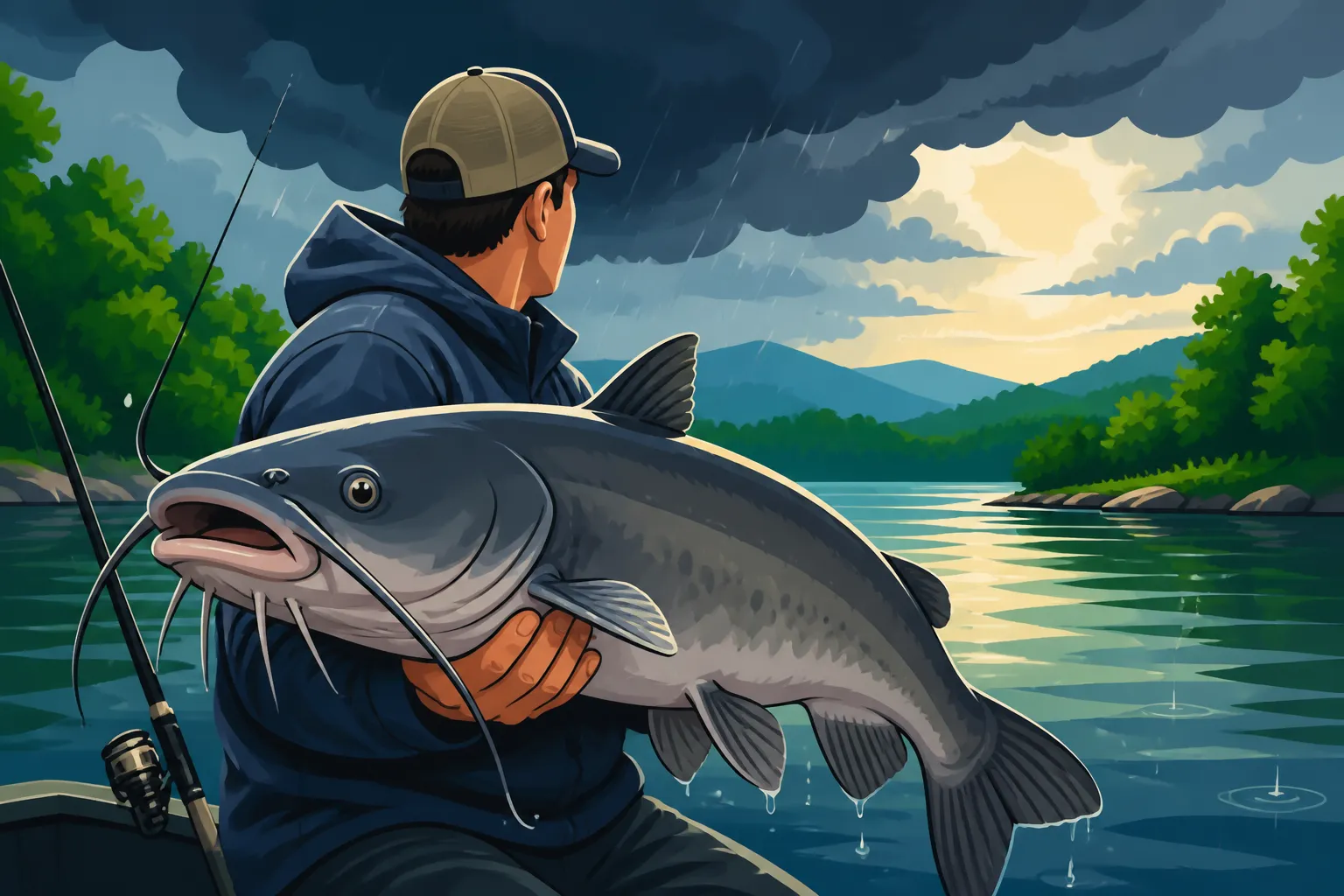
You know that feeling: the rain has been coming down, maybe for hours, maybe for days, and you're itching to get out on the water. But then the nagging doubt creeps in—is it even worth it? Many anglers assume that a good downpour shuts down the bite, especially for a bottom-feeder like catfish. Well, I'm here to tell you that's not always the case! This comprehensive guide will walk you through exactly how rain affects catfish and, more importantly, how you can adapt your strategy to catch them even when the waters are muddy and high.
Understanding Catfish Behavior After a Downpour
When the skies open up and the rain starts to fall, it’s not just the surface of the water that changes. Beneath the chop and the new influx of water, a whole cascade of environmental shifts occurs that directly impacts our whiskered friends. For many species, this might mean a tough bite, but for catfish, it often spells opportunity. They're opportunistic feeders, and rain often brings changes they can exploit.
Water Flow and Turbidity Changes
One of the most immediate and noticeable effects of heavy rain, especially in rivers and streams, is a significant increase in water flow and a dramatic drop in water clarity. Think about a usually clear creek after a thunderstorm – it turns a murky brown almost instantly. This turbidity, or muddiness, is caused by runoff carrying soil, sediment, and other debris from the banks and surrounding landscape into the water. For us anglers, it means visibility is shot. For catfish, however, it's a completely different ball game.
Catfish, particularly species like channel catfish and blue catfish, don't rely on sight nearly as much as other game fish. Their highly developed barbels, often called whiskers, are packed with chemoreceptors that allow them to "taste" and "smell" their way through even the murkiest conditions. The reduced visibility actually works to their advantage, making them feel more secure and less exposed to predators. This means they're often more willing to venture out of their usual hiding spots to forage. The increased flow can also dislodge food sources, stirring up the bottom and washing insects, worms, and even small baitfish into the main current, turning the river into a moving buffet.
Food Source Availability
Beyond the simple stirring of sediment, rain significantly impacts the availability of food for catfish. All that runoff isn't just mud; it's a whole smorgasbord of terrestrial goodies. Worms, insects, grubs, and even small rodents get washed into the water from flooded banks and shorelines. Think of a farmer's field after a good rain – puddles everywhere, and worms are often squirming on the surface. Now imagine that same scenario along a riverbank. All those creatures end up in the water, becoming an easy meal for hungry catfish.
Additionally, the sudden influx of freshwater can stir up stagnant areas, flushing baitfish and other aquatic organisms out of their usual cover. This creates a chaotic feeding frenzy in certain areas, and catfish are quick to capitalize. They don't have to work as hard to find a meal when it's literally being delivered to them by the current. Understanding this natural food delivery system is key to knowing where to cast your line and what bait to choose. You can find more details on general catfishing strategies in our guide to Tennessee Catfish Fishing Techniques and Seasons.
Oxygen Levels and Water Temperature
While increased flow and food availability are generally positive for catfish, rain can also bring changes to oxygen levels and water temperature, which are more nuanced. Heavy rain, especially during warmer months, can cool the surface water, and this cooler water often carries higher dissolved oxygen. As this water mixes, it can invigorate fish, making them more active. However, too much runoff, especially from agricultural areas, can introduce pollutants or decompose organic matter, which can temporarily deplete oxygen in certain pockets. Catfish are pretty resilient, but they'll still seek out areas with optimal oxygen.
The mixing of water from different temperatures can also create thermal breaks, which fish often gravitate towards. Catfish, being warm-water species, will generally prefer temperatures in a certain range. If a cold rain dramatically drops the water temperature in a shallow area, catfish might move deeper or to areas where the temperature remains more stable, such as creek channels or main river beds. Conversely, a warm rain might encourage them to move into shallower, newly flooded zones where food is plentiful. Paying attention to sudden changes in temperature can help you pinpoint their post-rain hiding spots.
Essential Gear and Bait for Post-Rain Success
After a good rain, the water is a whole new environment, and your usual tackle setup might not be the most effective. Adapting your gear and bait choices to these turbulent, murky conditions is crucial for turning a potentially frustrating trip into a successful one. It’s all about working with the conditions, not against them.
Line, Rods, and Reels
When the current is ripping and the water is muddy, you're going to need a robust setup. Forget your light spinning gear; this is the time for heavy-duty equipment. For line, I highly recommend a strong monofilament or braided line with a higher breaking strength than you might typically use. The current will put a lot of strain on your line, and snagging on submerged debris is a real possibility. A 20-30 lb test monofilament or 30-50 lb braided line is a good starting point. Braided line offers less stretch, which is great for feeling subtle bites in heavy current, and its abrasion resistance can be a lifesaver around submerged logs and rocks.
Your rod should be a medium-heavy to heavy action rod, usually in the 7 to 9-foot range. This length gives you better casting distance and leverage when fighting a strong fish in current. A sturdy reel with a good drag system is non-negotiable. Whether you prefer a baitcaster or a spinning reel, make sure it can handle the stress. You want to be able to set the hook firmly and muscle a big catfish away from snags. You can find a wide range of suitable options, from reliable spinning reels to robust baitcasting models, on platforms like Amazon. Having the right equipment ensures you're not outmatched by the conditions or the fish.
Best Baits for Muddy Water
This is where the real game-changer comes in. In murky, post-rain conditions, sight-based predators are at a disadvantage, but scent-based feeders like catfish thrive. Your bait choice should reflect this. Forget subtle presentations; you need something that screams "eat me!" through the murk. The rule of thumb here is: the muddier the water, the stronger the scent.
Cut bait is often king after a rain. Freshly cut shad, skipjack, or even bluegill bleed scent into the water, creating a powerful scent trail that catfish can't resist. The oils and blood disperse quickly, drawing fish in from a distance. Another fantastic option is chicken liver, notorious for its potent, bloody scent and soft texture that allows it to bleed out scent easily. Prepared stink baits, like those made from cheese or blood, are also highly effective. These are specifically designed to be super odorous and are a classic for a reason. Don't be afraid to experiment with different types; sometimes, one particular smell will trigger a bite better than another. Learn more about effective baits in our guide, Best Bait for Fishing in Muddy Water After Rain. Worms, especially large nightcrawlers or Canadian crawlers, are also excellent, as their natural scent and wiggling action are hard for catfish to ignore, especially when natural worms are washing into the water.
Scent and Sound Attraction
Beyond the bait itself, think about enhancing its attractiveness. Liquid scent attractants can be applied directly to your bait or even to soft plastic lures, boosting their appeal. These come in various flavors like garlic, crawfish, or aniseseed and can significantly amplify your bait's drawing power in low visibility. Just a few drops can make a world of difference.
Sound is another factor. Catfish have an incredible lateral line system that detects vibrations in the water. Rattles, such as those found in some fishing weights or added to a rig, can create vibrations that attract curious catfish. When you’re fishing in a heavy current, the natural movement of your bait and line can already create some vibration, but adding a dedicated rattle can make your offering stand out even more. Some anglers even use small, empty pill bottles filled with beads attached to their leader to create an audible attractant. Remember, in dark, muddy water, you need every advantage to get their attention, and combining strong scent with subtle vibrations is a winning strategy.
Locating Prime Catfish Spots in Post-Rain Conditions
Catching catfish after a rain isn't just about the right bait and gear; it's crucially about knowing where to find them. Their usual haunts might change significantly as water levels rise and currents shift. Learning to "read" the water in these conditions is a skill that will pay dividends.
Inflow Areas and Washes
This is probably the number one hotspot after a heavy rain: any area where new water is flowing into the main body of water. Think about feeder creeks, ditches, storm drains, or even just small washes that funnel runoff from the land into a river or lake. These inflow points are veritable buffet lines for catfish. As mentioned earlier, they carry a fresh supply of worms, insects, and other organic debris directly into the main waterway.
Catfish will stage themselves near these inflows, often just out of the strongest current, waiting for food to be delivered. Look for eddies, current breaks, or deeper holes just downstream from where the new water enters. The plume of muddy water from an inflow also creates a distinct scent trail that catfish can follow. These areas are not only rich in food but also often have slightly higher oxygen levels due to the churning water. Fishing these spots, especially in the first 24-48 hours after a heavy rain, can lead to incredible action. Our guide to Kentucky Lake Catfish Fishing Spots, Tennessee or Watts Bar Lake Catfish Fishing Spots might offer insights into finding these types of productive areas.
Submerged Structure and Overhangs
When water levels rise, areas that were previously dry land or shallow banks become submerged. This new flooded cover, such as grass, bushes, small trees, and even picnic tables near public access points, creates ideal hiding and feeding grounds for catfish. These structures offer cover from the current, places to ambush washed-out prey, and a sense of security in the murky water.
Also, don't overlook natural overhangs like fallen trees, undercut banks, or large boulders. These features provide current breaks where fish can rest without expending too much energy, while still being close to the main flow of food. The deeper pockets and scour holes created by the current around these structures are particularly attractive. Cast your bait as close as possible to these submerged features, allowing the current to carry the scent into the fish's zone. Remember, they're not actively chasing in these conditions; they're usually holding tight and waiting for an easy meal.
Channel Edges and Flats
Even with all the excitement near inflows and flooded banks, don't forget the main arteries of a river or large reservoir: the channel edges and adjacent flats. While catfish might move shallower to exploit new food sources, they often won't venture too far from the safety and stability of deeper water. After a heavy rain, the main channel can become a highway of drifting food. Catfish might position themselves along the edges of these channels, especially where the current slows down, or on adjacent flats that suddenly become inundated with food.
Look for gradual slopes or areas where the channel bends, creating natural eddies or slower current pockets. These spots can concentrate food and provide comfortable holding areas. Fishing the flats directly adjacent to the main channel can also be productive, particularly if they have some submerged structure or are getting a good wash of terrestrial goodies. While the current might be strong in the main channel, these edges offer a compromise between abundant food and manageable current. Our article on How to Catch Catfish in Muddy Water delves into more specific techniques for these conditions.
Effective Catfishing Techniques When the Waters Are Riled
Now that you know where to find them and what gear to use, let's talk about the how. Fishing after a rain requires a shift in your technique to account for the increased current, reduced visibility, and active feeding patterns of catfish.
Bottom Fishing and Drifting
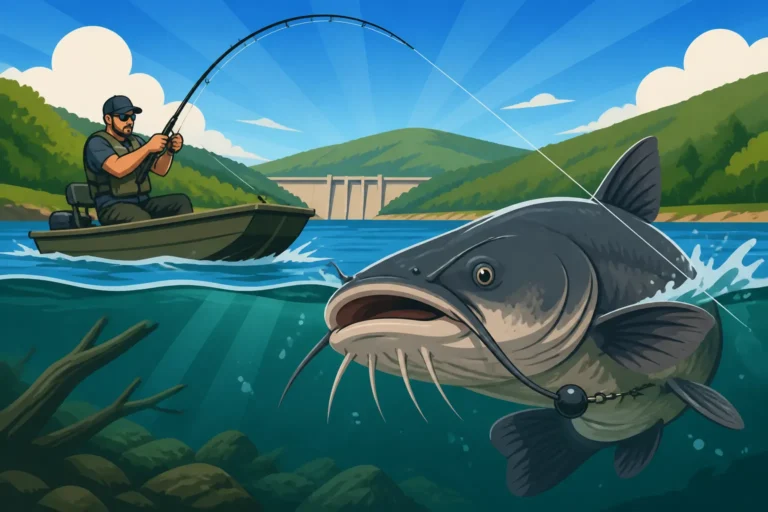
The most common and often most effective method for catfish, especially after a rain, is bottom fishing. With all the food washing downstream and oxygen levels potentially shifting, catfish will usually be near the bottom, where the current is often slightly slower, and dislodged food settles. A simple Carolina rig or a three-way swivel rig works wonders. You'll need heavier weights than usual to hold your bait in place against the increased current. Don't be shy about using a 2-4 ounce sinker, or even more, if necessary. The goal is to keep your bait from being swept away too quickly.
Drifting is another excellent technique, especially in rivers. Instead of anchoring, allow your boat or kayak to drift slowly downstream, letting your bait bounce along the bottom. This covers more water and presents your bait naturally with the current, mimicking the way natural food sources are swept along. Use a slip sinker rig to allow the bait to move freely and naturally. Pay close attention to how your weight is interacting with the bottom – you want to feel it ticking along, not dragging heavily or getting hung up. For a more in-depth look at this, check out our Catfish Bottom Fishing Basics guide.
Jug and Trotlining Considerations
For those who enjoy passive fishing methods, jug fishing and trotlining can be incredibly effective after a rain. These methods allow you to cover large areas and present multiple baits, increasing your chances in wide, murky waters. When using trotlines, set them across channel edges or near those productive inflow areas, making sure they are securely anchored against the stronger currents. Space your hooks to target different depths if possible.
Jug fishing involves setting out individual lines attached to floats (jugs) with bait. The beauty of this is that the jugs drift with the current, covering vast stretches of water and naturally presenting your bait to passing catfish. Use highly scented baits on your jugs, as they'll leave a long scent trail as they move. Just be mindful of local regulations regarding the number of jugs or trotlines you can deploy and make sure they are properly marked. A strong, abrasion-resistant line is critical for these methods, as submerged obstacles are always a risk. Our post on How to Set Up a Trotline for Catfish can give you a solid foundation.
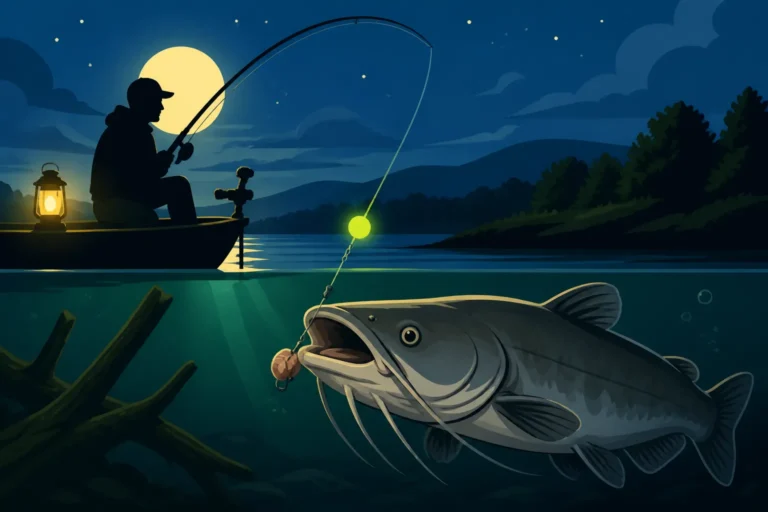
Night Fishing After Rain
Catfish are naturally more active at night, and this behavior often intensifies after a rain, especially if the rain was during the day. The cover of darkness, combined with the murky water and abundant food, creates prime conditions for a feeding spree. With reduced visibility, catfish become even bolder, moving into shallower areas they might avoid during daylight.
When night fishing after a rain, focus on the same hotspots: inflow areas, submerged structures, and channel edges. Use light sticks or reflective tape on your rod tips to detect bites. Your most important tools will be your nose (for the scent of your bait) and your ears (for any sounds of splashing fish). The cool, dark conditions can really turn on the bite. Just be extra cautious of slippery banks and debris in the water when venturing out after dark. Safety first, always! Check out our Night Fishing Techniques for Catfish for more tips.
Comparing Pre-Rain vs. Post-Rain Catfishing Tactics
To summarize the key differences and help you adapt, here's a quick comparison of how your approach should change before and after a significant rain event in Tennessee.
| Feature | Pre-Rain Conditions (Clear/Stable Water) | Post-Rain Conditions (Murky/High Water) |
|---|---|---|
| Catfish Behavior | More reliant on structure, often deeper, more cautious. | Actively foraging, less cautious, moving into new feeding zones. |
| Water Clarity | Clear to slightly stained. | Murky, muddy, low visibility. |
| Current | Moderate to slow. | Strong, sometimes swift. |
| Bait Preference | Varied; sometimes live bait, smaller cut bait, worms. | Stronger scents! Cut bait, stink baits, chicken liver, large worms. |
| Scent Attractants | Beneficial but not always critical. | Highly recommended for maximum draw in low visibility. |
| Weight Required | Lighter weights to hold bottom. | Heavier weights (2-4 oz+) to combat strong current. |
| Prime Locations | Deep holes, main channel, stable structure (lakes), deep bends (rivers). | Inflow areas, flooded banks/vegetation, current breaks, channel edges. |
| Best Time of Day | Dawn, dusk, night. | All day (especially first 24-48 hrs after rain), but night remains excellent. |
| Line Strength | Standard 15-20 lb test often sufficient. | Heavier 20-50 lb test for current, snags, and stronger fish. |
Remember, every rain event is a little different, and local conditions can vary wildly. Always check current water levels and flow rates before heading out. But armed with these strategies, you're now ready to turn that post-rain frustration into a catfish catching celebration!
Disclaimer
This article is for general informational purposes only and does not constitute professional advice. Laws, prices and regulations vary by location and change over time. Consult a qualified professional for guidance on your specific situation.