Fall Trout Stocking Ponds Near Nashville, Tennessee
For those of us living in and around Nashville, the thought of fantastic trout fishing often conjures up images of distant mountain streams or tailwaters hours away. But what if I told you that some of the best fall trout action is happening right in your backyard, in surprisingly accessible ponds and smaller lakes? It's a game-changer for anglers who want to experience the thrill of trout fishing without the long drive, and this guide is here to walk you through exactly where to find these stocked gems and how to make the most of your trip.
Why Fall Trout Stocking is a Game-Changer Near Nashville
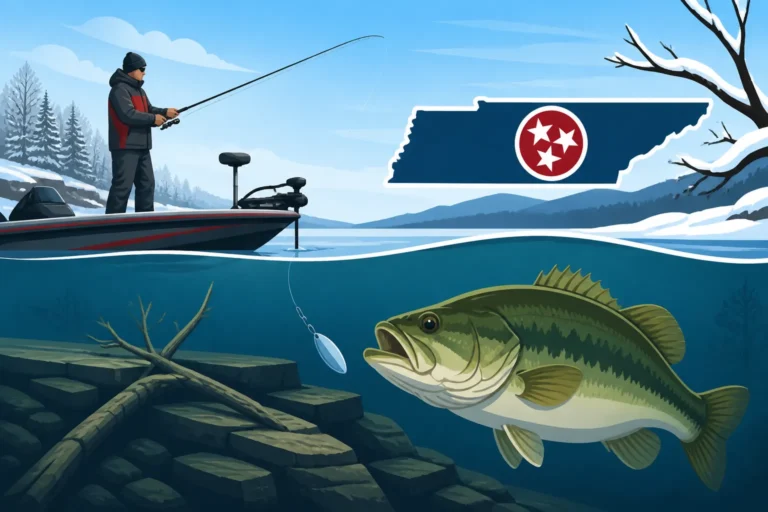
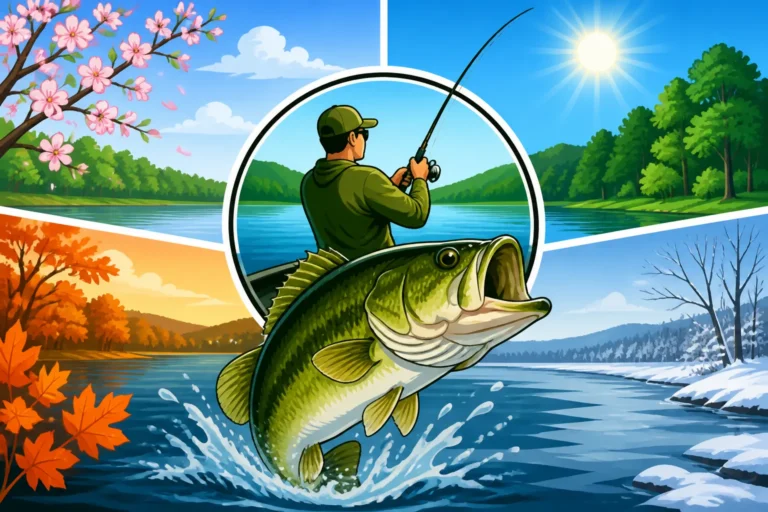
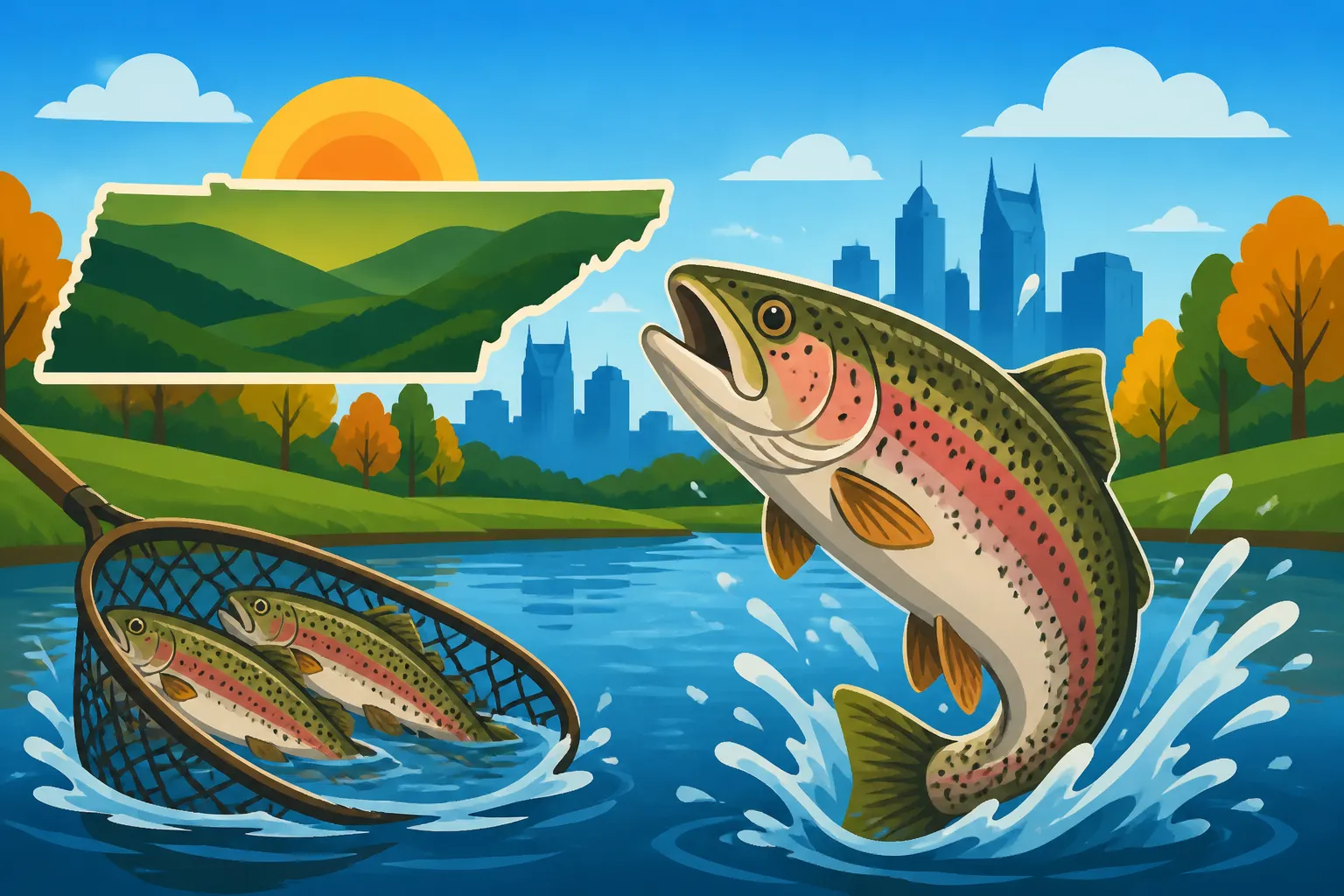
There's something truly special about fall fishing in Tennessee. The leaves are changing, the air is crisp, and the crowds often thin out, leaving you with a serene experience. But for trout anglers, fall brings an extra layer of excitement: the Tennessee Wildlife Resources Agency (TWRA) begins its extensive fall stocking program, introducing thousands of rainbow trout into various accessible waters. This means that even if you're accustomed to chasing bass on the larger reservoirs, you have a fantastic opportunity to switch gears and enjoy a different kind of angling challenge without venturing far from Nashville's vibrant city limits.
The Magic of Cooler Waters
Trout, particularly the rainbow trout that the TWRA primarily stocks, thrive in cold water. During the scorching Tennessee summers, many shallower ponds and lakes become too warm for trout to survive comfortably, leading to what's often called "thermal stress." This is precisely why fall becomes the prime season for stocking. As the air temperatures drop and the water cools, these smaller bodies of water become ideal habitats for trout. The fish become more active, feeding eagerly as they adjust to their new surroundings, making them more willing to strike a well-presented bait or lure. It’s a completely different dynamic than fishing for warmwater species, and the cooler weather itself makes for a much more pleasant day on the water.
TWRA's Stocking Program Explained
The TWRA's commitment to providing diverse fishing opportunities for Tennesseans is truly commendable. Their "Family Fishing Lakes" and various other community ponds are specifically targeted for these fall stockings. This program isn't just about dumping fish; it's a strategic effort to create readily accessible fisheries, often close to urban centers, to encourage angling participation, especially among families and beginners. These stocked trout are typically catchable size, meaning you don't need to be an expert fly fisherman to have a successful day. You can often find details about the stocking schedule for various bodies of water on the TWRA website, giving you a heads-up on when and where the action will be hot. Understanding the nuances of the state's stocking efforts can help you plan your trips effectively, as detailed in our comprehensive Tennessee Trout Fishing Season Explained guide.
Top Ponds and Lakes Stocked with Trout Near Nashville
While Nashville itself might not have many natural trout streams, the surrounding counties offer several fantastic stocked ponds and smaller lakes that are perfect for a fall trout outing. These spots are typically maintained by the TWRA or local parks departments, ensuring good access and family-friendly amenities.
Marrowbone Lake: A Local Favorite
Just a short drive northwest of Nashville, near Ashland City, you'll find Marrowbone Lake. This picturesque 160-acre lake is a consistent recipient of fall trout stockings from the TWRA, making it a go-to destination for many local anglers. Marrowbone Lake is managed as a Family Fishing Lake, which means it often has good bank access, fishing piers, and amenities like restrooms.
When the fall stocking trucks arrive, the excitement among anglers is palpable. The trout often congregate near the stocking points initially, but quickly disperse throughout the cooler sections of the lake. The lake's clear waters mean you sometimes need a lighter touch and more subtle presentations, but the rewards are well worth it. It’s a fantastic place to spend a crisp autumn morning, casting for feisty rainbows.
Franklin City Park Lake and Redbud Lake: Accessible Urban Gems
For those living south of Nashville, Franklin City Park Lake in Franklin is another excellent option. This smaller, community-focused lake often receives fall trout stockings, providing an incredibly convenient spot for a quick fishing trip after work or on a weekend morning. It's truly a hidden gem, offering a chance to catch trout practically in your backyard. Similarly, Redbud Lake in Lebanon, to the east of Nashville, is another consistent spot on the TWRA's fall stocking list.
These urban and community ponds are usually well-maintained, feature easy bank access, and are ideal for introducing kids to fishing. The fish are often quite active, and the smaller size of these ponds makes it easier to locate the fish. They are also excellent places to refine your techniques for species like Rainbow Trout Stocking Schedule Across Tennessee. Just remember that these spots can get busy right after a stocking, so an early start is always a good idea!
Other Potential Stocking Locations
While Marrowbone, Franklin City Park Lake, and Redbud Lake are consistent choices, the TWRA's stocking schedule can sometimes vary. Other smaller lakes and ponds in the broader Middle Tennessee area might also receive fall trout. It's always a good idea to check the official TWRA website or local park service announcements closer to the fall season to get the most up-to-date information. Places like Fagan Springs Lake in Shelbyville, though a bit further south, sometimes appear on the stocking list as well, offering another excellent opportunity for a day trip. These locations can sometimes have specific rules regarding fishing from boats or kayaks, so always check local signage or regulations for Boat Fishing Rules and License Requirements in Tennessee.
Essential Gear and Techniques for Fall Trout in Nashville
You don't need highly specialized, expensive equipment to enjoy fall trout fishing in Tennessee's stocked ponds. In fact, some basic, reliable gear will get you started, and a few simple techniques can significantly increase your success.
Recommended Rods, Reels, and Line
For these smaller, stocked trout, an ultralight or light action spinning rod is your best friend. A rod between 5 and 6.5 feet long will give you excellent sensitivity to feel those subtle trout bites and enough backbone to handle a feisty rainbow. Pair it with a small spinning reel, typically a 1000 or 2000 series, spooled with light line.
- Line Choice: Four-pound monofilament or fluorocarbon line is usually ideal. Monofilament has a bit of stretch and is more forgiving, while fluorocarbon is nearly invisible underwater and sinks, which can be an advantage. Some anglers prefer a very thin braided line with a fluorocarbon leader for maximum sensitivity, but for most stocked pond situations, straight mono or fluoro will work perfectly. You can find excellent options for Best Spinning Reels for Tennessee Trout Streams that will also perform admirably on these stocked ponds. Many reputable brands offer great value on platforms like Amazon for these essentials.
Best Baits and Lures for Stocked Trout
Stocked trout are often less selective than wild trout, making them susceptible to a variety of baits and lures. Experimentation is key, but here are some proven producers:
- Prepared Baits: Dough baits, like PowerBait or Berkley Gulp! Trout Bait, are incredibly effective. These often come in bright colors and have a scent that attracts trout. Mold a small ball around your hook, just big enough to cover it. The buoyant nature of these baits means they'll float off the bottom, presenting perfectly to cruising trout.
- Live Baits: Worms (like red wigglers or nightcrawlers) are classic trout baits. A small piece of worm threaded onto a hook or fished under a bobber can be irresistible. Small mealworms or wax worms are also excellent, especially when fished on a tiny jig head or under a float.
- Small Lures:
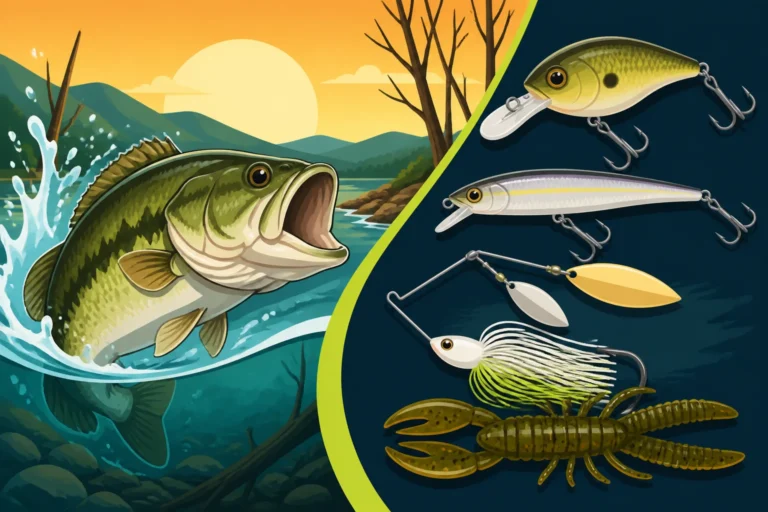
- Inline Spinners: Brands like Rooster Tail or Mepps Aglia in sizes #0 to #2 are deadly. Their flashy blades and vibrant dressing mimic small baitfish or insects, triggering aggressive strikes. Gold, silver, and fire tiger patterns are often great choices.
- Spoons: Tiny Kastmaster or Little Cleo spoons, in weights from 1/16 to 1/8 ounce, cast far and have an enticing wobble. Silver, gold, or brass finishes work well.
- Jigs: Micro jigs, especially those tipped with a small piece of worm, PowerBait, or a tiny soft plastic grub, can be very effective. Try fishing these slowly, with subtle twitches.
- Flies (Spin Fishing): Even if you don't fly fish, you can sometimes use small flies (like an egg pattern or a chenille worm) under a casting bubble or a weighted float. This allows you to present a fly with a spinning rod. You can find a huge variety of these options on Amazon, making it easy to stock up before your trip.
Simple Techniques for Success
You don't need complicated setups to catch stocked trout. Simple, tried-and-true methods often work best.
- Bottom Fishing with Prepared Bait: This is a staple. Use a small treble hook (size 10-14) or a single salmon egg hook with a small split shot weight placed about 12-18 inches above the hook. Cast out, let it sink to the bottom, and allow your buoyant bait to float up. This keeps your bait visible above any weeds or debris. This method is incredibly effective and a great way to handle the Tennessee Trout Limits and Season Rules.
- Float Fishing (Bobber Fishing): A classic for a reason! Use a small, sensitive bobber set so your bait (worm, PowerBait, or micro jig) drifts just above the bottom or at a depth where you've seen fish. This is excellent for covering water and is especially good for kids. Keep an eye on the bobber – any dip or movement could be a bite!
- Retrieving Lures: When using inline spinners or spoons, cast them out and retrieve them at a steady pace. Experiment with varying retrieval speeds and occasional pauses or twitches to find what the fish prefer on that particular day. Sometimes a faster retrieve triggers a reaction strike, while other times a slower, more deliberate retrieve is key.
- Targeting Structure: While ponds might seem featureless, look for subtle changes. Drop-offs, submerged brush piles, points, or even areas near aerators (if present) can hold fish. Trout will often cruise along these features. These are important lessons for new anglers, and you can learn more about general bass fishing strategies in our Bass Fishing Techniques for Beginners guide, some of which cross over to trout.
Navigating Regulations and Best Practices
Fishing, especially for a popular species like trout in stocked waters, comes with responsibilities. Understanding the rules and adopting best practices ensures a healthy fishery for everyone and a respectful experience for fellow anglers.
Understanding Tennessee Trout Limits and Licenses
Before you even think about making your first cast, you absolutely need a valid Tennessee fishing license. This isn't just a suggestion; it's the law. For residents, the most common choice is the basic annual fishing license, or a combination hunt and fish license. Non-residents have various options, including annual or short-term licenses. You can easily purchase these online through the TWRA website, at bait shops, or major retailers like Walmart or sporting goods stores. Make sure you have it on your person, either digitally on your phone or a printed copy, because a game warden might just ask to see it. Our detailed guide on How to Get a Tennessee Fishing License walks you through the entire process.
Regarding limits, for most stocked waters, the statewide trout limit applies:
- Daily Limit: 7 trout per day.
- Brown Trout: No more than 2 brown trout may be part of your 7-fish limit. While most fall stockings focus on rainbow trout, it's good to be aware of this specific rule, especially if you happen to hook into a holdover brown.
It's crucial to always double-check the latest regulations from the TWRA, as rules can occasionally be updated, or specific water bodies might have special regulations that override the statewide default.
Practicing Catch and Release or Responsible Harvest
Stocked trout are primarily put in these ponds for recreational angling, meaning they are often intended to be caught and kept. If you plan to harvest your catch, ensure you do so ethically and responsibly.
- Keeping Fish Fresh: Bring a cooler with ice to immediately place any trout you intend to keep. This maintains the quality of the meat.
- Dispatching Fish: Dispatch fish quickly and humanely. A swift blow to the head is usually sufficient.
- Catch and Release: If you're practicing catch and release, handle the fish as little as possible. Use a net to land the fish gently, remove the hook quickly (preferably with needle-nose pliers or a de-hooking tool), and release the fish back into the water promptly. Avoid dragging fish on the bank or holding them by the gills. Consider using barbless hooks to make hook removal even easier and reduce stress on the fish. For more on this, check out our insights on Tennessee's Fishing License Requirements.
By adhering to these practices, whether you're taking fish home for dinner or releasing them to fight another day, you contribute to a positive angling environment and help preserve these precious resources for future generations.
Here's a quick reference for fall trout fishing near Nashville:
| Location | Nearest Major City | Primary Fish Stocked (Fall) | Typical Access | Key Feature (Fall) |
|---|---|---|---|---|
| Marrowbone Lake | Ashland City | Rainbow Trout | Bank, Boat (electric) | TWRA Family Fishing Lake, scenic |
| Franklin City Park Lake | Franklin | Rainbow Trout | Bank | Urban convenience, family-friendly |
| Redbud Lake | Lebanon | Rainbow Trout | Bank, small boat (electric) | Well-maintained, accessible |
| Fagan Springs Lake | Shelbyville | Rainbow Trout | Bank | Further drive, good for a day trip |
Remember, the TWRA's official stocking schedules are the best source for the most current information on which lakes are getting trout and when. Happy fishing!
Disclaimer
Fishing conditions, regulations, and stocking schedules are subject to change by the Tennessee Wildlife Resources Agency (TWRA). Always consult the latest TWRA regulations and official sources before planning your fishing trip. This guide is for informational purposes only and does not supersede official regulations.