Spring Trout Stocking Streams Near Knoxville, Tennessee
When spring rolls around, many anglers in Tennessee get that undeniable itch to hit the water, especially when the thought of fresh trout hits their minds. But let's be honest, trying to pinpoint which streams near Knoxville are actually getting stocked, when, and with what can feel like chasing a ghost sometimes. It's frustrating to drive all that way, only to find the water empty or overcrowded with misinformed anglers. This comprehensive guide is here to cut through that confusion, giving you the insider scoop on the best spring trout stocking streams around Knoxville, how to fish them effectively, and how to stay ahead of the game with the latest stocking information.
Why Spring Trout Stocking is a Big Deal in East Tennessee
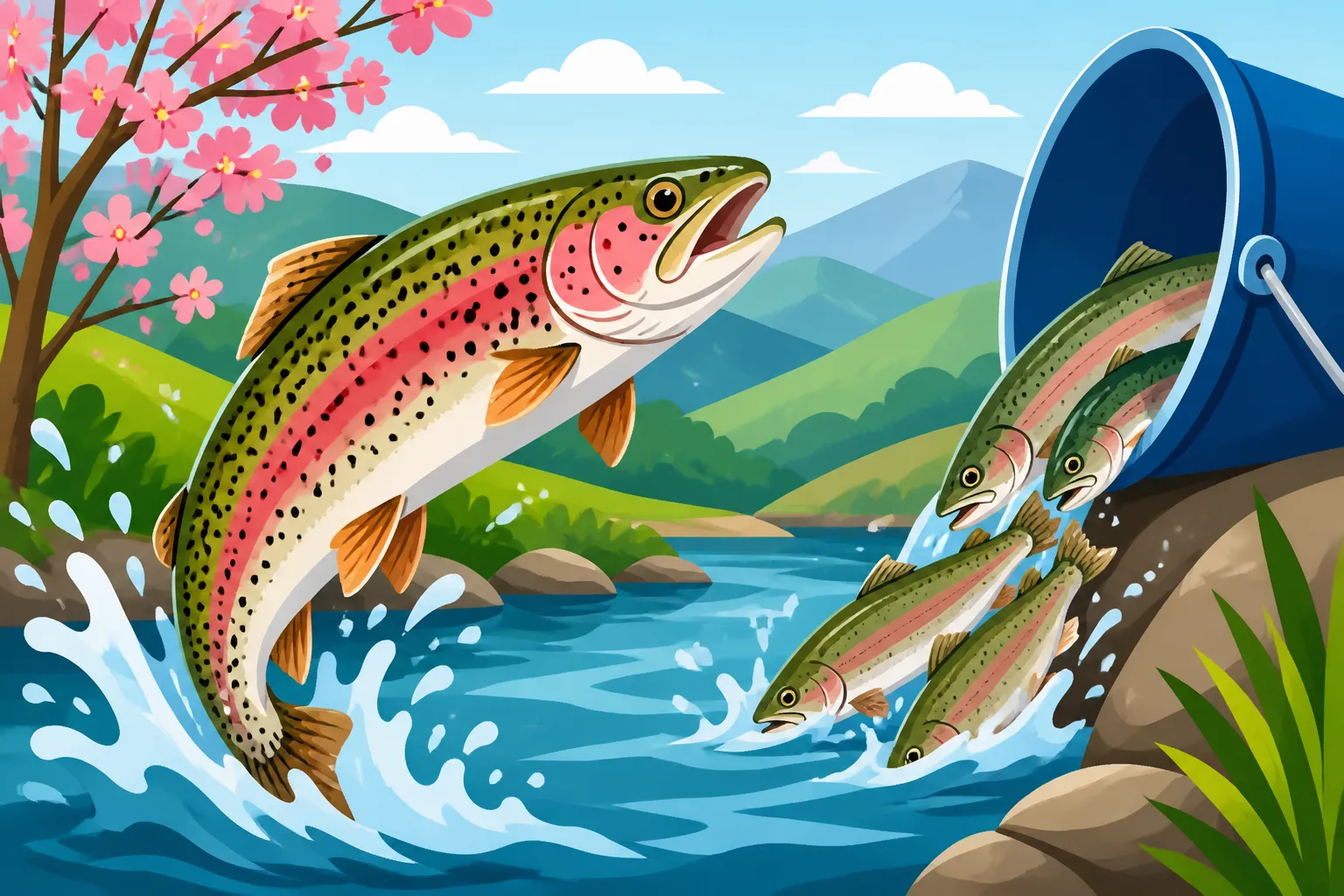
Spring is a magical time for trout fishing in East Tennessee, and a huge part of that magic comes from the robust stocking programs run by the Tennessee Wildlife Resources Agency (TWRA). Unlike some wild trout streams where fish reproduce naturally, many of our most popular trout fisheries rely heavily on these regular infusions of hatchery-raised fish. This "put-and-take" approach ensures that even waters that might struggle to support a self-sustaining trout population can offer fantastic angling opportunities.
The transition from the cold, often dormant winter months into the vibrant activity of spring means rising water temperatures, increased insect activity, and more comfortable conditions for anglers. Newly stocked trout are generally eager to bite, having been raised in an environment where food is readily available, making them less wary than their wild counterparts. This makes spring stocking an ideal target for both seasoned anglers looking for consistent action and beginners hoping to land their first trout. It’s also often when families head out, introducing kids to the joy of fishing, and a stocked stream provides a much higher chance of success.
The sheer volume of fish released during the spring season is also a major draw. TWRA works diligently to distribute trout across various suitable waterways, aiming to spread out the fishing pressure and provide opportunities for anglers across the region. This strategic stocking means that if one stream is particularly crowded, you often have other viable options nearby. The agency's dedication ensures that thousands upon thousands of rainbow trout, and sometimes brown trout, find new homes in our local rivers and creeks, waiting for your hook.
Top Spring Stocking Streams Easily Accessible from Knoxville
Knoxville is truly blessed with a fantastic array of trout waters within a reasonable drive, making it a prime location for anglers wanting to take advantage of spring stockings. While the TWRA stocks a multitude of locations across the state, a few stand out as consistent spring performers that are particularly accessible from the Knoxville area. These spots are often well-maintained and offer good access for a variety of fishing styles.
The Clinch River Tailwater Below Norris Dam
If there's one name synonymous with trout fishing near Knoxville, it's the Clinch River tailwater. This roughly 13-mile stretch of river, flowing directly out of Norris Dam, is a cold-water haven thanks to the deep, frigid waters released from the dam's base. It's a year-round trout fishery, but spring is particularly productive after the TWRA's significant stocking efforts. The cool, oxygen-rich water here is perfect for trout, and the river boasts a healthy population of both stocked and wild brown and rainbow trout.
Access to the Clinch River is excellent, with several public access points. The Songbird Bridge access area near Norris offers plenty of bank fishing opportunities and a boat ramp. Further downstream, the Miller's Island access provides more bank access and slower-moving water in spots, ideal for families or those who prefer a more relaxed approach. The river here can be fished by wading when generation schedules allow, from a drift boat, or even from the bank. Because of its popularity and consistent stocking, the Clinch can get busy, especially on weekends, so consider fishing during weekdays or early mornings for a bit more solitude. The sheer volume of fish stocked here makes it a prime candidate for anglers. To truly understand its appeal, take a deeper dive into Clinch River Trout Fishing in East Tennessee.
Tellico River and Citico Creek
While a bit further south-east from Knoxville (about an hour and a half to two hours drive), the Tellico River and its tributary, Citico Creek, in the Cherokee National Forest, are legendary trout destinations in East Tennessee. These pristine mountain streams offer a slightly different experience than the wider Clinch, with rugged, scenic beauty and designated sections for various fishing methods. The lower sections of both the Tellico River and Citico Creek receive regular spring stockings of rainbow and brown trout.
What makes these areas unique is the specific management zones. You'll find delayed harvest sections, designated youth fishing areas, and general regulation waters. This means you need to pay close attention to the specific rules for each stretch you plan to fish. For instance, some areas are catch-and-release only with artificial lures, while others are "put-and-take" where you can keep your limit. The scenery alone is worth the drive, but the consistent stocking ensures a good chance at hooking some beautiful trout. It's an excellent choice if you're looking to combine your fishing trip with some hiking or a scenic drive through the mountains.
Local Ponds and Community Lakes
Don't overlook the smaller, more localized options near Knoxville. The TWRA also stocks trout into various community lakes and ponds, particularly for youth and family fishing events during the spring. These spots might not offer the wild appeal of a mountain stream, but they provide incredibly convenient and accessible fishing, often right within city or county parks.
Examples might include specific ponds within Knox County or neighboring counties that are part of the TWRA's annual stocking program. These locations are fantastic for introducing kids to fishing, as the fish are typically very active and the access is easy. Check the TWRA’s annual stocking schedule for specific ponds near Knoxville that will receive trout in the spring. These smaller waters are usually stocked with rainbow trout and are perfect for a quick trip without a long drive. They often have amenities like picnic areas and restrooms, making them ideal for a family outing.
| Stream Name | Primary Species Stocked | Proximity to Knoxville | Access & Notes | Common Baits/Lures |
|---|---|---|---|---|
| Clinch River Tailwater | Rainbow, Brown | ~30-45 mins | Excellent bank, wade, boat access; popular. | PowerBait, Spinners, Worms, Flies |
| Tellico River (lower) | Rainbow, Brown | ~1.5-2 hours | Good access points, diverse regulations (check zones). | PowerBait, Spinners, Worms, Flies |
| Citico Creek (lower) | Rainbow, Brown | ~1.5-2 hours | Similar to Tellico, less crowded than main river. | PowerBait, Spinners, Worms, Flies |
| Local Ponds/Community Lakes | Rainbow | Varies (close) | Easy bank access, great for kids; check specific dates. | PowerBait, Corn, Worms |
Essential Tips for Successfully Fishing Stocked Trout
Fishing stocked trout isn't quite the same as pursuing wild, elusive fish. While they share the same instincts, hatchery-raised trout are often less wary and more accustomed to being fed, which influences their behavior. Understanding this can significantly boost your success rate, especially when fishing those fresh spring stockings.
Bait and Lure Selection for Eager Biters
When trout are newly stocked, they're often quite hungry and less discerning than wild trout. This is where a variety of baits and lures shine. For bait fishing, prepared baits like Berkley PowerBait are incredibly effective. These come in various colors and scents, mimicking the pelleted food they grew up on, and trout often can't resist them. Small pieces of corn, salmon eggs, or even simple nightcrawlers (especially the smaller "red wiggler" types) can also be incredibly productive. Present these on a small hook (size 10 or 12) with minimal weight to allow for a natural drift. You can find a wide assortment of PowerBait colors and sizes, along with an array of hooks, on Amazon to get your tackle box ready.
For artificial lures, small inline spinners are absolute trout magnets. Brands like Mepps and Panther Martin in sizes #0 to #2 are consistently effective. Colors like silver, gold, black fury, or firetiger are great starting points. Small spoons, such as Kastmasters or Little Cleos, also work wonders. Focus on retrieving these lures slowly enough to allow them to flash and wobble enticingly, but fast enough to prevent snagging on the bottom. Consider getting a starter pack of these various lures from Amazon to cover your bases. Spin fishing is a very effective method for newly stocked trout, and you can learn more about How to Spin Fish for Trout.
Rigging Techniques for Stocked Waters
Simplicity is often key when rigging for stocked trout. A basic bottom rig or a bobber rig are generally all you need.
- Bottom Rig: Tie a small hook directly to your main line or a light leader (2-4 lb test monofilament or fluorocarbon). Crimp a few small split shot weights about 6-12 inches above the hook. This allows your bait to sink naturally to the bottom, where many freshly stocked trout will cruise. If you're fishing a stream with a moderate current, this setup allows your bait to tumble along the bottom, presenting it naturally.
- Bobber Rig: For slower-moving waters or ponds, a slip bobber rig is excellent. It allows you to adjust your depth easily. Attach a bobber stop to your line, then thread on a small slip bobber, followed by a split shot or two about a foot above your hook. This rig keeps your bait suspended at a desired depth, often off the bottom but still within the trout's strike zone. This is particularly good for static baits like PowerBait or corn.
Always aim for light line. Newly stocked trout might not be as line-shy as wild trout, but thin line (2-4 lb test) allows for more natural bait presentation and is less visible in clear water. Consider a fishing vest with plenty of pockets from Amazon to keep your terminal tackle organized. You'll find more helpful information on Best Bait for Rainbow Trout Fishing for specific recommendations.
Reading the Water and Targeting Stocking Locations
Stocked trout, especially those just released, tend to congregate in certain areas. They often hang around the spots where they were literally dumped into the water. Look for signs of recent stocking, like tire tracks near the water's edge or residual hatchery truck presence. Beyond that, newly stocked fish will seek out areas that offer a sense of security and easy access to any food washing downstream.
Focus your efforts on:
- Deeper Pools: These offer refuge and often hold slower currents.
- Slack Water Edges: Areas where the current is reduced, such as eddies behind rocks or along the inside bends of a river, are prime spots.
- Confluence Points: Where a smaller feeder creek meets the main river, creating current breaks and potentially washing in more food.
- Undercut Banks and Submerged Structure: Any place that provides cover from predators and current.
Since these fish are still adjusting, they might not be in their typical holding patterns immediately. Patience and methodical casting, covering all accessible water, will be your best strategy. When it comes to Best Lures for Stocked Rainbow Trout, many options exist, but matching the hatchery feed often gives you an edge.
Understanding the TWRA Stocking Schedule and Local Regulations
Staying informed about when and where trout are stocked is paramount to a successful spring fishing trip. The TWRA operates a comprehensive trout stocking program, but details can change. Knowing how to access this information and understanding the associated regulations will save you a lot of guesswork and potential headaches.
Accessing the TWRA Stocking Schedule
The Tennessee Wildlife Resources Agency (TWRA) maintains an updated trout stocking schedule on its official website. This is your most reliable source of information. The schedule typically lists the stream or lake, the date of stocking (or a general timeframe), and the species and number of fish released. However, these schedules are subject to change due to weather conditions, water levels, or other unforeseen circumstances, so it's always wise to check frequently, especially close to your planned fishing date.
While the exact date might sometimes be a bit vague (e.g., "week of March 15th"), it gives you a crucial window to plan your trip. Fishing within a day or two of a fresh stocking can often lead to the most productive outings. Many local bait shops near stocked waters also stay well-informed about the schedule, so don't hesitate to call ahead and ask for the latest updates. This is the official source to find out Where TWRA Stocks Rainbow Trout in Tennessee.
Decoding Tennessee's Trout Fishing Regulations
Tennessee has specific regulations for trout, and these can sometimes vary by waterbody or management zone. It's crucial to understand the statewide rules as well as any specific exceptions for the stream you plan to fish.
- Daily Creel Limit: For most Tennessee trout waters, the daily creel limit for trout is 7 fish.
- Brown Trout Sub-Limit: Within that 7-fish limit, usually no more than 2 can be brown trout during certain seasons. This is particularly relevant when you're fishing a stream like the Clinch River, which has both rainbows and browns.
- Seasonality: While many streams are open year-round for trout, some specific waters might have special regulations or closures during certain times. For a full breakdown, consult Tennessee Trout Fishing Season Explained.
- Trout Permit: In addition to a general Tennessee fishing license, if you plan to fish for trout, you generally need to purchase a special trout permit. This permit helps fund the TWRA's stocking programs. Make sure you have this before you cast your line; ignorance of the rule is no excuse, and penalties for fishing without proper licensure can be costly. Find out more about Do You Need a Trout Permit With Your Tennessee License.
- Special Regulations: Always, always check for specific regulations pertaining to the stream you are fishing. Streams like the Tellico and Citico, as mentioned, have various management zones (e.g., Delayed Harvest, Artificial Lures Only, Catch-and-Release). These lake-specific rules often override the statewide defaults and are usually posted prominently at access points. It's your responsibility as an angler to know and abide by these rules. The penalties for not following them can be severe. Learn more about the general Tennessee Trout Limits and Season Rules before you head out.
The spring also sees a fascinating split in how the trout season is managed, especially between March through September and October through February. Understanding How the Trout Season Splits Between Spring and Fall in Tennessee is vital for any dedicated trout angler. This split often dictates not just catch limits but sometimes even the types of bait or lures permitted. So, always have your current TWRA fishing guide with you, either physically or digitally on your phone, and be ready to consult it.
Practical Steps for a Successful Trip
- Check the Schedule: Before anything else, visit the TWRA website for the latest spring stocking schedule.
- Verify Regulations: Once you pick a stream, double-check its specific regulations in the TWRA fishing guide.
- Gear Up: Assemble your ultralight rod and reel combo, appropriate line, hooks, weights, bobbers, and a selection of baits and lures (PowerBait, worms, spinners, small spoons). If you're a fly angler, consider the Best Fly Rods and Waders for Tennessee Trout Streams.
- Pack Essentials: Don't forget waders if you plan to wade, a net, a small cooler for your catch, and basic safety gear. A good pair of polarized sunglasses from Amazon can make a huge difference in spotting fish in clear water.
- Go Early: Getting to the stream shortly after stocking, or at least early in the morning, often yields the best results before fish become pressured.
By following these steps, you'll be well-prepared to enjoy the fantastic spring trout fishing opportunities that abound near Knoxville.
Disclaimer
Please be aware that fishing regulations, stocking schedules, and local conditions can change. Always consult the most current Tennessee Wildlife Resources Agency (TWRA) regulations guide and local signage before fishing. This content is for informational purposes only and should not be considered legal advice or an exhaustive list of all rules and regulations. Fishing responsibly and safely is the angler's responsibility.