Best Lures for Pre-Spawn Bass Fishing
The pre-spawn period for bass fishing in Tennessee can be both incredibly frustrating and immensely rewarding. It's that tricky time when the bass are on the move, transitioning from their deep winter haunts to shallower staging areas, and knowing what lures to throw to tempt these hungry giants can feel like cracking a secret code. If you've ever found yourself casting everything in your tackle box without a bite, wondering why those big pre-spawn females aren't cooperating, this guide is for you. We're going to dive deep into the best lures and techniques to help you put more Tennessee bass in the boat during this crucial season.
The Allure of Pre-Spawn Bass Fishing in Tennessee
The pre-spawn phase is arguably one of the most exciting times to be on the water chasing bass, especially here in Tennessee. The fish are often at their heaviest, gorging themselves as they prepare for the rigors of the spawn, making it an excellent opportunity to catch true trophy-sized fish. But it’s also a time of transition, where conditions can change rapidly, and bass behavior shifts from week to week, or even day to day.
Why the Pre-Spawn Period is So Productive
Think of pre-spawn as the calm before the storm. Bass, particularly the large females, are driven by an instinct to feed heavily to build up energy reserves for reproduction. They haven't committed to the beds yet, so they're often more active and aggressive than during the actual spawn when they're guarding nests. This period offers a unique window where you can intercept these fish as they move from their deep wintering holes to shallower spawning flats. It's a gold rush for anglers if you know where to look and what to throw. This period is critical to understanding Tennessee Bass Fishing Seasons and Patterns.
Understanding Bass Movement and Staging
During pre-spawn, bass are staging. This means they are gathering in areas adjacent to their eventual spawning grounds, but still holding in slightly deeper water. These staging areas are typically points, humps, ledges, channel swings, and brush piles that offer easy access to deeper water but are close to shallower, protected coves or flats where they'll eventually build nests.
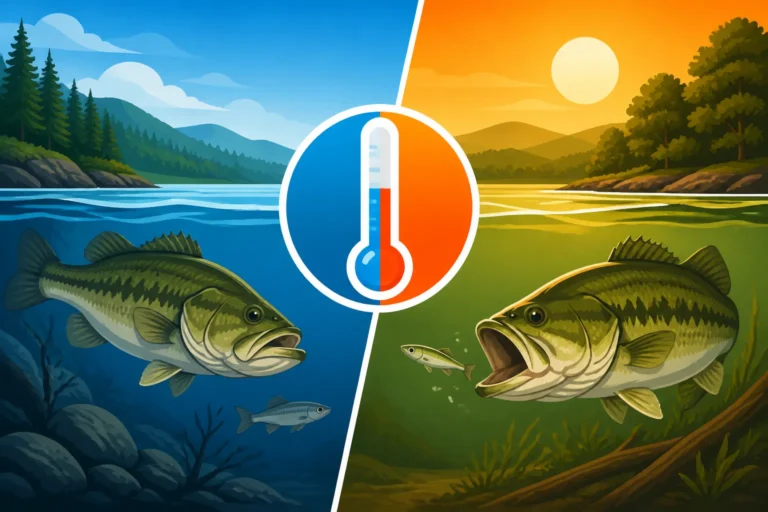
As the water temperature gradually climbs, often hitting that sweet spot between 48 and 58 degrees Fahrenheit, bass begin to move. They'll use these deeper structures as highways, gradually inching their way closer to the banks. Early in the pre-spawn, they might be holding on deeper points in 20-30 feet of water, but as the water warms, they’ll move up to 10-15 feet, and eventually into those shallow pockets just outside the actual spawning grounds. Recognizing these transition zones is key to intercepting them before they hit the beds. Understanding these Pre-Spawn and Post-Spawn Bass Fishing Patterns will significantly improve your chances.
Essential Lure Categories for Pre-Spawn Bass
When it comes to pre-spawn bass, you need lures that can trigger strikes from fish that are either slowly meandering or aggressively feeding. The key is often presenting something that looks substantial and appealing, mimicking the baitfish and crawfish they're gorging on.
Deep-Diving Crankbaits for Staging Areas
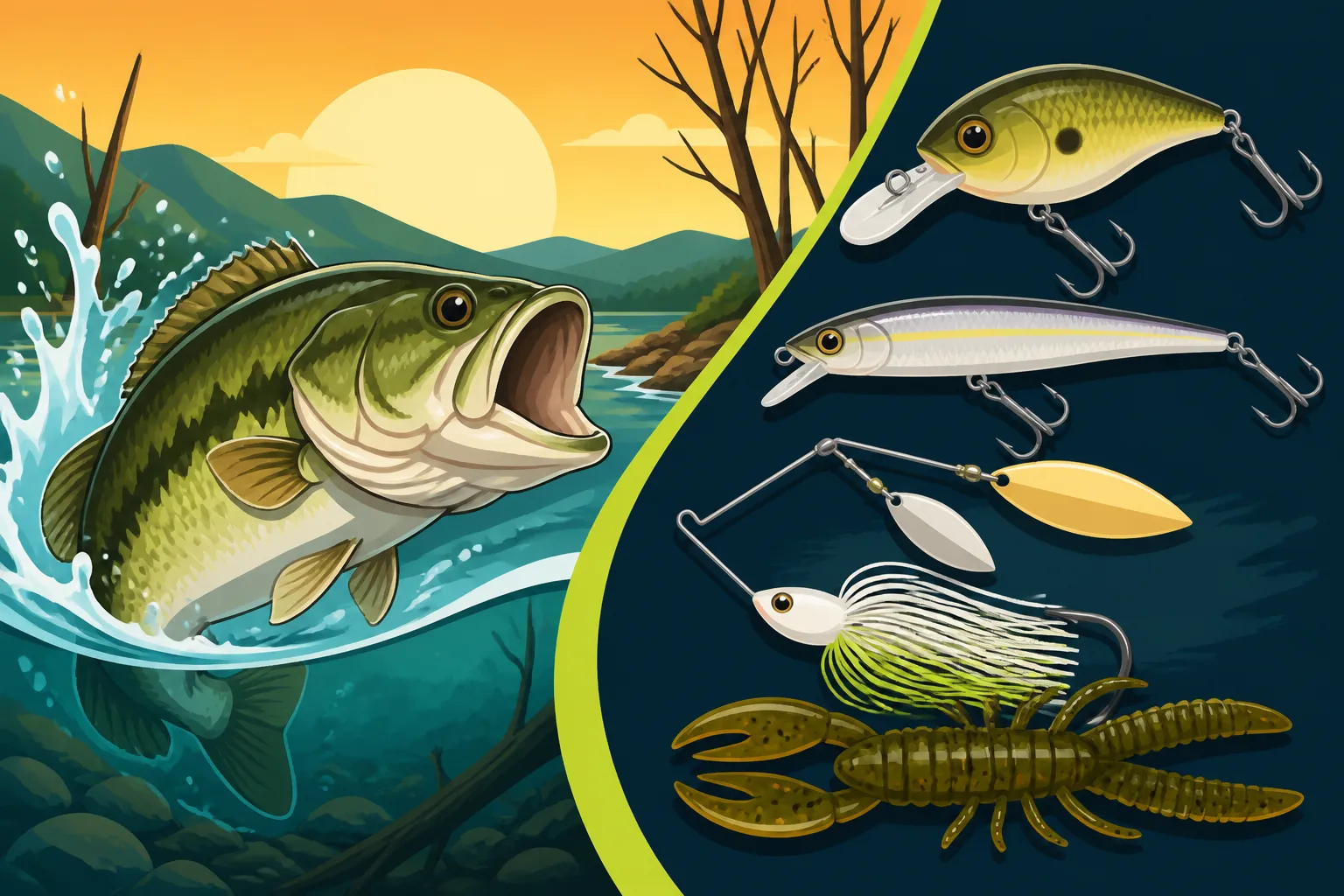
There's nothing quite like a deep-diving crankbait for covering water and finding those bass holding on structure in the 10-20 foot range. These lures are fantastic for hitting offshore humps, deep points, and channel swings, especially on lakes like Chickamauga Lake: Tennessee's Top Bass Fishing Destination, where deep structure holds so many fish. The erratic wobble and ability to deflect off cover often trigger fierce reaction strikes.
You want a crankbait that can reach the depth where the bass are holding and ideally dig into the bottom or bounce off rocks and stumps. Colors like red, crawfish patterns, or citrus shad are absolute killers, especially in stained water or when mimicking crawfish on rocky bottoms. For clear water, more natural shad patterns tend to excel. Retrieve them with a slow, steady crank, occasionally pausing or ripping them to mimic a distressed baitfish. You can find excellent selections of these crankbaits on Amazon, ensuring you have the right depths and colors for whatever Tennessee water you're fishing.
Jigs: The Versatile Bottom Bouncer
If there’s one lure that consistently catches big pre-spawn bass, it’s a jig. Whether you’re pitching a football jig on a deep-water hump or slowly dragging a finesse jig around brush piles, jigs offer a natural, crawfish-like presentation that bass can’t resist. They are particularly effective when bass are still a bit sluggish in colder water, as they allow for a slow, methodical presentation.
Football jigs, with their wider head, are perfect for fishing rocky bottoms and ledges, as they resist snagging and feel their way over obstacles. Pair them with a crawfish-imitating trailer in colors like green pumpkin, brown, or black and blue. For denser cover like submerged timber or brush, a standard casting jig or even a lighter finesse jig can be more effective. The key is to pitch or cast to visible or sonar-located cover, let the jig sink, and then slowly drag or hop it along the bottom. Pay close attention to subtle bites – sometimes it’s just a slight "tick" or feeling of weightlessness. Jigs are excellent for understanding How to Fish for Bass in Spring.
Spinnerbaits for Covering Water
When you need to cover a lot of water quickly, especially around emergent grass, riprap, or scattered laydowns, a spinnerbait is your friend. These lures shine when bass are starting to move shallower and become more active. The flash and vibration mimic baitfish, and the single hook design makes them relatively weedless.
Opt for tandem blades (Colorado/Willow or Willow/Willow) for maximum flash and vibration, especially in stained water or on cloudy days. Chartreuse and white skirts are classics, but don't shy away from darker colors like black and blue on overcast days or in really dark water. A slow roll just above the bottom or through sparse cover is a deadly retrieve, especially in the early morning or late afternoon. You can experiment with different blade sizes and colors to match the forage in lakes like Kentucky Lake Fishing on the Tennessee Side.
Lipless Crankbaits for Reaction Bites
Lipless crankbaits, often called "rattle traps," are phenomenal for triggering aggressive reaction strikes from pre-spawn bass. Their loud rattles and tight wobble make them irresistible, especially when worked around shallow grass beds, riprap banks, or over submerged vegetation.
These lures are fantastic for covering large flats or finding active fish in a hurry. Cast them out, let them sink to the desired depth, and then rip them back with an aggressive retrieve. The key is often a stop-and-go action, or a "yo-yo" retrieve where you pull the rod tip up sharply, let the bait fall on a slack line, and repeat. This erratic action often provokes a strike as the bait appears to be fleeing or injured. Popular colors include chrome, shad patterns, and crawfish imitations. Many anglers swear by particular brands and colors, and you can often find a wide variety of these on Amazon to stock up for your next trip.
Jerkbaits for Suspended Fish
When bass are suspended in the water column, perhaps over deeper staging areas or around vertical cover, a jerkbait can be absolutely deadly. The beauty of a jerkbait is its ability to hang almost motionless in the water during a pause, daring a wary bass to strike.
These lures typically have a neutral buoyancy, meaning they'll suspend at a certain depth when you stop retrieving. Work them with a series of jerks, pauses, and twitches. The length of the pause is critical and often varies day by day; some days, a short 1-2 second pause is enough, while on others, a 5-10 second pause is what it takes. Clear water and slightly warmer temperatures (mid-50s) often make jerkbaits shine. Natural baitfish colors like clear, ghost minnow, or chrome with a blue back are usually top choices.
Swimbaits for Realistic Presentations
For targeting truly big pre-spawn bass, especially those that have seen every other lure in the book, a swimbait offers an incredibly realistic and enticing presentation. These lures, whether soft plastic paddle-tails or hard-bodied jointed versions, mimic larger baitfish like gizzard shad or threadfin shad, which are abundant in many Tennessee reservoirs.
Swimbaits are best fished with a slow, steady retrieve, often just above the bottom or through the middle of the water column. They excel in clear to lightly stained water where bass can track them for a distance. Experiment with different weights to control your depth. A slow, methodical presentation around deep points, humps, or even visible baitfish schools can entice a massive strike. Remember, you're not trying to get a reaction bite here; you're trying to fool a big, wary bass into thinking it's an easy meal. This lure type can be particularly effective when chasing Tennessee's Largemouth Bass Limit Is 5 Per Day, Only 1 Over 18 Inches.
Adapting Your Lures to Tennessee's Diverse Waters
Tennessee is home to an incredible array of fishing environments, from the vast, deep reservoirs of East Tennessee to the fertile, stained waters of West Tennessee. No single lure or color will work everywhere, so adapting your choices to the specific conditions you're facing is crucial.
Matching Colors to Water Clarity
Water clarity plays a huge role in lure selection. In clearer lakes like Norris Lake, natural baitfish patterns, subtle greens, and clear or translucent colors tend to work best. Bass in clear water rely heavily on sight, so a realistic presentation is key. Think shad, bluegill, or even subtle crawfish patterns for jigs and crankbaits.
Conversely, in stained or muddy water, often found in rivers like the Cumberland River or certain coves on Watts Bar Lake after heavy rains, you'll want lures with more contrast and vibration. Chartreuse, bright oranges, black and blue, or combinations of these are excellent. The darker colors provide a better silhouette, and the brighter colors offer a visual "pop." Loud rattles in lipless crankbaits also help bass find your lure when visibility is low. This aligns with knowing How Water Temperature Affects Fish Activity and their willingness to chase.
Considering Water Temperature and Depth
Early pre-spawn, when water temperatures are still in the low 50s, bass tend to be deeper and more sluggish. This is when slow-moving baits like jigs, deep-diving crankbaits, and jerkbaits with long pauses truly shine. You're not looking for a chase; you're looking for a reaction strike or a curious bite.
As the water warms into the mid to high 50s, bass become more active and start moving shallower. This is when you can introduce faster-moving baits like spinnerbaits, lipless crankbaits, and even topwater lures if the conditions are right (though topwater is usually better for post-spawn). Always remember that bass spawn timing varies even within Tennessee, so check local reports for the body of water you're fishing.
The Importance of Cover and Structure
Bass are creatures of comfort and ambush. During pre-spawn, they are almost always associated with some form of cover or structure. This could be a deep rock pile, a submerged brush pile, a channel swing, a stump field, or even a steep bluff wall.
Your lure choice should allow you to effectively fish that particular type of cover. For example, a football jig is excellent for crawling over rocky bottoms, while a spinnerbait can be ripped through sparse grass. If you're fishing dense brush, a weedless jig or Texas-rigged plastic is preferable to a treble-hooked crankbait. Always use your electronics to locate these crucial staging areas; a good fish finder can make all the difference in pinpointing where those big bass are holding. For more on specific species and their habitats, check out our guide on Largemouth Bass Identification Tips for Tennessee Anglers.
Retrieval Techniques for Pre-Spawn Success
It's not just about the lure you choose; it's how you work it. The retrieve can often be the difference between a frustrating day and a fantastic one, especially during the finicky pre-spawn period.
Slow and Deliberate: The Key to Cold Water
Early in the pre-spawn, when the water is still on the colder side, bass are often reluctant to chase a fast-moving bait. This is where slow, deliberate retrieves become paramount.
- Jig Dragging: With jigs, a slow drag along the bottom, punctuated by subtle hops or pauses, is often irresistible. Let the jig do the work, mimicking a crawfish slowly moving across the substrate.
- Deep Crankbait Slow Roll: For deep-diving crankbaits, a slow, steady retrieve that allows the bait to consistently deflect off the bottom or cover is very effective. Don't be afraid to let it sit for a moment after hitting an object before continuing your retrieve.
- Jerkbait Pauses: As mentioned earlier, long pauses with a jerkbait can be critical. Sometimes, a bass needs a moment to decide to strike, and that suspended bait hanging right in front of its face is just too tempting to pass up. This technique is especially important when you're learning How to Catch Bass in Cold Water.
Aggressive Reactions: When to Speed Things Up
As the water warms and bass become more active, you can start to incorporate more aggressive retrieves that trigger powerful reaction strikes.
- Lipless Crankbait Ripping: For lipless crankbaits, short, sharp rips followed by a quick slack-line fall can often make a bass instinctively strike. This is a great way to cover water and locate active fish.
- Spinnerbait Burning: Sometimes, a fast, steady retrieve with a spinnerbait, where it's almost burning through the water, can draw a strike from an aggressive bass that's ready to chase. This is particularly effective on cloudy days or in stained water.
- Swimbait Variations: While swimbaits generally favor a slower retrieve, don't hesitate to add a slight twitch or a momentary speed-up to make the bait look even more lifelike and panicked, especially if you see fish following.
Knowing when to switch from a slow, methodical approach to a more aggressive one is often a matter of experimenting throughout the day and paying attention to what the fish are telling you. The Bass Spawn Timing in Tennessee Lakes will provide clues as well.
Here’s a quick overview of some top pre-spawn lures:
| Lure Type | Ideal Water Temp (F) | Target Depth (ft) | Best Conditions | Key Retrieve | Common Colors |
|---|---|---|---|---|---|
| Deep-Diving Crankbait | 48-58 | 10-25 | Points, Ledges, Humps, Stained to Clear Water | Slow roll, deflection off cover | Crawfish, Shad, Chartreuse |
| Football Jig | 45-55 | 10-30 | Rocky Bottoms, Brush Piles, Clear to Stained | Slow drag, hop, pause | Black/Blue, Green Pumpkin, Brown |
| Spinnerbait | 50-60 | 3-15 | Grass, Riprap, Wood, Stained to Cloudy | Slow roll, moderate retrieve, burning | Chartreuse/White, Shad, Black/Blue |
| Lipless Crankbait | 50-62 | 2-10 | Grass Flats, Riprap, Power Fishing, All Clarity | Rip & fall, yo-yo, steady fast retrieve | Chrome, Shad, Crawfish |
| Jerkbait (Suspending) | 48-58 | 4-12 | Open Water, Points, Clear Water, Calm Wind | Jerk, jerk, pause (long pauses early on) | Shad, Ghost Minnow, Chrome |
| Paddle Tail Swimbait | 50-60 | 5-20 | Open Water, Points, Clear to Lightly Stained | Slow steady retrieve, subtle twitch | Shad, Bluegill, Ayu |
Remember, the pre-spawn period is all about adaptation and experimentation. Don't be afraid to try different lures, colors, and retrieve speeds until you find what the bass want on any given day. With a little patience and the right approach, you'll be well on your way to a banner day of pre-spawn bass fishing in Tennessee. And if you're ever in doubt about what to pick up, many of these highly effective lures are readily available on Amazon.
Disclaimer
The information provided in this guide is for general informational purposes only. Fishing regulations, license requirements, and local conditions in Tennessee can change. Always consult the official Tennessee Wildlife Resources Agency (TWRA) website or guidebooks for the most current and accurate information before heading out on the water. Be aware of all local rules and safety guidelines.