Best Remote Fishing Spots on Dale Hollow Lake, Tennessee
It's a familiar ache for many anglers: you dream of that serene morning, the mist rising off the water, and the only sound is your line slicing through the air. Instead, you arrive at your "secret" spot only to find it packed with other boats, jet skis buzzing, and the tranquility you craved shattered. Finding truly remote fishing spots on a popular lake like Dale Hollow can feel like an impossible quest, but I'm here to tell you it's absolutely within reach. This guide will walk you through exactly how to discover those peaceful, secluded havens on Dale Hollow Lake where the fish are less pressured and the solitude is abundant.
Why Seek Out Dale Hollow Lake's Remote Fishing Havens?
Dale Hollow Lake is a gem, no doubt about it. Spanning parts of northern Tennessee and southern Kentucky, it's famous for its crystal-clear waters and trophy smallmouth bass. But with that kind of reputation comes popularity, and sometimes, popularity means crowds. This is precisely why seeking out the lake's more remote corners can transform your fishing experience from good to absolutely legendary.
Escaping the Crowds and Noise
Imagine casting your line without the constant drone of boat engines, the splashes from swimmers, or the chatter from nearby anglers. Remote spots on Dale Hollow offer an unparalleled sense of peace and quiet. This isn't just about personal preference; it directly impacts your fishing success. Fish, especially trophy-sized ones, are wary creatures. They learn to associate boat traffic, loud noises, and constant pressure with danger. By venturing into less-traveled areas, you're presenting your bait to fish that are likely less spooked and more willing to bite. It's like finding a secret garden where the flowers haven't been picked clean.
These secluded areas also allow you to truly immerse yourself in the natural beauty of the Cumberland Plateau region. The steep bluffs, hidden coves, and untouched shorelines become your personal playground. You might spot deer coming down to drink, an osprey diving for its meal, or simply hear the gentle lapping of waves against a rocky bank. It's a return to the essence of fishing, where connecting with nature is as important as connecting with a fish. For some, the journey to these spots is as rewarding as the catch itself.
The Allure of Unpressured Waters
One of the biggest advantages of finding remote spots is the opportunity to fish unpressured waters. Main lake points and easily accessible coves get hit hard day in and day out. The fish there become educated; they've seen every lure, felt every hook, and learned to avoid most presentations. In remote areas, fish are often more aggressive, less selective, and simply haven't been bothered as much. This can lead to more consistent bites and, frankly, a lot more fun.
The clear waters of Dale Hollow mean fish have excellent visibility, making them even warier in high-traffic zones. But in a quiet, undisturbed cove or along a secluded stretch of river arm, they might be bolder, cruising shallower, or holding in less obvious cover. This allows you to experiment with a wider range of techniques and presentations that might not work in areas where fish are constantly on high alert. The thrill of hooking into a robust smallmouth bass, knowing it hasn't been caught and released a dozen times, is a unique satisfaction. For those truly passionate about the challenge and reward, venturing off the beaten path is the ultimate quest on Dale Hollow.
Identifying Remote Fishing Hotspots on Dale Hollow Lake
Finding these elusive remote spots isn't about luck; it's about preparation, observation, and a little bit of strategic thinking. Dale Hollow Lake has a massive shoreline, filled with countless coves, points, and tributary arms, many of which see minimal traffic. The key is knowing what to look for on a map and understanding how fish behave in these undisturbed environments.
Interpreting Lake Maps and Topography
Your best friend in the quest for remote fishing spots will be a detailed lake map. Whether it's a paper map from the U.S. Army Corps of Engineers, a digital chart on your fish finder, or an app like Navionics or Google Earth, you need to study the contours. Look for areas where the contour lines are tightly packed, indicating steep drop-offs or bluff walls that are often difficult to access from shore and can deter casual boaters. These deep, cool areas are prime for many of Dale Hollow's prized species.
Pay close attention to the upper reaches of tributary arms, such as those on the Obey River or Wolf River segments of the lake. These areas often become narrower, shallower, and have more natural current flow, which can make them less appealing to recreational boaters but fantastic for certain fish species. Look for sharp bends, submerged creek channels, or isolated rock piles far from public boat ramps. Areas with minimal road access or long winding roads leading to small, unimproved ramps are also strong indicators of less-pressured water. Remember, the harder it is to get to, the fewer people will be there.
Leveraging Local Knowledge and Guides
While the goal is often self-discovery, don't underestimate the value of local insight. Sometimes, the best way to uncover remote spots is by talking to seasoned bait shop owners, long-time locals, or professional guides. They've spent years, sometimes decades, exploring every nook and cranny of Dale Hollow. While they might not give up their absolute secret honey holes, they can point you in the general direction of less-traveled areas or provide crucial tips on navigating specific sections of the lake.
If you're truly serious about maximizing your time and getting straight to the action in Dale Hollow's quieter zones, consider booking a trip with a specialized guide. Platforms like FishingBooker can connect you with experienced local guides who know the remote patterns and movements of various species throughout the year. These guides often have the specialized equipment and knowledge to reach areas that would be challenging for an unfamiliar angler. Even a single trip with an expert can significantly shorten your learning curve and reveal nuances of the lake's geography that maps alone can't convey. They can teach you about specific Tennessee Bass Fishing Seasons and Patterns or pinpoint areas where you might find a particular fish species thriving in solitude.
The Role of Seasonality and Time of Day
The definition of "remote" can also shift with the season and time of day. During peak summer weekends, even moderately accessible areas can feel crowded. However, visit the same spot on a weekday morning in the spring or fall, and it might feel completely deserted. The shoulder seasons—early spring and late fall—often provide the best opportunities for solitude, as recreational boating traffic significantly dwindles.
Likewise, early mornings, especially just before dawn, and late evenings around dusk naturally offer a more remote experience, regardless of the spot's true accessibility. Many anglers are not willing to be on the water before the sun rises or after it sets. This also coincides with prime feeding times for many fish species, particularly the aggressive smallmouth bass that Dale Hollow is famous for. Fishing after a cold front can also deter many anglers, leaving more water for you to explore. Always consult resources like Tennessee Trout Fishing Season Explained if you plan to target trout, as their patterns are highly seasonal.
Accessing Dale Hollow's Secluded Fishing Havens
Finding these spots on a map is one thing; actually getting to them is another. Dale Hollow's rugged topography means that many truly remote spots require a bit more effort and the right kind of equipment to access. This isn't your average drive-up-and-launch scenario, and that's precisely what keeps them special.
Essential Equipment for Remote Access
For many of Dale Hollow's remote coves and upstream sections, a traditional bass boat or large cruiser simply won't cut it. This is where smaller, more agile watercraft become your best friend. Kayaks and canoes are ideal for quietly paddling into narrow channels, shallow backwaters, and tight coves where larger boats cannot venture. They allow for a stealthy approach that won't spook unpressured fish. Many modern fishing kayaks are stable enough to stand in and can be outfitted with portable fish finders and tackle storage. Before you head out, be sure to review a comprehensive guide like Best Kayak Fishing Gear for Tennessee Anglers to ensure you have everything you need.
Jon boats or smaller utility boats with a modest outboard or even just a powerful trolling motor can also provide excellent access to remote areas, especially if you're comfortable navigating shallower waters or maneuvering through timber. For bank anglers determined to reach truly untouched sections, a good pair of hiking boots and the willingness to trek along the shoreline or through light woods can open up possibilities that boaters might miss entirely. Just be sure to always prioritize safety and let someone know your plans when venturing into less-traveled areas.
Preparing for the Unexpected
Venturing into remote areas means being self-sufficient. There are no nearby marinas for fuel, no bait shops for a quick resupply, and limited cell service in many of Dale Hollow's deep hollows. Always pack more water and snacks than you think you'll need. A well-stocked first-aid kit is non-negotiable, along with emergency communication devices like a satellite messenger if you're really going deep into the backcountry. A portable power bank for your phone or fish finder is also a wise addition.
It's also crucial to understand and adhere to all Tennessee Fishing Regulations Explained. Know your license requirements – you can learn more about how to secure your permit in the Tennessee Fishing License Guide. Remember, game wardens patrol all corners of the lake, remote or not. Being prepared also means having a plan for changing weather conditions. Dale Hollow's weather can shift rapidly, and being caught in a sudden storm in a remote section can be dangerous. Always check the forecast and be ready to seek shelter or head back to more accessible waters if conditions deteriorate. For boaters, having a Tennessee Boating Safety Education Certificate Guide is not just a legal requirement for certain ages, but a smart way to stay safe.
Techniques and Species for Remote Dale Hollow Waters
Once you've navigated your way to those peaceful, remote corners of Dale Hollow Lake, the real fun begins: fishing. The clear, often deeper waters of these secluded areas present unique opportunities and challenges that can be incredibly rewarding. Knowing what to target and how to approach these pristine environments will significantly boost your success.
Targeting Dale Hollow's Premier Fish
Dale Hollow Lake is a phenomenal fishery, and its remote areas hold excellent populations of several key species. The undisputed king of Dale Hollow is the smallmouth bass. These bronze beauties thrive in the lake's clear, rocky habitats and are often found along bluff walls, steep points, and submerged timber in deeper coves. Remote stretches of the lake's main river arms, like the Obey or Wolf River sections, can hold exceptional smallmouth. For more detailed information on specific areas and tactics, consider delving into Dale Hollow Lake Smallmouth Bass Fishing.
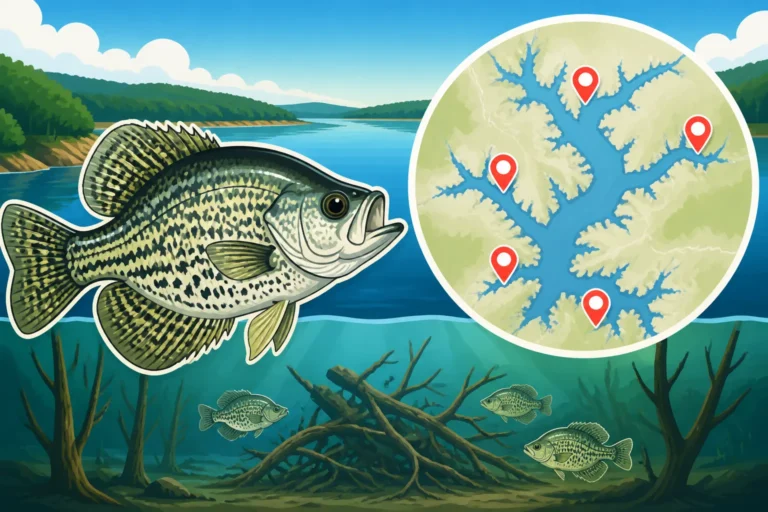
Largemouth bass are also abundant, particularly in the shallower, stump-filled backwaters and coves of the lake's upper reaches, which are often less disturbed. Look for them around submerged brush piles, weed beds, and fallen trees. Don't forget about walleye, which often prefer deeper, cooler water and can be found congregating around main lake points and humps in remote areas. Crappie also inhabit these waters, frequently suspending around timber or brush piles in quiet coves. For a general overview of the various species, check out A Complete Guide to Tennessee Bass Species and Tennessee Trout Guide: Rainbow, Brown, and Brook Trout.
Effective Techniques for Clear, Remote Waters
Fishing in clear, unpressured water often calls for a finesse approach. Fish in these conditions rely heavily on their eyesight, so natural presentations are key. Light line, fluorocarbon leaders, and subtle lures are often more effective than heavy, flashy tackle. For smallmouth and largemouth bass, consider techniques like drop-shotting, shaky heads, or Ned rigs with smaller soft plastics. Jigging spoons can be deadly for deeper-holding bass and walleye. If you’re fishing from a kayak or canoe, quiet paddle strokes and electric trolling motors set to a low speed are crucial for not spooking fish.
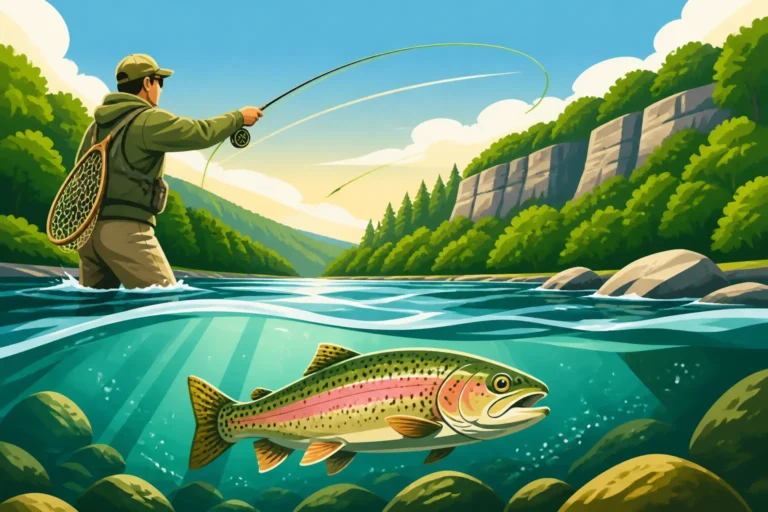
Topwater lures can also be incredibly exciting in remote, low-pressure environments, especially during dawn and dusk. With less boat traffic, you'll often find fish more willing to come to the surface for a well-presented popper or walking bait. For trout in the colder tributary streams feeding Dale Hollow, fly fishing can be exceptionally productive. Learning Fly Fishing Basics for Trout can open up a whole new world of remote angling opportunities. If you're new to fishing, starting with Bass Fishing Techniques for Beginners will give you a solid foundation for success in these serene settings.
Catch and Release Ethics
When fishing these remote and often pristine areas of Dale Hollow Lake, practicing responsible catch and release is more important than ever. These are often fragile ecosystems, and reducing fishing pressure helps ensure that these spots remain productive and untouched for future generations. Handle fish minimally, use appropriate landing nets, and release them quickly and gently.
Always aim to leave no trace. Pack out everything you pack in, including any fishing line, bait containers, or trash. The beauty of these remote spots lies in their wildness, and it's our responsibility as anglers to keep them that way. Treat these secluded havens with the respect they deserve, and they will continue to offer incredible fishing experiences and much-needed solitude.
Here's a quick reference for common species and effective techniques in Dale Hollow's remote waters:
| Species | Common Remote Habitats | Recommended Techniques (Finesse Focus) | Prime Times |
|---|---|---|---|
| Smallmouth Bass | Steep bluff walls, rocky points, deep channels, river bends | Drop-shot, Ned rig, shaky head, jigging spoon, tubes | Early morning, late evening, cloudy days |
| Largemouth Bass | Shallow backwaters, submerged timber, stump fields, brush piles | Texas rig, weightless wacky worm, shallow crankbaits | Dawn/Dusk, overcast, warmer months |
| Walleye | Deep humps, main lake points, submerged channels, rocky bottoms | Jigging spoons, deep diving crankbaits, bottom bouncers | Low light, nighttime, cooler water |
| Crappie | Submerged brush piles, standing timber, docks (if present) | Small jigs (spider rigging), minnows under a float | Spring spawn, fall schooling, low light |
| Trout | Cold water tributaries, tailwaters below dams | Fly fishing (nymphs, dries), small spinners, powerbait | Spring, Fall, year-round in cold streams |
Disclaimer
Please note that fishing regulations, license requirements, and local conditions can change. Always check the latest information from the Tennessee Wildlife Resources Agency (TWRA) before planning any fishing trip to Dale Hollow Lake. Stay safe and respect private property.