Where to Catch Crappie on Reelfoot Lake
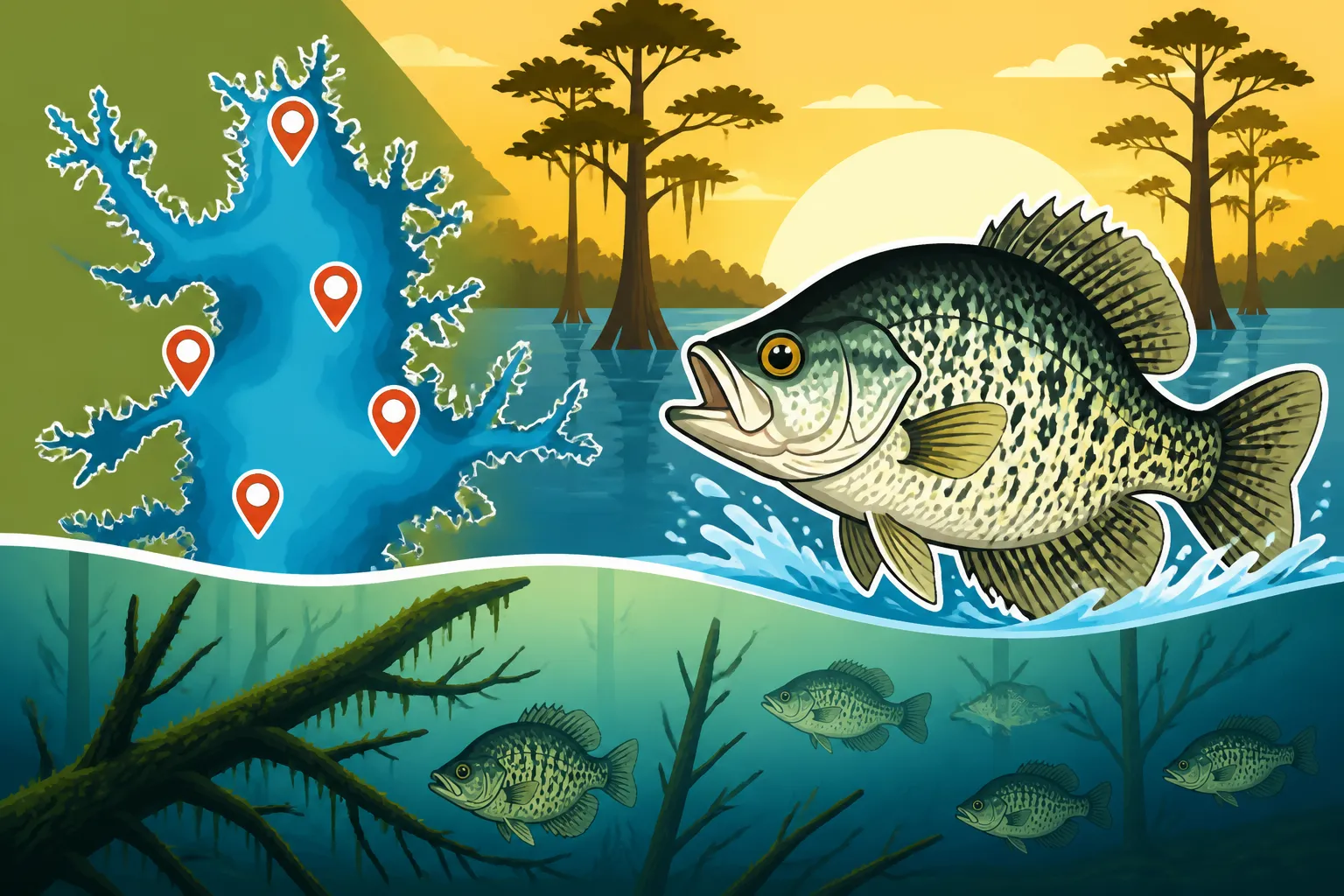
Reelfoot Lake is truly one-of-a-kind, a natural anomaly shaped by earthquakes, and its labyrinth of cypress trees and shallow, often murky waters can feel incredibly intimidating if you’re looking to find crappie. Many anglers, even seasoned ones, find themselves frustrated by its unique challenges. This comprehensive guide is designed to cut through that confusion, helping you understand Reelfoot's specific crappie habits and pinpoint exactly where to cast your line for a successful day.
Understanding Reelfoot Lake's Unique Crappie Habitat
Reelfoot Lake, located in northwest Tennessee, isn't your typical reservoir. It was formed by the New Madrid earthquakes of 1811-1812, creating a shallow, cypress-filled lake that looks more like a flooded forest than an open body of water. This distinct geography profoundly impacts where crappie live and how you need to approach fishing for them. The standing timber, submerged stumps, and shallow depths are both a blessing and a curse, providing incredible habitat but demanding specialized techniques.
The Cypress Tree Advantage
The most iconic feature of Reelfoot Lake is undoubtedly its vast cypress tree forests. These ancient trees, along with their characteristic "knees," create an unparalleled natural structure that crappie absolutely adore. The dense network of roots and trunks provides cover from predators, shade from the sun, and a buffet line for baitfish. During different times of the year, crappie will relate to these cypress trees in various ways, sometimes holding tight against the trunk, other times suspending just off the outer edges of the canopy.
When you're out on the lake, don't just fish near the cypress trees; fish into them. Focus on the areas where the cypress stands are thickest, creating natural bottlenecks or deeper pockets within the timber. Crappie will often position themselves on the leeward side of a tree trunk, out of any current, waiting for an easy meal to pass by. Pay close attention to any visible changes in water depth around the trees, as crappie love those subtle contours.
Stumps, Logs, and Submerged Wood
Beneath the surface of Reelfoot Lake lies an even more intricate network of submerged wood. Countless stumps, fallen logs, and brush piles are scattered throughout the lake, often invisible until you're right on top of them. This hidden structure is prime crappie territory, offering even more secluded ambush points and protection. While challenging to navigate, these underwater obstacles are key to finding concentrations of fish.
Anglers often learn the "lanes" and "patterns" of these submerged structures over years of fishing, a knowledge base that is invaluable. A good fish finder can help you map out some of these hidden treasures, but local knowledge truly shines here. If you're new to the lake, consider booking a guide through a service like FishingBooker, where experienced local captains can navigate you directly to these honey holes. They often have decades of experience reading the water and remembering where the best structure lies.
Open Water Channels and Ditches
Despite its shallow reputation, Reelfoot Lake does have identifiable channels and ditches running through it, remnants of old creek beds or areas naturally scoured deeper. These slight depressions in the lakebed become incredibly important, especially during periods of extreme heat or cold, when crappie seek more stable water temperatures and oxygen levels. These channels often run parallel to major cypress stands or connect different basins of the lake.
Finding these channels can be a bit tricky, but they are worth the effort. Crappie will use them as travel corridors and also as holding areas, often suspending just above the bottom or relating to any additional structure within the ditch, such as isolated stumps or brush piles. Look for areas where these channels intersect with dense cypress stands, creating a perfect blend of depth and cover.
Prime Crappie Locations by Season on Reelfoot Lake
Crappie fishing on Reelfoot Lake is a year-round affair, but the best spots and techniques change dramatically with the seasons. Understanding these seasonal movements is critical to consistently finding fish. Reelfoot's shallow nature means water temperatures fluctuate more rapidly than in deeper lakes, which in turn means crappie respond quickly to weather changes.
Spring Spawn Hotspots
When the water temperatures on Reelfoot Lake start to climb into the 55-65 degree Fahrenheit range, typically from late March through May, crappie move into the shallowest parts of the lake for their annual spawn. This is arguably the most popular time to fish for crappie on Reelfoot, as they are concentrated and aggressive. They will push into areas with dense cover, such as the thick cypress stands and emergent vegetation, often in water as shallow as 1-3 feet.
Key areas to target during the spring spawn include the Blue Basin, Grassy Basin, and the various bayous like Black Bayou. Look for areas with a mix of cypress trees, lily pad fields, and sparse grass. Crappie will build their nests around these structures. This is a prime time for vertical jigging or slow trolling with minnows or small jigs around visible cover. Remember, crappie limits in Tennessee are 20 fish per day, with only 5 over 12 inches, so be mindful of those regulations, which are clearly outlined in the Tennessee Crappie Fishing Guide by Season. The Spring Crappie Spawn Timing in Tennessee generally follows the same temperature cues, making it predictable if you watch the weather.
Summer Strategies in Deeper Pockets
As Reelfoot Lake's shallow waters heat up significantly in the summer, typically from June through August, crappie will often retreat to slightly deeper water or areas with better oxygen and shade. While "deep" on Reelfoot might only mean 6-10 feet, these subtle depth changes become crucial. They will still relate heavily to structure, but now they're looking for cooler water within that cover.
During the summer, focus on the deeper channels mentioned earlier, as well as the outer edges of the thickest cypress stands where they meet open water or slight depressions. Crappie will often suspend in the water column, perhaps 4-6 feet down over 8-foot depths, or they might hug the shady side of a large cypress island. Night fishing can also be incredibly productive in the summer, as crappie become more active when temperatures drop and they move shallower under the cover of darkness. Many of the techniques for How to Find Crappie in Summer revolve around these principles.
Fall Transition and Active Feeding
The cooler water temperatures of autumn, usually from September through November, trigger a strong feeding instinct in Reelfoot Lake's crappie as they prepare for winter. This fall transition can be another fantastic time to catch them, as they become very active and less finicky. They will begin to move out of their deepest summer haunts and spread out, often returning to areas with good structure but in slightly deeper water than the spring spawn.
Look for crappie along the edges of cypress stands, submerged stump fields, and brush piles in 4-8 feet of water. They will often school up, making it possible to catch multiple fish once you locate a productive area. Trolling jigs or slow-moving minnows can be very effective as you cover more water. This is a great time to experiment with different jig colors and retrieves, as the crappie are actively chasing baitfish.
Winter Crappie in Reelfoot's Depths
While many anglers might pack away their gear for the winter, Reelfoot Lake can offer excellent crappie fishing during the colder months, typically from December through February. The key is to remember that crappie metabolism slows down, and they will seek out the most stable water temperatures they can find, which often means the deepest parts of the lake. Even on Reelfoot, this might only be 10-15 feet, but those extra few feet make a big difference.
During winter, crappie will often suspend over or near the bottom in the main lake basins or the deeper, wider ditches. They'll form tighter schools and won't be as aggressive, so a slow, subtle presentation is essential. Vertical jigging with small jigs or minnows directly over the fish, which you'll need a good fish finder to locate, is the most effective approach. Knowing How to Catch Crappie in Cold Water on Reelfoot is a real advantage, allowing you to enjoy solitude and consistent catches when others are off the water.
Effective Techniques and Baits for Reelfoot Crappie
Fishing Reelfoot Lake for crappie requires specific techniques adapted to its unique environment. Standard approaches that work on wide-open reservoirs might not cut it here, where you're constantly battling structure and shallow water. Mastering a few key methods will dramatically increase your success rate.
Jigging and Spider Rigging Among the Timber
Vertical jigging is perhaps the most iconic and effective technique for Reelfoot crappie, especially when they are holding tight to cypress trees, stumps, or brush piles. This method involves using a small jig (1/16 to 1/8 ounce is common) and lowering it directly into the cover. The idea is to present the bait right in front of the crappie's face, often with minimal movement. Popular jig colors include chartreuse, black and chartreuse, or white.
Spider rigging, while also involving jigs or minnows, allows you to present multiple lines at different depths simultaneously, covering more water as you slowly motor through areas of interest. This is particularly effective in fall and winter when crappie are schooling and you need to find their precise depth. Long rods extend out from the boat, creating a "spider" web of lines. This method is incredibly effective for systematically picking apart dense cover and finding the active fish. You can learn more about general strategies in a Crappie Jigging Techniques Explained guide.
Minnows and Live Bait Presentations
While artificial jigs are incredibly effective, sometimes nothing beats a live minnow for finicky Reelfoot crappie. Minnows can be rigged in various ways, often on a simple hook under a bobber for shallow water, or on a tight line with a small weight for deeper presentations. The natural movement and scent of a minnow can entice strikes when crappie are less aggressive, especially in colder water or after a cold front.
When using minnows, pay attention to the size. Smaller crappie prefer smaller minnows, but if you're targeting larger slabs, don't be afraid to use a slightly bigger bait. Ensure your hooks are sharp and appropriately sized for the minnows you're using. Many Reelfoot guides swear by live minnows, especially when dealing with tough bites.
Navigating the Lake's Obstacles
Reelfoot Lake's dense timber and shallow water make navigation a challenge, but modern equipment and old-school knowledge can make it manageable. A shallow-water anchor system, like those from Power-Pole or Minn Kota Talon, can be a game-changer, allowing you to quietly hold position in tight spots without spooking fish or getting tangled in a traditional anchor line. A powerful trolling motor with GPS capabilities is also invaluable for moving silently through the timber and holding steady against any wind or current.
Perhaps even more important than the gear is patience and respect for the lake. Don't try to go too fast, and always be aware of your surroundings, both above and below the waterline. Many boat lanes are marked, but even these can be tricky. If you're unsure, slow down or enlist the help of a local expert. For a comprehensive overview of the lake's environment, check out our guide to Reelfoot Lake Fishing, Tennessee's Cypress Swamp Lake.
Planning Your Reelfoot Crappie Adventure
A successful crappie trip to Reelfoot Lake goes beyond just knowing where the fish are; it involves proper preparation, the right gear, and sometimes, a little help from the experts. This lake is unique, and being ready for its quirks will make your experience much more enjoyable.
Gear Essentials for Reelfoot
Given Reelfoot Lake's snag-filled environment, your gear choices are crucial. You'll want medium-light to medium action spinning rods, typically 6 to 7 feet long, that have enough backbone to pull fish out of cover but are sensitive enough to detect subtle crappie bites. Pair these with matching reels spooled with 6-10 lb test monofilament or fluorocarbon line. Many anglers prefer mono for its stretch, which can act as a shock absorber when a crappie suddenly dives into a stump.
Beyond your rod and reel, a well-stocked tackle box is key. Bring a variety of crappie jigs in different sizes (1/16 to 1/8 oz) and colors. Don't forget plenty of spare hooks, bobbers, and small weights. A good pair of polarized sunglasses will help you spot submerged structure and any subtle changes in water clarity. And for handling those sharp-finned crappie, a set of pliers is always a good idea. Consider what's typically in a Tackle Box Setup for Crappie Fishing and adapt it for Reelfoot's specific challenges.
Considering a Fishing Guide
For a body of water as intricate and ever-changing as Reelfoot Lake, hiring a local fishing guide can be one of the best investments you make, especially on your first few trips. A guide possesses intimate knowledge of the lake's current conditions, crappie patterns, and—most importantly—safe navigation through its complex timber fields. They know where the fish are biting right now, which techniques are working best, and how to avoid costly mistakes like running aground or getting tangled.
Booking a guide through a platform like FishingBooker ensures you're connecting with reputable and experienced local professionals. These guides dedicate their lives to understanding Reelfoot, often having decades of experience reading its subtle cues. They can provide all the necessary gear and boat, allowing you to focus purely on the fishing experience. It's a fantastic way to accelerate your learning curve and maximize your chances of catching a limit of slabs on this legendary lake. Many visitors find that after one guided trip, they gain enough confidence and local insight to successfully fish Reelfoot on their own for years to come.
Here’s a quick overview of crappie behavior on Reelfoot Lake by season:
| Season | Typical Water Temp Range | Primary Location | Preferred Depth | Effective Techniques | Key Baits/Lures |
|---|---|---|---|---|---|
| Spring | 55-65°F | Thick cypress stands, lily pads, emergent grass | 1-3 feet | Vertical Jigging, Bobber & Minnow | Small Jigs (chartreuse), Live Minnows |
| Summer | 75-85°F | Deeper channels, outer cypress edges, shady areas | 4-8 feet | Vertical Jigging, Night Fishing | Live Minnows, Darker Jigs |
| Fall | 60-70°F | Edges of cypress stands, stump fields, brush piles | 4-8 feet | Slow Trolling, Spider Rigging | Jigs (various colors), Live Minnows |
| Winter | 35-50°F | Main lake basins, deeper ditches | 10-15 feet | Vertical Jigging (slow) | Small Jigs (natural colors), Live Minnows |
Remember that these are general guidelines, and crappie behavior can change based on specific weather patterns and lake conditions. Always be ready to adapt! If you want to dive deeper into broader Tennessee fishing rules, check out the Tennessee Fishing Regulations Explained.
Disclaimer
Fishing conditions and regulations in Tennessee, including on Reelfoot Lake, can change. Always consult the latest rules and advisories from the Tennessee Wildlife Resources Agency (TWRA) before planning your trip. This guide is for informational purposes only and does not constitute official legal advice.