Chickamauga Lake Tennessee Trophy Bass Season Timing
For anglers dreaming of landing that once-in-a-lifetime trophy bass, the frustration of misjudging the season can be absolutely crushing. You spend hours, maybe days, planning a trip, only to find the fish aren't biting or aren't where they should be. This comprehensive guide is designed to cut through that guesswork, giving you a detailed breakdown of the optimal times to target giant largemouth on Tennessee's legendary Chickamauga Lake, ensuring your next angling adventure is as productive as possible.
The Allure of Chickamauga Lake for Trophy Bass
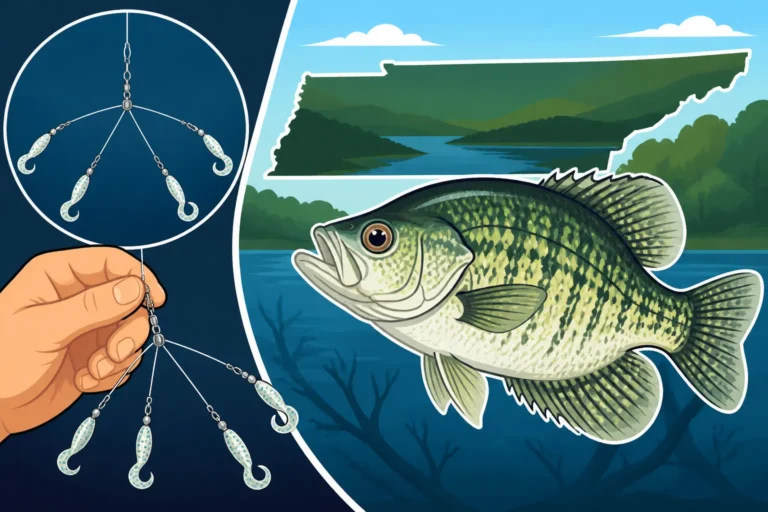
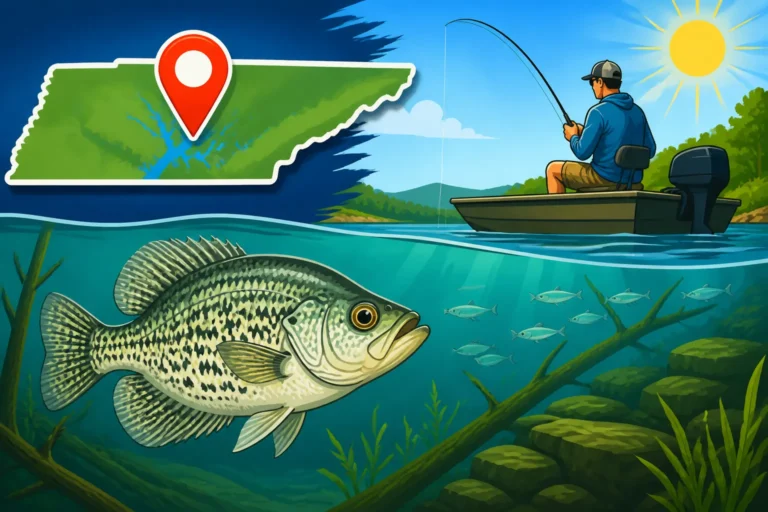
Chickamauga Lake isn't just another body of water in Tennessee; it's a bona fide bass factory, famous for producing some of the largest largemouth bass in the country. Anglers from all over flock to its waters with dreams of catching a double-digit monster. The lake's reputation for trophy bass isn't accidental; it's a perfect storm of abundant forage, diverse habitat, and excellent management by the Tennessee Wildlife Resources Agency (TWRA).
This reservoir, fed by the Tennessee River, boasts expansive flats, deep river channels, submerged timber, and acres of hydrilla and milfoil, creating an ideal environment for bass to thrive and grow to incredible sizes. The sheer variety of structure means bass can find comfortable conditions and plentiful food sources year-round, leading to a robust and healthy population, including those coveted trophy-class fish. It’s no wonder many consider it one of the Best Fishing Lakes in Tennessee.
Why Chickamauga Produces Giants
The secret sauce for Chickamauga's trophy potential lies in a few critical ingredients. First, the incredible fertility of the lake, driven by the Tennessee River system, provides a rich food chain. This means an abundance of baitfish like shad, bluegill, and various panfish, which are crucial for bass growth. Second, the sheer amount of cover—especially the aquatic vegetation like hydrilla—offers bass excellent ambush points and protection, allowing them to conserve energy and grow large undisturbed.
Furthermore, the lake's diverse topography, with its deep main river channel, ledges, humps, and submerged timber, gives these fish endless options for holding areas, whether they're shallow for a quick bite or deep to escape the heat. This combination of rich forage, dense cover, and varied structure creates a perfect ecosystem where bass don't just survive; they truly thrive and pack on serious pounds, making the pursuit of Chickamauga Lake, Tennessee's Top Spot for Record Largemouth Bass a very real possibility.
Understanding Bass Behavior Year-Round
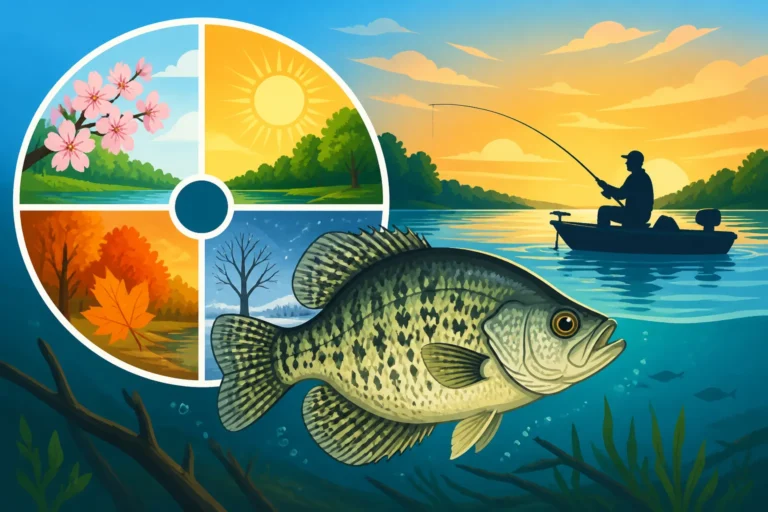
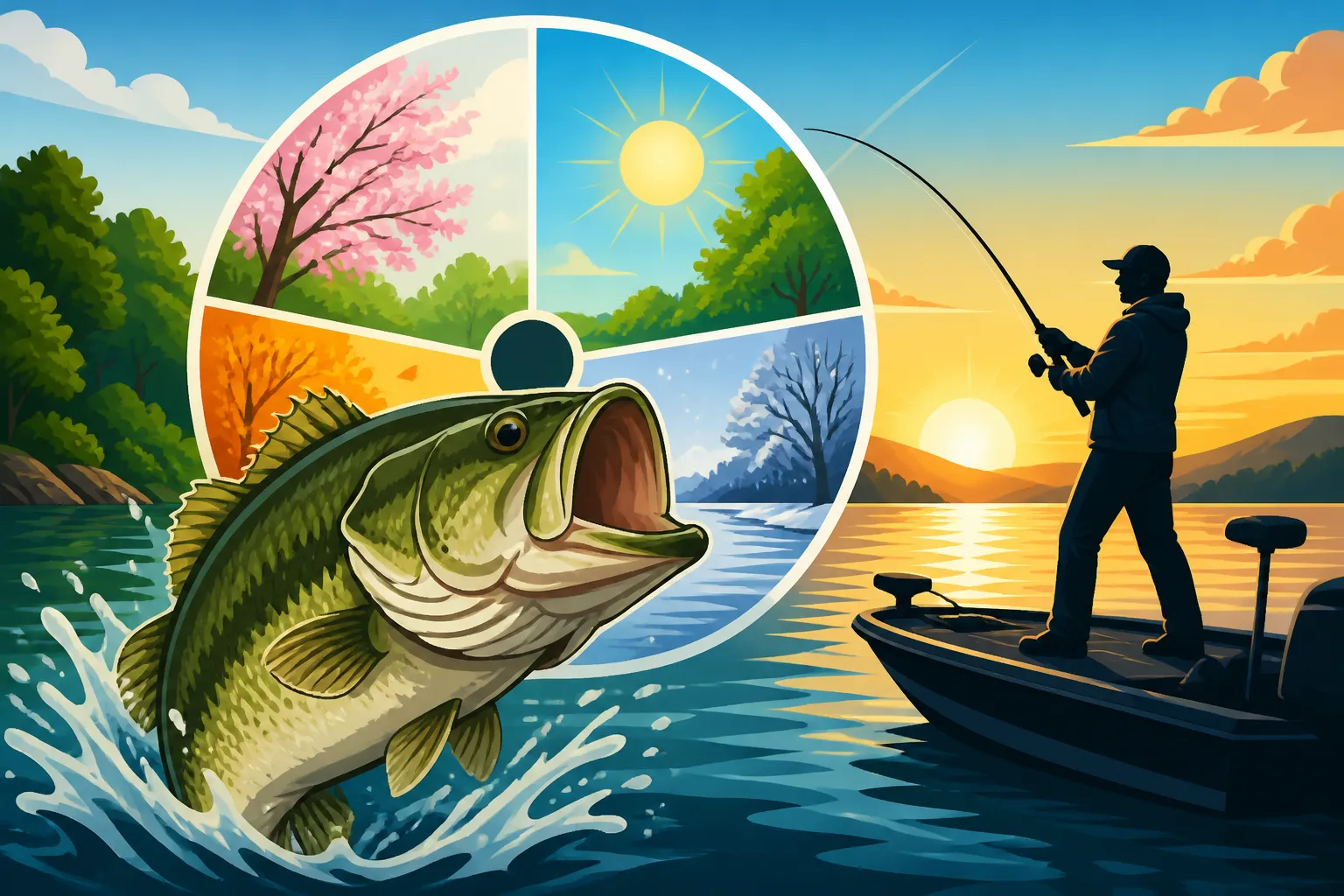
To consistently catch trophy bass on Chickamauga, you need to think like a bass. Their behavior is largely dictated by water temperature, light penetration, and the availability of food, all of which change dramatically throughout the year. Knowing how these factors influence their movements, feeding patterns, and preferred habitats is the key to unlocking the lake's potential.
For example, bass will be shallow during the warmer months, especially around vegetation, while in colder periods, they'll often retreat to deeper, more stable water. Spawning cycles, which are primarily driven by water temperature, also create distinct patterns that can either make or break a trophy hunt. Understanding these Tennessee Bass Fishing Seasons and Patterns is paramount, transforming a random fishing trip into a strategic quest for giants.
Spring: The Peak Window for Monster Largemouth
When the air starts to warm and the days get longer, a collective buzz ripples through the angling community in Tennessee. Spring is unequivocally the prime season for trophy bass on Chickamauga Lake, often referred to as the "Big Bass Season." This is when the water temperatures begin their steady climb, triggering the biological imperatives that lead bass to move shallow, feed aggressively, and prepare for the spawn. If you're serious about a giant, this is your golden window.
Pre-Spawn Excitement and Strategy
As water temperatures creep into the upper 40s and low 50s, usually from late February through March, bass begin their migration from deeper winter haunts towards shallower staging areas. This is the pre-spawn phase, and it’s a period of intense feeding as female bass gorge themselves to develop eggs. They are hungry and aggressive, making them highly susceptible to a well-presented bait.
You'll find these fish congregating on points, humps, and secondary ledges leading into spawning coves and shallow flats. They're looking for structure and cover as they stage, so areas with submerged timber, rock piles, or early sprouting hydrilla can be absolute goldmines. Big crankbaits, lipless crankbaits, jerkbaits, and spinnerbaits are incredibly effective during this period, imitating the baitfish that the bass are actively chasing. This is a critical time for understanding Pre-Spawn and Post-Spawn Bass Fishing Patterns. Many anglers find great success with larger profile baits they purchase from retailers like Amazon, ensuring they have a good selection of colors and diving depths.
Spawn Season Tactics
When water temperatures reach the mid-60s, typically from April into early May on Chickamauga, the bass move onto their beds for the spawn. This is a fascinating, yet sometimes challenging, period for trophy hunters. While bass are shallow and visible, they become highly territorial and protective of their nests rather than actively feeding. Males guard the beds, and females move in and out to lay eggs.
Targeting these fish requires a different approach. Sight fishing can be highly effective in clear pockets of water, where you can literally see the bass on their beds. Soft plastics like jigs, creature baits, and senkos, carefully presented right into the nest, can provoke a strike from a protective bass. Remember that while sight fishing is thrilling, it's essential to practice ethical angling, quickly releasing fish to ensure they can complete their spawning duties. Keep in mind Tennessee's statewide bass limits for both largemouth and smallmouth; for largemouth bass, the limit is 5 fish per day, and only one of those may be over 18 inches, as detailed in Tennessee's Largemouth Bass Limit Is 5 Per Day, Only 1 Over 18 Inches.
Post-Spawn Recovery and Feeding Frenzy
After the grueling process of spawning, bass enter the post-spawn phase, usually from late May through early June. Females are exhausted and often retreat to slightly deeper, cooler water to recover. However, after a few days of rest, they become incredibly hungry again, needing to replenish their energy stores. This can be another fantastic time for trophy bass, though they might be spread out more than in pre-spawn.
Look for bass around deeper points, submerged humps, and the edges of expansive hydrilla beds where they can ambush baitfish. Topwater lures can be explosive during low-light conditions, as bass are willing to expend energy chasing easy meals near the surface. Jerkbaits, swimbaits, and shaky heads fished along transitions and cover can also be highly productive. This phase emphasizes the importance of understanding Best Lures for Post-Spawn Bass Fishing to match the fish's recovering, yet still aggressive, feeding behavior.
Summer's Deep Dive for Giant Bass
As the scorching Tennessee summer sun beats down, bringing water temperatures into the 80s, the shallow bite that dominated spring often wanes. Many anglers get frustrated, thinking the big fish have disappeared. But trophy bass haven't vanished; they've simply adapted, moving to deeper, more stable water where conditions are more comfortable and oxygen levels are better. This means you need to adapt your strategy too, shifting your focus to the lake's offshore structure and deeper cover.
Dealing With High Water Temperatures
High water temperatures drastically affect bass behavior and their metabolism. When the water gets too warm, bass become less active and seek out cooler refuges. This often means moving to deeper areas, especially those with good oxygen content and access to schools of baitfish. They're less likely to chase a bait over long distances, so presentations need to be slower, more precise, and directly in their strike zone.
Understanding How Water Temperature Affects Fish Activity is crucial here. Bass will often suspend in thermoclines if available, or relate directly to the bottom in areas with current or cooler water upwellings. Fishing early in the morning or late in the evening can sometimes provide a brief window for a shallow bite before the sun drives them deep.
Targeting Offshore Structure
The heart of summer trophy bass fishing on Chickamauga lies in its offshore structure. This includes river channel ledges, deep humps, main lake points, and deep brush piles. Bass will school up in these areas, often relating to specific irregularities on the bottom, such as a rock pile on a flat or a subtle depth change along a long tapering point. This is where your electronics become your best friend, allowing you to locate these deeper schools of fish.
Techniques like deep cranking, football jigs, large Texas-rigged worms, and drop shots are incredibly effective. You need to present your bait right on top of these fish. A good fish finder can help you identify baitfish schools and isolated pieces of cover, providing the confidence to spend time in these deeper zones. Anglers often find that investing in quality deep-diving crankbaits and heavy-duty jigs from online retailers like Amazon can significantly improve their success rate when targeting Where Do Bass Go in Extreme Summer Heat.
Fall's Productive Transition for Big Fish
After the intensity of summer, fall brings a welcome change to Chickamauga Lake. As water temperatures begin to cool, the bass transition from their deep summer haunts back towards shallower water, often following the migrating baitfish. This can be one of the most exciting and consistent times to catch trophy bass, as fish are aggressively feeding, preparing for the lean winter months ahead.
The Fall Turnover and Baitfish Migration
The first sign of fall's fishing potential is often the lake turnover, where cooler surface water mixes with warmer, deeper water. This can temporarily scatter fish, but once the lake stabilizes, it kickstarts a major feeding spree. Baitfish like shad begin to school up and move into creeks and shallower flats, and the bass are right on their tails. This predator-prey dynamic creates incredible opportunities for anglers.
You'll find bass relating to creek channels, the backs of major pockets, and shoreline cover. They're actively chasing schools of shad, and you can often spot these feeding frenzies on the surface. Understanding How to Catch Bass in Fall involves recognizing these patterns and being prepared with a variety of baits that mimic shad.
Covering Water and Feeding Patterns
Fall fishing on Chickamauga often involves covering a lot of water to find these actively feeding schools of bass. Spinnerbaits, chatterbaits, swimbaits, and topwater lures can be deadly, especially in areas where baitfish are abundant. Don't be afraid to throw large buzzbaits or walking baits over submerged grass or along seawalls. The bass are looking for substantial meals, so don't shy away from larger profile baits.
As the fall progresses and water temperatures continue to drop, the bass might move slightly deeper again, but they'll still be actively feeding. Target points, bluff walls, and deep-water grass lines. Jigging spoons and blade baits can be excellent when fish are congregated vertically. The key is to stay versatile and observant, paying attention to where the baitfish are concentrated, as that's where the trophy bass will be.
Winter: The Patient Angler's Reward
Winter bass fishing on Chickamauga Lake isn't for the faint of heart, but it can be incredibly rewarding for those who brave the cold. While the bite slows considerably, the fish you do catch are often some of the biggest and healthiest of the year. Trophy bass need to eat even in cold water, and with fewer anglers on the lake, you might have the advantage of less pressure.
Slow and Deep Strategies
During winter, water temperatures drop into the 40s and even lower, slowing down the metabolism of cold-blooded bass. They become sluggish, moving slowly and holding tight to cover or deep structure. Their feeding windows are short, and their strikes are often subtle. This means your presentation needs to be agonizingly slow and precise.
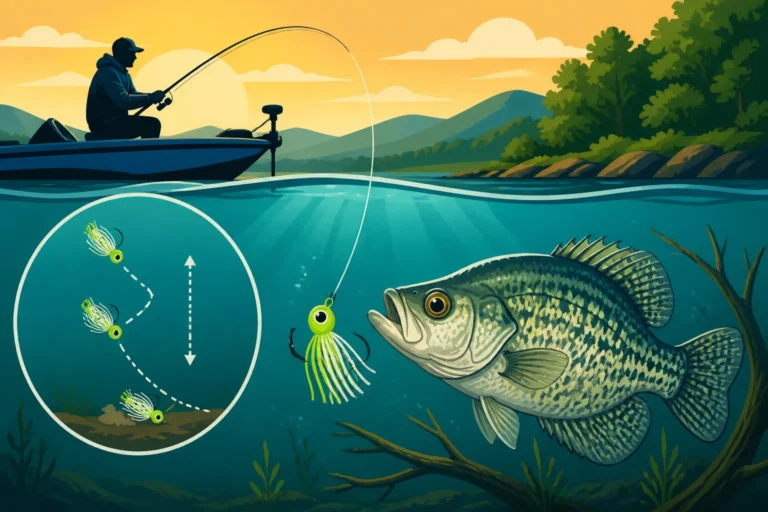
Focus on the deepest parts of the lake—the main river channel, deep creek channels, and bluff walls. Bass will often suspend in deep water, or hold on isolated humps and ledges. Vertically jigging spoons, slow-rolling football jigs, and using very slow presentations of shaky heads or drop shots are your best bets. Think finesse, think patience, and remember that sometimes the lightest tap is all you'll feel. This is a prime time to employ specific Winter Bass Fishing Techniques.
Finding Warmer Water Pockets
Even in winter, bass will seek out the warmest water they can find, which can be a difference of just a few degrees, but it's enough to concentrate fish. This might include areas with warmer incoming water (like from power plant discharges, though Chickamauga doesn't have a major one influencing the main lake significantly in this way, current is key) or north-facing banks that get more direct sunlight throughout the day. Areas with dark rock or mud bottoms can also absorb and retain heat slightly better.
Current breaks in the main river channel, especially around submerged structures like bridge pilings or major ledges, can also be productive. These spots offer both cover and a steady supply of oxygenated water. Your electronics are invaluable for identifying these subtle temperature changes and locating isolated cover that might hold a monster. Having a sturdy rod for deeper presentations, like those you can find on Amazon, will be a big help when battling a big fish in cold water.
| Season | Typical Water Temp | Primary Locations | Key Techniques | Lure Examples |
|---|---|---|---|---|
| Spring | 50-70°F | Shallow flats, spawning coves, points, ledges | Crankbaits, Jigs, Soft Plastics, Topwater | Lipless Crankbaits, Chatterbaits, Jigs, Senkos |
| Summer | 75-85°F | Deep ledges, humps, main channel, offshore brush piles | Deep Cranking, Jigging, Drop Shot, Heavy Texas Rigs | Deep Diving Crankbaits, Football Jigs, Large Worms |
| Fall | 60-75°F | Creek channels, shallow flats, coves, bluff walls | Spinnerbaits, Topwater, Jerkbaits, Swimbaits | Spinnerbaits, Buzzbaits, Flukes, Squarebills |
| Winter | 40-50°F | Deep channels, bluff walls, isolated humps, current breaks | Slow Jigging, Finesse, Vertical Presentations | Jigging Spoons, Football Jigs, Shaky Heads, Drop Shots |
Essential Gear and Planning for Trophy Bass on Chickamauga
Successfully targeting trophy bass on Chickamauga Lake, regardless of the season, requires more than just knowing where the fish might be; it demands the right equipment and a strategic approach to your entire fishing trip. Having reliable gear can make the difference between landing that lunker and watching it swim away.
Choosing the Right Rods and Reels
For battling the large bass Chickamauga is known for, you'll want to be well-equipped. Medium-heavy to heavy action rods are generally preferred, especially when fishing around dense cover like hydrilla or submerged timber. A rod with good backbone will allow you to drive a hook through a bass's bony mouth and pull it out of heavy vegetation. Consider a rod in the 7-foot to 7-foot 6-inch range for versatility.
Pair these rods with robust baitcasting reels that have a strong drag system and a decent gear ratio. A high-speed reel (7.1:1 or higher) is excellent for quickly taking up slack and for techniques like burning a lipless crankbait, while a medium-speed reel (6.4:1) can be better for deep cranking or jigging, giving you more power. For some finesse techniques, a spinning setup might be preferred. Investing in quality gear, such as durable rods specifically designed for heavy cover, available on platforms like Amazon, is a smart move for any serious angler targeting Best Rods for Largemouth Bass.
The Importance of Electronics and Maps
Modern marine electronics are indispensable for trophy bass fishing on Chickamauga, particularly when fish move offshore in summer or deep in winter. A high-quality fish finder with side-imaging and down-imaging capabilities can literally show you submerged structure, brush piles, ledges, and even individual fish. This technology allows you to pinpoint schools of bass and baitfish, saving you countless hours of unproductive casting.
GPS functionality is equally crucial for marking waypoints of productive spots, channel swings, and brush piles that you find. Combining detailed electronic lake maps with real-time sonar data gives you a comprehensive understanding of the underwater landscape. Don't underestimate the power of these tools; they transform guesswork into precision, providing you with a significant advantage. Learning how to effectively use your Best Fish Finders for Tennessee Reservoir Fishing will unlock new levels of success.
Licensing and Regulations
Before you even think about casting a line, ensure you have the proper Tennessee fishing license. Regulations can change, so it's always wise to check the current TWRA guidelines. Whether you're a resident or a non-resident, daily limits and size restrictions apply to all species, including largemouth bass. These rules are put in place to protect the fishery and ensure its sustainability for future generations of anglers. You can find comprehensive details on obtaining your permit in the Tennessee Fishing License Guide. Always carry proof of your license while fishing to avoid potential penalties.
Disclaimer
Fishing conditions and regulations can change rapidly. Always consult the latest Tennessee Wildlife Resources Agency (TWRA) regulations before heading out on the water. This guide provides general information and recommendations, but local conditions, weather, and specific TWRA advisories should always take precedence. Stay safe and practice responsible angling.