Tennessee Bluegill and Panfish Size Expectations
It's incredibly exciting to head out to a beautiful Tennessee lake or pond, drop a line, and feel that distinctive tug from a panfish! But for many anglers, especially those new to the sport or fishing with eager kids, a common question pops up: "What's a 'good size' for a bluegill or crappie around here? What should I actually expect to reel in?" It can be a little disheartening to hear tales of giant slabs only to catch a stringer of tiny fingerlings. This guide is all about setting realistic expectations and helping you understand the typical, and indeed the impressive, size ranges for the delightful panfish species you'll encounter in Tennessee waters.
Understanding Panfish in Tennessee: More Than Just Bluegill
When most folks talk about "panfish," the image of a chunky bluegill often comes to mind. And for good reason! Bluegill are arguably the quintessential panfish. But here in Tennessee, our waters hold a rich diversity of species that perfectly fit that description – small to medium-sized fish that are delicious and abundant, making them fantastic targets for anglers of all skill levels. Understanding this broader category will give you a better sense of what could be at the end of your line.
What Exactly Are "Panfish"?
The term "panfish" is a wonderfully descriptive, albeit unofficial, designation for various freshwater fish that are generally small enough to fit whole in a frying pan. Beyond their culinary convenience, panfish are beloved by anglers because they are often abundant, relatively easy to catch, and provide consistent action, especially for beginners or children. They're often the species that sparks a lifelong love affair with fishing.
In Tennessee, the panfish category includes more than just bluegill. It encompasses crappie (both black and white), redear sunfish (often called shellcrackers), green sunfish, longear sunfish, and even some smaller species of perch. What unites them is their habitat preference for structure, their often aggressive biting behavior, and their delightful flavor on the dinner table. They are a staple of freshwater fishing across the state, from small farm ponds to massive reservoirs.
The Diverse World of Tennessee Sunfish
While crappie get their own special attention, the sunfish family, known scientifically as Centrarchidae, truly dominates the panfish landscape in Tennessee. This family includes bluegill, redear sunfish, green sunfish, and longear sunfish, among others. Each has its own subtle characteristics and preferred habitats, which in turn influence their size potential.
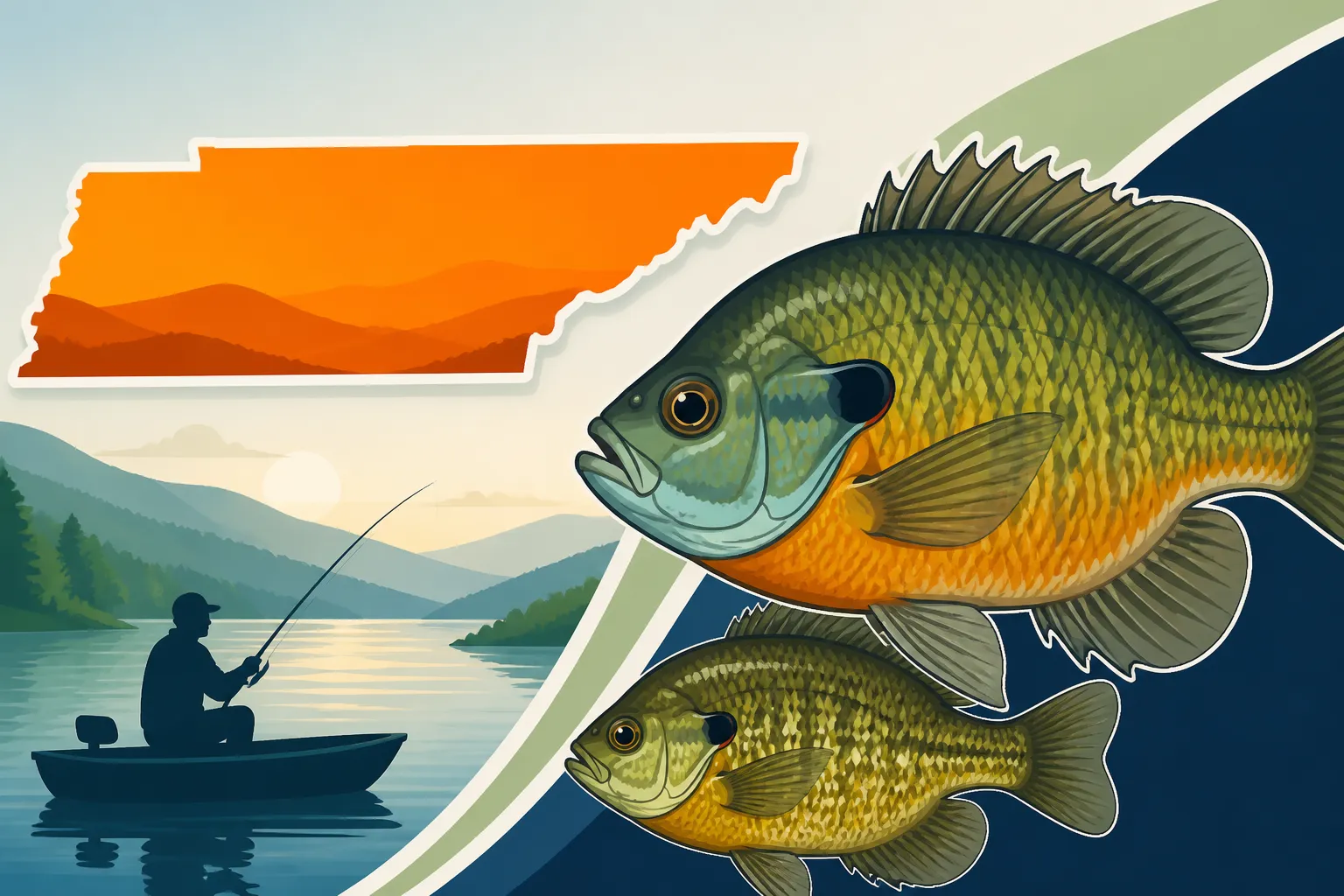
Bluegill are perhaps the most widespread and well-known. They're recognizable by their deep, compressed bodies, small mouths, and the dark spot on their gill flap. Redear sunfish, or "shellcrackers," are distinct for the red or orange margin on their gill flap and their diet of snails, which gives them strong crushing plates in their mouths. Green sunfish have larger mouths and often a more mottled green appearance, while longear sunfish are noted for their exceptionally long, sometimes ornate, gill flaps. While they all offer a fun fight, their average sizes can vary quite a bit, making it exciting to see which sunfish species you've hooked! You can learn more about some of these fish in our Panfish Guide: Crappie and Bluegill Basics.
Bluegill Size Expectations in Tennessee
Bluegill are the bread and butter of panfishing for so many of us in Tennessee. They’re found virtually everywhere, from tiny creeks to our biggest lakes, and they’re almost always willing to bite. But what constitutes a "good" bluegill, and what should you realistically expect to catch on an average outing? Let's dive into the typical sizes and what it takes to find those true trophies.
Average Bluegill Sizes You'll Encounter
Most of the bluegill you’ll reel in across Tennessee waters will fall into a very satisfying size range. For many anglers, a bluegill between 6 to 8 inches is considered a fantastic "keeper." These fish are chunky, full of fight for their size, and provide excellent fillets for a meal. You'll likely catch plenty of fish smaller than this, perhaps 3 to 5 inches, which are perfect for getting kids excited with constant action, but they often go back into the water to grow larger.
The average size is heavily influenced by the specific body of water you're fishing. A small, overpopulated pond might yield countless 3-5 inch bluegill, while a well-managed lake or reservoir with plenty of food and less pressure could consistently produce those desirable 6-8 inch fish. Factors like water quality, food availability, and even the genetics of the local population all play a role in what's considered "average."
Trophy Bluegill: Reaching for the Giants
While 6-8 inch bluegill are great, there's a special thrill that comes with hooking a true "trophy" bluegill. In Tennessee, a bluegill pushing 9 inches or more, often weighing over a pound, definitely qualifies as a trophy. These are often referred to as "hand-sized" or "dinner plate" bluegill because of their impressive girth and length. Catching one of these takes a bit more deliberate effort and often requires targeting specific waters or using particular techniques.
Some of Tennessee's larger reservoirs, particularly those with abundant aquatic vegetation and a good forage base, can produce these giant bluegill. Lakes like Chickamauga or Watts Bar might not be famous for bluegill, but their rich ecosystems can grow some impressive specimens. Targeting these larger fish often involves using slightly larger baits, like a small minnow or a bigger cricket, and focusing on deeper weed lines or brush piles. It's a challenging but incredibly rewarding pursuit for the dedicated panfish angler. If you're looking to introduce younger anglers to the joy of fishing, we have some great tips in Bluegill Fishing Tips for Kids in Tennessee.
Crappie Size Expectations in Tennessee
Crappie are another beloved panfish species in Tennessee, offering a different kind of challenge and reward. Known for their delicate white flesh and tendency to school up, crappie fishing is a highly popular pursuit, especially in spring and fall. But just like bluegill, understanding what to expect in terms of size can make your crappie fishing trips more enjoyable.
Black Crappie vs. White Crappie and Their Sizes
Tennessee waters are home to two main species of crappie: Black Crappie and White Crappie. While they look similar at first glance, there are subtle differences. Black crappie tend to have seven or eight dorsal spines and an irregular, mottled pattern on their sides. White crappie usually have six dorsal spines and more distinct vertical bars. Both species are excellent eating, but their preferred habitats can differ slightly, with black crappie often preferring clearer water and more vegetation, and white crappie tolerating murkier conditions.
In terms of size, both species can grow quite large. On average, most crappie you'll catch will be in the 8-10 inch range. These are solid fish, providing good fillets. Many anglers happily fill their coolers with crappie of this size. Their growth is highly dependent on food availability and water temperatures, meaning some years might see better average sizes than others. To get an idea of what TWRA stocks, you might want to read Black Crappie: A TWRA-Stocked Tennessee Favorite.
What Makes a "Slab" Crappie in Tennessee?
When crappie anglers talk about "slabs," their eyes often light up. A "slab" crappie in Tennessee is generally considered to be a fish measuring 12 inches or more, often weighing 1.5 pounds or more. These are substantial fish that put up a serious fight and yield impressive fillets. Landing a limit of slabs is the dream of many crappie enthusiasts.
Certain Tennessee lakes are legendary for producing these trophy-sized crappie. Kentucky Lake, Reelfoot Lake, and Chickamauga Lake are often cited as prime destinations for anglers hoping to catch truly large crappie. These lakes offer vast expanses of water, abundant baitfish, and plenty of submerged structure where crappie can grow to impressive sizes. Targeting slabs often involves using electronic fish finders to locate schools in deeper water, vertical jigging, or spider rigging with multiple poles. Remember to always check local regulations, as crappie limits in Tennessee can sometimes include specific length restrictions, as explained in Crappie Limits Under Tennessee Fishing Rules.
Other Notable Panfish and Their Size Ranges
While bluegill and crappie often steal the panfish spotlight, Tennessee's diverse aquatic ecosystems host several other fantastic panfish species that are equally fun to catch and just as tasty. Knowing what to expect from these lesser-sung heroes can add another layer of excitement to your fishing adventures.
Redear Sunfish (Shellcrackers) and Their Impressive Size
Redear sunfish, affectionately known as "shellcrackers" due to their diet of snails and mussels, are truly impressive members of the sunfish family. They're typically larger and more robust than bluegill, making them a highly prized catch for panfish anglers. You can identify them by the distinctive red or orange flap on the edge of their gill cover (more pronounced in males).
In Tennessee, it's not uncommon to catch redear sunfish in the 8-10 inch range, and some truly monster shellcrackers can exceed 12 inches and weigh well over a pound. Their diet of hard-shelled invertebrates means they often have strong jaws and put up a surprisingly powerful fight for their size. Look for them in areas with hard bottoms, often near vegetation, where their preferred food sources thrive. Targeting them with small worms or even tiny jigs can lead to some truly memorable catches.
Green and Longear Sunfish Sizes
Green sunfish and longear sunfish are also abundant across Tennessee, though they generally don't reach the same trophy sizes as bluegill, redear, or crappie. Green sunfish are identifiable by their larger mouths, often greenish-yellow mottled bodies, and a small black spot on their dorsal fin. Longear sunfish are arguably the most colorful sunfish, with vibrant blues, oranges, and greens, and their namesake long, flexible opercular (gill) flap.
Typically, you'll find green and longear sunfish ranging from 4 to 7 inches. While they might not be as large as their cousins, what they lack in size, they more than make up for in eagerness and sheer beauty. These species are incredibly aggressive and can be caught almost anywhere there's water and some cover – ponds, slow-moving streams, and shallow lake margins. They are perfect targets for young anglers or anyone just looking for consistent bites and a colorful display. They're also quite tasty, though it takes more of them to make a meal!
Factors Influencing Panfish Size in Tennessee Waters
Ever wondered why the panfish in one pond seem so much bigger than those in another, even just a few miles away? It’s not just luck! A variety of environmental and management factors play a huge role in how large panfish grow in Tennessee waters. Understanding these can help you choose better fishing spots and appreciate the complexity of aquatic ecosystems.
Habitat, Food Availability, and Water Quality
Just like any other creature, panfish need a healthy environment to thrive and reach their full potential. Rich, diverse habitats that provide ample cover—like submerged timber, aquatic vegetation, rock piles, or docks—offer protection from predators and places to ambush prey. These areas also support the invertebrate populations that many panfish feed on. Lakes and ponds with extensive and varied structure tend to produce larger fish.
Food availability is paramount. Waters with abundant insect larvae, small crustaceans, snails, and even tiny baitfish will allow panfish to grow much faster and larger. If a body of water is overpopulated, fish might be stunted due to competition for limited food. Finally, water quality, including factors like dissolved oxygen levels, temperature, and clarity, directly impacts a fish's metabolism, health, and ability to grow. Clean, well-oxygenated water in the optimal temperature range for the species will support healthier, larger fish populations.
Fishing Pressure, Stocking, and Regulations
Human activity also plays a significant role. Fishing pressure refers to how many anglers are targeting a specific body of water and how many fish are harvested. If a lake is heavily fished and too many large panfish are kept, the average size of the remaining population can decrease over time. Conversely, selective harvest, where smaller fish are kept and larger, breeding-size fish are released, can help a population produce more trophy-sized individuals.
The Tennessee Wildlife Resources Agency (TWRA) actively manages many of our fisheries through stocking programs. For instance, they might stock black crappie to boost populations or introduce new genetic strains to improve growth rates. These efforts directly influence the size expectations in various waters. Furthermore, regulations like daily creel limits (the maximum number of fish you can keep) and sometimes minimum or slot length limits are designed to protect and enhance fish populations, allowing them to grow larger and reproduce. It's crucial to be aware of these rules, which can vary by species and even by specific lake. For a comprehensive overview, check out Tennessee Fishing Regulations Explained.
Gear and Techniques for Targeting Different Sized Panfish
One of the great joys of panfishing is that you don't need a boatload of expensive, specialized gear to be successful. In fact, some of the most enjoyable panfishing experiences come from keeping it simple. However, a little knowledge about appropriate gear and techniques can significantly enhance your success, whether you're aiming for sheer numbers or those elusive trophy slabs.
Ultralight Gear for Maximum Fun
When it comes to panfish, ultralight spinning gear is almost universally recommended for maximizing the fun. A lightweight rod, typically 4.5 to 6 feet long with an ultralight action, paired with a small spinning reel spooled with 2 to 6-pound test monofilament or fluorocarbon line, is the perfect setup. This light tackle allows you to cast tiny lures and baits with ease, and it makes even a modest 7-inch bluegill feel like a heavyweight champion!
The sensitivity of ultralight gear is a huge advantage. You'll feel every subtle tap and nibble, which is crucial when fish are finicky. It also makes for a fantastic learning tool, as it teaches anglers to be gentle with their casts and precise with their presentations. Many reputable brands offer excellent ultralight combos that won't break the bank, and you can find a huge selection on platforms like Amazon, making it easy to get started without a massive investment.
Baits and Lures for Panfish of All Sizes
Panfish aren't usually picky eaters, which is another reason they're so popular. Live bait is almost always a sure bet. Worms (red wigglers or nightcrawlers), crickets, and small minnows are consistently effective. For bluegill and smaller sunfish, a small piece of worm or a single cricket under a tiny bobber is incredibly productive. For crappie, a live minnow hooked through the lip or back is often irresistible.
Artificial lures can be just as effective and offer a more active style of fishing. Tiny jigs, often 1/32 to 1/16 ounce, tipped with a small plastic grub or tube, are deadly for both crappie and larger sunfish. Small spinnerbaits, inline spinners, and even tiny crankbaits can also draw strikes. The key is to match the bait size to the general size of the panfish you're targeting and to what the local fish are feeding on. For example, using a slightly larger jig or minnow might help weed out the smaller crappie and attract those "slab" specimens. You can find a huge array of these baits and tackle box essentials on Amazon. For specific advice, our guide on Best Bait for Crappie Fishing might be helpful.
Conservation and Sustainable Panfishing in Tennessee
As anglers, we all share a responsibility to protect and preserve the natural resources that provide us with so much joy. Panfish, while abundant, are not limitless, and practicing good conservation habits ensures that future generations can experience the same excitement of reeling in a stringer of beautiful bluegill or crappie. Sustainable panfishing is about more than just following the rules; it's about being a thoughtful steward of our waters.
Practicing Catch and Release for Bigger Fish
While panfish are excellent table fare, selective harvesting and catch-and-release practices are crucial for maintaining healthy populations and growing larger fish. Consider releasing the biggest fish you catch, especially if they are particularly large for their species. These larger fish, often older and more experienced, are vital for successful reproduction and passing on genes for robust growth. Keeping a few medium-sized fish for dinner and releasing the giants can lead to a healthier, more trophy-laden fishery in the long run.
When you do practice catch and release, handle the fish carefully. Wet your hands before touching them, support their body, and use pliers to quickly remove hooks. If a fish is deeply hooked, it might be better to cut the line as close to the hook as possible rather than tearing its delicate internal organs. Minimizing stress and handling time gives the fish the best chance of survival.
Understanding and Respecting Creel Limits
The Tennessee Wildlife Resources Agency (TWRA) sets daily creel limits and sometimes size limits for different fish species for a reason. These regulations are scientifically determined to ensure that enough fish remain in the population to reproduce and sustain the fishery for years to come. Ignoring these limits, or purposefully circumventing them, can lead to overfishing, stunted populations, and a decline in the overall quality of fishing in a particular body of water.
It's every angler's responsibility to know the current regulations for the specific body of water they are fishing, as limits can vary not just by state, but by lake, river, or even certain sections of a waterbody. Always have a way to measure your fish and keep an accurate count of your catch. Adhering to these rules is not just about avoiding penalties; it's about contributing to the health and longevity of Tennessee's fantastic fishing opportunities. For a more detailed look at the statewide rules, check out Tennessee Fishing Rules Every Angler Should Know.
Panfish Size Expectations Comparison
To help you visualize the typical sizes of Tennessee's popular panfish, here's a quick comparison. Remember, these are general expectations, and individual fish can always surprise you!
| Species | Common Size Range (Inches) | "Keeper" Size (Inches) | "Trophy" Size (Inches / Weight) | Notes |
|---|---|---|---|---|
| Bluegill | 4-8 | 6-8 | 9+ inches / 1+ lb | Widespread, aggressive, great for beginners. |
| Black Crappie | 8-12 | 9-11 | 13+ inches / 1.5+ lb | Mottled, often in clearer water, popular for fillets. |
| White Crappie | 8-12 | 9-11 | 13+ inches / 1.5+ lb | Vertical bars, tolerant of murkier water, schools heavily. |
| Redear Sunfish | 7-10 | 8-10 | 11+ inches / 1+ lb | "Shellcrackers," robust, strong fighters, diet of snails. |
| Green Sunfish | 4-7 | 6-7 | 8+ inches / 0.5+ lb | Larger mouth, aggressive, very common in smaller waters. |
| Longear Sunfish | 3-6 | 5-6 | 7+ inches / 0.3+ lb | Smallest, but most colorful, active, and fun to catch. |
Disclaimer
This article is for general informational purposes only and does not constitute professional advice. Laws, prices and regulations vary by location and change over time. Consult a qualified professional for guidance on your specific situation.