Panfish Guide: Crappie and Bluegill Basics
There’s nothing quite like the tug on a light line, the anticipation, and the pure joy of pulling in a feisty panfish. Yet, many anglers, especially those new to Tennessee's abundant waters, often feel overwhelmed by where to start, what gear to use, or how to tell their crappie from their bluegill. This comprehensive guide is here to demystify panfishing in Tennessee, offering fundamental insights into targeting crappie and bluegill so you can spend less time guessing and more time reeling in those delicious catches.
Understanding Tennessee's Favorite Panfish: Crappie
Crappie are truly a jewel in Tennessee’s fishing crown. They’re sought after by anglers of all ages for their delicious white meat and their sometimes challenging, sometimes aggressive bite. If you've spent any time on our lakes, you've probably heard someone talking about "slabs" – that's the nickname for those really big crappie we all dream about!
Black Crappie: Identification and Behavior
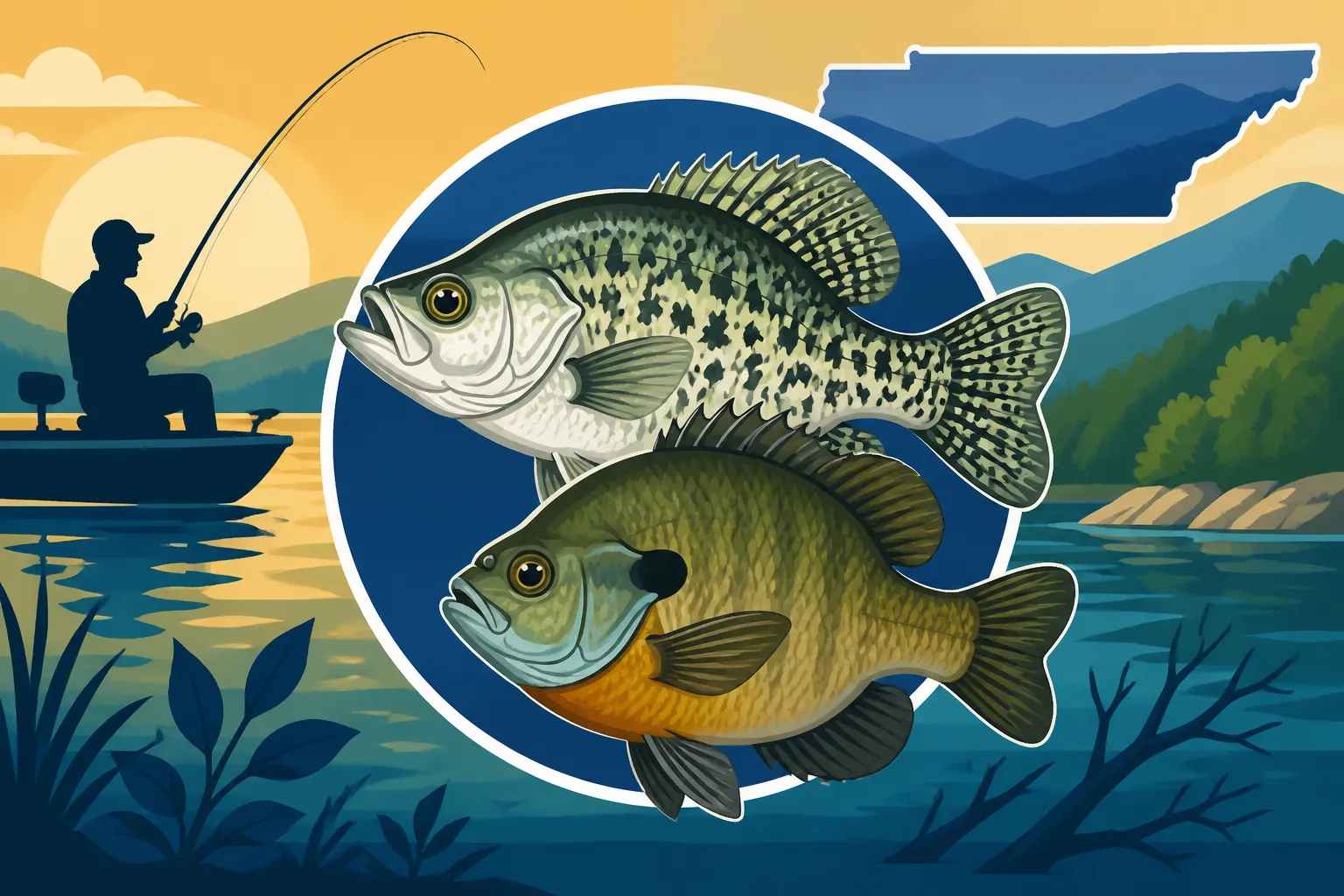
In Tennessee, when we talk about crappie, we're usually referring to the black crappie. While white crappie are present in some waters, black crappie are far more common and widely distributed across our reservoirs and rivers. Identifying a black crappie is fairly straightforward once you know what to look for. They typically have an overall silvery body with irregular, scattered black spots and blotches, giving them a speckled appearance. Unlike their white crappie cousins, black crappie usually have seven or eight dorsal spines (the hard rays in the fin on their back). Their body shape is generally deeper and more compressed laterally, almost like a dinner plate.
Behaviorally, black crappie are structure-oriented fish. They absolutely love cover, whether it's submerged brush piles, fallen trees, dock pilings, old roadbeds, or even standing timber. They’re ambush predators, using this cover to hide and dart out at unsuspecting baitfish or insects. This schooling behavior means that where you find one crappie, you often find a whole lot more, which is fantastic news for anglers. They tend to be more active in slightly clearer water compared to white crappie, though they can adapt to a range of turbidity levels. Understanding these nuances is key to consistent success. If you're looking for more details on these particular fish, check out Black Crappie Stocking by TWRA in Tennessee.
Crappie Habitat Preferences and Feeding Habits
Crappie are really interesting fish when it comes to where they like to hang out. During different times of the year, their preferred habitats can shift dramatically, largely influenced by water temperature and the availability of food. In spring, as waters warm, you'll find them moving into shallower areas to spawn, often congregating around submerged vegetation, brush, or fallen trees in coves and pockets. Think about those sunny, protected spots where the water warms up quickly. As summer heats up, crappie tend to retreat to deeper, cooler waters, often suspending over ledges, creek channels, or around deep timber. They might come shallower during dawn or dusk to feed, but during the bright midday sun, they'll be down deep. In the fall, they start to move shallower again, following baitfish that are also moving into accessible areas before winter sets in.
Their diet primarily consists of small baitfish like shad and minnows, as well as insects and their larvae. This is why small jigs, minnows, and tiny crankbaits are so effective. They have a fairly delicate bite, often described as a "thump" or a slight pressure on your line, which means you need to pay close attention. It's not always a violent strike like a bass, so being sensitive to your line and rod tip is crucial. When you locate a good brush pile or a submerged tree, gently present your bait to the edges or just above the cover. They’re not usually found swimming in open water for long periods; they're always looking for that next piece of structure.
Crappie Fishing Season in Tennessee Lakes
The "best" time to fish for crappie in Tennessee is a bit subjective, as they can be caught year-round, but certain seasons offer peak opportunities. Without a doubt, spring is prime time, especially during the pre-spawn and spawn. This is when crappie move into those shallower, more accessible areas, making them easier to target from the bank or a boat. The water temperature dictates their activity, usually starting when temperatures reach the high 50s to low 60s Fahrenheit. You can learn more about this by reading Crappie Fishing Season in Tennessee Lakes.
Summer can be tougher due to crappie retreating to deeper, more scattered locations, but savvy anglers use electronics to find those deep brush piles and suspended schools. Early mornings and late evenings are often the most productive in the summer heat. Fall is another fantastic season, as cooling waters re-energize the crappie, and they become more aggressive feeders, fattening up for winter. They'll often be found in medium depths, following schools of baitfish. Winter fishing, while sometimes slow, can yield some of the biggest "slab" crappie, as they congregate in deep holes and channels, offering a chance for a large haul if you can pinpoint their location and entice them with a slow, vertical presentation. Each season brings its own challenges and rewards for the dedicated crappie angler.
Getting to Know Tennessee's Abundant Bluegill
If crappie are the sought-after delicacy, then bluegill are the ever-present, feisty, and incredibly fun workhorse of Tennessee's panfish scene. They're often the first fish a child catches, sparking a lifelong love for angling, but don't let their ubiquity fool you—catching a stringer full of big bluegill can be an absolute blast for any angler.
Bluegill Identification and Characteristics
Bluegill are among the most recognizable fish in Tennessee waters. Their name pretty much gives away their most distinguishing feature: a dark blue or purplish "ear flap" (the opercular flap) that's usually bordered in red or orange on the male, particularly during spawning. Their bodies are typically deep and compressed, sporting an olive-green to bluish-gray color on their back, fading to lighter sides, sometimes with faint vertical bars, and a yellowish or orange belly. They have a small mouth, which is a key indicator when selecting baits and hooks. Their dorsal fin is continuous, not split like some other sunfish, and their pectoral fins are long and pointed.
They might not grow as large as a crappie, but a big bluegill, often called a "hand-sized" or "dinner plate" bluegill, puts up a surprising fight on light tackle. Their robust, disc-like bodies are perfectly designed for short bursts of power and quick turns. You'll find them in almost every pond, lake, and slow-moving river throughout the state, making them incredibly accessible for anglers of all skill levels. If you're bringing kids along, there's no better fish to introduce them to. For tips on fishing with young ones, check out Bluegill Fishing for Beginners in Tennessee.
Bluegill Habitat and Schooling Behavior
Bluegill are true champions of diverse habitats. They're incredibly adaptable and can thrive in a wide range of aquatic environments, from small farm ponds and creeks to vast reservoirs like Kentucky Lake or Percy Priest. What they really love, though, is cover and submerged vegetation. Think about weed beds, lily pads, submerged timber, docks, fallen trees, and even rocky shorelines. They use this cover for protection from larger predators and as prime feeding grounds where insects and small invertebrates lurk. You'll often find them cruising the edges of these structures.
Like crappie, bluegill are schooling fish, but their schools tend to be larger and more concentrated. Once you find a school, you can often catch them one after another, leading to a very exciting and productive fishing session. During the warmer months, especially in spring and early summer, they move into shallow, sandy or gravelly areas to create nests for spawning. These "beds" are circular depressions in the bottom, and you'll see males guarding them aggressively. Finding a bluegill bedding area is like hitting the jackpot – the action can be non-stop!
Bluegill Fishing Techniques for Kids
Teaching a child to fish is one of the greatest gifts you can give, and bluegill are the perfect species for this role. Their abundance and eagerness to bite mean kids usually have quick success, keeping them engaged and excited. The classic technique for kids is often the simplest: a small hook (size 8 or 10 is usually good), a split shot weight a few inches above the hook, and a small bobber set to keep the bait just off the bottom. Worms are absolutely irresistible to bluegill, whether it's a piece of a nightcrawler, a red worm, or even a small grub. Crickets are another excellent choice, and many bait shops carry them specifically for panfishing.
When fishing with kids, keep it low-stress. Focus on the experience, not just the catch. Find a calm bank fishing spot, perhaps at a local state park pond or a quiet cove on a larger lake. State parks like those around Family-Friendly Fishing at Percy Priest Lake, Tennessee often have great bluegill fishing opportunities and easy access. Show them how to gently cast, watch the bobber for that tell-tale dip, and set the hook with a gentle upward sweep. Celebrate every bite, even if it's just a nibble, and help them handle their catch respectfully. The goal is to build positive memories and a connection to nature.
Where to Find Crappie and Bluegill in Tennessee Waters
Knowing your target species is one thing; knowing where to actually put your bait is another! Tennessee boasts an incredible array of lakes, rivers, and ponds, and each offers unique opportunities for panfish. Understanding the common structures and seasonal movements is your ticket to consistent success.
Common Structures for Crappie
Crappie are true structure magnets, and identifying these holding spots is paramount. In our large reservoirs like Chickamauga Lake, Watts Bar Lake, or Kentucky Lake, crappie will often relate to deep creek channels, submerged timber, and brush piles that anglers have strategically placed. Look for old roadbeds, bridge pilings, and stump fields, especially where these features meet a significant depth change. During the spring spawn, they will move into the shallower ends of coves, seeking out woody debris, laydowns, and submerged grass. Think about any feature that offers shade and protection.
A good fish finder can be an invaluable tool for locating these submerged structures and even spotting schools of crappie suspended around them. Sometimes, the best crappie spots aren't visible above the water, requiring a bit of detective work with your electronics. Don't be afraid to slowly cruise likely areas, marking potential hotspots on your GPS. Remember, crappie often suspend above the structure, not necessarily nestled deep within it, making a careful presentation essential.
Prime Locations for Bluegill
Bluegill, being a bit less finicky about depth than crappie, are often found in shallower, more easily accessible areas. For bank anglers, this is fantastic news! Look for areas with abundant aquatic vegetation, such as lily pads, cattails, or submerged grass beds. These provide both food and protection. Docks, piers, and boat ramps are also classic bluegill magnets, as they offer shade and attract insects. Small ponds and slow-moving sections of rivers are often teeming with bluegill, especially if they have plenty of shoreline cover.
If you're out in a boat, target weed lines, the edges of submerged brush, and any shallow pockets with woody debris. In spring and early summer, seek out those spawning beds in sandy or gravelly bottom areas in shallow coves. You'll often see them as light-colored circular depressions. Cast your bait nearby, and you're almost guaranteed action. Bluegill are often found close to shore, making them an excellent target for How to Fish From the Bank for Beginners or for casual outings with the family.
Seasonal Movements of Panfish
Both crappie and bluegill exhibit predictable seasonal movements driven largely by water temperature, spawning cycles, and food availability. In spring, as mentioned, both species move shallow. Crappie will be in coves and on flats, especially around brush, while bluegill will be setting up their spawning beds in similar, but often shallower, sandy or gravelly spots. This is arguably the easiest time to find and catch both.
During summer, the heat pushes both species deeper. Crappie will suspend over deeper structure or along creek channels. Bluegill might also go a bit deeper but will still be found relating to cover like deep docks or thick weed beds in slightly cooler water. Early mornings and late evenings offer the best chances in shallow water. In fall, as water temperatures drop, both species become more active again, feeding heavily. Crappie will often be found at mid-depths, following baitfish, while bluegill will still be around cover, but perhaps a bit more spread out as their spawning activity subsides. Winter can be challenging, but crappie will school tightly in deep holes and channels, and bluegill can be found in similar deep, stable areas, though their activity will be greatly reduced. Adapting your location and presentation to these seasonal shifts is crucial for year-round panfish success.
Essential Gear and Tackle for Panfishing Success
One of the great things about panfishing is that you don't need a huge, expensive boat or a tackle box full of complicated gadgets. Simple, light tackle is often the most effective and, frankly, the most fun!
Rods, Reels, and Line for Panfish
For crappie and bluegill, lighter is definitely better. You want to feel those subtle bites and enjoy the fight of even a small fish.
- Rods: A light to ultralight action spinning rod, typically in the 5 to 7-foot range, is ideal. A fast action tip will help you detect those gentle takes, while enough backbone in the rest of the rod will let you cast small lures and handle a decent-sized crappie. Shorter rods are great for tight spots, while longer rods offer better casting distance and leverage. For specific recommendations, consider a rod like the Ugly Stik Elite series, which offers sensitivity and durability, readily available on Amazon.
- Reels: A small spinning reel (size 1000 or 2000) that balances well with your chosen rod is perfect. It should have a smooth drag system, which is important when dealing with delicate lines and feisty fish.
- Line: Monofilament line in the 4 to 6-pound test range is a classic choice for panfish. It's affordable, has good knot strength, and a bit of stretch that can be forgiving with aggressive strikes. Some anglers prefer braided line (6-10 pound test equivalent) for its zero stretch and increased sensitivity, especially for deep-water jigging for crappie, but you'll want to add a fluorocarbon leader (4-6 lb) for invisibility. Fluorocarbon alone in 4-pound test is also an excellent, nearly invisible option. You can often find great deals on these line types on Amazon.
Essential Baits and Lures for Crappie
Crappie can be caught on a variety of baits and lures, but certain options stand out as perennial favorites:
- Live Minnows: These are arguably the most consistent crappie bait, especially when fished under a bobber or on a jig head. A small minnow (1-2 inches) is usually perfect. They provide natural action and scent that crappie can't resist.
- Jigs: Small jigs are incredibly effective. Think 1/32 to 1/16 ounce jig heads paired with soft plastic bodies like tube jigs, curly tail grubs, or small paddletail swimbaits. Colors can vary based on water clarity, but chartreuse, white, black, and natural shad patterns are often excellent choices. You can experiment with different jig colors and sizes.
- Small Crankbaits: For aggressive crappie, especially when trolling or casting to schools, tiny crankbaits that imitate baitfish can be very productive. Look for models that dive to the depth where the fish are holding.
- Trolling: Many successful crappie anglers in Tennessee employ trolling techniques, using multiple rods with jigs or minnows at different depths to cover water and locate schools. This is particularly effective on large reservoirs. For more on this technique, check out Best Tackle for Tennessee Crappie Fishing.
Go-To Baits and Rigs for Bluegill
Bluegill are rarely picky eaters, making them a fantastic target for almost any angler.
- Live Worms: Hands down, the most reliable bluegill bait. Redworms, pieces of nightcrawlers, or even garden worms are irresistible. Thread them onto a small hook (size 8-10) for the best presentation.
- Crickets: Another phenomenal live bait, especially during warmer months. Bluegill go crazy for crickets!
- Small Artificial Lures: Tiny jigs, often called "micro jigs" or "panfish jigs," tipped with a small plastic grub or even just a bare feather, can be very effective. Try 1/64 or 1/80 ounce jigs. Small spinners and tiny spoons also work well. For some ideas on artificials, look at the offerings on Amazon.
- Poppers and Flies: For fly anglers, bluegill are a dream! Small poppers, foam spiders, and wet flies (like a "Prince Nymph" or "Hare's Ear") can entice aggressive strikes, especially on calm evenings.
- Bobber Rig: The classic setup for bluegill is a simple bobber rig. Attach a small bobber (clip-on or slip bobber) to your line, a split shot weight a few inches above a small hook, and your chosen bait. Adjust the bobber depth to keep your bait at the level where the bluegill are feeding, usually within a few feet of the surface, especially around cover. This is a great, easy setup for How to Catch Bluegill for Beginners.
Effective Techniques for Catching Crappie and Bluegill
Having the right gear is only half the battle; knowing how to present your bait and work your lures is what truly makes the difference. Both crappie and bluegill respond to specific tactics, and mastering them will elevate your panfishing game.
Jigging and Trolling for Crappie
Crappie fishing often revolves around vertical presentations or covering water to find schools.
- Vertical Jigging: This technique is incredibly effective when you've located a brush pile, a submerged tree, or a school of crappie suspended at a specific depth. Drop a small jig (with or without a minnow) directly down to the fish. The key is to impart subtle action to the jig. Lift your rod tip a few inches, then let the jig fall slowly on a semi-slack line. Most bites occur on the fall, so pay close attention to your line and rod tip for any twitch or unusual movement. This technique is often used from a boat, either anchored or using a trolling motor to hold position. You can find detailed instructions on How to Jig for Crappie.
- Casting and Retrieving: When crappie are shallower, especially during the spawn, casting small jigs or tiny crankbaits to visible cover (docks, laydowns, lily pad edges) can be very productive. Use a slow, steady retrieve, occasionally pausing or twitching the lure to imitate a struggling baitfish.
- Trolling: This is a popular method on Tennessee's larger reservoirs. Anglers use multiple rods, deploying jigs or minnow rigs at varying depths behind the boat, often with a slow-moving trolling motor. This allows you to cover a lot of water, locate active schools, and present baits consistently. Spider rigging, where multiple long rods extend out from the boat, is a common trolling technique for crappie.
Bobber Fishing and Fly Fishing for Bluegill
Bluegill respond wonderfully to simple, accessible methods, making them perfect for all ages.
- Bobber Fishing: The tried-and-true method! A simple float allows you to present bait at a consistent depth, and the visual cue of the bobber dipping is exhilarating, especially for kids. Cast your bobber rig (with a worm or cricket) near cover—lily pads, docks, submerged brush, or weed lines. Wait for the bobber to dance, then disappear, and gently set the hook. This is a relaxed, effective way to fish and allows you to really enjoy the surroundings.
- Bottom Fishing: If bluegill aren't responding to a bobber, or if they're holding deeper, a simple bottom rig can work wonders. Use a small sinker (like a split shot or an egg sinker) to get your bait to the bottom, allowing your hook to be just above it. This is great for targeting bluegill that are feeding on benthic insects or around deeper structure.
- Fly Fishing: For the more adventurous angler, fly fishing for bluegill is an absolute joy. They readily strike small poppers, foam spiders, small dry flies, and nymphs. Use a light fly rod (2-4 weight) and a floating line. Casting to the edges of lily pads or along weed lines, and then subtly twitching your fly, can lead to explosive strikes. It’s a fantastic way to hone your fly-casting skills on a forgiving and abundant species.
Adapting to Water Conditions
Successful panfishing often means being a bit of a chameleon and adapting to whatever Mother Nature throws your way.
- Water Clarity: In clear water, use lighter lines (4lb test), natural bait colors (greens, browns, clear plastics), and make longer casts to avoid spooking fish. In stained or muddy water, switch to brighter, more visible colors (chartreuse, orange, bright white) and baits with more vibration or scent. Heavier line might be acceptable as visibility is reduced.
- Water Temperature: As discussed in seasonal movements, temperature dictates fish depth and activity. Cold water means slower presentations and deeper fish. Warm water often means more active, shallower fish, especially during low-light hours.
- Current: In rivers or areas with current, use enough weight to get your bait down but not so much that it doesn't drift naturally. Upstream casts that allow your bait to float naturally downstream into holding areas are often effective. For still water, minimal weight allows for a slower, more natural fall of your bait.
- Wind: Wind can make boat control difficult and affect casting. Try to fish on the leeward side of structures where the water is calmer, or use a drift sock to slow your boat's movement if trolling or drifting. On windy days, heavier jigs might be needed to get through the chop. Staying mindful of these factors and making small adjustments can dramatically improve your catch rate and overall experience on the water.
Panfish Care and Conservation for Sustainable Fishing
Part of being a responsible angler is ensuring that our rich fishing resources, especially for popular species like crappie and bluegill, remain healthy for generations to come. This involves proper handling of your catch, understanding regulations, and practicing good conservation habits.
Handling Your Catch: Crappie and Bluegill
Whether you plan to keep your fish for dinner or release them, proper handling is crucial.
- For Keeping: If you intend to harvest crappie or bluegill, it’s best to dispatch them quickly and humanely. A swift blow to the head or severing the gills are common methods. Then, immediately place them on ice in a cooler. This preserves the quality of the meat, keeping it firm and flavorful, and prevents spoilage. Never leave fish baking in the sun or in a bucket of warm water, as this significantly degrades their taste and texture.
- For Releasing: If you're practicing catch and release, especially with smaller fish or those outside the legal limits, minimize handling time. Use needle-nose pliers or a hook remover to quickly extract the hook. If the fish is deeply hooked and removing the hook would cause significant damage, it's often better to cut the line as close to the hook as possible. Support the fish horizontally, avoiding squeezing its belly or gills. Wet your hands before touching the fish to protect its protective slime coat. Gently place it back in the water, allowing it to swim away on its own power. Even if you want to take a quick photo, keep the fish out of the water for the shortest possible time.
Understanding Size and Creel Limits
Tennessee has specific regulations in place to manage fish populations, including size and creel (possession) limits for crappie and sometimes bluegill. These rules can vary by lake or river, so it's absolutely essential to check the current Tennessee Wildlife Resources Agency (TWRA) fishing guide for the specific body of water you plan to fish.
- Crappie Limits: For crappie, there's typically a daily creel limit (how many you can keep in a day) and often a minimum size limit (how long a crappie must be to be legal to keep). For example, Crappie Limits Under Tennessee Fishing Rules explains that the crappie limit is generally 20 fish per day, with specific rules about how many can be over 12 inches. Ignoring these limits can result in fines and legal trouble, so always measure your fish and count your catch.
- Bluegill Limits: Bluegill often have very generous, or sometimes no, size or creel limits due to their abundance and rapid reproduction. However, this isn't always the case, and checking the regulations is still a good habit. While Bluegill Size and Growth Expectations might help you understand the fish, the official TWRA guide will have the legal limits. These limits are designed to prevent overfishing and ensure that panfish populations remain healthy and sustainable for everyone to enjoy. It's our responsibility as anglers to know and follow these rules.
Promoting Healthy Panfish Populations
Conservation goes beyond just following the rules; it's about actively contributing to the health of our aquatic ecosystems.
- Respect the Habitat: Avoid leaving trash or discarded fishing line (which can be deadly to wildlife) at your fishing spots. Keep your boat motors away from shallow spawning beds whenever possible.
- Selective Harvest: Even when limits are generous, consider practicing selective harvest. This means keeping the medium-sized fish (often the best eating and most abundant) and releasing the very largest (which are vital for breeding strong genetics) and the very smallest (which need more time to grow). This can lead to healthier, more robust fish populations over time.
- Support Conservation Efforts: Your purchase of a fishing license directly funds the TWRA's efforts in fish stocking, habitat management, and research. Participating in local clean-up days or angler organizations can also make a significant difference.
- Education: Share your knowledge with other anglers, especially newer ones or children, about the importance of conservation and ethical fishing practices. Teaching them how Panfish Guide: Crappie and Bluegill Basics connects to broader ecological health helps instill a sense of stewardship. By treating our panfish resources with respect and foresight, we ensure that the joy of catching a crappie or bluegill remains a cherished part of Tennessee life for generations to come.
Disclaimer
This article is for general informational purposes only and does not constitute professional advice. Laws, prices and regulations vary by location and change over time. Consult a qualified professional for guidance on your specific situation.