Spotted Bass vs Largemouth Bass: Key Differences
It's incredibly common for anglers, especially those new to Tennessee's bountiful waters, to occasionally scratch their heads when trying to tell the difference between a spotted bass and a largemouth. They both share that classic bass shape, a greenish hue, and a feisty fight, making identification a real challenge sometimes. But trust me, knowing the subtle distinctions isn't just for showing off; it can genuinely help you understand where to find them, what lures to throw, and even how to stay within local regulations. This guide will help you understand the key differences between these two popular Tennessee bass species, making you a more knowledgeable and successful angler.
The Tale of Two Bass: Physical Distinctions
When you've got a fish on the line, and especially when it's in the net, those few seconds are crucial for identification. While they might look similar at first glance, spotted bass and largemouth bass have some very clear physical tells that, once you know them, become second nature to spot.
Jawline and Mouth Size
This is often the go-to indicator for seasoned anglers, and for good reason! The jawline is one of the most reliable ways to distinguish between a spotted bass and a largemouth.
For the largemouth bass, think "big mouth" – it's right in the name! If you close the fish's mouth and look at where the corner of its jaw extends, you'll find that it typically reaches past the back of its eye. Sometimes significantly past it, making that big bucket mouth very apparent. This oversized maw is a key adaptation for its ambush predator lifestyle, allowing it to engulf larger prey from thick cover. When you're fishing a lake like Chickamauga Lake: Tennessee's Top Bass Fishing Destination, and you pull out a big ol' bucketmouth, that jawline will be unmistakable.
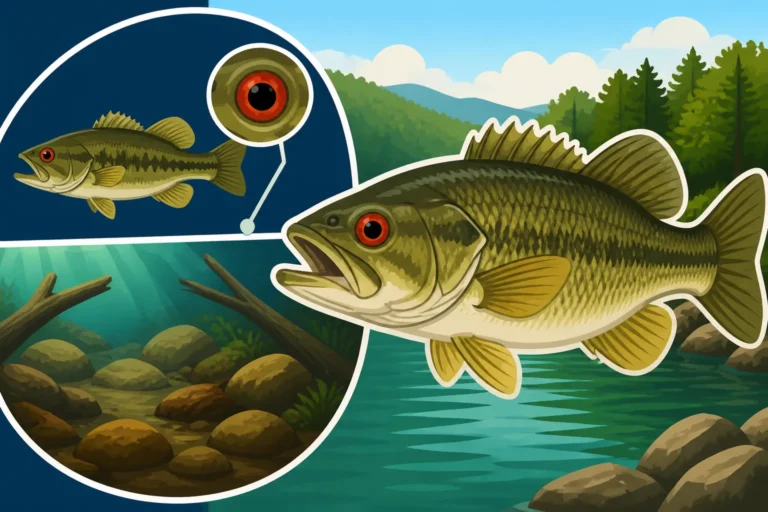
Now, for the spotted bass, it's a different story. Its mouth is comparatively smaller. If you follow the corner of its jaw back, it will generally align with the middle of its eye, or at most, just barely reach the back of the eye. It won't extend far beyond it like a largemouth's. This more proportionate mouth is better suited for chasing down smaller baitfish in open water and picking off critters from rocky crevices.
Lateral Line Markings and Patches
Beyond the jaw, take a good look at the fish's body, especially its sides and tongue. These areas hold additional clues that can solidify your identification.
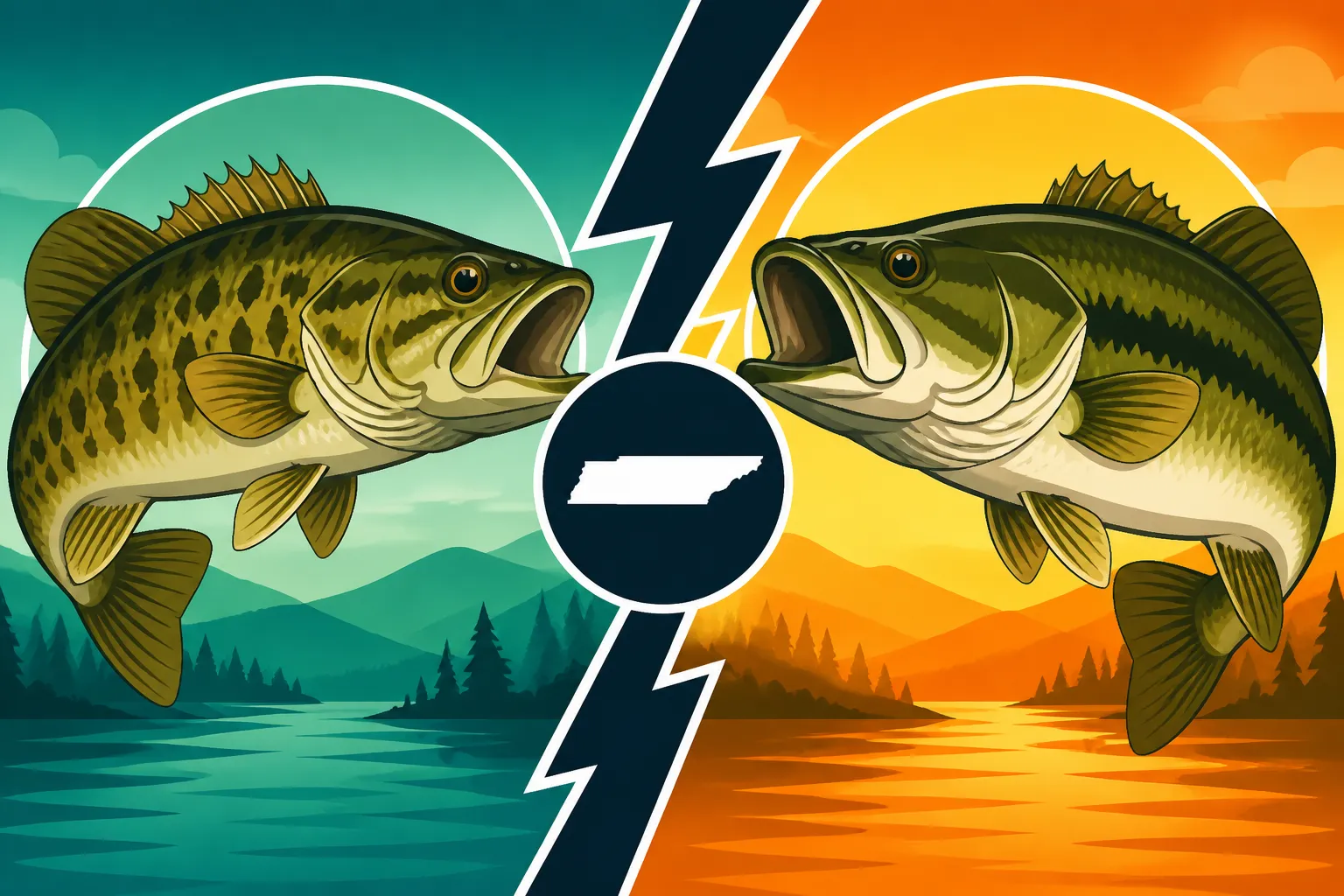
A largemouth bass typically has a very prominent, distinct dark lateral stripe running horizontally down its side, from its gills to its tail. This stripe might be broken or mottled in places, but it’s generally continuous. Its belly is usually smooth and white, often without any significant spotting below the lateral line. If you're looking closely, you'll also notice that a largemouth bass has a smooth tongue – a clean feel, no rough patches.
The spotted bass, true to its name, has a lateral line that is often less distinct and may appear more like a series of darker, diamond-shaped blotches rather than a continuous stripe. The real giveaway, however, lies on its belly. Below that lateral line, you'll usually find rows of dark spots, giving it a somewhat "spotted" appearance on its lower flanks, extending onto the belly scales. This is a very reliable characteristic. And here's the kicker: if you can gently and safely feel the fish's tongue (using wet hands, of course, to protect its slime coat), a spotted bass will often have a small, rough patch of teeth or cartilage on it. This is a unique trait that largemouths lack. You can find detailed illustrations of these features in various fish identification guides available on Amazon to help you visualize them perfectly.
Fin and Body Shape
While perhaps less obvious than the jaw and spotting, subtle differences in fin and body shape can also contribute to identification, especially once you've gained some experience.
The largemouth bass generally has a chunkier, more robust body. It's built for power and short, explosive bursts from cover. Its dorsal fin (the one on its back) is deeply notched, almost appearing like two separate fins, with the spiny front portion clearly separated from the softer-rayed rear portion. This body style is common in fish that ambush prey, giving them a broad profile to navigate through weeds and logs.
In contrast, the spotted bass tends to have a more streamlined, torpedo-like body. It's built for agility and swimming in current. Its dorsal fin, while still having a spiny and soft-rayed section, typically has a less pronounced or shallower notch, making it look more like a single, continuous fin. This sleeker physique helps them navigate clearer, faster-moving waters and chase down baitfish effectively. Think of the difference between a linebacker (largemouth) and a wide receiver (spotted bass) – both strong, but built for different types of movement. For a comprehensive overview of different bass types, check out A Complete Guide to Tennessee Bass Species.
| Feature | Largemouth Bass | Spotted Bass |
|---|---|---|
| Jaw Extension | Extends past the back of the eye | Aligns with the middle or just to the back of the eye |
| Lateral Line | Distinct, continuous dark horizontal stripe | Often broken, diamond-shaped blotches |
| Belly Markings | Generally white, largely unspotted | Distinct rows of dark spots below lateral line |
| Tongue Patch | Smooth | Small, rough patch of teeth/cartilage often present |
| Dorsal Fin | Deeply notched, almost two separate fins | Less deeply notched, appears more continuous |
| Body Shape | Chunkier, more robust | More streamlined, torpedo-like |
Where They Live and How They Behave: Habitat and Habits
Understanding where these fish prefer to hang out and how they behave is just as important as knowing what they look like. Their habitat preferences directly influence where you'll find them and, by extension, how you'll fish for them.
Preferred Waters and Structure
Their preferred addresses are quite different, and this is a major factor in predicting where you'll have the best luck.
Largemouth bass are quintessential warm-water fish. They absolutely adore shallow, somewhat murkier waters, often found in coves, backwaters, and along shorelines with abundant cover. Think lily pads, dense aquatic vegetation, submerged timber, laydowns, and docks. They thrive in environments where they can hide and ambush their prey. Lakes like Reelfoot Lake or the shallower arms of Kentucky Lake are classic largemouth territories, providing that perfect blend of cover and forage in warmer, less clear water. If you're fishing these types of spots, you're likely targeting largemouth.
On the other hand, spotted bass have a strong preference for clearer, deeper water with rocky structures and often some current. You'll find them gravitating towards bluff walls, rocky points, deep humps, gravel beds, and areas around dam rip-rap. They are much more comfortable in open water and can tolerate colder temperatures and stronger currents than largemouths. Reservoirs with significant current, like parts of the Tennessee River system or deeper highland lakes such as Center Hill Lake, are prime spotted bass real estate. They don't typically bury themselves in thick weeds; instead, they relate to hard bottom and contour changes.
Schooling Tendencies
The way these bass organize themselves in the water column also differs significantly, which can impact how you approach your fishing strategy.
Largemouth bass are often considered more solitary creatures, or at least they tend to operate in smaller, looser groups. While you might find several largemouth in a prime piece of cover (like a brush pile or a weed bed), they are generally not schooling in tight, large groups in open water. They maintain their individual territories and ambush points, waiting for prey to come to them. If you catch one largemouth from a specific piece of cover, you might get another, but it's less common to run into a whole school of them actively chasing bait.
Spotted bass, conversely, are much more prone to schooling behavior. They often aggregate in larger numbers, especially when actively feeding on baitfish in open water. If you find one spotted bass, chances are there are many more in the vicinity. This schooling tendency makes them a blast to fish for when you locate a hot school, as you can often catch multiple fish in quick succession. They are more nomadic than largemouths, moving around to track baitfish schools in deeper water. This makes Fish Finders and Electronics for Tennessee Reservoirs incredibly useful when targeting spotted bass, as you can mark these schools.
Foraging and Diet
Their distinct habitats and behaviors lead to different foraging strategies and diets. Knowing what they eat helps you select the right bait.
Largemouth bass are true ambush predators. They excel at hiding in thick cover and exploding out to engulf unsuspecting prey. Their diet is incredibly varied and includes larger items such as smaller fish (including other bass!), frogs, crayfish, snakes, ducklings, and even mice. Their wide gape allows them to consume substantial meals. They often wait for prey to pass by their hiding spot before striking, making presentations that mimic injured or vulnerable prey near cover highly effective.
Spotted bass are more active, opportunistic feeders, often chasing down their meals. While they'll eat crayfish and other invertebrates, their primary diet often consists of smaller schooling baitfish like shad, shiners, and juvenile panfish. They are proficient at pursuing prey in open water and relating to bait schools. This means lures that imitate small, fast-moving baitfish are often very successful. Because of their active feeding style, they are also less hesitant to strike at a variety of presentations, from finesse techniques to aggressive crankbaits. Understanding How Water Temperature Affects Fish Activity is crucial for both species, as it influences their metabolism and feeding drive.
Angling Strategies: Catching Each Species
Since these bass live in different places and behave differently, it makes sense that your fishing strategies will need to adapt. Using the right gear and presentation for the right species can dramatically improve your catch rate.
Lure Selection for Each Bass
Your tackle box should probably have separate sections for targeting largemouths versus spotted bass, or at least you should know which lures excel for which.
For largemouth bass, especially in Tennessee's weed-choked coves or around heavy timber, you'll want to lean on lures that can penetrate or work well in thick cover. Topwater lures like hollow-body frogs, buzzbaits, and poppers are fantastic for drawing aggressive strikes from largemouth hiding in mats. Soft plastics, such as Texas-rigged worms, creature baits, and jigs, are essential for flipping and pitching into dense cover without snagging. Spinnerbaits and chatterbaits are also excellent for covering water near vegetation. You can find a huge variety of these cover-friendly lures on Amazon, ensuring you're stocked up for any largemouth challenge. Check out How to Fish a Texas Rig for Bass for a classic largemouth approach.
When it comes to spotted bass, because they often relate to deeper, clearer, rocky structures and open water, your lure selection shifts. Finesse techniques often shine: drop shots, shaky heads, and small jigs are incredibly effective for picking off spotted bass from deep points and humps. Crankbaits that dive to specific depths, especially those with tight wobbles that mimic baitfish, are fantastic for covering open water and rocky banks. Underspins and swimbaits are also great for schooling fish. Since they chase baitfish, fast-moving lures can often trigger strikes. Don't forget metal spoons or jigging spoons for vertical presentations when you mark schools on your fish finder in deep water.
Depth and Presentation Differences
The way you present your lure and the depth you target will be critical for success with either species.
For largemouth bass, your focus will often be on shallower to mid-depths, depending on the season and water temperature. Your presentations will typically involve casting directly into or very close to cover. This means flipping a jig into a brush pile, pitching a worm under a dock, or buzzing a frog over lily pads. The retrieve is often slower, allowing the bait to linger in the strike zone, mimicking an easy meal for an ambush predator. You're trying to coax them out of their hiding spots. Learning Pre-Spawn and Post-Spawn Bass Fishing Patterns will further refine your depth and presentation for largemouth throughout the year.
Spotted bass often require you to target deeper water, especially in clear reservoirs. Your presentations will involve working lures along contours, over deep structure, or vertically through schools of baitfish. For example, you might be casting a deep-diving crankbait along a bluff wall, slow-rolling a spinnerbait over a gravel point, or jigging a spoon directly beneath your boat when you spot a school on your electronics. The retrieve can often be faster than with largemouth, especially when fish are actively chasing bait. They are less about hiding and more about actively pursuing prey in their open-water domains. Consider Best Rods and Reels for Tennessee Bass Fishing that are versatile enough for both, but perhaps leaning towards more sensitive gear for finesse spotted bass techniques.
Conservation and Regulations: Knowing Your Limits
Beyond the thrill of the catch, being a responsible angler means understanding and adhering to Tennessee's fishing regulations. Sometimes, identifying your catch correctly isn't just a matter of bragging rights; it's about staying within the law.
Tennessee's Combined Bass Limits
This is where accurate identification becomes more than just a fun fact. In many Tennessee waters, the regulations for bass are often set as a combined daily creel limit for multiple species. This means that largemouth bass, smallmouth bass, and spotted bass might all count towards the same total number of fish you can keep in a single day.
For example, Tennessee's statewide regulation often has a daily creel limit of 5 fish total for largemouth, smallmouth, and spotted bass, with specific size restrictions that apply to certain species. It's not uncommon to hear of anglers accidentally exceeding limits because they misidentified a spotted bass as a largemouth, or vice-versa. Always check the specific regulations for the body of water you're fishing, as Tennessee Fishing Regulations Explained can vary. While statewide rules exist, some lakes have their own unique sets of regulations that might be stricter or have different size limits for individual species, such as those covered in Statewide Bass Limits for Tennessee Anglers.
Importance of Accurate Identification
Misidentification can lead to unintended consequences, from releasing a fish you thought was illegal to keep, to keeping one that was actually out of bounds.
Imagine you're out on a lake that has a special 18-inch minimum length limit for largemouth bass, but no such limit for spotted bass. You catch a 16-inch bass that you think is a largemouth and promptly release it, only to realize later it was a spotted bass that you could have legally kept. Conversely, you might keep a 16-inch bass, thinking it's a spotted bass, when in fact it's a largemouth that should have been released. These scenarios highlight why knowing the key differences is paramount. Lake-Specific Fishing Rules That Override Tennessee's Statewide Limits are especially important to review before heading out, as these localized rules often depend on specific species in that fishery. Getting into the habit of clearly identifying your catch is a sign of a truly seasoned and responsible angler.
Disclaimer
This article is for general informational purposes only and does not constitute professional advice. Laws, prices and regulations vary by location and change over time. Consult a qualified professional for guidance on your specific situation.