Why Tennessee Ranks Among the Most Fish-Diverse States
Many anglers, both local and visiting, often wonder what makes Tennessee such a phenomenal fishing destination. It’s not just hearsay; the Volunteer State truly is a treasure trove of aquatic life, boasting an incredible array of fish species that few other inland states can match. This guide will dive deep into the unique blend of geography, history, and dedicated conservation efforts that have sculpted Tennessee into one of the most fish-diverse states in the nation.
A Geographical Blessing: The Lay of the Land and Water
Tennessee's unique position, stretching from the mighty Mississippi River in the west to the towering peaks of the Appalachian Mountains in the east, creates an unparalleled variety of aquatic habitats. This geographical diversity is the primary architect of the state's rich fish fauna.
Mountains to Mighty Rivers: Varied Habitats
Think about it: one moment you're traversing the misty, ancient Appalachian Mountains, where icy-cold, crystal-clear streams tumble down rocky slopes. These pristine conditions are exactly what certain fish species need to thrive, particularly trout. They rely on high oxygen levels and consistent cold temperatures, a stark contrast to the slow-moving, warmer waters found further west.
As you move westward, the landscape dramatically transforms. The Cumberland Plateau introduces larger rivers and impoundments, offering a transition zone of habitats. Then, you reach the Central Basin, characterized by fertile lands and many flowing rivers and their tributaries. Finally, the western part of the state flattens out into the Mississippi Alluvial Plain, dominated by vast, nutrient-rich rivers and expansive reservoirs. Each of these distinct ecological regions provides a tailor-made environment for different types of fish, from the anadromous species that traverse large river systems to the small, specialized darters that inhabit specific riffles in tiny creeks. This incredible gradient means that an angler in Tennessee can target entirely different ecosystems and fish species within a few hours' drive.
Waterways That Weave a Tapestry
The intricate network of Tennessee's waterways acts like the circulatory system of its aquatic biodiversity. The state is bisected by two major river systems – the Tennessee River and the Cumberland River – both of which eventually drain into the mighty Mississippi River. These aren't just isolated bodies of water; they are dynamic, interconnected highways that facilitate fish migration and support complex food webs.
The sheer scale of these rivers and their numerous tributaries means an enormous amount of varied habitat. From deep channels and rocky shoals to expansive mud flats and submerged timber, each niche supports specific communities of fish. For instance, the main stem of the Tennessee River, with its string of large reservoirs like Chickamauga Lake, Tennessee's Top Bass Fishing Destination and Watts Bar, offers prime habitat for species that prefer large, open waters and benefit from the consistent flow provided by the dams. Meanwhile, the smaller, less-impacted tributaries flowing into these giants provide crucial spawning grounds and nurseries, acting as vital arteries for the health of the entire system. This constant flow and connection prevent isolation and allow for a wider distribution of species, contributing significantly to the state's overall fish diversity.
A Melting Pot of Fish: Species Galore
With such a varied landscape and interconnected waterways, it's no wonder Tennessee hosts an incredible "melting pot" of fish species. It's truly a paradise for anglers, offering everything from hard-fighting game fish to delicate, beautiful native species.
Warmwater Wonders: Bass, Catfish, and Crappie
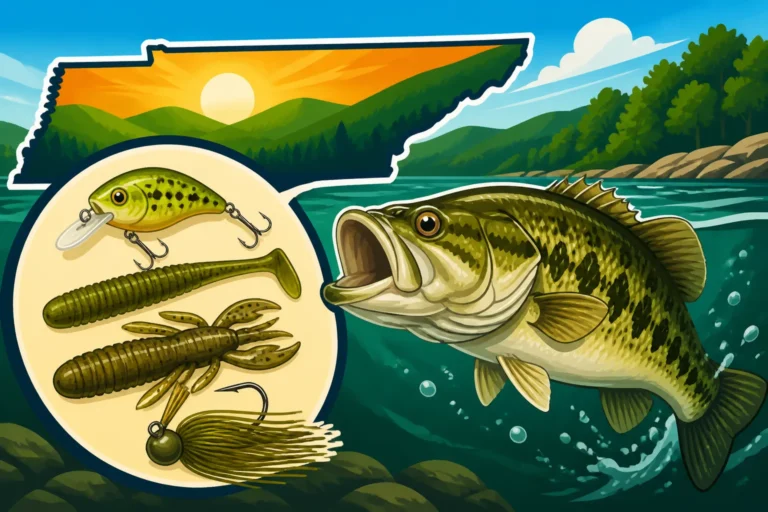
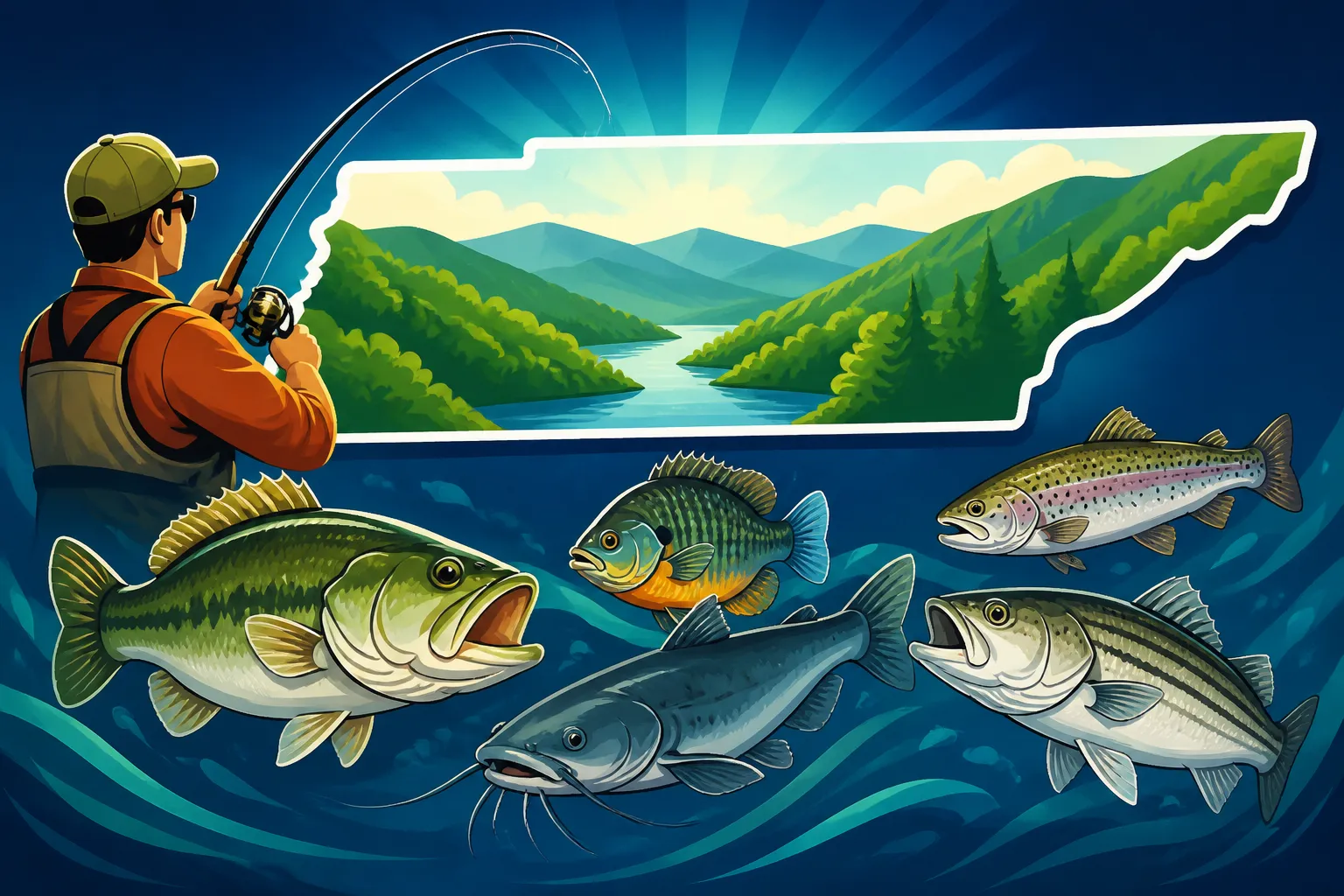
When most people think of fishing in Tennessee, their minds often jump to the fantastic warmwater fishing opportunities. Our lakes and rivers are legendary for their populations of popular game fish. You'll find a phenomenal array of bass, including the aggressive largemouth, the feisty smallmouth (one of Tennessee's Official State Fish: Channel Catfish and Smallmouth Bass), and the ever-present spotted bass. Each of these species thrives in slightly different conditions, from the murky, vegetation-rich coves preferred by largemouth to the clear, rocky bottoms where smallmouth make their home. If you want to dive deeper, we have A Complete Guide to Tennessee Bass Species to help you identify them all.
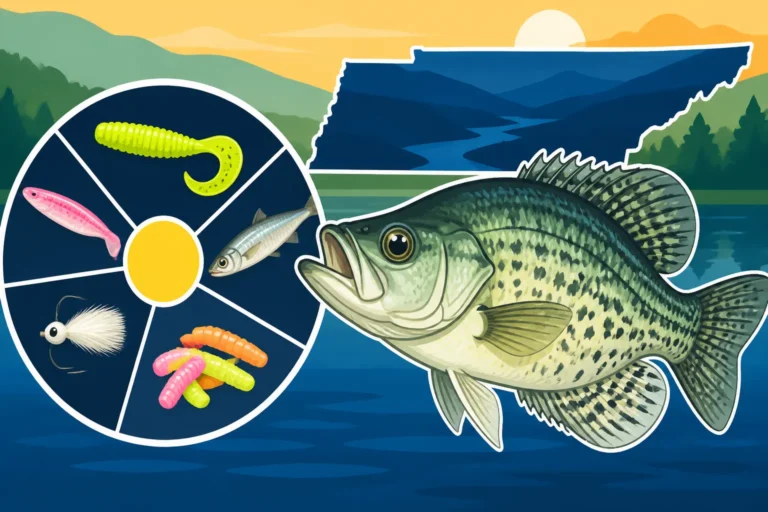
Then there are the catfish – true titans of the deep! Tennessee is home to an abundance of channel, blue, and flathead catfish. These species are not only plentiful but also grow to impressive sizes, offering a thrilling fight for any angler. You can find robust populations in most of our larger river systems and reservoirs, providing excellent opportunities for both seasoned catfishermen and beginners. You can learn more in our Catfish Species Found in Tennessee Waters guide. And let's not forget crappie, both black and white, which are beloved for their delicious meat and challenging bite. These schooling fish congregate around submerged timber and brush piles, providing endless fun for those who master the art of jigging. We've got you covered with a comprehensive Tennessee Crappie Fishing: Black Crappie and Where to Find Them guide. The sheer volume and variety of these warmwater species make Tennessee a top-tier destination for any angler looking for a challenge or a full stringer.
Coldwater Charms: Trout and Their Mountain Homes
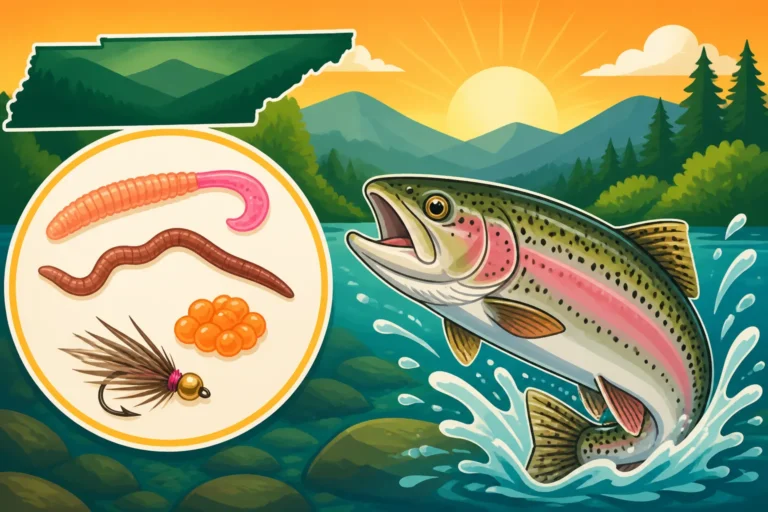
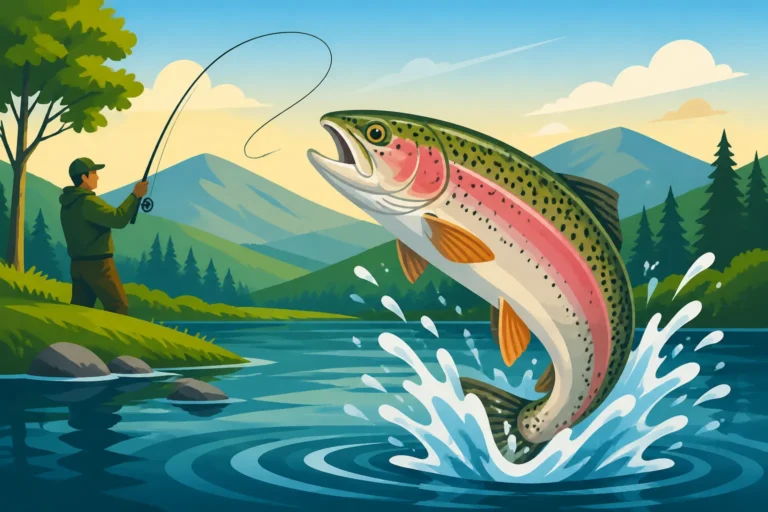
While the warmwater species get a lot of attention, Tennessee also boasts exceptional coldwater fisheries, particularly for trout. Head to the eastern reaches of the state, especially into the Great Smoky Mountains and their surrounding foothills, and you'll discover a network of pristine streams perfectly suited for trout. We have three main species that call these waters home: rainbow, brown, and the native brook trout.
Rainbow trout are widely stocked and can be found in many cold-water streams and tailwaters below dams, offering consistent action. Brown trout are known for being a bit more elusive and require more skill, often growing to impressive sizes in the right conditions. But the true gem of Tennessee's cold-water ecosystem is the brook trout, a native species that thrives only in the coldest, most unspoiled headwater streams. These beautiful fish are a testament to the health of our mountain ecosystems. Their presence signifies a vibrant and healthy stream, free from significant pollution or warming. Protecting these delicate habitats is paramount, and the opportunity to catch a wild brook trout in its native range is a truly special experience. For an in-depth look, check out our Tennessee Trout Guide: Rainbow, Brown, and Brook Trout.
The Hidden Gems: Panfish and Forage Fish
Beyond the headline-grabbing bass and trout, a significant portion of Tennessee's fish diversity comes from its myriad of panfish and forage species. These "hidden gems" are crucial to the overall health and balance of the aquatic ecosystems, forming the base of the food chain and providing food for larger predators. When you’re looking through an online retailer like Amazon for basic fishing supplies, remember that the smallest hooks are often for these crucial species.
You'll find an abundance of bluegill, redear sunfish, green sunfish, and various other bream species across the state. While often overlooked by anglers targeting trophy fish, panfish provide endless fun, especially for beginners and families. They are typically eager biters and a great way to introduce kids to the joys of fishing. Plus, they make excellent table fare! These species are not just for fun; they play a vital role in keeping insect populations in check and converting smaller organisms into energy for larger fish. Beyond panfish, countless species of minnows, darters, and shiners populate Tennessee's waters. These smaller fish might not be on an angler's target list, but they are indispensable. They are the primary food source for almost every predatory fish in the state, from bass to catfish. Their diversity is a strong indicator of ecosystem health, showcasing the complex and robust food web that underpins Tennessee's impressive fish diversity. Understanding them is key to understanding the full picture of Tennessee's aquatic life, which we explore further in Bluegill and Panfish Guide for Tennessee Anglers.
Conservation and Management: Protecting the Riches
The incredible fish diversity in Tennessee isn't just a happy accident; it's also the result of dedicated efforts in conservation and strategic management. Without proactive measures, even the most naturally blessed ecosystems can suffer.
The Role of TWRA: Stewardship and Science
The Tennessee Wildlife Resources Agency (TWRA) is the primary guardian of our state's fish and wildlife resources, and their role in maintaining and enhancing fish diversity cannot be overstated. They operate on a foundation of scientific research and sound ecological principles to ensure sustainable fish populations for generations to come. The TWRA engages in extensive habitat restoration projects, from improving water quality in struggling streams to creating new spawning grounds in reservoirs. They also have robust fish stocking programs, particularly for species like rainbow trout in tailwaters and various warmwater species to supplement natural reproduction or introduce new fishing opportunities.
Beyond these hands-on efforts, the TWRA sets and enforces Tennessee Fishing Regulations Explained, including catch limits, size restrictions, and seasons, all designed to prevent overfishing and protect vulnerable populations. They conduct regular surveys to monitor fish health, population numbers, and habitat quality, using this data to make informed decisions. For instance, studies on bass growth rates might lead to changes in size limits on specific lakes to promote larger fish. Their dedication ensures that the diverse aquatic life we enjoy today will continue to thrive. When you purchase your Tennessee Fishing License Guide or learn about Fishing in Tennessee: License and Rule Basics, you're directly contributing to these vital conservation efforts.
Habitat Preservation: More Than Just Water
You might think that protecting fish simply means protecting the water they swim in, but it's much more nuanced than that. Habitat preservation in Tennessee involves a holistic approach that extends far beyond the water's edge. The health of our riparian zones—the areas alongside rivers and streams—is absolutely critical. These areas, with their native vegetation, act as natural filters, preventing sediment and pollutants from entering the water. They also provide crucial shade, keeping water temperatures cool for coldwater species like brook trout, and offer bank stability, reducing erosion.
Efforts to protect and restore wetlands are also vital. Wetlands serve as natural nurseries for many fish species, providing sheltered areas where young fish can grow away from predators and find abundant food. They also filter runoff and store floodwaters, contributing to overall water quality. Beyond these natural buffers, addressing issues like point-source pollution from industrial discharges and non-point source pollution from agricultural runoff and urban development is an ongoing challenge. The TWRA works with various partners, including local communities and federal agencies, to mitigate these threats. Protecting the surrounding land and ensuring good water quality in all its forms, from mountain springs to vast reservoirs, is fundamental to preserving the incredible fish diversity that makes Tennessee truly special. Looking for quality gear that supports your responsible angling? Many great conservation-minded products can be found on Amazon.
Conclusion
It's clear, isn't it? Tennessee's status as one of the most fish-diverse states isn't by chance. It's a marvelous convergence of unique geological features, extensive and interconnected waterways, and dedicated conservation efforts by agencies like the TWRA. From the cold-water sanctuaries of the Appalachian streams, home to native brook trout, to the sprawling warm-water reservoirs teeming with record-breaking bass and catfish, Tennessee offers an aquatic landscape that truly has something for everyone. This rich tapestry of fish species, including its Tennessee's 291 Native Fish Species and 52 Sport Fish Explained, is a natural heritage worth celebrating and, more importantly, protecting. So, the next time you cast a line into a Tennessee lake or stream, take a moment to appreciate the incredible biodiversity beneath the surface – it's a testament to a truly special state.
Disclaimer
This article is for general informational purposes only and does not constitute professional advice. Laws, prices and regulations vary by location and change over time. Consult a qualified professional for guidance on your specific situation.