How Rain Affects Fish Feeding Patterns
Oh, the age-old angler's dilemma: you wake up, see the rain coming down, and your first thought isn't about coffee, it's about whether to pack your gear or just roll over. It’s a common frustration, isn't it? You've got that itch to fish, but you're not sure if the weather will help or hinder your chances. Well, let's pull back the curtain on how rain truly affects fish feeding patterns here in Tennessee, so you can make informed decisions and maybe even turn a dreary day into a memorable fishing trip.
The Initial Impact of Rain: A Burst of Activity
When that first drizzle starts or a storm front approaches, things can get really interesting beneath the surface. It's not just a change in the weather; it's a profound shift in the aquatic environment, and fish are highly attuned to these subtle signals.
Atmospheric Pressure Changes and Fish Behavior
Think about how you feel when a storm is brewing – maybe a little more restless or just "off." Fish experience something similar, but it directly impacts their physiology and behavior. As a low-pressure system moves in, signifying an approaching storm or rain, the atmospheric pressure pushing down on the water decreases. Fish, with their sensitive lateral lines and swim bladders, can feel this change distinctly. This drop in pressure often makes their swim bladders expand slightly, which can make them feel more comfortable moving into shallower water or becoming more active in general.
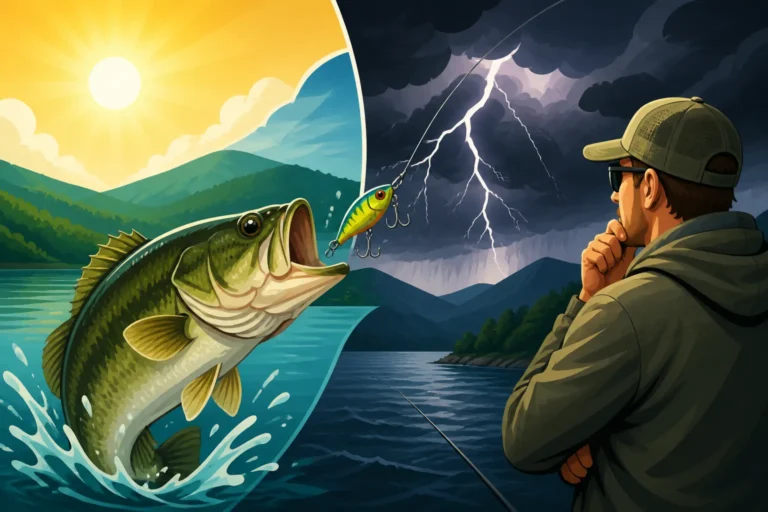
This pre-front activity can be a golden window for anglers. Many species, particularly bass and crappie, tend to go on a feeding binge just before a significant rain event hits. They instinctively know that a major weather change could disrupt their feeding for a short period, so they seize the opportunity to stock up while the going is good. This often means they'll be more aggressive, less wary, and willing to strike at a wider variety of lures, making it a fantastic time to be on the water.
Inflow of Nutrients and Food
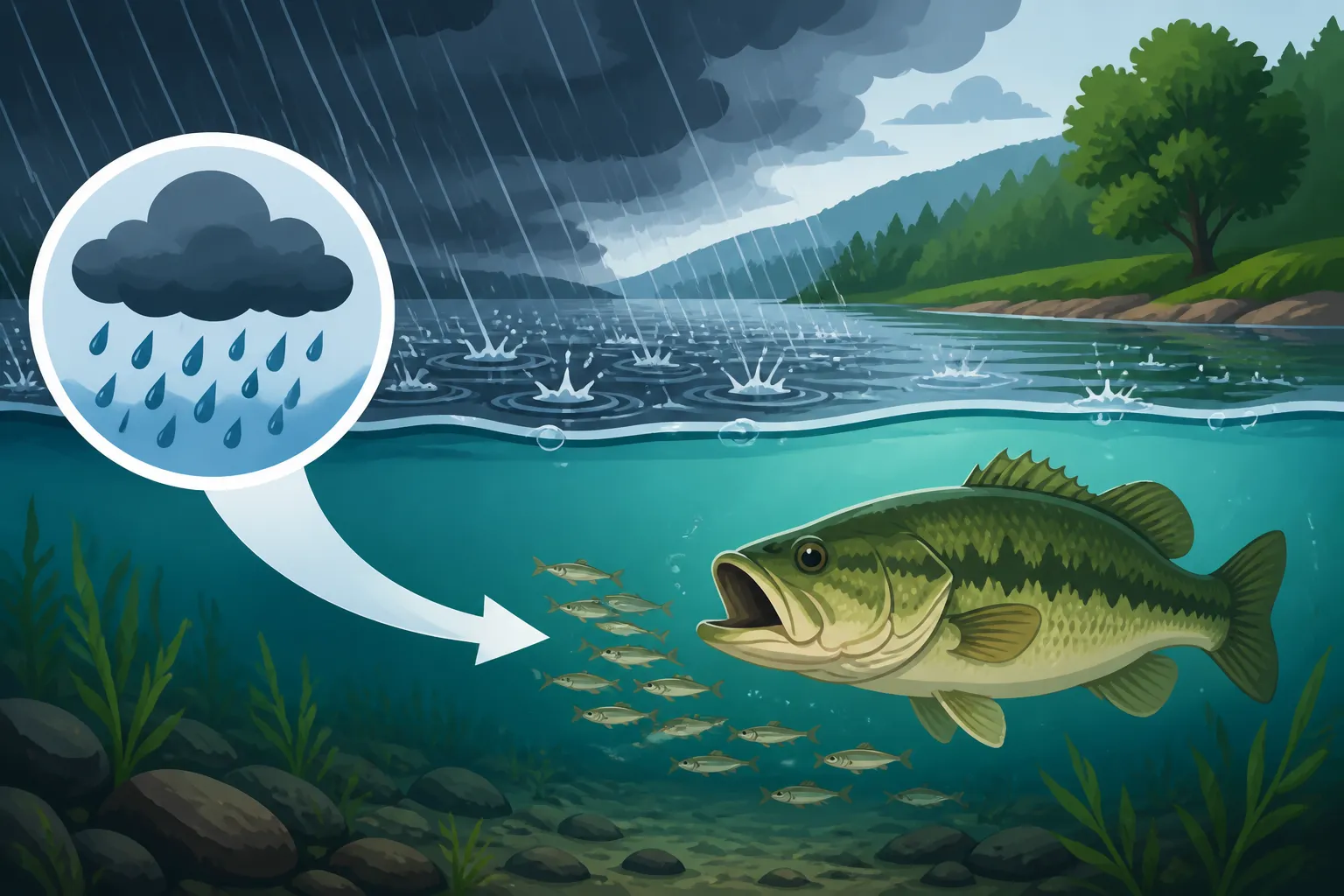
Once the rain actually starts to fall, especially after a dry spell, the land surrounding our beautiful Tennessee lakes and rivers transforms into a giant natural conveyor belt for food. Rainwater washes all sorts of delectable treats into the water: worms, insects, larvae, and even small terrestrial critters that get dislodged from the banks. This sudden influx of high-protein snacks is like an all-you-can-eat buffet for fish.
These newly introduced food sources are often concentrated near points where creeks, ditches, or even just general runoff enter the main body of water. Fish, being opportunistic feeders, quickly learn to gather in these "washout zones." They're not just looking for the food; the turbidity from the runoff also provides them with a sense of security. The murkier water acts as a natural camouflage, allowing them to hunt more confidently without feeling as exposed to predators from above, like ospreys or eagles. Targeting these specific areas with a keen eye for changes in water color and current can really pay off.
Fishing During the Downpour: Adapting to Conditions
It might seem counterintuitive to stick it out when the rain is really coming down, but often, this is when some of the best fishing can be found. However, it requires a different approach and a good understanding of what's happening both above and below the surface.
Water Temperature and Oxygen Levels
Rain, especially cool rain in the summer, can be a game-changer for fish. Warm summer waters, particularly in shallower areas or stagnant coves, can sometimes suffer from lower dissolved oxygen levels, making fish sluggish and less inclined to feed. A good, steady rain can quickly cool the surface water and, more importantly, churn up the water column, introducing fresh oxygen. This sudden boost of cooler, oxygenated water can invigorate fish, sparking them into a more active feeding mode.
Conversely, if it's already cold out, a heavy rain can rapidly drop the water temperature, which might make fish more lethargic. You need to consider the ambient air and water temperatures. For example, a warm spring rain often leads to increased activity, whereas a bitter cold rain in late fall or winter might push fish deeper or make them less willing to chase. Understanding How Water Temperature Affects Fish Activity is crucial for success, regardless of the season.
Reduced Visibility and Fish Confidence
One of the biggest advantages for anglers during a rainstorm is the reduced visibility in the water. As the rain falls and runoff occurs, the water can become cloudy, stained, or outright muddy. While this might seem like a disadvantage for finding fish, it actually works in your favor. Predatory fish like bass, walleye, and even crappie thrive in these conditions. The low visibility gives them an edge, allowing them to ambush prey more effectively without being easily seen. It also makes them feel safer, encouraging them to move into shallower, more accessible areas where they might otherwise be hesitant.
This heightened sense of security means fish are often less spooky and more willing to venture out from heavy cover. This can be especially true for larger, more experienced fish that have learned to exploit these conditions. Anglers who brave the elements and focus on areas with slightly stained water, rather than completely muddy chocolate milk, often find increased success.
Post-Rain Effects: Sustained or Subdued Action
The fishing action doesn't necessarily stop when the rain does. The lingering effects of a storm can influence fish behavior for hours or even days afterward, though the nature of that influence can vary greatly.
Continued Runoff and Murky Water Benefits
After a good rain, especially if it was a substantial downpour, the runoff from surrounding land often continues for quite some time. This means that the flow of new food items into the water can persist, keeping those prime feeding areas near inlets, culverts, and creek mouths productive. The water might remain murky or stained for several hours, or even a day or two, depending on the volume of rain and the geology of the area. This prolonged period of reduced visibility continues to offer comfort and camouflage to feeding fish, allowing them to remain active and less cautious.
For instance, after a heavy spring rain, you might find that the largemouth bass on places like Chickamauga Lake remain in the shallow, newly flooded cover near inflowing ditches for a good 24-48 hours. They’re still gorging on worms and insects washed in, and the stained water keeps them feeling secure. This is an excellent time to target them with shallow-running baits or jigs, capitalizing on their continued aggressive feeding.
Clearing Water and Return to Normal Patterns
Eventually, the water begins to clear. As the runoff slows, the suspended particles settle, and the water starts to return to its pre-rain clarity. When this happens, fish generally begin to transition back to their more typical feeding patterns and locations. This doesn't mean the bite necessarily shuts off, but it usually shifts. Fish might move away from the immediate runoff areas and return to deeper structure, submerged cover, or their usual ambush points. The "easy pickings" near the inflows might diminish as the natural food cycle stabilizes.
However, prolonged, excessive rain can sometimes have a negative effect, particularly on rivers and smaller streams. If the water becomes extremely high and muddy for an extended period, it can "wash out" areas, disperse fish, and make it very difficult for them to see or find bait, even with enhanced scent. In these extreme conditions, the fishing can become quite tough until the water levels recede and clarity improves. You'll need to look for seams, eddies, and slack water areas where fish can escape the main current. Knowing Tennessee Bass Fishing Seasons and Patterns and how they intersect with weather events can give you a significant edge.
Tailoring Your Strategy: Gear and Lure Choices for Rainy Days
Okay, so you've decided to brave the rain. Good for you! Now, how do you adjust your tackle box and techniques to match these unique conditions? It’s not just about throwing the same old lures.
Lure Selection for Low Visibility
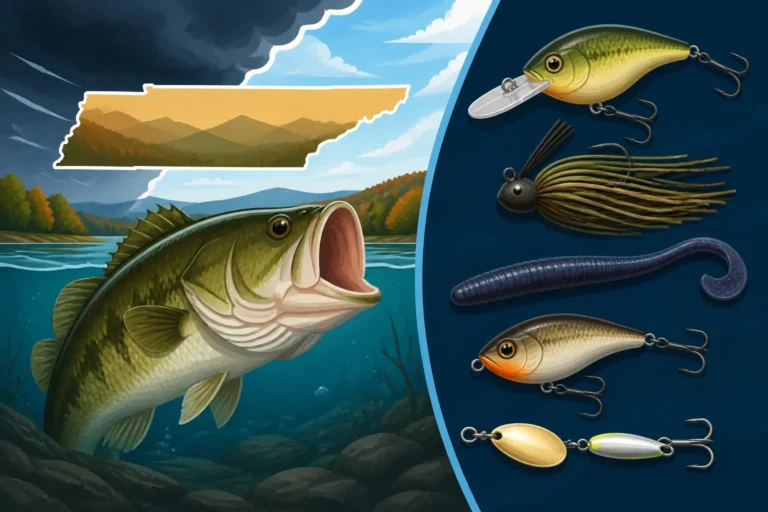
When the water is stained or murky from rain, fish rely less on sight and more on their other senses – their lateral line for vibration and their olfactory senses for smell. This means your lure choices need to reflect that. Bright, contrasting colors tend to stand out better in cloudy water. Chartreuse, orange, fire-tiger, or even stark black and blue can be highly effective. The key is to create a visual profile that fish can easily spot.
Beyond color, think about vibration and sound. Lures that displace a lot of water or have built-in rattles are fantastic in these conditions.
- Spinnerbaits and Chatterbaits: These are classic rainy-day choices for bass. The thumping blade or vibrating skirt creates a lot of commotion, drawing strikes from fish that can't see well but can certainly feel. You can find excellent options on Amazon that come in bright colors and have strong vibrations.
- Crankbaits: Medium-diving crankbaits in loud colors that deflect off submerged cover create erratic movements and sound, triggering reaction bites.
- Jigs with Trailers: A black and blue jig with a bulky, scented plastic trailer is a fantastic choice. The jig creates a subtle thud when it hits the bottom, and the trailer's scent can be irresistible.
- Scented Baits: Don't forget the power of scent! Adding a fish attractant to your soft plastics, jigs, or even crankbaits can make a huge difference, especially when fish are relying on smell to locate food.
Positioning and Presentation
Where and how you present your lure is just as important as the lure itself. With runoff bringing food to specific areas, and fish moving shallower, your focus should shift to these high-percentage spots.
- Target Inflow Areas: Concentrate your efforts where creeks, drains, and ditches dump into the main lake or river. These are natural funnels for food and often have slightly warmer or more oxygenated water.
- Fish the Banks: Don't be afraid to cast right up to the bank, especially where there's flooded grass, brush, or other cover. Fish will often move right to the edge to intercept new food.
- Current Seams and Eddies: In rivers or areas with strong current, look for the slower-moving water adjacent to the main flow. Fish will often hold in these seams, waiting for food to drift by.
- Slower Presentations: While fish can be aggressive, the low visibility often means they need a bit more time to locate and commit to a lure. Sometimes, a slower retrieve or more deliberate jigging motion is more effective than a fast, erratic one. However, if the water is very stained, a faster retrieve can sometimes force a reaction strike before a fish has time to inspect the bait too closely. Experimentation is key! If you want to learn more about Best Lures to Use After a Cold Front this also often applies to rainy day fishing.
Species-Specific Responses to Rain in Tennessee
While general principles apply, different fish species react to rain in unique ways. Understanding these nuances can fine-tune your approach for whatever you're targeting in Tennessee.
Bass Behavior in Rain
Bass, whether it’s a big largemouth, a feisty smallmouth, or a hard-fighting spotted bass, generally respond very well to rain. Largemouth bass, in particular, love the low light and increased cover that murky, rainy conditions provide. They’ll often move right into the shallowest flooded vegetation, under docks, or tight to laydowns to ambush prey. Their territorial nature means they’ll aggressively defend their feeding zones, making them excellent targets during a rain event.
Smallmouth bass, Tennessee’s official state fish, also get more active. While they typically prefer clearer, rockier environments, a light rain can push them shallower, especially on overcast days. Heavy, muddy runoff, however, might push them a little deeper or to the edges of the mudline where they can still see. Spotted bass, common in our larger reservoirs, behave similarly to largemouth in stained water, often moving into creek channels and points to capitalize on the inflow of food. If you're keen on chasing different bass species, our guide on A Complete Guide to Tennessee Bass Species offers even more insights.
Crappie and Catfish Reactions
Crappie, those delicious panfish, also become more active in rainy conditions, especially during their spring spawn. The rain breaks up the surface tension, offers overhead cover from predators, and stirs up insect life. They'll often move tighter to brush piles, submerged timber, or bridge pilings in slightly stained water. They might be a bit more scattered, so slow trolling or spider rigging with multiple rods can be effective to cover more water and find those active fish. For deeper insights into these beloved panfish, check out our Tennessee Crappie Fishing Guide by Season.
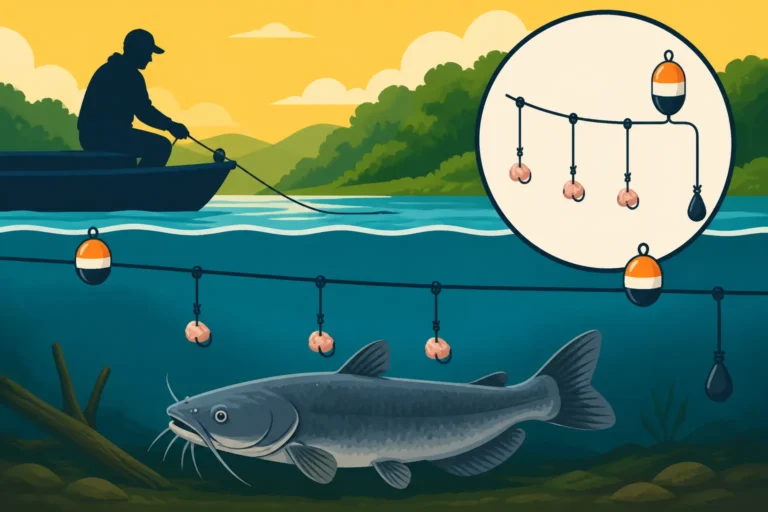
Catfish, on the other hand, absolutely love a good rain. Channel catfish, our other official state fish, and their larger cousins, blue and flathead catfish, thrive in turbid, flowing water. The runoff washes in a bounty of natural food, and their incredible sense of smell and barbels allow them to navigate and feed effectively even in chocolate milk conditions. Fishing creek mouths, main river channels with strong current, and areas with fresh debris can be highly productive. Stink baits, cut baits, and worms are all excellent choices. If you want to know more about the best ways to catch these whiskered giants, our Tennessee Catfish Fishing Techniques and Seasons offers a treasure trove of information.
Trout in Rainy Conditions
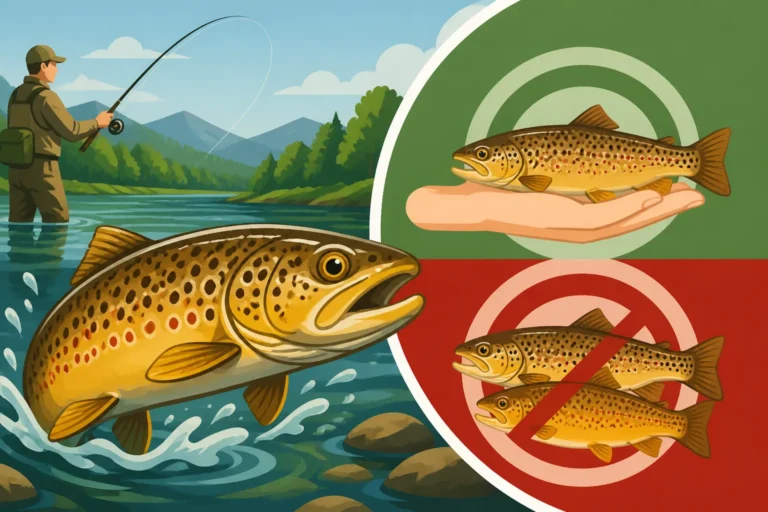
Trout fishing during and after rain is a bit more nuanced. In streams, a light, steady rain can be fantastic. It washes terrestrial insects (worms, ants, beetles) into the water, providing a sudden feast. The rain also softens the edges of the stream, makes fish feel more secure, and provides a break from direct sunlight. The key here is "light." If the rain turns into a torrential downpour, streams can become blown out, turning into raging, muddy torrents that disperse fish and make fishing nearly impossible until water levels drop and clarity returns.
In tailwaters below dams, like the Clinch River or Caney Fork River, a light rain might not affect the water levels as dramatically, but it can still stir up insect activity or create favorable low-light conditions. Always check the generation schedule and water conditions before heading out for Tennessee Trout Fishing Season Explained in these areas.
Safety and Practical Considerations for Rainy Weather Angling
While fishing in the rain can be incredibly rewarding, it’s paramount to prioritize your safety and comfort. Mother Nature can be unpredictable, and a great fishing day can turn dangerous quickly.
Staying Safe on the Water
First and foremost, lightning is a serious threat. If you see lightning or hear thunder, it's time to get off the water immediately, whether you're in a boat or on the bank. No fish is worth risking your life for. Head to a safe, sheltered area and wait it out. Modern weather apps are incredibly accurate and can give you real-time lightning strike warnings, which is something I always keep an eye on.
Rain also makes surfaces incredibly slippery. Boat decks, rocks, muddy banks, and even docks can become treacherous. Wear appropriate footwear with good grip, and move slowly and deliberately. If you're fishing from a boat, be extra cautious when launching and retrieving, as boat ramps can become slick. Swift currents can also be a concern in rivers and streams after heavy rain, so always be aware of changing water levels and flow. Having a Safety Gear Checklist for Tennessee Boaters is not just good practice, it's essential.
Essential Gear for Comfort and Success
Staying dry and comfortable is key to enjoying your rainy-day fishing trip. There's nothing worse than being soaked to the bone and shivering, which will quickly send you packing.
- Quality Rain Suit: Invest in a good waterproof and breathable rain suit. Brands like Frogg Toggs or Grundens offer reliable options that will keep you dry without making you sweat excessively. You can find a wide range of highly-rated rain gear on Amazon.
- Waterproof Bag: Keep your phone, wallet, keys, and any electronics in a waterproof dry bag. Accidents happen, and a quick dunk can ruin your essentials.
- Waterproof Hat: A wide-brimmed waterproof hat not only keeps rain off your face but also helps keep water from running down your neck.
- Polarized Sunglasses: Even on cloudy, rainy days, polarized sunglasses can help cut through glare and allow you to see submerged structure or subtle changes in water color. They also protect your eyes from hooks and flying lures.
- Extra Towel and Clothes: Always keep a dry towel and a spare set of clothes in your vehicle, especially if you anticipate getting wet. There’s nothing quite like a warm, dry change of clothes after a successful, rainy day on the water.
- Hot Beverage: A thermos of coffee, tea, or hot chocolate can work wonders for morale on a chilly, wet day!
Fishing in the rain isn't just about enduring the elements; it's about understanding how those elements change the game and adapting your approach. With the right knowledge and gear, a rainy day can often be the most productive time to be out on Tennessee's incredible waters.
Disclaimer
Please remember that fishing regulations, including license requirements and catch limits, can change. Always consult the latest Tennessee Wildlife Resources Agency (TWRA) regulations before heading out on the water. This guide is for informational purposes only and does not constitute official legal advice. Always prioritize safety and good judgment when fishing.