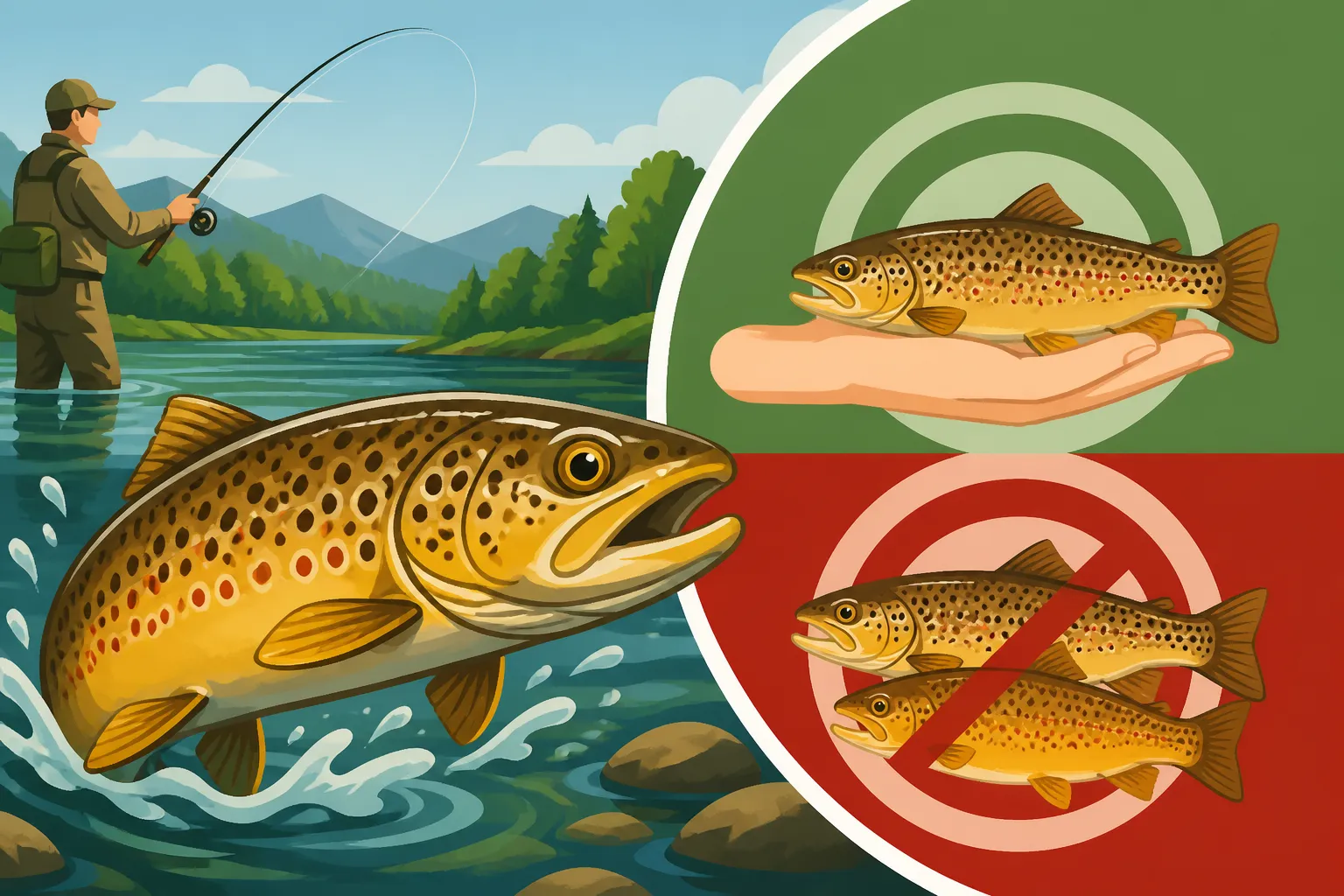
How Tennessee’s Brown Trout Limit Works During Trout Season
If you're an angler in Tennessee, especially one who loves the thrill of reeling in a beautiful brown trout, you know that keeping up with fishing regulations can feel like navigating a maze. It’s easy to get confused with different limits for different species, and then even more specific rules for certain waters or times of the year. The last thing any of us wants is to accidentally break a rule and face a fine, especially when it comes to the highly regulated world of trout fishing. This comprehensive guide is here to untangle the specifics of Tennessee's brown trout limits during trout season, ensuring you're well-informed and ready for a successful and legal day on the water.
Understanding the Tennessee Trout Season Overview
Before we dive specifically into brown trout, it’s really helpful to get a grasp on the broader picture of trout fishing season in Tennessee. It's not just one blanket rule that covers everything all year long; rather, it’s a nuanced system designed to protect these beautiful, sensitive fish populations. Knowing the general framework will help you understand why brown trout have their own distinct set of rules.
The Two Main Seasons for Trout Fishing in Tennessee
Tennessee actually operates on what can feel like two different trout seasons, or at least two distinct regulatory periods. For a good chunk of the year, from March through September, we have a pretty straightforward set of statewide regulations that apply to most trout waters. This is often when the weather is warmer, streams are flowing nicely, and many anglers are out enjoying the scenery.
However, things shift dramatically from October through February. During these colder months, the statewide regulations often take a backseat to highly specific, water-dependent rules. This change is largely due to the Tennessee Wildlife Resources Agency (TWRA) managing different stocking schedules and natural reproduction cycles. It means that the rules you follow on the Clinch River might be completely different from those on a small stream in the Cherokee National Forest. For a deeper dive, check out The Tennessee Trout Season Split Explained: March to September vs October to February. It's critical to realize that what applies in spring might not hold true in winter, particularly when it comes to specific catch and length limits for species like brown trout.
General Statewide Trout Limits Explained
When we talk about the general statewide trout limits, primarily covering that March through September period, you're usually looking at a combined daily creel limit for all trout species. This typically means you can keep a total of seven trout per day. This limit usually includes rainbow, brown, and brook trout, but with a significant asterisk next to brown trout. The idea behind this combined limit is to allow anglers a reasonable harvest while preventing overfishing of any single species during peak times.
It's important to differentiate between the general number of fish you can keep and any size restrictions that might apply. For instance, while you might be able to keep seven trout in total, there could be minimum size limits that prevent you from keeping smaller fish. This ensures that younger fish have a chance to grow and reproduce, contributing to a healthier fishery in the long run. Many anglers find it useful to keep a small tape measure or a fishing ruler handy, which you can easily find on platforms like Amazon, to quickly verify their catch meets the minimum length requirements. Remember, even if you’ve got your fishing license in hand, like those covered in our Tennessee Fishing License Guide, knowing these specific limits is paramount.
Diving Deep into Brown Trout Regulations
Brown trout hold a special place in Tennessee's waters, often thriving in cooler, larger streams and rivers, and they're known for their elusive nature and fighting spirit. Because of their unique biology and angling appeal, the TWRA has implemented specific regulations to manage their populations effectively. This isn't just about preserving the species; it's about sustaining a quality fishing experience for generations of anglers.
The Specific Brown Trout Daily Limit
Here’s where it gets really important for brown trout enthusiasts: within that general statewide limit of seven trout per day, there’s a much stricter cap on brown trout. From March through September, you are typically allowed to keep no more than two brown trout as part of your total seven-fish limit. This means if you catch seven brown trout, you can only keep two, and the remaining five must be released. If you catch two brown trout, three rainbow trout, and two brook trout, that's your limit for the day. This is a common point of confusion for many anglers who might assume all trout species share the same individual daily limit. This stricter rule is a key component of Tennessee Trout Limits and Season Rules.
This two-fish limit is designed to protect larger, older brown trout, which are often the most valuable for natural reproduction and provide those challenging, trophy-sized catches. Brown trout tend to grow larger and live longer than rainbow or brook trout in many Tennessee waters, making them particularly vulnerable to overharvest if not managed carefully. Always double-check the local regulations for the specific body of water you're fishing, as some areas may have even more restrictive rules or slot limits that supersede the statewide default.
Why Brown Trout Have a Special Restriction
The reason brown trout have a more stringent limit comes down to a few key factors: their life history, their popularity among anglers, and their role in the ecosystem. Unlike rainbow trout, which are often stocked heavily by the TWRA, brown trout populations in many areas rely more on natural reproduction. They are also known for their ability to grow to impressive sizes, making them a highly sought-after trophy fish. This combination means that without specific protections, their populations could be more easily depleted.
Think about it this way: if every angler kept every large brown trout they caught, it wouldn't take long before the number of big, breeding fish dwindled. By limiting the number of brown trout that can be harvested, especially the larger ones, the TWRA helps ensure that there are enough fish left in the system to spawn and maintain healthy populations. This conservative approach is a cornerstone of responsible fisheries management and ensures that future generations of anglers can also enjoy the challenge of targeting these magnificent fish. It also acknowledges the slower growth rate of brown trout compared to other species in some environments, necessitating extra protection to allow them to reach maturity and contribute to the gene pool.
Navigating Water-Specific Brown Trout Rules
Just when you think you have a handle on the statewide limits, Tennessee throws in another layer of complexity: water-specific regulations. These are absolutely crucial to understand because they often override the general rules, especially during the colder months. Ignoring these localized rules is one of the quickest ways to find yourself in hot water with a game warden. It's why seasoned anglers always stress checking the latest TWRA regulations for their specific fishing destination.
Tailwaters and Designated Trout Streams
Tennessee is blessed with an abundance of fantastic trout waters, many of which are cold-water releases from large dams, known as tailwaters. Rivers like the Clinch River below Norris Dam, the Caney Fork River, or the Hiwassee River are prime examples of these fisheries. These tailwaters, along with other designated trout streams, often have their own unique regulations that differ from the statewide norms. These differences can include specific season dates, different creel limits, minimum or maximum size restrictions, or even tackle restrictions (e.g., artificial lures only, single hook only). For instance, certain sections might have "catch and release only" rules, or a "slot limit" where you can only keep fish within a certain size range, releasing anything smaller or larger.
These tailored rules are put in place because tailwaters and designated streams are often managed intensively for trout. They may support robust wild or naturalized brown trout populations, and the TWRA wants to ensure these populations thrive. This often means providing extra protection to larger, breeding-size fish. Always consult the official TWRA fishing guide or their website before heading out. A quick search on your phone or a glance at a printed guide (many anglers keep a copy in their tackle box, often bought from a local bait shop or even through Amazon) can save you a lot of grief. Remember that many of these are also popular spots for Best Trout Streams for Fly Fishing in Tennessee.
Special Regulation Areas and Their Impact
Beyond tailwaters and designated streams, Tennessee also has what are known as "Special Regulation Areas." These areas have even more unique and often stricter rules than the standard designated trout waters. These might be small, high-elevation mountain streams managed specifically for native brook trout, or sections of larger rivers where experimental management techniques are being applied. The regulations in these areas are designed to achieve very specific conservation or management goals, such as fostering a trophy fishery or protecting a delicate ecosystem.
The impact of these special regulations on brown trout limits can be significant. In some special regulation areas, the brown trout limit might be reduced to zero (catch and release only), or there might be an extremely narrow slot limit allowing only one fish of a specific size to be kept. It's not uncommon to find areas where only artificial lures are allowed, sometimes even mandating single, barbless hooks to minimize harm to released fish. This is crucial knowledge, especially if you're exploring the many beautiful small streams and rivers in the state, often found in the Great Smoky Mountains National Park or various Wildlife Management Areas. These areas are vital for the overall health of Tennessee's trout fishery, and respecting their unique rules is a responsibility every angler shares.
Practical Tips for Anglers Targeting Brown Trout
Catching brown trout is a rewarding experience, but doing it successfully and responsibly requires more than just knowing the regulations. It involves understanding the fish itself, employing effective techniques, and committing to conservation. Even with a valid Tennessee Fishing License Guide, there's still plenty to learn about the nuances of fishing for specific species.
Identifying Brown Trout vs. Other Species
One of the most important practical tips, especially with specific limits on brown trout, is to accurately identify your catch. Brown trout can sometimes be confused with rainbow trout or even brook trout, especially smaller specimens or in waters where all three species coexist. Here’s a quick rundown of what to look for:
- Brown Trout: Typically have a golden-brown or olive-brown body with prominent dark spots, often ringed with a lighter halo. They also usually have some orange or reddish spots along their sides. Their tail is usually square or slightly forked and typically has no spots.
- Rainbow Trout: Known for a distinctive pink or red stripe running along their side, from gills to tail. They have numerous small, dark spots all over their body, fins, and tail. Their tail is usually moderately forked.
- Brook Trout: These are Tennessee's only native trout species in most areas and are quite distinct. They have a dark, worm-like pattern (vermiculations) on their backs and dorsal fin, and pale spots (often red with blue halos) along their sides. Their lower fins often have a white leading edge, followed by black and then orange/red. Their tail is typically square.
Taking a moment to positively identify your catch before deciding whether to keep or release it is crucial. When in doubt, it’s always best to release the fish unharmed. This ensures you stay within the legal limits and contribute to the conservation of these magnificent fish. Many fish identification charts are available and can be laminated and kept in your tackle box, a handy purchase from sites like Amazon. For more detailed identification tips, refer to How to Identify Brown Trout in Tennessee Streams.
Responsible Angling and Conservation Practices
Beyond simply following the limits, responsible angling practices are vital for sustaining healthy brown trout populations. Catch-and-release fishing, especially for larger breeding fish, is highly encouraged. If you plan to release a fish, minimize its time out of water. Use barbless hooks or crimp down the barbs on your hooks to make removal easier and reduce damage to the fish's mouth. Wet your hands before handling fish to protect their protective slime coat, which guards against disease.
When releasing, support the fish gently in the water, allowing it to recover and swim off on its own. Avoid tossing it back in, as this can cause internal injuries. These practices are not just about adhering to rules; they are about showing respect for the fish and the natural environment. Participating in stream cleanups, reporting poaching, and educating fellow anglers about responsible practices all contribute to the broader goal of trout conservation. We're all custodians of these incredible resources, and our actions today determine the quality of fishing for tomorrow.
Essential Gear and Techniques for Brown Trout Fishing
Having the right gear and knowing effective techniques can significantly increase your chances of success when targeting brown trout, all while staying within those crucial limits. It's not just about having any fishing pole, but having the right tools for the job, tailored to the specific environment you're fishing in Tennessee.
Recommended Rods, Reels, and Line for Brown Trout
When it comes to brown trout fishing in Tennessee, especially in the clear, often challenging waters of tailwaters and mountain streams, precision and sensitivity are key.
- Rods: For most stream and river fishing, a light to medium-light spinning rod in the 6 to 7-foot range is ideal. This length provides good casting control in tight quarters while still offering enough backbone to handle a feisty brown trout. If you're fly fishing, which is incredibly popular for trout in Tennessee, a 7'6" to 9' fly rod in a 3- to 5-weight is a versatile choice. The lighter weights are perfect for delicate presentations on smaller streams, while a 5-weight can handle larger flies and bigger fish on wider rivers. You can find excellent options for Best Fly Rods and Waders for Tennessee Trout Streams at outdoor retailers and online.
- Reels: Pair your spinning rod with a lightweight spinning reel in the 1000 to 2500 size range. This offers a smooth drag system and good line capacity for lighter lines. For fly fishing, a matching click-and-pawl or disc-drag fly reel for your rod weight is appropriate. The reel's primary purpose in fly fishing for trout is simply to hold your line, as the rod does most of the "fighting."
- Line: For spinning setups, 4 to 6-pound test monofilament or fluorocarbon line is usually sufficient. Fluorocarbon is less visible in clear water and has less stretch, offering better sensitivity. Monofilament offers a bit more stretch and is often more forgiving. Fly anglers will use a weight-forward floating fly line that matches their rod weight, with a tapered leader (often 4-7X) and tippet for subtle presentations. Having a good quality line is a game-changer; many anglers stock up on their preferred brands, often through Amazon, to ensure they're always prepared.
Effective Lures, Baits, and Flies
The choice of what to present to a brown trout can vary wildly depending on the water, time of year, and what the fish are currently feeding on.
- Lures: Small inline spinners (like Panther Martin or Mepps), tiny crankbaits (such as Rapala countdowns), and small spoons are highly effective. Varying your retrieve speed and depth is key. On larger rivers, sometimes a bigger swimbait can entice a trophy brown.
- Baits: Natural baits like worms (red wigglers or nightcrawlers), corn, or salmon eggs can be very effective, especially in stocked waters or after rain. However, remember to check local regulations carefully, as some special regulation areas prohibit the use of natural baits. PowerBait is another popular choice for stocked trout, often producing results when other methods fail.
- Flies: Fly fishing is arguably the most classic and often most effective way to target brown trout, especially in our colder, clearer streams. Your fly box should include a variety of patterns:
- Nymphs: Pheasant Tail, Hare's Ear, Prince Nymph, Squirmy Wormy, Zebra Midge are go-to patterns that imitate aquatic insects. Fishing these under an indicator is a common and productive method.
- Dry Flies: Caddis, Mayfly, Stonefly, and Terrestrial (hoppers, ants, beetles) patterns can be incredibly exciting when trout are rising to feed on the surface. Matching the hatch is key here.
- Streamers: Woolly Buggers (black, olive, brown), Clouser Minnows, and other baitfish imitations are excellent for targeting larger, predatory brown trout, especially in deeper pockets or during lower light conditions. These can trigger aggressive strikes. For more on this, check out Fly Fishing Basics for Trout.
Experimentation is critical. What works one day might not work the next. Pay attention to what bugs are hatching, what small fish are present, and adjust your presentation accordingly.
Common Mistakes and How to Avoid Them
Even experienced anglers can make mistakes, especially when regulations are complex or conditions change. Being aware of common pitfalls can help you avoid frustration and ensure a more enjoyable and legal fishing trip for brown trout in Tennessee.
Misinterpreting Local Regulations
This is probably the most common and costly mistake an angler can make, especially with brown trout. The statewide limit of two brown trout per day from March to September is just the starting point. Many anglers, eager to hit the water, might glance at the general rules and assume they apply everywhere. However, as we've discussed, specific tailwaters, designated trout streams, and special regulation areas often have rules that override these defaults. Failing to understand that a particular section of the Clinch River, for example, might be "catch and release only" for brown trout, or have a slot limit different from the statewide rule, can lead to serious legal consequences.
How to avoid it:
The best defense is thorough preparation. Before every single trip, no matter how familiar you are with the area, check the most current TWRA fishing regulations. Their website is constantly updated, and you can download their annual fishing guide. Local bait and tackle shops are also invaluable resources; the folks working there often have hyper-local knowledge of specific stream sections and any recent regulation changes. They can tell you if there are Lake-Specific Fishing Rules That Override Tennessee's Statewide Limits for the spot you're heading to. Even carrying a printout or having the PDF guide saved on your phone can prevent misunderstandings. Don't rely solely on what you remember from last season; rules can and do change.
Overlooking the Importance of a Trout Permit
Another oversight, particularly for anglers who mainly fish for other species like bass or crappie, is forgetting the trout permit. In Tennessee, a general statewide fishing license is your entry ticket to most public waters for warmwater species. However, if you plan to fish for trout, you almost always need to purchase an additional Trout Permit. This permit is a separate endorsement that must be purchased in addition to your annual or short-term fishing license. There are very few exceptions, such as Bobby Wilson Free Fishing Day, but for the vast majority of the year, if you're targeting or possessing trout, you need this permit. Our article on Do You Need a Trout Permit With Your Tennessee License explains this in detail.
How to avoid it:
When you purchase your fishing license, whether online through the TWRA website or at a licensed vendor, simply make sure to add the Trout Permit to your cart. It's usually a small additional fee, but it's non-negotiable for trout anglers. Think of it as your passport to Tennessee's amazing cold-water fisheries. Always carry proof of both your general fishing license and your trout permit when you're on the water. A digital copy on your phone or a physical printout works perfectly. Ignoring this permit is an easy way to incur a fine, even if you’re otherwise completely compliant with catch limits and size restrictions.
Disclaimer
Please remember that fishing regulations, including trout limits, can change. While this guide provides comprehensive information, it is your responsibility as an angler to always consult the most current official Tennessee Wildlife Resources Agency (TWRA) regulations before heading out to fish. This guide is for informational purposes only and should not be considered a substitute for the official TWRA fishing guide or local signage.