Tennessee’s combination license versus buying separate hunting and fishing licenses
Planning a fishing trip to Tennessee, or maybe contemplating a hunting adventure, often brings up a perplexing question: is it smarter and more economical to opt for a combined hunt and fish license or to purchase separate permits for each activity? This choice can feel like navigating a maze, with different prices, regulations, and usage scenarios to consider. This comprehensive guide is designed to clarify the nuances of Tennessee's licensing system, helping you understand the combination license versus individual permits so you can confidently select the best option for your outdoor pursuits.
The All-In-One Solution: Tennessee's Combination Hunt and Fish License
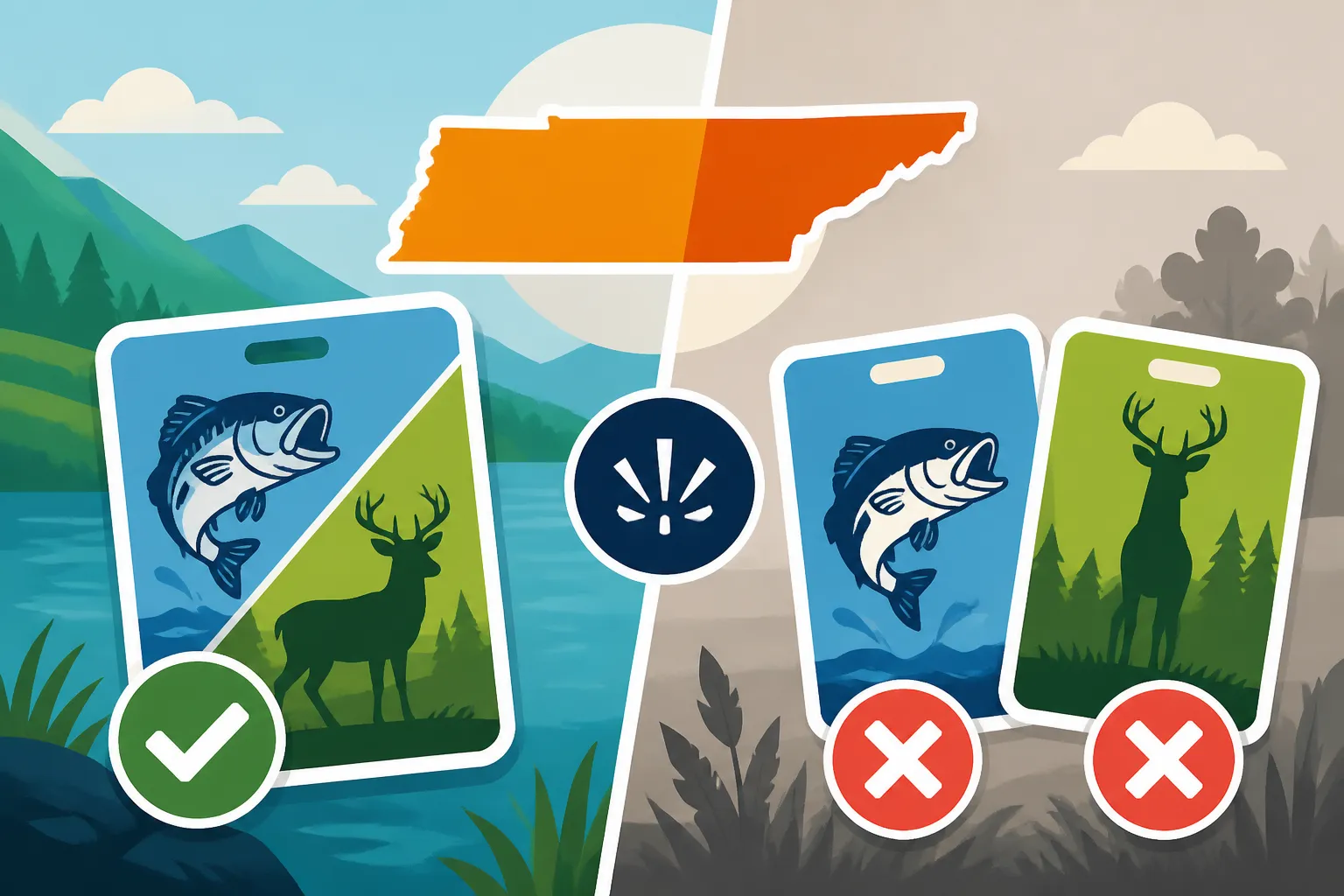
For many outdoor enthusiasts in Tennessee, the Resident Annual Sportsman (Type 001) license, commonly known as the combination license, seems like the obvious choice. It’s designed to be a comprehensive permit, a true "one-stop shop" for those who enjoy both angling and hunting throughout the year. But what does it truly entail, and is it always the best value?
What the Combination License Covers
The beauty of the combination license lies in its breadth. It's essentially a bundle deal that allows residents to legally pursue most hunting and fishing activities across the state. This includes everything from casting a line for bass in Kentucky Lake to hunting deer in the state's sprawling wildlife management areas. When you purchase this license, you're not just getting a basic fishing permit; you're often getting additional privileges that would otherwise require separate, individual permits. For instance, it typically covers big game, small game, waterfowl, and most freshwater fishing, including access to trout waters. It's designed for the avid outdoors person who truly wants to embrace all that Tennessee's abundant natural resources have to offer without constantly worrying about which permit they need for which activity. For instance, if you're planning a trip to the Clinch River for some trout fishing in the morning and then want to scout for deer sign in a nearby WMA in the afternoon, this single license has you covered.
Advantages of the Combination License
The most significant advantage of the combination license is its sheer convenience. Imagine not having to juggle multiple pieces of paper or digital files every time you head out. With one license, you're compliant for most activities. This also often translates into cost savings. While the initial outlay might seem higher than a basic fishing license, when you factor in all the individual permits it replaces – deer, turkey, waterfowl, trout, and so on – the Tennessee's resident combination hunt and fish license costs $33 a year and becomes a much more economical choice for active sportsmen. For instance, if you were to buy a basic fishing license, plus a trout permit, a deer permit, and a turkey permit separately, the costs would quickly surpass the combination license price. It simplifies your outdoor life, allowing you to focus on the experience rather than bureaucratic hurdles. Plus, knowing that One combination license covers both hunting and fishing in Tennessee, no need for two permits provides immense peace of mind.
Potential Drawbacks to Consider
While generally beneficial, the combination license isn't without its potential drawbacks, primarily for those who don't fully utilize all its inclusions. If you are exclusively a fisherperson and never intend to hunt, or vice-versa, then paying for the "hunt" or "fish" portion you won't use is essentially money wasted. Similarly, if your hunting activities are limited to very specific seasons or game, and your fishing is minimal, a specialized permit might be more cost-effective. For example, if you only fish a couple of times a year for bass and never hunt, a basic annual fishing license might be a better fit. It's crucial to honestly assess your participation level in both activities before committing to the combination license. This foresight prevents overspending on features you simply won't use.
When Separate Licenses Make More Sense
While the combination license offers convenience and often value, there are distinct situations where opting for separate hunting and fishing licenses can be the smarter financial or practical decision. It’s all about understanding your personal outdoor habits.
Understanding Individual Fishing Licenses
Tennessee offers a variety of individual fishing licenses tailored to different needs. For the angler who strictly sticks to fishing, these options can be much more budget-friendly than the full combination license. The most common is the basic annual fishing license, which covers most freshwater fishing activities. However, if you plan to fish for trout, you'll almost always need to add a trout permit, even with a combination license, unless it's explicitly included in the specific package you chose. For those who only fish occasionally or are visiting the state, options like the Tennessee Single-Day Fishing License Options are available, or perhaps a 3-day or 10-day nonresident license. There's also the Tennessee County-Only Fishing License Explained for residents who strictly fish within their home county, which offers a significant discount over the statewide annual license. Understanding these specific options is key to avoiding unnecessary expenses. For instance, if you live in rural Smith County and only ever drop a line in the Caney Fork River, a county-only license might be perfect for you, whereas a combination license would be overkill.
Understanding Individual Hunting Licenses
Just like with fishing, Tennessee provides specific hunting licenses designed for different types of game and hunter preferences. If your passion is solely hunting, and fishing simply isn't your thing, then purchasing a standalone hunting license makes perfect sense. These licenses are typically broken down by game type – for example, big game (deer, turkey), small game (squirrel, rabbit), and migratory bird permits. Each category often has its own specific permit. If you're a deer hunter but never fish, you'd buy a basic hunting license and any necessary big game permits. This ensures you're only paying for the privileges you intend to use. For specific seasons, you might also need supplemental stamps or permits for things like waterfowl or certain wildlife management areas. It's a granular approach that gives hunters precise control over their licensing needs.
Scenarios Where Two Licenses Outshine One
Consider these common scenarios where separate licenses might be a better fit:
- The Dedicated Single-Sport Enthusiast: If you are a die-hard angler who never touches a gun or a dedicated hunter who wouldn't know a fishing rod from a broomstick, then purchasing a combination license is simply paying for something you won't use. An annual fishing license, potentially with a trout permit, or a basic hunting license with the relevant big game stamps, will save you money.
- The Occasional Angler/Hunter: You might hunt once a year during deer season, but only fish during the summer with your kids. In this case, an annual hunting license combined with a short-term Tennessee Single-Day Fishing License Options or a youth license for your kids might be more economical than a full combination package.
- The Budget-Conscious, Local Angler: If you only ever fish in local ponds or rivers within your home county, the A $10 county-only license saves $23 compared to the $33 statewide license and is a no-brainer. This significantly reduces your annual outlay compared to the statewide combination option, provided you truly stick to your county boundaries. Remember that A Tennessee county-only license stops covering you once you leave your home county, so if you venture out to places like Percy Priest Lake or Watts Bar Lake, you’ll need a statewide license.
- Non-Resident Visitors: For those visiting Tennessee, the combination license isn't an option. Non-residents have their own specific licenses, usually offered in short-term (3-day, 10-day) or annual formats for either hunting or fishing, often with separate trout permits. These are tailored for shorter stays and specific activities.
Navigating Your Options and Making the Best Decision
Deciding between a combination license and separate licenses boils down to a few key factors about your outdoor lifestyle. It’s about being honest with yourself regarding your habits and making an informed choice that best suits your needs and budget.
Factors to Weigh for Your Lifestyle
- Frequency of Participation: How often do you hunt? How often do you fish? If you're out nearly every weekend doing both, the convenience and potential savings of a combination license make it a strong contender. If you only partake in one activity a few times a year, separate licenses might be more logical.
- Types of Activities: Do you hunt big game and small game, and waterfowl? Do you fish for bass, crappie, and trout? The more diverse your interests, the more value you'll likely find in a combination license. If you specialize in just one species or one type of hunting, you might find more focused individual permits to be sufficient.
- Budget Considerations: Lay out the costs. Compare the price of the combination license against the sum of the individual licenses you would need for each activity you plan to do. Don't forget any necessary stamps or permits for trout, big game, or specific areas. Sometimes, the difference is negligible, but often, for active participants, the combination comes out ahead. For example, a basic annual hunting license, an annual fishing license, and a trout permit bought separately can often exceed the cost of the combination license.
- Geographic Scope: Do you always stay within your home county, or do you travel across the state to various lakes and hunting grounds? A county-only fishing license might be perfect for localized fishing, but if you venture to Chickamauga Lake: Tennessee's Top Bass Fishing Destination or the mountains for trout, you'll need a statewide option.
Purchasing Your Tennessee License
Once you've made your decision, purchasing your license in Tennessee is straightforward. The Tennessee Wildlife Resources Agency (TWRA) makes it very accessible. You can easily How to Buy or Renew a Tennessee Fishing License Online through their official website. This is often the quickest and most convenient method, allowing you to print your license at home or keep a digital copy on your phone. You can also purchase them in person at various authorized license agents across the state, which often include sporting goods stores like Academy Sports + Outdoors, Bass Pro Shops, or even local bait and tackle shops. These physical locations are great if you prefer a tangible license or need some last-minute advice on local hotspots. Just be sure to carry proof of your license while fishing or hunting, as Carrying proof of your license while fishing in Tennessee is a requirement to avoid potential Penalties for Fishing Without a License in Tennessee.
Here's a quick comparison of common resident license options:
| License Type | Covers Hunting? | Covers Fishing? | Covers Trout? | Typical Cost (Approx.) | Best For |
|---|---|---|---|---|---|
| Annual Combination (Type 001) | Yes | Yes | Yes | $33 | Active hunters and anglers, year-round |
| Annual Fishing (Type 002) | No | Yes | No* | $30 | Dedicated anglers (add trout permit if needed) |
| Annual Hunting (Type 003) | Yes | No | No | $30 | Dedicated hunters (add game permits) |
| Annual Trout Permit (Type 005) | No | No | Yes | $20 | Required for trout, in addition to fishing license |
| County of Residence Fishing | No | Yes | No* | $10 | Anglers fishing ONLY in their home county |
Note: Trout access often requires an additional trout permit (Type 005) even with a basic fishing license, but it's usually built into the Type 001 Combination License.
Staying Informed About Regulations
Beyond just purchasing the right license, it's absolutely vital to stay informed about Tennessee's ever-evolving hunting and fishing regulations. While your license grants you the privilege to participate, it doesn't automatically educate you on specific rules, bag limits, or seasons. The TWRA publishes an annual "Tennessee Hunting and Trapping Guide" and "Tennessee Fishing Regulations" guide, which are indispensable resources. You can usually find these online or pick up a physical copy at license agents or TWRA offices. Things like Tennessee Fishing Season and Catch Limits are crucial, and Lake-Specific Fishing Rules That Override Tennessee's Statewide Limits can catch even experienced anglers off guard. Familiarize yourself with them! Ignorance is rarely an acceptable excuse if you run into a game warden. Checking these guides regularly, perhaps even having a digital copy on your phone or a printed one in your tackle box purchased from somewhere like Amazon, can save you a lot of headaches and potential fines. Also, remember to consider rules for specific activities, like Boat Fishing Rules and License Requirements in Tennessee if you’re heading out on the water. Finally, it's worth noting that How Long a Tennessee Fishing License Stays Valid is typically for 12 months from the date of purchase, not necessarily a calendar year, so keep an eye on your expiration date!
Disclaimer
The information provided in this guide is for general informational purposes only and does not constitute legal advice. Fishing and hunting regulations are subject to change, and it is the responsibility of each individual to verify current rules and regulations with the Tennessee Wildlife Resources Agency (TWRA) before engaging in any activities.