Wildlife Management Area Fishing Rules in Tennessee
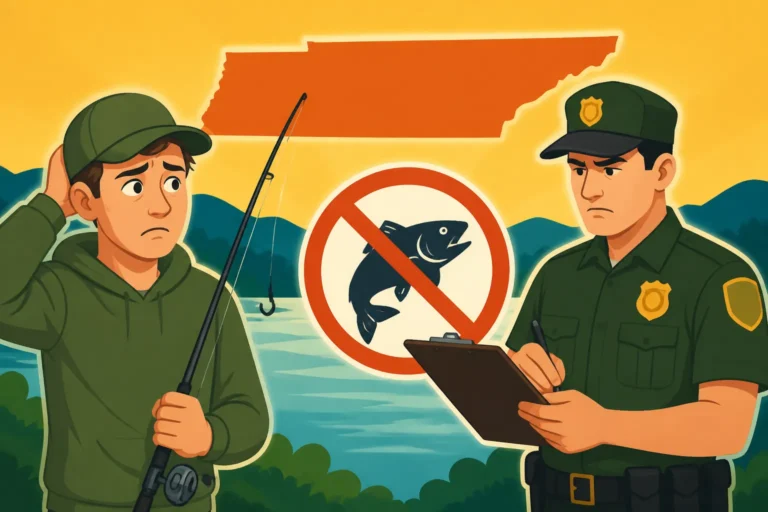
Picture this: you’ve meticulously planned your fishing trip, checked the statewide limits, and secured your Tennessee Fishing License Guide – only to arrive at your chosen spot, a Wildlife Management Area, and realize the rules posted are completely different from what you expected. It’s a common frustration, feeling like you need a law degree just to cast a line! This comprehensive guide is here to untangle the unique fishing regulations you’ll encounter in Tennessee’s Wildlife Management Areas (WMAs), ensuring your next adventure is smooth sailing, or rather, smooth casting.
Understanding Wildlife Management Areas in Tennessee
Wildlife Management Areas, or WMAs, are special places in Tennessee dedicated to conserving, managing, and enhancing wildlife populations and their habitats. While they offer incredible opportunities for outdoor enthusiasts, from hunting and birdwatching to hiking and, of course, fishing, their primary mission dictates a different set of rules compared to your average public lake or river. It’s not about making things difficult; it’s about protecting these precious resources for everyone, now and in the future.
What Exactly is a WMA?
A WMA is essentially a tract of land, often quite extensive, managed by the Tennessee Wildlife Resources Agency (TWRA) or cooperatively with other state and federal agencies like the U.S. Forest Service or the U.S. Army Corps of Engineers. Think of them as designated conservation zones, specifically tailored for certain wildlife species, be it deer, turkey, waterfowl, or specific fish populations. They often encompass diverse ecosystems, from dense forests and rolling hills to expansive wetlands and serene lakes, each requiring a unique management approach. Unlike state parks, which often prioritize recreation, WMAs have a stronger emphasis on habitat and wildlife first, with recreation being a carefully managed secondary benefit.
The specific boundaries and access points for WMAs are usually well-marked, but it’s always wise to consult official maps. These areas aren't just wild spaces; they are actively managed to support healthy wildlife populations through practices like prescribed burns, food plot maintenance, and, critically for us anglers, specific water management efforts. This hands-on management is what ultimately leads to the varied regulations you’ll find within their borders.
Why WMAs Have Different Rules
The reason WMAs often have rules that diverge from statewide norms boils down to their core purpose: conservation. Each WMA is managed with specific objectives in mind, which might include protecting a rare species, improving habitat for a struggling population, or ensuring a sustainable harvest of game animals and fish. For instance, a WMA might be critical breeding grounds for waterfowl, meaning fishing access could be restricted during certain migratory periods to minimize disturbance.
Furthermore, some WMAs are managed intensively for specific fish species, perhaps a trophy bass fishery or a stocked trout program. To achieve these goals, managers might implement stricter size and creel limits, or even enforce catch-and-release only regulations, for specific water bodies within the WMA. These localized rules are designed to give fish populations the best chance to thrive, promoting healthy ecosystems that benefit both wildlife and anglers. It’s about balance, ensuring that our fishing activities don’t inadvertently harm the very resources we cherish.
General Fishing Regulations Applicable to WMAs
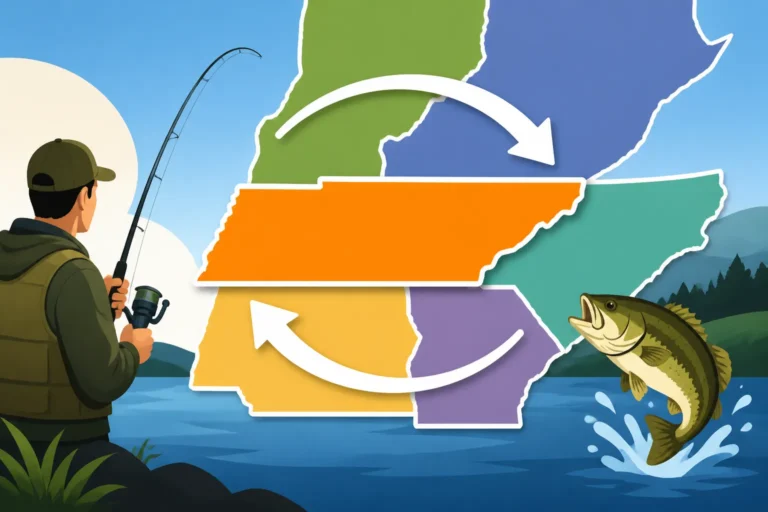
Even with all the unique quirks of Wildlife Management Areas, it’s important to remember that they don’t exist in a vacuum. Most of the fundamental fishing rules that apply across Tennessee still form the bedrock of WMA regulations. Think of WMA rules as layers built on top of the standard statewide framework, sometimes adding restrictions, sometimes altering them, but rarely completely replacing them.
The Baseline: Statewide Fishing License Requirements
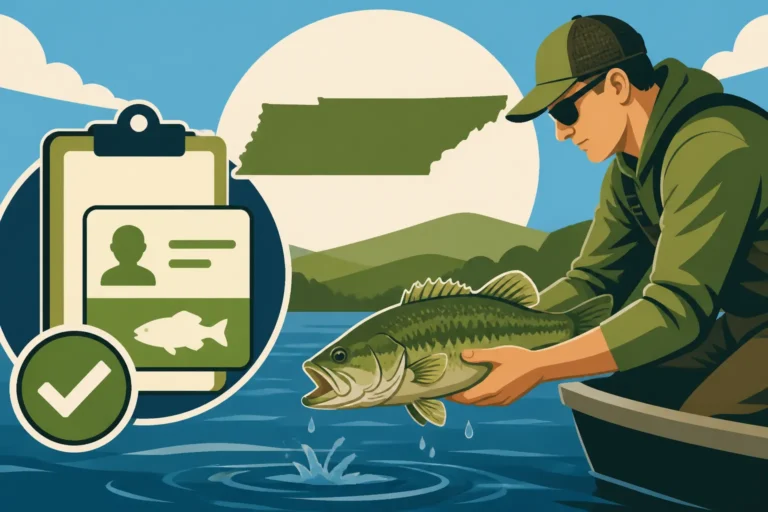
Let’s be crystal clear: if you plan to fish in a Tennessee WMA, you absolutely need a valid Tennessee fishing license. There are no special WMA fishing licenses that replace the statewide requirement; instead, WMA-specific rules are layered on top of your existing license. Whether you're a resident or non-resident, young or old, having the right license is your first step. You can check out our detailed guide on Tennessee Fishing License Costs and Types to find the permit that best fits your needs, from a basic annual license to a Tennessee Resident Combination Hunt and Fish License if you enjoy both activities.
Remember, licenses are mandatory for most anglers 13 years of age and older. Even if a WMA has a "free fishing day" promotion, it's usually tied to the statewide Bobby Wilson Free Fishing Day in Tennessee, which occurs once a year. Outside of that specific day or Tennessee's Free Fishing Week for Kids, your license must be current. The easiest way to get or renew your license is often online through the TWRA website, which means you can be covered even if you’re planning a last-minute trip.
Standard Statewide Creel and Size Limits
Just like the license, the statewide creel and size limits for various fish species are your initial guide when fishing in WMAs. For example, the general Statewide Bass Limits for Tennessee Anglers or the Crappie Limits Under Tennessee Fishing Rules will typically apply unless the WMA's specific regulations state otherwise. This means if you’re fishing for largemouth bass, you're usually looking at a daily limit of five fish, with only one over 18 inches. For crappie, the general rule is 20 fish per day, with only five over 12 inches.
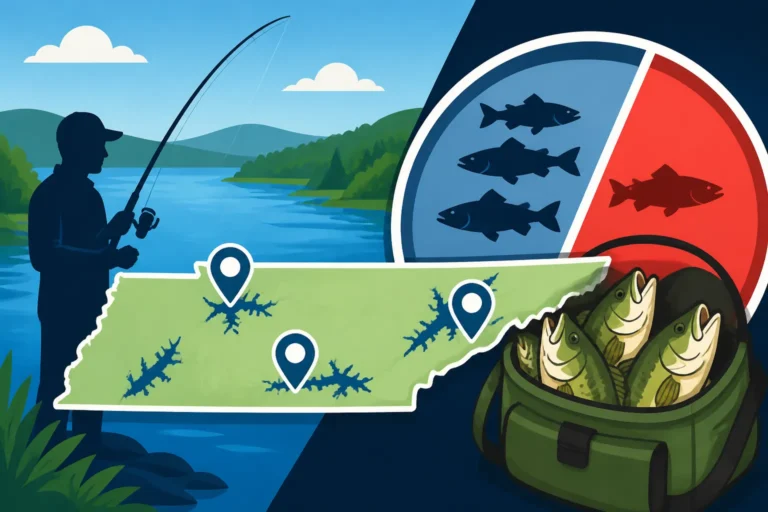
However, and this is the crucial part, WMAs have the authority to implement more restrictive or, occasionally, different limits for specific water bodies within their boundaries. You might encounter a WMA lake where the bass limit is three fish instead of five, or where all crappie must be released immediately. These variations are put in place to manage the specific fishery within that WMA, perhaps to allow a certain age class of fish to mature or to protect brood stock. It’s vital to check the WMA-specific regulations, often posted at access points or on the TWRA website, before you begin fishing. Don't assume that just because you know the statewide rules, you're in the clear for every WMA water.
Specific Fishing Rule Variations within WMAs
This is where things get interesting, and sometimes a little tricky, for anglers. Wildlife Management Areas are, by design, managed individually, leading to a patchwork of specialized rules that can catch even seasoned fishermen off guard. These variations are essential to the ecological goals of each WMA, so understanding them is key to a successful and legal outing.
Special Permits and Fees
While your general statewide fishing license is always required, some WMAs might necessitate an additional permit, often referred to as a "WMA Small Game and Waterfowl" permit, even if you’re only fishing. This can be confusing because the permit name doesn't explicitly mention fishing. The rationale is that these permits help fund the extensive management efforts within the WMA, which ultimately benefits all users, including anglers. These permits are typically annual and are relatively inexpensive compared to your main fishing license. You can usually purchase them through the TWRA website, just like your fishing license, or sometimes through authorized retailers. Before heading out, make it a habit to confirm if your target WMA requires such a permit – a quick check on the TWRA’s WMA specific page is all it takes.
Additionally, some WMAs, especially those with particularly popular or unique fishing opportunities, might charge a daily or annual access fee. These fees are often used to maintain facilities like boat ramps, parking areas, and fish habitat improvements. For example, some TWRA-managed lakes within WMAs may have a small ramp fee. While you won't typically find these extra permits or fees on large commercial platforms, you can find a lot of essential fishing gear and accessories on Amazon that will make your WMA trip more enjoyable, from robust tackle boxes to specialized water-resistant maps.
Unique Season Dates and Hours
One of the most common ways WMA fishing rules diverge from statewide norms is through altered season dates and hours. This is particularly true for WMAs that are heavily managed for hunting, as fishing might be restricted or entirely prohibited during certain hunting seasons (like deer or turkey season) to ensure hunter safety and minimize disturbance to game animals. You might find that a WMA lake is only open for fishing during specific times of the year, or only from dawn to dusk, even if statewide regulations would allow for 24-hour fishing on other public waters.
Consider the example of a WMA with significant waterfowl activity. During duck season, a lake within that WMA might be closed to all other activities, including fishing, to prevent disturbing the birds and interfering with hunting operations. Similarly, if a WMA has a particularly sensitive trout stream, the Tennessee Trout Limits and Season Rules might be further tightened, or the season might be shortened to protect spawning fish. Always check the specific WMA's regulations, which are usually published in the TWRA hunting and fishing guides or on their website, before planning your trip.
Waterbody-Specific Regulations
This is where the nuances really come into play. Many WMAs contain multiple ponds, lakes, or stretches of river, and it's not uncommon for each of these distinct water bodies to have its own unique set of fishing rules. These Lake-Specific Fishing Rules That Override Tennessee's Statewide Limits are often posted prominently at boat ramps or access points. You might find a scenario where one lake within a WMA is strictly catch-and-release for all species, while another nearby pond allows for harvest with specific size and creel limits.
Examples of these waterbody-specific rules include:
- Motor Restrictions: Some WMA lakes might be designated as "electric motors only" or "no gas motors" to reduce noise and pollution, maintaining a more pristine environment.
- Bait Restrictions: Certain waters, especially those managed for trout or sensitive species, might be "artificial lures only" or prohibit the use of live bait to prevent the introduction of invasive species or diseases.
- Species-Specific Rules: A particular pond might have an experimental bass management plan, leading to unusual size limits (e.g., slot limits where fish between certain sizes must be released).
These hyper-local rules are paramount, and ignoring them can lead to serious consequences, including fines and citations. Game wardens regularly patrol WMAs, and "I didn't know" is rarely an acceptable excuse.
Gear and Bait Restrictions
Beyond general creel and size limits, some WMAs implement very specific restrictions on the type of gear and bait you can use. This is particularly common in areas with sensitive ecosystems or for specific management goals. For instance, many trout streams within WMAs, especially those managed for wild or naturalized trout populations, will have "artificial lures only" or "fly fishing only" rules. This helps reduce incidental mortality from bait fishing, which can be higher, and protects the delicate stream environment.
You might also encounter restrictions on treble hooks (sometimes only single barbless hooks are allowed) or even specific types of lures. For catfish anglers, some WMAs might prohibit the use of trotlines or jug fishing, even if these methods are allowed on other public waters. It's not about spoiling your fun, but about protecting the fish and the fishing experience. If you’re planning to fish a WMA that often has stricter rules, like many of the smaller, intensively managed lakes or stream sections, it's worth checking out specialty gear on Amazon beforehand, such as barbless hook kits or a selection of Tennessee-appropriate fly patterns, to ensure you're compliant.
Navigating Common WMA Fishing Scenarios
Fishing in a WMA can be an incredibly rewarding experience, offering solitude and access to diverse, often well-managed fisheries. However, the unique rules and shared-use nature of these areas mean a little extra homework goes a long way. Being prepared and informed ensures your trip is enjoyable and hassle-free.
Planning Your WMA Fishing Trip
The absolute golden rule for fishing in any Tennessee WMA is to "Always Check Before You Go." The TWRA website is your best friend here. They have a comprehensive section dedicated to WMAs, often with individual pages for each area that list specific regulations, maps, and important notices. This is the official source of truth, and it's updated regularly. Don't rely solely on old printouts or hearsay from a buddy. Regulations can change seasonally, especially during hunting seasons, or if a particular fishery needs special attention.
When planning, look for:
- Specific Fishing Regulations: Are there special creel limits, size restrictions, or catch-and-release rules for the water body you intend to fish?
- Season Dates and Hours: Is the WMA open for fishing on your chosen dates? Are there any time restrictions (e.g., dawn to dusk)?
- Access Points and Restrictions: Are certain roads or access points closed seasonally? Do you need a special permit for vehicle access?
- Motor and Bait Rules: Can you use your gas motor? Is live bait allowed?
- WMA-Specific Permits: Double-check if a special WMA permit is required in addition to your How to Get a Tennessee Fishing License.
It's a good idea to download or print out the specific WMA regulations, especially if you anticipate having no cell service at your destination. A quick search for "TWRA [WMA Name] regulations" should get you to the right page.
Combining Fishing with Other Activities
Many WMAs are multi-use areas, meaning anglers will share the space with hunters, hikers, birdwatchers, and other outdoor enthusiasts. This shared environment necessitates awareness and respect for all users. The most significant overlap to consider is hunting season. During deer, turkey, or waterfowl seasons, certain sections of a WMA might be closed to fishing or other non-hunting activities for safety reasons. Even if not explicitly closed, the presence of hunters means you need to be extra vigilant and wear bright colors for visibility, especially if you plan to wade or walk through wooded areas.
It's a common misconception that since you're fishing, hunting seasons don't affect you. In WMAs, they absolutely can. For instance, you might want to fish a remote pond in a WMA in November, which is prime deer hunting season. Not only might access be restricted, but for your own safety, it's generally advisable to avoid being in areas where hunting is active. Always check the hunting schedules for the specific WMA you plan to visit. Understanding the other activities allowed in the WMA will help you plan your fishing trip to avoid conflicts and ensure everyone has a safe and enjoyable experience. Many outdoor enthusiasts use Amazon to find high-visibility clothing and safety gear that can be invaluable when venturing into multi-use areas.
Key Tennessee WMAs and Their Fishing Nuances
Tennessee is home to a vast network of WMAs, each with its unique character, challenges, and, of course, fishing opportunities. From the Appalachian foothills to the Mississippi floodplains, these areas offer diverse angling experiences, but remembering that each one might have its own twist on the rules is paramount.
To illustrate the point about variations, let's look at a few prominent WMAs across the state and their potential fishing nuances.
Percy Priest WMA (Nashville Area)
Percy Priest Lake is a massive body of water, and its WMA sections, particularly those along the eastern and southern shores near Nashville, offer significant fishing opportunities. While much of the main lake falls under standard Tennessee Fishing Regulations Explained, the WMA portions can have special considerations. For instance, specific coves or backwaters within the WMA might be managed for waterfowl, leading to seasonal closures for fishing, especially during the fall and winter months.
You might also find that smaller, impounded ponds within the Percy Priest WMA have specific regulations regarding motor usage (often electric motors only) or even bait restrictions. Given its proximity to a major metropolitan area, these areas are popular, meaning resource management is particularly important. Always consult the TWRA specific WMA map and regulations for Percy Priest WMA, which detail access points and any localized rules for ponds or coves, to avoid any surprises.
North Cherokee WMA (East Tennessee)
Spanning parts of the Appalachian Mountains in East Tennessee, the North Cherokee WMA is vast and rugged, offering incredible opportunities for trout and smallmouth bass in its cold, clear streams. This WMA includes significant portions of the Cherokee National Forest, where regulations are often more stringent to protect the sensitive mountain ecosystems. For instance, many streams within the North Cherokee WMA are designated as "Class A" or "Class B" trout waters, which often come with special tackle and bait restrictions.
You'll frequently encounter "artificial lures only" or "single hook only" rules in these areas, particularly for Tennessee Trout Fishing Season Explained. Some areas might even be "fly fishing only." Access can also be a challenge, with many remote streams requiring significant hiking to reach. Always verify the specific section of the WMA and the stream you plan to fish, as rules can vary even from one tributary to the next. The TWRA and National Forest Service websites are crucial resources for navigating these complex regulations.
Reelfoot Lake WMA (West Tennessee)
Reelfoot Lake in West Tennessee is unlike any other body of water in the state, formed by a series of earthquakes in the early 19th century. Its unique cypress tree-filled swamps and shallow waters support a phenomenal crappie and catfish fishery. The Reelfoot Lake WMA has very specific regulations tailored to its unique ecology and historical management practices. For example, the Crappie Limits Under Tennessee Fishing Rules might be modified within certain zones of the WMA during peak seasons to manage population dynamics.
Because much of the WMA is marshy, there can be specific restrictions on boat types, motor sizes, and even times of year when certain areas are accessible due to water levels. The TWRA also actively manages waterfowl hunting on Reelfoot, so expect seasonal closures or restrictions for fishing in specific zones during the duck hunting season. Given the lake's unique structure, understanding boat access and navigation rules is just as important as the fishing regulations themselves.
Chickamauga WMA (Southeastern Tennessee)
Chickamauga Lake is renowned for its trophy bass, making it one of the Best Fishing Lakes in Tennessee. The Chickamauga WMA, located along portions of this celebrated lake and its tributaries, offers both excellent fishing and important wildlife habitat. While the main lake's fishing regulations apply broadly, the WMA components, especially smaller backwater ponds, creeks, or managed marshlands, might have localized rules.
These rules could include restrictions on gas motors in shallow areas to protect aquatic vegetation, or specific harvest limits for panfish like bluegill or redear sunfish within smaller impoundments. During certain seasons, particularly waterfowl hunting season, specific access points or coves within the WMA might be closed to anglers to reduce disturbance. It's essential to check the TWRA's Chickamauga WMA guidelines for any area-specific mandates, ensuring you're compliant while pursuing those legendary bass or panfish.
Essential Tips for WMA Anglers
Venturing into a Wildlife Management Area offers a distinct blend of challenge and reward. To ensure your trips are both productive and respectful of these invaluable natural spaces, keeping a few key tips in mind will make all the difference. Remember, we're guests in these areas, and responsible angling helps preserve them for everyone.
Always Check Before You Go
Seriously, I cannot emphasize this enough. While statewide fishing regulations provide a solid foundation, the rules within WMAs are dynamic and can be surprisingly specific. Just because you visited a WMA last year doesn't mean the rules haven't changed. The Tennessee Wildlife Resources Agency (TWRA) is constantly monitoring these areas, and regulations can be updated due to population surveys, habitat changes, or even seasonal management objectives. Your best resource is always the official TWRA website or the latest annual hunting and fishing guide. Look specifically for the section on Wildlife Management Areas, and then navigate to the page for your chosen WMA.
It's not just about what you can catch, but also when and how you can access the area. Are there gates that close at certain times? Are certain roads only open seasonally? Are there special permits required for specific activities, even if you’re just fishing? All these details can be found on the TWRA’s official platforms. A few minutes of research before you leave home can save you a frustrating drive, or worse, a citation. Remember, ignorance of the law is no excuse, and Penalties for Fishing Without a License in Tennessee, or in violation of WMA rules, can be steep. Having a digital copy of the regulations on your phone, or a printed one, is a smart backup plan, especially in areas with spotty cell service.
Respect the Habitat and Fellow Users
Wildlife Management Areas are shared spaces, and demonstrating respect for the natural environment and other outdoor enthusiasts is crucial. This means practicing "Leave No Trace" principles: pack out everything you pack in, including all trash, fishing line, and discarded bait containers. Avoid damaging vegetation, especially sensitive aquatic plants, and never disturb wildlife nests or dens. Maintaining the natural integrity of the WMA ensures it remains a healthy habitat for years to come.
Furthermore, WMAs are often bustling with diverse activities. You might encounter hunters during their designated seasons, hikers on trails, or birdwatchers seeking rare species. Be mindful of their presence and avoid creating disturbances. For instance, if you see a group of birdwatchers, try to minimize noise and approach with care. During hunting seasons, especially for waterfowl, give hunters ample space and avoid casting near active hunting blinds. By being courteous and aware, you contribute to a positive experience for everyone who cherishes these valuable public lands. Carrying a good pair of binoculars, which you can easily find on Amazon, can help you spot other users from a distance and plan your approach, or even just enhance your overall appreciation of the WMA's diverse wildlife.
Disclaimer
The information provided in this guide is for general informational purposes only and is subject to change. While we strive to provide accurate and up-to-date information, fishing regulations and WMA-specific rules can be updated by the Tennessee Wildlife Resources Agency (TWRA) at any time. It is the responsibility of each angler to consult the most current official TWRA regulations and WMA-specific rules before engaging in any fishing activities. Failure to do so may result in penalties.