Crappie limit in Tennessee is 20 fish per day
Navigating the specific rules for fishing can sometimes feel like trying to untangle a stubborn fishing line, especially when it comes to daily catch limits and size restrictions. It's a common frustration for anglers, both seasoned and new, who just want to enjoy their time on the water without worrying about inadvertently breaking a rule. This comprehensive guide is here to unravel the crappie limits in Tennessee, ensuring you understand exactly what you can keep and why these regulations are in place.
Understanding Tennessee's Statewide Crappie Daily Limit
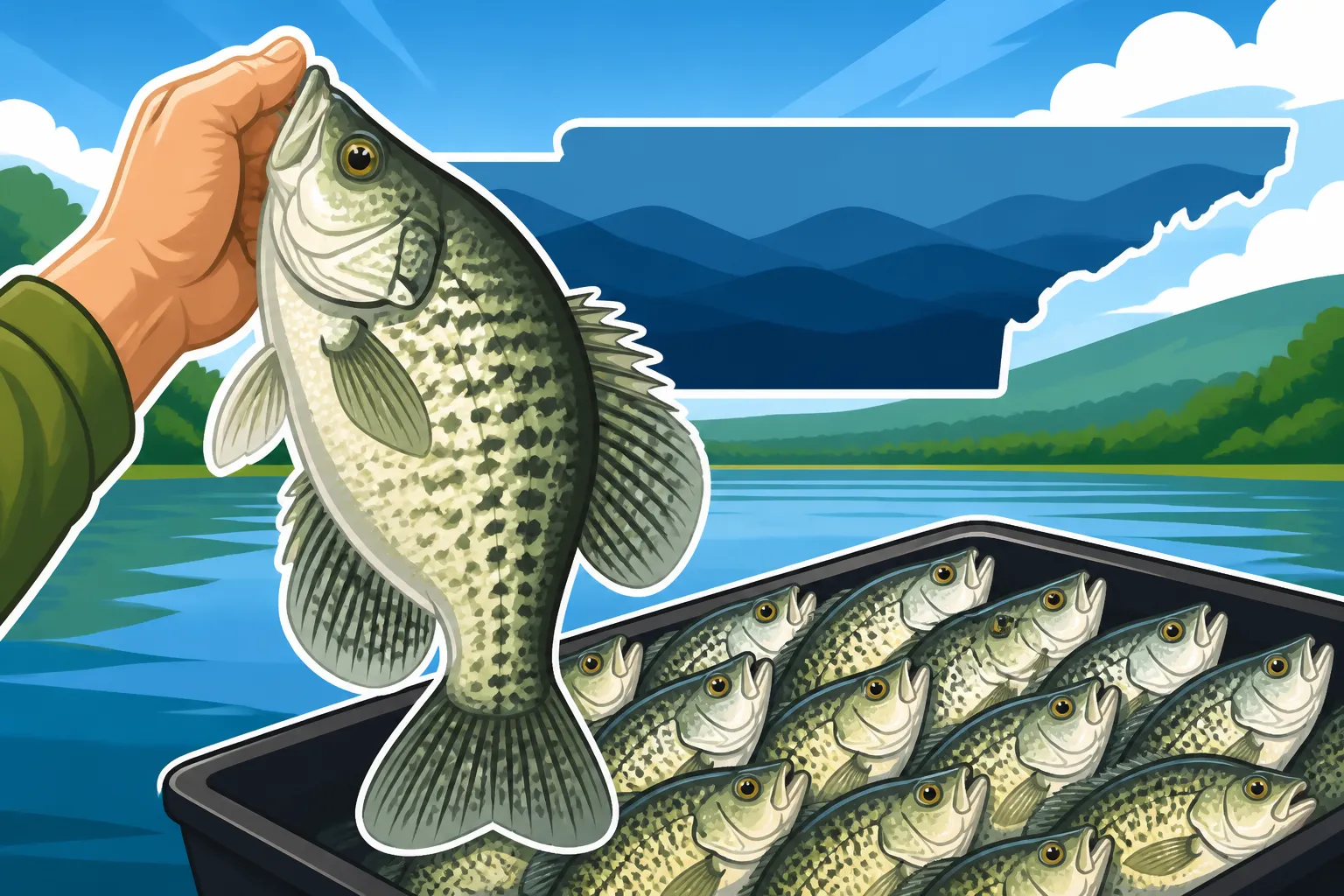
When you’re out on the beautiful waters of Tennessee, chasing those slab crappie, it’s absolutely essential to know the rules of the game. The Tennessee Wildlife Resources Agency (TWRA) sets these limits with the health of the fish populations and the quality of your fishing experience in mind. For crappie, whether you're targeting black crappie or white crappie, the statewide daily creel limit is pretty straightforward: you can keep a total of 20 crappie per day.
This 20-fish limit applies to the combined total of both black and white crappie. So, if you catch 10 black crappie and 10 white crappie, you've reached your daily quota. It’s not 20 of each; it's 20 total for the day. This unified limit simplifies things, so you don't have to worry about identifying every single crappie species when you're making your count. Remember, this daily limit is a per-person rule, so if you're fishing with a buddy, each of you gets to keep up to 20 crappie, as long as you both hold a valid A Complete Guide to Fishing Licenses in Tennessee and adhere to all other regulations.
It's tempting, especially on a hot bite, to keep reeling them in, but staying mindful of your count is crucial. These limits are designed to prevent overfishing and to ensure that there are plenty of crappie for future generations of anglers to enjoy. Think of it as sharing the bounty with everyone else who loves fishing in Tennessee. Keeping an accurate tally helps maintain the ecological balance that makes Tennessee one of the best fishing destinations around.
The Nuance of the 20-Fish Crappie Daily Limit
While the 20-fish daily limit is the overarching rule, it's important to grasp that it’s not just a free-for-all of any size crappie you pull from the water. Many anglers initially assume they can keep any 20 fish, but there’s a critical size restriction that comes into play for a portion of your catch. This detail is where some confusion can sometimes arise, but once you understand it, it’s quite simple to follow.
The core idea is that you can keep a good number of crappie, allowing for a satisfying day on the water and a delicious meal. However, the TWRA also wants to protect the larger, more mature crappie that are essential for spawning and maintaining healthy populations. This balance is key to sustainable fishing. Therefore, the majority of your crappie catch can be of any size, but a select few have a minimum length requirement. This helps ensure that the smaller, younger fish have a chance to grow, and the larger breeders continue to contribute to the fishery. It’s a thoughtful approach to managing a beloved sport fish in Tennessee.
As you spend more time on the water, you'll find that paying attention to these details becomes second nature. It's all part of being a responsible angler. Having a reliable measuring device on hand is not just a good idea, it's a necessity. You can find durable, easy-to-read fish rulers on platforms like Amazon, which make checking your catch simple and quick, even when your hands are wet. This small piece of gear is invaluable for ensuring you comply with the specific size regulations that accompany the daily creel limit.
Understanding the Size Restrictions for Crappie
Now, let's dive into the part that often requires a bit more attention: the size restrictions. Yes, you can keep 20 crappie per day, but here’s the kicker: only 5 of your 20 daily crappie may be over 12 inches. This regulation is specifically designed to protect the larger crappie, which are typically the most productive breeders. It's a conservation measure that plays a huge role in ensuring there's a strong crappie population year after year.
Imagine you're having an incredible day on the water, and every crappie you reel in is a big one, easily over 12 inches. While exhilarating, you can only keep five of those larger fish. The remaining fifteen of your 20-fish limit must be 12 inches or under. This isn't to say smaller crappie aren't fun to catch or delicious to eat; it's about safeguarding the genetic health and spawning potential of the crappie fishery. It can be a little disappointing to release a big fish, but knowing you're contributing to a thriving ecosystem for future fishing trips makes it worthwhile. This rule is a perfect example of why Tennessee Fishing Regulations Explained are so important to study before you head out.
This specific rule prevents anglers from solely targeting and harvesting only the biggest crappie, which could quickly deplete the breeding stock. By limiting the number of large crappie you can keep, the TWRA encourages anglers to harvest a mix of sizes, which is healthier for the overall crappie population. It’s about balance—enjoying your catch while also being a good steward of the resource. This is also Why Tennessee caps large crappie separately from the overall daily limit is such a crucial piece of knowledge for any serious crappie angler.
How to Apply the 5 Over 12 Inches Rule
Applying this rule properly on the water is simpler than it might sound, but it requires a bit of discipline. Let’s walk through a scenario. You start your day, and the crappie are biting. You catch a 10-inch crappie – that goes into your livewell, counting towards your 20-fish limit, and it’s under the 12-inch mark. Then you land a beautiful 13-inch crappie. That’s one of your five "over 12 inches" fish. You continue fishing, catching more crappie under 12 inches. You keep them until you have 15 of them. At this point, you've used up your "under 12 inches" quota for the day, and you still have four slots left for crappie over 12 inches.
What happens if you've kept your five crappie over 12 inches, and you catch another monster? Unfortunately, that fish, no matter how impressive, must be immediately released. It doesn't matter if you only have 10 total crappie in your livewell; if five of them are already over 12 inches, you cannot keep any more large ones. Your remaining 15 fish must be 12 inches or less. It’s critical to keep a running mental (or even physical) tally throughout your fishing trip. Many anglers use a small whiteboard or a clicker counter to keep track of their catch, especially when dealing with nuanced limits like this one.
Furthermore, it's worth noting that most of your crappie catch can be any size under the 20-fish cap, but only after accounting for those 5 larger fish. If you only catch crappie under 12 inches all day, you are perfectly fine to keep 20 of them. The restriction only kicks in when you start catching those larger, trophy-sized crappie. This distinction often trips people up, but it really boils down to prioritizing the longevity of the big fish while allowing for a generous harvest of smaller ones.
Here’s a quick summary of the statewide crappie limits in Tennessee:
| Category | Daily Limit | Size Restriction | Notes |
|---|---|---|---|
| Total Crappie | 20 fish | Combined Black and White Crappie | This is your absolute maximum daily harvest. |
| Crappie Over 12 Inches | 5 fish | Must be 12.00 inches or greater (total length) | Once you have five, all other crappie must be 12 inches or under. |
| Crappie Under 12 Inches | 15 fish | Any size below 12.00 inches (total length) | These count towards your overall 20-fish limit. |
Local and Lake-Specific Crappie Rules
While the statewide crappie limits serve as the general guideline across Tennessee, it’s absolutely vital to remember that these are just the defaults. Many specific lakes, reservoirs, and even sections of rivers within Tennessee have their own unique fishing regulations that can and often do override the statewide rules. Failing to check these local rules is one of the quickest ways to find yourself in a bind with a game warden. It’s not uncommon for a particular lake to have a slot limit for crappie, a different minimum size, or even a reduced daily creel limit to address specific population dynamics in that body of water.
For instance, a lake might have a rule stating "crappie less than 10 inches and greater than 12 inches may be kept, with a protective slot from 10-12 inches that must be released." Or perhaps a specific reservoir known for trophy crappie might reduce the daily limit to 10 fish to further protect the resource. These localized regulations are put in place by the TWRA after careful biological assessment of the fish populations in those specific waters. They are designed to fine-tune management strategies for optimal fish health and angling opportunities. Always, and I mean always, check the current TWRA Fishing Guide or their website for the specific body of water you plan to fish. Don't rely on memory or what someone told you last year, because regulations can change.
One of the most valuable resources for this is the TWRA's annual fishing guide, which you can often pick up at your local sporting goods store or download from their website. This guide will detail all the Lake-Specific Fishing Rules That Override Tennessee's Statewide Limits for various species, including crappie. It's truly your best friend for staying compliant and informed. Remember, ignorance of the law is never an excuse, especially when it comes to wildlife regulations. Take the extra five minutes to confirm the rules for your chosen destination before you even load your boat or pack your tackle box.
The Importance of Checking Before You Go
It’s easy to assume that if you know the statewide crappie limit, you’re good to go anywhere. However, this oversight can lead to serious consequences, including fines and confiscation of your catch. Imagine spending a glorious day fishing on Kentucky Lake, catching your 20 crappie with 5 over 12 inches, only to find out later that Kentucky Lake has a special 10-fish limit for crappie at certain times of the year or in certain zones. That's a mistake no angler wants to make.
This is why preparing for your trip involves more than just checking the weather and packing your favorite jigs. It involves a quick but essential regulatory check. The TWRA's online resources are usually updated promptly, offering the most current information. You can also visit bait shops or local marinas around your target lake, as they often have the latest printed guides or local knowledge about specific rule variations. These small businesses are a treasure trove of information, and the folks who work there are usually passionate anglers themselves, happy to help you stay on the right side of the law. You might even find some fantastic local crappie jigs for sale there, or pick up a new crappie rod and reel combination that you've been eyeing online, perhaps even from a trusted retailer like Amazon.
Beyond just crappie, these local rules can apply to other species as well, affecting everything from bass limits to trout seasons. So, when you're planning your fishing adventure, whether it's for the Crappie Fishing Season in Tennessee Lakes or another species, make it a habit to cross-reference the statewide rules with any specific regulations for your chosen body of water. This diligent approach not only keeps you out of trouble but also supports the TWRA's efforts to manage Tennessee's incredible fisheries responsibly for everyone.
Ethical Angling and Conservation for Crappie
Adhering to crappie limits isn't just about avoiding penalties; it's about being an ethical angler and contributing to the conservation of Tennessee’s natural resources. Every time you respect the daily bag limit and the size restrictions, you're actively participating in a larger effort to ensure healthy fish populations for generations to come. Crappie are a popular sport fish, and their popularity means they face significant fishing pressure. Without these regulations, it would be all too easy for their numbers to dwindle, impacting both the ecosystem and the angling opportunities we cherish.
Think about the long-term impact. If everyone consistently took more than their share or ignored size limits, the crappie would simply not have enough time to reproduce and replenish their numbers. This could lead to smaller average fish sizes, fewer fish overall, and a less enjoyable fishing experience for everyone. The rules are a framework for sharing, a communal agreement that allows everyone to take part in the sport without depleting the resource. It’s about more than just catching fish; it’s about nurturing the environment where those fish thrive.
Consider the role of larger crappie, those "over 12 inches" that have a stricter limit. These larger, older fish are often the most successful spawners, producing a higher quantity of viable eggs. By limiting the harvest of these vital broodstock, the TWRA helps ensure a robust future for crappie populations. It’s a classic example of "fishing smart" – balancing immediate gratification with long-term ecological health. Being a responsible angler means understanding and valuing this balance.
Tips for Practicing Responsible Crappie Fishing
To truly embody ethical angling, there are several practices you can adopt that go beyond simply following the rules. First and foremost, when measuring your crappie, do so carefully and quickly. A good, flat measuring board can help you get an accurate length without unduly stressing the fish. If a fish is borderline, or if you're unsure, it's always best to err on the side of caution and release it. This small act of generosity ensures you stay compliant and gives that fish a chance to grow or reproduce.
Secondly, practice proper catch-and-release techniques for any fish you intend to put back. Handle crappie gently, especially if you plan to release them. Wet your hands before touching the fish to protect its slime coat, which is vital for its immune system. Use pliers or a dehooking tool to quickly remove hooks. If a fish is deeply hooked and bleeding heavily, it might be best to keep it if it's within your legal limit, rather than releasing it to die. Otherwise, get it back into the water as swiftly as possible. This applies whether you're using a simple bobber and minnow rig or specialized Crappie Jigging Techniques Explained.
Finally, be an advocate for conservation. Educate fellow anglers, especially newer ones or children, about the importance of these limits. Share your knowledge about Tennessee's Best Crappie Lakes but also emphasize responsible practices. Participate in local clean-up efforts around fishing spots, and report any suspicious activity, such as individuals consistently exceeding limits, to the TWRA. Our collective actions are what preserve the incredible fishing opportunities Tennessee offers. Keeping a small, personal cooler handy, which you can easily find on Amazon, helps keep your legally harvested crappie fresh for the table, another aspect of respectful angling.
What Happens if You Exceed Crappie Limits
Nobody wants to face a game warden with a worried look on their face, especially not because of an honest mistake about fishing regulations. But let's be realistic: mistakes happen, or sometimes, unfortunately, people intentionally disregard the rules. It's crucial to understand the potential consequences of exceeding crappie limits in Tennessee. The Tennessee Wildlife Resources Agency takes these regulations very seriously because they are fundamental to managing and protecting the state's valuable fisheries.
The penalties for violating fishing regulations, including exceeding bag limits or keeping undersized fish, can range from fines to more severe repercussions. At the very least, you're likely to receive a citation and a fine, which can often be hundreds of dollars. The exact amount can vary depending on the severity of the violation, the number of fish over the limit, and whether it's a first offense or a repeat issue. On top of financial penalties, your fishing equipment, including your boat, tackle, and even your catch, could be confiscated. Imagine losing your prized fishing rod or having your day's hard-earned crappie taken away.
More serious or repeated violations can even lead to the suspension or revocation of your fishing license. This means you could be prohibited from fishing in Tennessee for a period, or even permanently in extreme cases. For passionate anglers, losing the privilege to fish is often a far greater punishment than any fine. That's why understanding and adhering to rules like Tennessee Fishing Rules Every Angler Should Know is not just a suggestion, but a necessity for anyone who enjoys the sport. It's truly not worth the risk.
Avoiding Violations and Staying Compliant
The best way to avoid any run-ins with enforcement is simply to be informed and prepared. As we've discussed, always check the current TWRA regulations for both statewide and specific body-of-water rules before you cast your first line. Keep a physical copy of the fishing guide with you, or have the TWRA app downloaded on your phone. Technology makes it easier than ever to have access to this information right at your fingertips.
A simple yet effective strategy is to keep a measuring device handy and use it for every fish you're considering keeping, especially when approaching the 12-inch mark for crappie. Don't eyeball it; measure it. If you're counting fish towards your limit, use a stringer or a cooler with a separate compartment for fish over 12 inches to help you keep track. Some anglers even use a simple tally mark system on a waterproof notepad. These small organizational habits can prevent costly mistakes.
Remember that Carrying proof of your license while fishing in Tennessee is also essential. A digital copy on your phone is usually acceptable, but it's always good to have a backup, whether it's a screenshot or a printed copy, in case your phone battery dies or you lose signal. The goal is to make it as easy as possible for both you and any game warden to confirm you are fishing legally and responsibly. Being a thoughtful and well-prepared angler allows you to focus on the joy of fishing, rather than the worry of potential violations.
Disclaimer
Please remember that fishing regulations are subject to change. While every effort has been made to provide accurate and up-to-date information, it is the angler's responsibility to consult the most current Tennessee Wildlife Resources Agency (TWRA) fishing guide or website before fishing. This guide is for informational purposes only and should not be considered legal advice.