Quiet Backwater Coves Along the Tennessee River
There’s nothing quite like the dream of a peaceful day on the water, rod in hand, with nothing but the gentle lapping of waves against the bank. But let's be real, the main channels of the Tennessee River system can feel more like a bustling highway than a tranquil fishing haven, especially on a sunny weekend. Loud bass boats zooming by, jet skis carving wakes, and crowds at every popular spot can quickly shatter that idyllic vision. If you’re tired of competing for space and want to rediscover true solitude and phenomenal fishing, then finding those quiet backwater coves along the Tennessee River is your secret weapon, and this guide is here to show you how.
Why Backwater Coves Offer a Unique Fishing Experience
The Tennessee River is a majestic waterway, stretching across the state with its massive reservoirs and diverse ecosystems. While the main body of the river is famous for its abundant fisheries and record-breaking catches, it's often the hidden, less-traveled backwater coves that provide the most rewarding and relaxing angling experiences. These tucked-away corners are genuinely special.
Escape the Crowds and Noise
One of the biggest draws of backwater coves is the sheer tranquility they offer. Imagine casting your line into calm, undisturbed waters, surrounded by the sounds of nature rather than roaring boat engines. On a typical Saturday, the main lake might be a hive of activity, but just a short distance away, a narrow cove can feel like an entirely different world. This reduced boat traffic isn't just about peace of mind for you; it also means less pressure on the fish. Fish in quieter areas are often less wary and more likely to strike, making for a more productive day on the water. It’s a chance to truly unwind, enjoy the scenery, and connect with the natural environment that brought you to the water in the first place. You can really get into a rhythm, focusing on your presentation without constant interruptions. This peaceful setting is a welcome relief for anyone who's ever felt frustrated by the frenetic pace of popular fishing spots.
Prime Habitat for Diverse Species
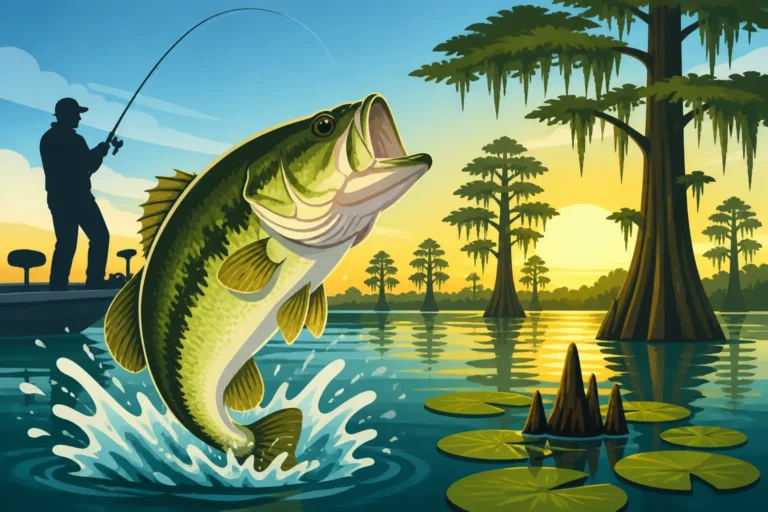
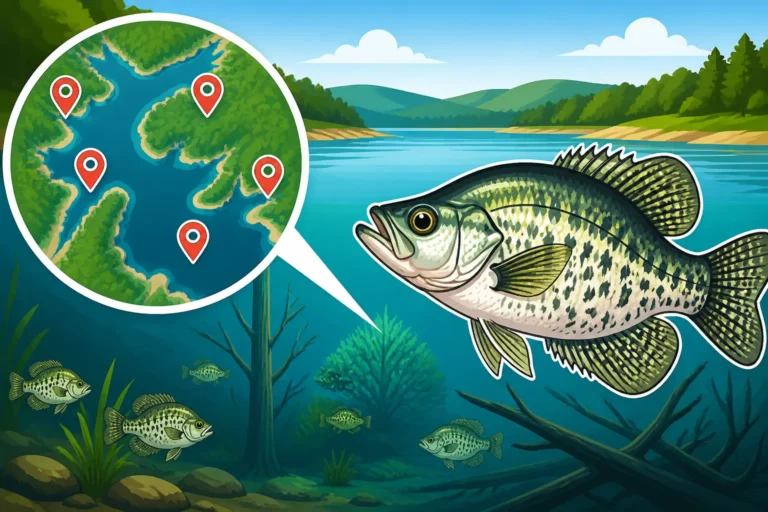
Beyond the serenity, backwater coves are ecological hotspots, serving as critical habitats for a wide variety of fish species. These areas are typically shallower, with more submerged timber, brush piles, lily pads, and aquatic vegetation that provide excellent cover and ambush points for predatory fish. The calmer waters also tend to be warmer and more oxygenated in certain seasons, creating ideal conditions for baitfish to thrive, which in turn attracts larger gamefish. You'll often find a healthy population of largemouth bass lurking around submerged logs or grass beds, patiently waiting for their next meal.
Crappie love the brush piles and deeper creek channels within coves, especially during the spring spawn when they move into shallower water to build nests. Catfish, including channel cats and even some flatheads, will seek out the soft bottoms and deeper pockets where feeder creeks enter the coves. And don't forget the plentiful panfish like bluegill and redear sunfish, which make these spots fantastic for family outings or teaching kids to fish. The sheltered nature of these coves means they can offer consistent action even when conditions on the main lake are rough or windy. You're not just looking for one type of fish; you're exploring a miniature ecosystem designed to support a thriving aquatic community.
Locating and Accessing Secluded Backwater Coves
Finding these hidden gems takes a bit of research and a willingness to explore beyond the obvious boat ramps. It's an adventure in itself, but the rewards are well worth the effort.
Reading Maps and Satellite Imagery
In today's digital age, your best friend for scouting backwater coves is often a good map. Start with detailed topographical maps, which can show you contours, depths, and potential underwater structure. The Tennessee Wildlife Resources Agency (TWRA) also offers excellent mapping resources that highlight public access points and often denote submerged features. But for real-time reconnaissance, nothing beats satellite imagery. Applications like Google Maps or even specialized fishing apps can give you a bird's-eye view of the river, allowing you to spot narrow channels, secluded bays, and dense pockets of vegetation that indicate a promising cove. Look for areas where feeder creeks enter the main river, as these often create the silty, nutrient-rich environments that fish love. Examine shorelines for overhanging trees, fallen timber, or small points that jut out into the water. These visual cues can save you a lot of time on the water, helping you hone in on high-potential spots before you even launch your boat. Sometimes, you'll see a tiny opening that looks like it might be too small for anything but a canoe, and those are often the most untouched and productive spots.
Utilizing Smaller Watercraft
Once you've identified a few potential coves, getting there might require a change of pace from your typical bass boat. While some larger coves are accessible by bigger vessels, many of the truly secluded spots are best reached by smaller, more agile watercraft. Kayaks, canoes, paddleboards, and smaller jon boats with shallow-draft capabilities are perfect for navigating tight entrances, dodging submerged obstacles, and slipping silently into undisturbed waters. The stealth factor of these smaller boats cannot be overstated; you can approach fish without spooking them, making for a much more natural and effective presentation.
Furthermore, a kayak or canoe allows you to access incredibly shallow areas where larger boats simply can't go, opening up entire new sections of water for exploration. You can easily maneuver around fallen trees or through dense stands of lily pads, getting your lure into places that rarely see a hook. This type of fishing offers a more intimate connection with the environment, allowing you to truly immerse yourself in the quiet beauty of the Tennessee River's hidden corners. Make sure to check out our guide on Kayak Fishing Gear Checklist for Tennessee Rivers if you're thinking about making the switch!
Bank Fishing and Wade Access Opportunities
Not everyone has a boat, and that's perfectly okay! Many backwater coves, especially those within state parks, Wildlife Management Areas (WMAs), or public lands, offer excellent bank fishing or even wade fishing opportunities. Finding these spots usually involves a bit more ground-level exploration. Look for public access points that lead to smaller, protected coves or sections of river that have minimal current. These can often be found where bridges cross smaller creeks, or at the end of undeveloped roads that dead-end near the water.
When bank fishing, look for natural structures like fallen trees, rock piles, or dense aquatic vegetation close to shore. These are prime hiding spots for fish. Wade fishing requires a bit more preparation, including appropriate waders and wading boots, but it can grant you access to areas that are otherwise unreachable, allowing you to cast to precise spots that rarely see a lure. Always be mindful of the current, water depth, and slippery bottoms when wading. Before you head out, check local regulations for specific park or WMA rules regarding fishing access. It’s a fantastic way to experience these quiet spots without the need for a boat, perfect for a spontaneous outing. Many anglers find the simplicity of a backpack, a few lures, and a good rod to be the most satisfying way to fish these waters.
Effective Techniques for Fishing Tennessee River Backwaters
The calmer, often shallower nature of backwater coves calls for slightly different techniques than what you might employ on the main river. Adaptability is key to success here.
Targeting Bass in Structure-Rich Coves
Bass absolutely thrive in backwater coves. Largemouth bass, in particular, love the abundant cover and calmer waters. When you're targeting bass here, think about getting your lure into, around, and through the thick stuff. Texas-rigged plastic worms or creature baits are indispensable, allowing you to fish weed beds and submerged timber with minimal hang-ups. Jigs, especially those with weed guards, are also highly effective when pitched into brush piles or under docks. Spinnerbaits and chatterbaits can be deadly when retrieved parallel to grass lines or along the edges of fallen trees, mimicking baitfish moving through cover.
During the pre-spawn and spawn periods, bass will move into the shallower, warmer waters of these coves, making them fantastic places to find cruising fish. Look for dark spots, which might indicate bedding areas. In the post-spawn and summer months, bass will often retreat to the shade of overhanging trees or deeper pockets within the coves during the heat of the day. Using topwater lures like frogs or poppers can be incredibly exciting in early morning or late evening when bass are actively feeding on the surface, especially over lily pads or thick mats of vegetation. For deeper insights, our guide on Tennessee Bass Fishing Seasons and Patterns offers comprehensive advice. If you're struggling to find the right spots, sometimes booking a local guide through platforms like FishingBooker can provide invaluable on-the-water instruction for these specific scenarios.
Crappie and Panfish Strategies
Backwater coves are often crappie and panfish paradises. For crappie, focus on brush piles, submerged timber, and any subtle depth changes or creek channels within the cove. Small jigs, typically 1/32 to 1/8 ounce, tipped with a minnow or a soft plastic grub, are standard fare. A popular technique is "jigging" these structures, slowly working your bait up and down through the cover. Using a slip bobber can also be incredibly effective, allowing you to present your bait at a precise depth above or within the structure without getting snagged. Look for schools of crappie congregated around submerged cover, especially during the cooler months when they tend to school up, and in the spring when they move shallow to spawn.
Panfish like bluegill and shellcrackers are usually found closer to the banks, especially around vegetation, docks, or over gravel beds. Small pieces of worm, crickets, or tiny artificial baits under a bobber are almost guaranteed to get bites. This is truly where you can get some consistent action, and it’s perfect for introducing younger anglers to the joys of fishing. A simple cane pole and a worm can provide hours of entertainment for kids here. Don't forget to explore our Tennessee Crappie Fishing Guide by Season for more tailored crappie advice.
Catfish in Deeper Pockets and Channels
While bass and crappie might dominate the shallower parts of backwater coves, don't overlook the catfish, particularly in the deeper pockets, drop-offs, and where feeder creeks empty into the cove. These areas often have softer, muddier bottoms that catfish prefer. Bottom fishing is the go-to technique here. Use a simple Carolina rig with a circle hook, baited with cut bait (shad or skipjack are excellent choices), chicken liver, or shrimp. The calmer waters of the cove mean your bait will stay put more easily, allowing the scent to disperse and attract curious cats.
Many anglers find that night fishing in these secluded coves can be incredibly productive for catfish, as they become more active feeders after dark. Just be sure to have appropriate lighting and be aware of your surroundings. Check out our guide on Night Fishing Techniques for Catfish for more specific tips on after-dark angling. Look for areas with a slightly deeper channel running through the cove or where there's a significant drop-off near the mouth. The convergence of a creek and the main body of water can also create natural current breaks and deeper holes where catfish will lie in wait.
Real-World Backwater Coves to Explore
The Tennessee River system is vast, offering countless coves, but some lakes are particularly renowned for their excellent backwater fishing. Let's pinpoint a few areas where you can start your exploration.
Exploring Coves on Chickamauga Lake
Chickamauga Lake, near Chattanooga, is famous for its trophy bass, but its numerous backwater coves are where many of those giants begin their lives and seek refuge. Areas like Harrison Bay and Wolftever Creek are prime examples. Harrison Bay, while popular, has many fingers and smaller coves branching off that can offer surprisingly quiet fishing. You'll find dense hydrilla beds, standing timber, and boat docks that hold significant numbers of largemouth bass. Wolftever Creek is another excellent spot, with its winding channels and numerous secondary coves providing ample cover for both bass and crappie.
The key here is to venture beyond the main access points and look for those narrower, less-trafficked arms of the creek. These areas often warm up faster in the spring, drawing in pre-spawn bass, and provide cooler, shaded relief in the summer. For crappie, look for submerged brush piles or deep bends in the creek channels within these coves. If you're looking for an expert to navigate these complex waters, a local guide found on FishingBooker can show you some of Chickamauga's lesser-known, productive backwaters. For more general information on fishing this lake, consider our piece on Chickamauga Lake: Tennessee's Top Bass Fishing Destination.
Secluded Spots on Kentucky Lake's Backwaters
Kentucky Lake, one of the largest man-made lakes in the world, offers an almost overwhelming number of backwater coves, especially on the Tennessee side. The Big Sandy River embayment and the Blood River area are particularly rich with these secluded spots. These areas are characterized by vast stretches of shallower water, numerous creek channels, and extensive stands of cypress trees and submerged timber. The sheer size of these embayments means you can easily get away from the crowds and find your own piece of tranquility.
Crappie fishing in Kentucky Lake's backwater coves is legendary, particularly in the spring. Look for them around cypress trees, stump fields, and brush piles in 3-10 feet of water. Bass fishing is equally strong, with largemouth hiding in the dense cover. Many of these coves also hold good populations of channel and blue catfish, especially in the deeper cuts and channels. Accessing some of these further-back areas might require a longer run in a smaller boat or even a patient paddle. Our detailed guide on Kentucky Lake Fishing on the Tennessee Side provides a fantastic overview of this massive fishery.
Hidden Gems on Watts Bar Lake
Watts Bar Lake, located between Knoxville and Chattanooga, offers a diverse landscape with both wide-open main lake sections and numerous intricate coves and creek arms. Places like Piney Creek and White Creek are excellent starting points for backwater exploration. These creeks wind their way inland, offering a series of progressively quieter and more secluded coves. You'll find a mix of rocky banks, fallen timber, and some aquatic vegetation, providing varied habitat for fish.
Watts Bar's coves are great for bass, crappie, and even some large catfish. During the warmer months, bass will often seek out the cooler, shaded water far back in these creeks. Crappie will hold to the timber and brush, and catfishing can be excellent in the deeper holes, especially near the mouths of any smaller feeder streams. The accessibility here can vary; some coves have public ramps, while others require careful navigation or a smaller craft launched from a less formal spot. Don't be afraid to put in the effort to explore, as the less obvious spots are often the most rewarding. For more insights on the lake's offerings, check out Watts Bar Lake, Tennessee's Largest Lake for Fishing.
Here's a quick comparison of fishing the main river versus backwater coves:
| Feature | Main Tennessee River Channel | Backwater Coves |
|---|---|---|
| Crowd Level | High, especially weekends and holidays | Low to moderate, often secluded and quiet |
| Boat Traffic | Very heavy, large wakes, fast boats | Minimal, mostly smaller boats or no traffic |
| Primary Species | Striped Bass, Deepwater Bass, Catfish, some Crappie | Largemouth Bass, Crappie, Panfish, Channel Catfish |
| Habitat | Open water, deep channels, ledges, main lake points | Submerged timber, brush piles, lily pads, vegetation |
| Water Clarity | Varies, often more turbid with high traffic | Generally clearer and calmer |
| Typical Depth | Deep to very deep | Shallow to moderate (5-20 feet common) |
| Fishing Method | Trolling, deep cranking, jigging ledges, live bait | Flipping, pitching, jigging, topwater, slip bobbers |
| Ideal Watercraft | Large bass boats, deep-V boats, pontoons | Kayaks, canoes, jon boats, small fishing boats |
Disclaimer
The information provided in this guide is for general informational purposes only. Fishing conditions, regulations, and access points can change frequently. Always consult the latest Tennessee Wildlife Resources Agency (TWRA) regulations before heading out on the water. Be mindful of private property, obtain necessary permissions, and prioritize safety on all fishing excursions.