Kayak Fishing Gear Checklist for Tennessee Rivers
There’s nothing quite like the freedom of paddling a kayak down a Tennessee river, the current guiding you, the quiet broken only by the dip of your paddle or a fish jumping. But that serene picture can quickly turn frustrating if you find yourself unprepared, miles from the launch, realizing you’ve forgotten something crucial. This guide is all about equipping you properly for kayak fishing on Tennessee's incredible rivers, ensuring you have everything you need for a safe, successful, and stress-free adventure.
The Kayak Itself: Your Primary Vessel
Choosing the right kayak is foundational to a great river fishing experience. It's not just about getting from point A to point B; it's about stability, maneuverability, and comfort over hours on the water, often in varying conditions. Tennessee's rivers can range from calm, lazy floats to swift currents and rocky stretches, so your boat needs to be up to the task.
Choosing the Right Kayak for Tennessee Rivers
When you're looking at kayaks for river fishing in Tennessee, you'll generally be weighing the pros and cons of sit-on-top versus sit-inside models. For most anglers, a sit-on-top (SOT) kayak is the preferred choice for river fishing, especially on larger rivers like the Cumberland River or parts of the Tennessee River. SOTs offer superior stability, making it easier to cast, retrieve, and even stand up to sight fish, though standing in river currents requires practice and a stable platform. They also have scupper holes that allow water to drain out, which is a huge benefit if you take on a wave or some splash in faster sections.
On the other hand, sit-inside kayaks offer more protection from the elements, which can be nice on a chilly morning, and they might be a bit faster through the water due to their hull design. However, they can be harder to re-enter if you flip, and they tend to hold water unless you have a good skirt and know how to properly bail. For smaller, calmer streams, or if you're a seasoned paddler looking for speed, a sit-inside might work, but for general fishing on varied Tennessee rivers, the versatility and stability of a SOT usually win out. Consider the length and width; shorter kayaks (around 10-12 feet) are more maneuverable for winding rivers, while wider kayaks offer more stability. You'll also want to think about the weight, especially if you'll be loading and unloading solo or portaging around rapids.
Essential Kayak Accessories and Rigging
Once you have your kayak, it's time to deck it out with the accessories that make fishing from it practical and enjoyable. A good paddle is non-negotiable. Don't skimp here; a lightweight, appropriately sized paddle will save your shoulders and energy over a long day. Look for one with an adjustable feathering angle and durable blades, perhaps even a leash to keep it from floating away if you set it down. You can find excellent options for Best Kayak Paddles for Fishing at various outdoor retailers.
Next, consider an anchor system. For river fishing, a lightweight drag chain or a stake-out pole can be incredibly useful for holding your position in a current or quietly anchoring in shallow water. A trolley system, which allows you to move your anchor point from bow to stern along the side of your kayak, is invaluable for adjusting to current or wind without having to reposition the anchor itself. Rod holders are also key; flush-mount holders keep rods out of the way, while adjustable or track-mounted holders offer more versatility for different casting angles or trolling. Finally, think about storage. A milk crate or a specialized kayak fishing crate in the tankwell can organize your tackle, and dry bags are essential for keeping your phone, keys, and extra layers safe and dry from splashes or an unexpected dip.
Personal Safety and Comfort on Tennessee Waters
Safety should always be your top priority, especially when you're on the water, potentially far from help. The tranquility of a river can sometimes lull you into a false sense of security, but currents, submerged obstacles, and changing weather can quickly turn a peaceful outing into a challenging situation. Being prepared ensures you can handle whatever the river throws your way.
Life Jackets and Personal Flotation Devices PFDs
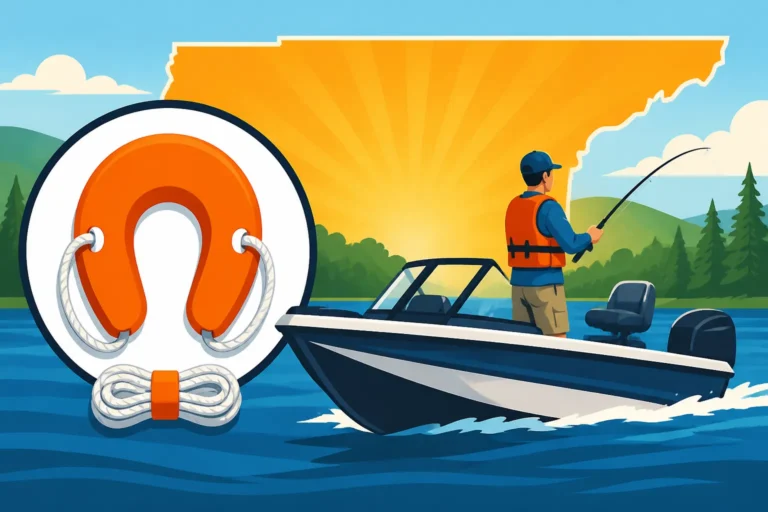
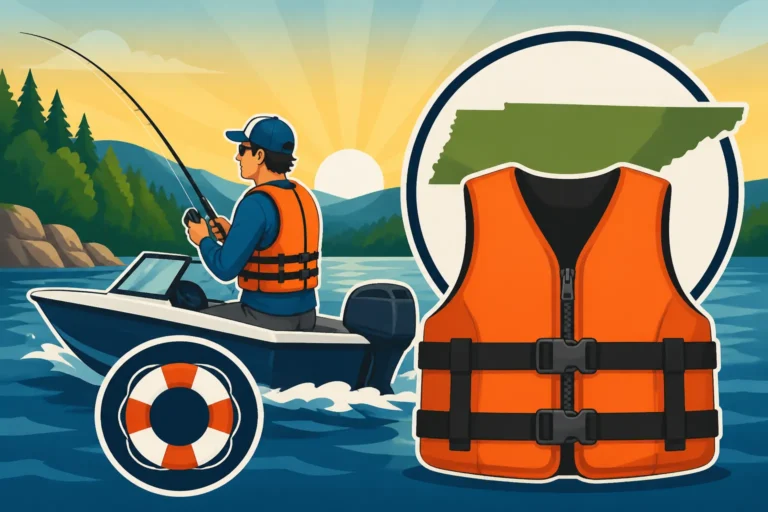
Wearing a life jacket, or Personal Flotation Device (PFD), is not just a good idea; it's often a legal requirement and an absolute necessity for kayak fishing. Even if you're a strong swimmer, a PFD provides buoyancy in an emergency, especially if you're knocked unconscious, become entangled, or are struggling in cold water. In Tennessee, children under 12 must wear a PFD at all times while on a boat (including kayaks) unless they are in an enclosed cabin. Even for adults, having it on is far better than having it stowed; if something unexpected happens, you won't have time to retrieve it. For more details on rules, check out Life Jacket Rules for Kayaks and Canoes in Tennessee.
When choosing a PFD for kayak fishing, look for comfort and functionality. A Type III PFD, often called a "fishing vest" PFD, is designed with large armholes for paddling, multiple pockets for small gear (like clippers, line, or a whistle), and often a high back to avoid interfering with your kayak seat. Inflatable PFDs are also an option for adults, offering minimal bulk, but require manual or automatic inflation and regular maintenance. Brands like Bass Pro Shops often have a wide selection, so you can try on different styles to find one that fits snugly without restricting your movement. A PFD that's uncomfortable will likely end up stowed, defeating its purpose.
Essential Safety Gear Beyond the PFD
Beyond your PFD, there are several other critical items you should always have onboard. A loud whistle is vital for signaling for help, especially if your voice can't carry over the water or through dense foliage. A bright light or headlamp is necessary if you're fishing at dawn, dusk, or planning to be out past sunset, as visibility can drop rapidly. A well-stocked first-aid kit, even a compact one, is crucial for handling minor cuts, scrapes, or insect bites that are common outdoors. You'd be surprised how often a small band-aid or antiseptic wipe comes in handy.
Communication is another huge factor. While cell phones are great, service can be spotty on some remote stretches of Tennessee rivers. Consider a waterproof case for your phone and keep it in an easily accessible, yet secure, dry spot. For larger rivers or more remote areas, a marine VHF radio can offer more reliable communication with other boaters or emergency services. Finally, don't forget sun protection. Long days on the water mean constant exposure, so a wide-brimmed hat, polarized sunglasses (to reduce glare and spot fish!), and high-SPF sunscreen are non-negotiable. Good water shoes or wading boots can also be a lifesaver when launching from rocky banks or portaging around shallow sections.
Rods, Reels, and Tackle: The Business End of Fishing
The right fishing gear can make all the difference between a frustrating day of missed bites and a successful outing. For kayak anglers, the challenge isn't just about what gear you need, but how to effectively manage it within the limited space of a kayak. You'll want versatility, durability, and a smart approach to tackle storage.
Selecting Rods and Reels for Kayak Fishing
When it comes to rods for kayak fishing on Tennessee rivers, many anglers opt for slightly shorter rods than they might use from a large boat or the bank. A rod in the 6-foot to 7-foot range offers better maneuverability for casting in tight spaces, under low-hanging branches, or around your kayak's rigging. However, if you're targeting larger species like striped bass or catfish on bigger rivers, you might want a bit more backbone and length for fighting power. The key is to find a balance between casting distance and control in close quarters.
For reels, spinning reels are often favored by kayak anglers for their ease of use, especially when casting lightweight lures or fishing with one hand. They're also less prone to backlashes, which can be a real hassle to untangle in a kayak. Baitcasting reels, while offering more precision and power, come with a steeper learning curve but are excellent for pitching and flipping into heavy cover for species like largemouth bass. You'll want reels that are saltwater-rated or at least highly corrosion-resistant, as they'll likely encounter more splashes and damp conditions in a kayak. Thinking about the species you'll target is critical; for instance, a medium-light spinning setup for crappie will differ greatly from a medium-heavy baitcasting setup for river smallmouth bass. You can find excellent choices for Best Rods and Reels for Tennessee Smallmouth Bass to get started.
Strategic Tackle Management and Selection
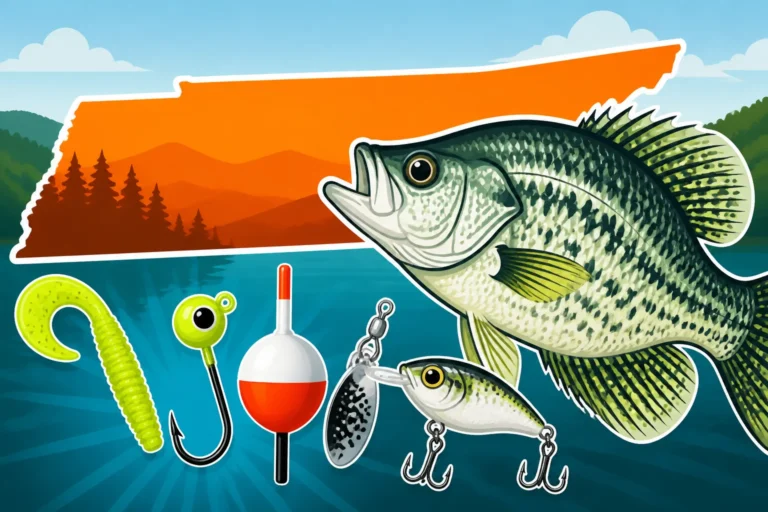
Managing your tackle effectively in a kayak is an art form. Forget those massive tackle boxes; you need compact, organized solutions that are easy to access but secure. Waterproof tackle bags or smaller, stackable utility boxes that fit neatly into your kayak crate are ideal. Organize your lures by type and target species to avoid fumbling around when the bite is hot. For Tennessee rivers, you'll want a versatile selection of lures. Soft plastics like worms, creature baits, and swimbaits are always effective for bass, especially around structure or current breaks. Crankbaits and spinnerbaits are great for covering water and triggering reaction strikes. For crappie, small jigs and live minnows often do the trick, while catfish anglers might focus on cut bait or stink baits fished on the bottom.
Don't forget the small but essential items: extra hooks, various weights, swivels, and a selection of leader lines (fluorocarbon or monofilament). A pair of sharp fishing pliers and line clippers should always be within easy reach, perhaps attached to your PFD. Consider river-specific challenges: strong currents can necessitate heavier weights to get your bait down, and snags are frequent, so bringing extra lures and plenty of line is wise. An organizational system that allows for quick changes and secure storage will keep your focus on fishing, not on a tangled mess at your feet.
Navigation, Communication, and Fish Finding
Being able to navigate safely, communicate when necessary, and efficiently locate fish are all critical components of a successful kayak fishing trip on Tennessee's diverse waterways. Without these tools, you might find yourself lost, unprepared, or simply spending more time searching than catching.
Getting Around and Staying Connected
Understanding the river you're on is paramount. Before you even launch, study maps of the area. Identify potential hazards like rapids, dams, or shallow shoals, as well as promising fishing spots such as eddy lines, submerged structures, or creek mouths. For navigation while on the water, a reliable GPS unit or a smartphone app with detailed mapping features is incredibly valuable. Many apps allow you to download maps for offline use, which is great for areas with no cell service. It allows you to mark waypoints for good fishing spots, track your route, and know exactly how far you are from your launch or takeout point.
Beyond knowing where you are, staying connected for safety is crucial. As mentioned before, a waterproofed phone in an accessible dry bag is a must. For longer trips or more remote rivers, consider a personal locator beacon (PLB) or a satellite messenger device. These can send emergency signals even when you're far from cell towers, giving you peace of mind. Always inform someone of your float plan, including your launch point, intended route, and expected return time. This simple step is one of the most effective safety measures you can take. Remember that Tennessee River Fishing Access Points can be varied, so knowing your entry and exit strategies beforehand is key.
Electronics for Locating Fish
While some purists might prefer to fish without electronics, a good fish finder can significantly enhance your success, especially on larger Tennessee rivers and reservoirs. For kayak anglers, portability and efficient battery life are key. Many compact, portable fish finders are available that can be easily mounted to your kayak and powered by a small, rechargeable battery. These units typically show you depth, water temperature, and the presence of fish and underwater structure.
When choosing a fish finder, consider the type of transducer it uses (e.g., traditional sonar, DownImaging, SideImaging) and the clarity of its display. DownImaging and SideImaging can be particularly useful for identifying submerged trees, rock piles, or ledges where fish tend to hold, giving you a better understanding of the river's contours. Even a basic unit can help you find channel drops or schools of baitfish, which are often indicators of larger game fish nearby. While not strictly necessary for every trip, having a fish finder, perhaps one from Bass Pro Shops or Amazon, can turn a scouting mission into a fishing success story by revealing hidden gems beneath the surface. For options, look into Best Kayak Fish Finders for Anglers.
Food, Hydration, and Miscellaneous Essentials
A day on the water, especially paddling and fishing, can be physically demanding. Staying fueled and hydrated is essential for maintaining energy levels, focus, and overall enjoyment. Beyond sustenance, a few other miscellaneous items can make your trip significantly more comfortable and prepare you for minor inconveniences.
Sustenance for a Day on the Water
Proper hydration is paramount. Always bring more water than you think you'll need. Dehydration can creep up on you quickly, especially on warm, sunny days. Consider a water bottle that can be easily accessed while paddling, or a hydration bladder system that allows you to sip hands-free. Electrolyte drinks can also be beneficial on particularly hot days or strenuous trips.
For food, pack non-perishable, easy-to-eat snacks and a meal that doesn't require much preparation. Sandwiches, energy bars, nuts, and fruit are excellent choices. A small, soft-sided cooler that fits neatly in your kayak can keep your food and drinks cool without taking up too much precious space. Remember to pack out everything you pack in; leave no trace behind. This includes all food wrappers, empty bottles, and any fishing line scraps. Preserving the natural beauty of Tennessee's rivers for future anglers is everyone's responsibility.
The "What If" Gear: Unexpected Situations
Even with the best planning, unexpected situations can arise. A good multi-tool or a sharp knife is incredibly versatile for cutting line, making small repairs, or even opening stubborn packaging. A length of paracord or rope can be invaluable for tying off your kayak, securing gear, or even as an emergency tow rope if you encounter another paddler in distress.
A small repair kit, perhaps some duct tape and zip ties, can fix a surprising number of minor issues, from a leaky dry bag to a broken rod tip guide. A spare paddle, broken down into two pieces, can also be a lifesaver on longer, more remote trips. While it takes up space, a lost or broken paddle can leave you stranded. Finally, a headlamp or flashlight is essential not just for unexpected evening paddles, but also for searching your gear in low light or setting up camp if you're on a multi-day trip. These little things, often overlooked, can be the difference between a slight inconvenience and a significant problem. Always consider the potential challenges of a day on the water and pack accordingly.
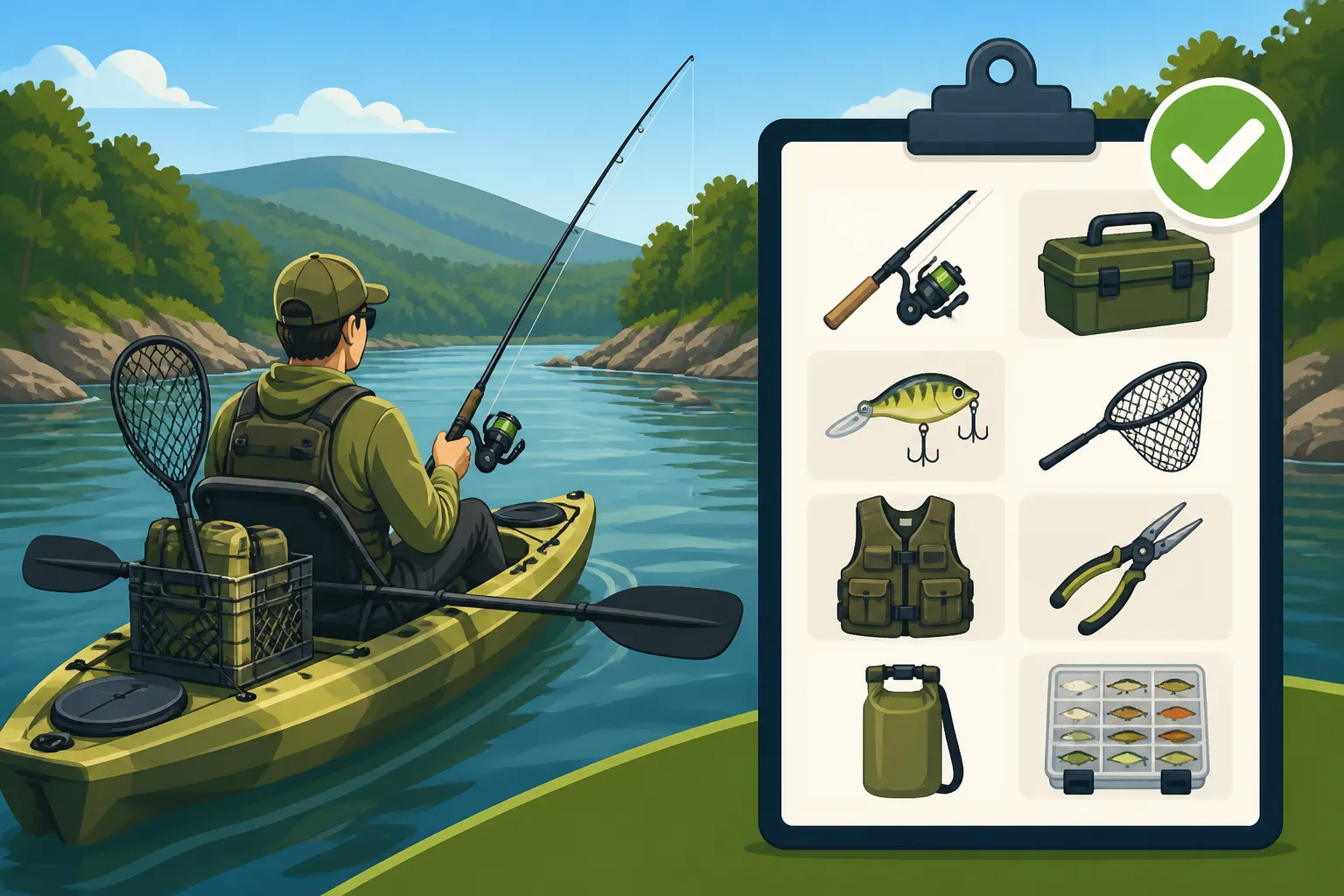
| Category | Essential Item | Why It's Crucial |
|---|---|---|
| Kayaking Gear | Paddle with leash | Propulsion, control, prevents loss |
| PFD (Life Jacket) | Personal safety, flotation in emergencies | |
| Anchor system (drag/stake) | Hold position in current, target specific spots | |
| Dry bag/box | Protect electronics, wallet, keys from water | |
| Rod holders | Secure storage, hands-free fishing | |
| Safety & Comfort | Whistle | Signaling for help |
| First-aid kit | Treat minor injuries, bug bites | |
| Sunscreen, hat, sunglasses | UV protection, glare reduction | |
| Water shoes/boots | Protection for feet during launch/portage | |
| Communication device | Phone (waterproofed), VHF radio for emergencies | |
| Fishing Specifics | Rods & Reels | Appropriate for target species and kayak casting |
| Compact Tackle Bag | Organized lure/terminal tackle storage | |
| Pliers & Clippers | Hook removal, line cutting, lure adjustments | |
| Landing net | Safely land fish, especially larger ones | |
| Navigation/Info | GPS/Map App | Route tracking, marking spots, emergency navigation |
| Fish Finder (optional) | Locate fish and underwater structure | |
| Sustenance/Misc. | Water & Snacks | Hydration, energy for long days |
| Small Cooler | Keep drinks/food cold | |
| Multi-tool/Knife | Versatile for repairs, cutting line | |
| Headlamp/Flashlight | Low-light visibility, emergency situations |
Disclaimer
This article is for general informational purposes only and does not constitute professional advice. Laws, prices and regulations vary by location and change over time. Consult a qualified professional for guidance on your specific situation.