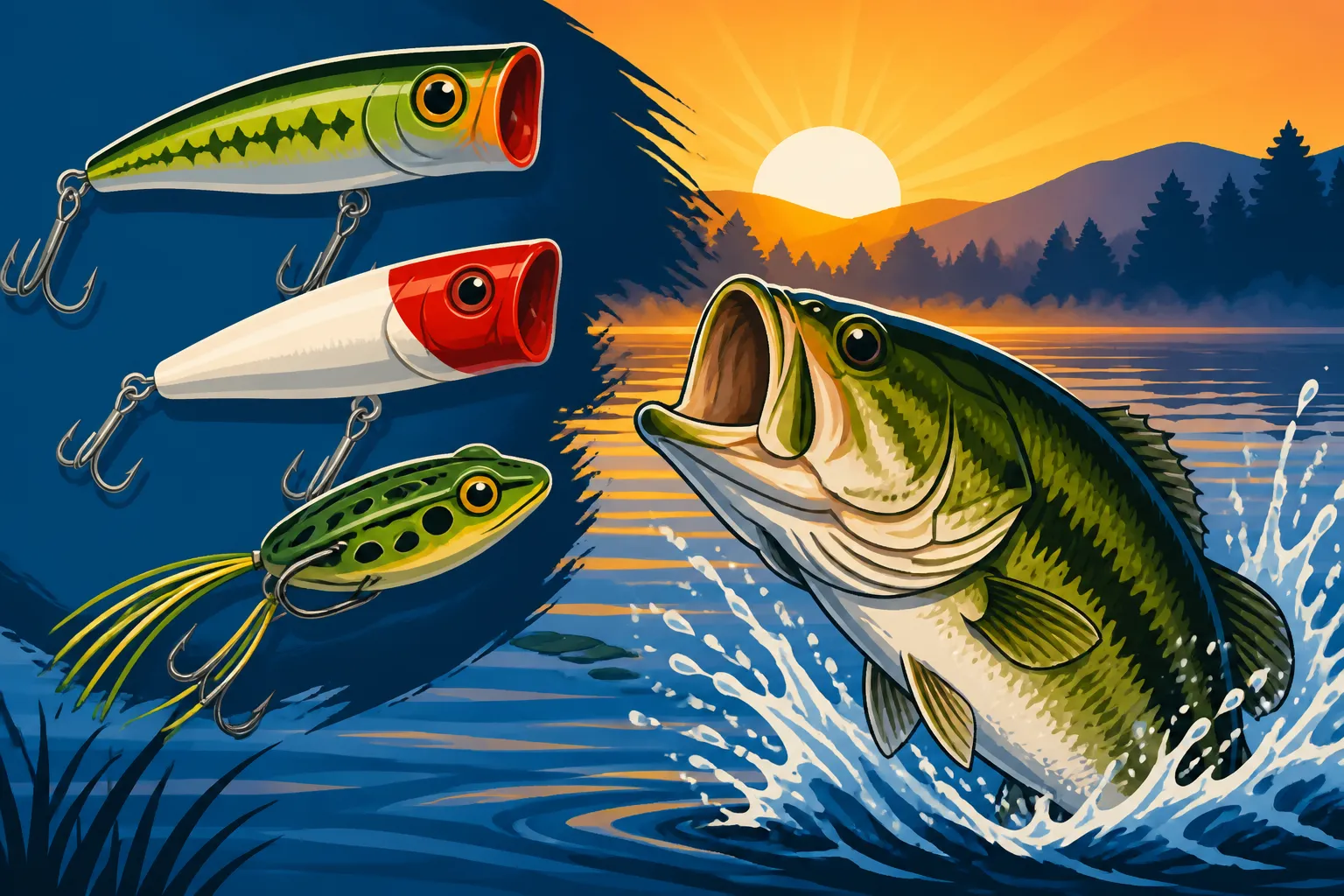
Topwater Lures for Early Morning Bass
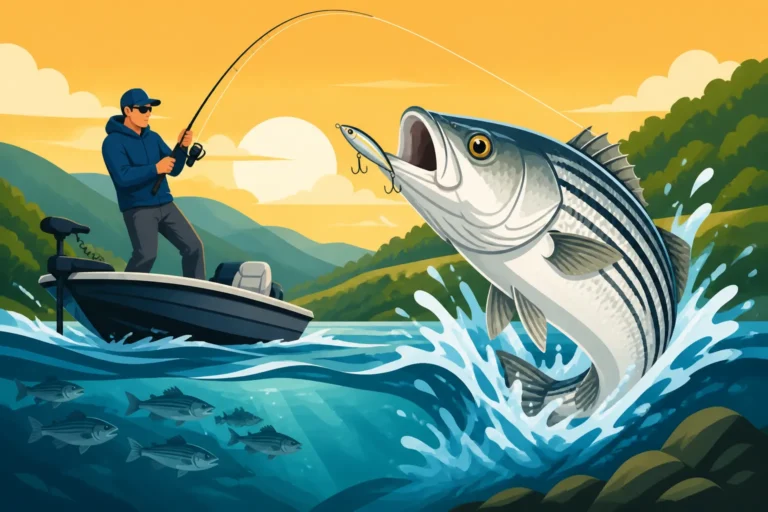
There’s nothing quite like the thrill of a big bass exploding on a topwater lure as the sun just begins to kiss the horizon, shattering the glassy calm of a Tennessee lake. Yet, many anglers struggle to pick the right topwater baits or understand why some days they work like magic and others they fall flat. This guide is dedicated to demystifying early morning topwater bass fishing in Tennessee, helping you choose the best lures and techniques to capitalize on that magical sunrise bite.
Why Early Morning is Prime Time for Topwater Bass in Tennessee
If you’ve ever been out on the water at dawn, you know there’s a certain peaceful quiet, a gentle coolness in the air before the day truly awakens. This isn't just pleasant for us; it’s absolutely prime time for bass, making it an incredible window for topwater action across Tennessee’s diverse waterways. Bass, being opportunistic predators, become more confident and aggressive under these specific conditions.
Understanding Low-Light Conditions and Bass Behavior
When the sun is still hidden or just beginning to cast its first rays, the underwater world is bathed in a soft, diffused light. For a bass, this low-light environment is a significant advantage. Their excellent low-light vision, coupled with their lateral line system, allows them to detect subtle movements and vibrations on the surface much more effectively than their prey can see them. This means they're less wary of a lure sitting or moving overhead.
Think about it: during the bright midday sun, bass often retreat to deeper, shadier haunts, becoming more sluggish and discerning. But in the early morning, with the water still relatively cool from the night, they move shallow, patrolling areas where baitfish and insects are most active. This shift in behavior makes them more prone to look up, ready to strike at anything that looks like an easy meal struggling on the surface. The reduced visibility acts like a cloak for the bass, allowing them to ambush with greater confidence without exposing themselves to overhead predators like ospreys or eagles. It's truly a secret weapon for them, and understanding this confidence boost is key to consistently catching them with topwater.
The Advantage of Ambush Predators Near the Surface
Tennessee's lakes and rivers offer an incredible array of cover that bass absolutely love. We’re talking about fallen timber, boat docks, thick weed beds, rocky points, and even the shadows cast by tall bluffs. In the early morning, bass will position themselves strategically around these structures, becoming textbook ambush predators. They'll lurk just beneath the surface, hidden by the cover or the dim light, waiting for an unsuspecting frog, bug, or baitfish to make a fatal mistake above them.
A topwater lure, especially one that accurately mimics a struggling creature, perfectly exploits this instinct. When a popper gurgles, a walking bait glides, or a frog skips across a lily pad, it creates a disturbance that signals vulnerability. The bass don't have time to overthink it; their predatory instinct kicks in, leading to those heart-stopping blow-ups that make topwater fishing so addictive. Places like Watts Bar Lake, Tennessee's Largest Lake for Fishing with its abundant shoreline cover, or even the numerous state park ponds, become fantastic arenas for this type of early morning game. By presenting a tempting target right in their strike zone, you're practically inviting them to commit to a violent attack.
Essential Topwater Lures for Tennessee's Early Mornings
Choosing the right topwater lure isn't just about throwing something that floats; it's about matching the hatch and the conditions. Different lures excel in different situations, and having a diverse selection in your tackle box can make all the difference between a frustrating morning and a memorable one. Let’s dive into the core topwater arsenal you'll want for Tennessee bass.
Poppers and Chuggers: The Noisy Attention-Grabbers
These are your classic "cup-faced" topwater lures. Poppers typically have a concave mouth that, when twitched, pops or spits water forward, creating a distinct gurgling sound and a splash. Chuggers, a close cousin, often have a slightly wider, more aggressive mouth that creates an even bigger chug or gulp sound. Their primary function is to create a ruckus, calling bass from a distance and imitating a struggling baitfish or a creature falling into the water.
When to use them? Poppers and chuggers are fantastic when you need to draw attention in relatively calm to lightly choppy water. They're excellent around visible cover like boat docks, fallen trees, or over submerged grass beds where bass might be holding tight. The key retrieve technique is often a "pop-pause" or "chug-pause" cadence. Cast it out, let the ripples settle, then give it a sharp twitch or two to make it pop, followed by a pause. Sometimes bass will strike during the pop, but more often, they'll smash it during the pause, giving you a heart-stopping moment. Don't be afraid to experiment with the length of your pauses; sometimes a short one does the trick, other times a long, tantalizing pause is irresistible. You can find a great selection of these on Amazon, often in various sizes and colors, which is helpful when targeting different sized bass.
For instance, on a calm morning on Percy Priest Lake Fishing Near Nashville, Tennessee, casting a popper right up against a seawall or a dock pylon can be incredibly effective. The bass holding there will often charge out to investigate the commotion, leading to an explosive strike.
Walking Baits: The Subtle Dancers
Walking baits, often referred to as "walk-the-dog" lures, are slender, cigar-shaped topwater plugs with no bills or cups. Their magic lies in their unique side-to-side gliding action, mimicking a wounded baitfish erratically swimming on the surface. This action is incredibly realistic and can often entice strikes from more cautious bass that might be spooked by the aggressive splashing of a popper.
Mastering the "walk-the-dog" retrieve takes a little practice, but it's well worth the effort. It involves a steady cadence of slack-line twitches of the rod tip, alternating left and right, while reeling in the slack. The lure literally walks across the surface, turning its head from side to side. This creates a tantalizing, rhythmic presentation. Walking baits are particularly effective in slightly clearer water, over submerged humps, or along the edges of weed lines where bass are cruising. They can also be deadly in open pockets within sparse vegetation.
Consider fishing a walking bait over a deep flat or along a defined contour on Old Hickory Lake Fishing Spots. The subtle action can be just what's needed to convince a wary bass to commit. Look for brands like Heddon Super Spook or Lucky Craft Sammy; they are classic choices that consistently produce. The size and color can vary depending on the local baitfish, but natural shad or bone colors are always good starting points.
Prop Baits: Creating a Disturbance
Prop baits are characterized by one or two small propeller blades, either at the front, back, or both ends of the lure. These blades spin and churn the water when retrieved, creating a buzzing or sputtering sound and a visible wake. Unlike poppers that splash, prop baits gurgle and buzz, producing a different kind of auditory and visual disturbance that can be incredibly effective at calling bass from a distance.
These lures are fantastic for covering water quickly and for fishing in areas where bass might be slightly spread out or where there's a bit more surface chop. The commotion they create is excellent for drawing attention without being overly aggressive like a chugger. Retrieve speeds can vary; a slow, steady retrieve creates a subtle ripple, while a faster retrieve generates more spray and noise. They work well over flats, points, and along the edges of lily pad fields or sparse grass.
Imagine you're casting around scattered stumps on Chickamauga Lake: Tennessee's Top Bass Fishing Destination. A prop bait can be retrieved right over those stumps, its spinning blades making enough noise to get the attention of any bass lurking below without getting snagged. Sometimes, a short, sharp jerk followed by a pause can be particularly effective, making the blades churn wildly before the lure comes to a stop, mimicking a panicking baitfish.
Frogs and Toads: For the Thick Stuff
When the water gets choked with lily pads, matted grass, or dense submerged vegetation, most other topwater lures become unusable. This is where hollow-bodied frog and soft plastic toad lures truly shine. Their weedless design allows them to glide effortlessly over the thickest cover imaginable, daring bass to come out and strike.
Hollow-bodied frogs, like those from Spro or Booyah, are designed with upturned hooks that lie flush against the body, making them virtually snag-proof. Soft plastic toads, often rigged with a single wide-gap hook, offer a similar weedless advantage. The beauty of these lures is that they present a natural profile – a frog or a struggling rodent – directly over the bass's head in areas where they feel most secure.
The retrieve is often slow and deliberate. Cast the frog onto a mat of vegetation, let it sit for a moment, then twitch it a few times to make its legs wiggle or its body slide. Pause again. The key is to keep it moving just enough to attract attention but not so fast that it zips past a lurking bass. When a bass blows up on a frog, resist the urge to set the hook immediately! Wait until you feel the weight of the fish, as they often just slurp the mat around the frog first. These are absolutely essential for fishing dense cover, and you can find a wide variety of realistic colors and patterns readily available on Amazon. For instance, if you're exploring the cypress knees and thick vegetation on Reelfoot Lake Fishing, Tennessee's Cypress Swamp Lake, a frog lure is not just an option, it's often the only option that will consistently get bites.
Mastering Topwater Techniques for Tennessee Bass
Having the right lures is just half the battle; knowing how to present them effectively is where true topwater mastery lies. It’s about understanding the environment, having the correct gear, and being adaptable.
Reading the Water and Targeting Key Structures
Before you even make your first cast, take a moment to observe the water. Look for signs of baitfish activity, like flickering minnows on the surface or nervous shad. Notice any subtle disturbances – a swirl, a jump, or a small ripple – that might indicate a bass is present. Pay close attention to temperature breaks if possible, and definitely the prevailing wind, which can push baitfish into certain areas.
When it comes to targeting structures, think like a bass. Bass are ambush predators, and they love to hide in places where they can surprise their prey. In Tennessee's reservoirs and rivers, this means focusing on:
- Laydowns and Brush Piles: Submerged or partially submerged timber offers excellent cover and shade. Cast your topwater lure right up against the wood.
- Boat Docks and Seawalls: These man-made structures provide overhead cover and shade, making them prime bass hangouts, especially on popular lakes around cities.
- Lily Pads and Grass Beds: As discussed with frogs, these dense mats offer unparalleled concealment.
- Rocky Points and Bluffs: Bass will often use the edges of these structures as ambush points.
- Shaded Areas: Even on bright mornings, bass will gravitate towards the shade cast by trees, bridges, or steep banks.
The key is precision casting. You want your lure to land softly and accurately near these targets. Often, the strike will happen within the first few seconds of the lure hitting the water, or after a short pause right next to the cover. Remember, the fish are looking up, so presenting the lure as naturally as possible, mimicking a clumsy meal, is crucial. For anglers exploring various fishing spots, knowing how bass position themselves can drastically improve catch rates on even the Best Fishing Lakes in Tennessee.
Rod, Reel, and Line Setup for Topwater Success
Your gear setup is critical for effective topwater fishing, particularly when it comes to getting a solid hookset and handling powerful strikes.
- Rod: A medium-heavy to heavy power rod, typically 6'6" to 7'4" in length, with a fast or extra-fast action is ideal. The fast tip allows for precise casting and imparts the necessary action to your lures (especially for walking baits), while the powerful backbone helps drive those hooks home through a bass’s tough mouth. For many anglers, a good 7-foot medium-heavy rod is a versatile choice for most topwater applications. You can often find a suitable Best Rods for Largemouth Bass that doubles as a great topwater stick.
- Reel: A baitcasting reel with a moderate to fast gear ratio (6.4:1 to 7.1:1) is generally preferred. A faster retrieve helps you quickly take up slack after a strike, which is vital for a good hookset. It also allows you to work walking baits and prop baits with ease. For poppers where you might want more control, a slightly slower ratio can also work, but generally, speed is your friend.
- Line: This is a hotly debated topic, but here’s the rundown:
- Monofilament (Mono): This is a traditional choice for topwater because it floats, which helps keep your lure on the surface and enhances the action of some baits. Its stretch can also act as a shock absorber during violent strikes, preventing hooks from tearing out. Use 12-20 lb test.
- Braided Line: Many experienced anglers prefer braid (30-50 lb test) for its incredible strength, zero stretch, and sensitivity. The lack of stretch means a more direct connection to the lure, making it easier to work walking baits and ensuring powerful hooksets. However, braid doesn't float as well as mono, and it's highly visible. Many combat the visibility issue by tying a short (1-2 foot) monofilament or fluorocarbon leader to the braid. However, some argue the braid’s buoyancy is offset by its lack of stretch. For frog fishing in heavy cover, braid is non-negotiable due to its cutting power through vegetation and strength to pull bass out.
No matter your preference, ensure your knots are strong and your line is in good condition. Investing in quality line is as important as the lure itself, and you can stock up on various types from Amazon.
Varying Your Retrieve and Cadence
This is where fishing becomes an art form. Bass are not always in the same mood, and what works one day might not work the next. The most successful topwater anglers are constantly experimenting with their retrieve.
- Speed: Sometimes bass want a fast, frantic retrieve, like a panicking baitfish fleeing a predator. Other times, a slow, methodical crawl with long pauses is what triggers a strike. Don’t be afraid to mix it up. Start with a moderate retrieve and then speed it up or slow it down if you're not getting bites.
- Pauses: The pause is often the most critical part of a topwater retrieve. When you stop the lure, it can mimic an injured or dying baitfish, a moment of vulnerability that bass find irresistible. Experiment with the length of your pauses – from a quick count of one to a long, agonizing count of five or more.
- Erratic Action: Bass often react to unexpected movements. Instead of a steady rhythm, try an erratic retrieve – a few quick twitches, a long pause, then a single, sharp pop. The goal is to make the lure seem alive and unpredictable.
For example, when fishing a prop bait, you might start with a slow, steady retrieve over open water. If that doesn't work, try speeding it up to create more splash. If still nothing, move it closer to cover and try a "start-stop" retrieve, letting the prop churn a bit, then pausing. This willingness to adapt and try different presentations is what separates the average angler from the consistent catcher of bass on topwater lures. It's not unlike how you might adjust your approach when learning How to Fish a Spinnerbait for Bass or any other reaction bait.
Seasonal Considerations for Early Morning Topwater Fishing
While early morning is generally excellent for topwater, the specific strategies and the consistency of the bite can shift throughout the fishing year in Tennessee. Understanding these seasonal nuances will help you maximize your success.
Spring to Early Summer: The Prime Window
This period, roughly from late April through June, is arguably the absolute best time for early morning topwater bass fishing in Tennessee. Why? It directly correlates with the Bass Spawn Timing in Tennessee Lakes. After the bass have finished spawning, they are often recuperating and aggressively feeding to regain their strength. Many will be guarding fry or are simply hungry after the rigors of the spawn.
During this time, bass are often found in shallow areas, bays, coves, and around emergent vegetation. The water temperatures are rising but not yet scorching, keeping the bass active closer to the surface for longer into the morning. Poppers, walking baits, and frogs are all incredibly effective. You'll find bass willing to chase down a lure with gusto. It’s a time of explosive strikes and consistent action, especially on cloudy mornings or just after a light rain, which can extend the topwater bite even further. This is when to throw those larger, more aggressive topwaters, as the bass are full of fight and ready to protect their territory or gorge themselves. The bass are often in their post-spawn recovery, so they're shallow, aggressive, and highly susceptible to topwater lures.
Mid-Summer Strategies: Exploiting Shade and Deeper Edges
As Tennessee's summer heat really sets in, typically from July through August, the topwater bite can become more challenging, but it's far from over. The key is to adapt your approach to the warmer conditions. Bass will often retreat to deeper, cooler water during the brightest parts of the day, but they will still move shallow to feed in the low light of early morning.
During mid-summer, focus heavily on areas that provide shade or access to deeper water nearby. This includes fishing topwaters under boat docks, around the shade lines cast by overhanging trees, near steep bluffs, or along the deeper edges of grass lines where bass can quickly retreat to cooler depths. The bite might be shorter, often ending once the sun fully clears the horizon and starts heating the surface.
In these conditions, a more subtle approach can sometimes be better. While a noisy popper can still draw a reaction, walking baits retrieved slowly, or even smaller poppers, might entice more strikes from bass that are still feeding but a bit more wary due to the rising temperatures. Think about How to Fish for Bass in Summer Heat changes your overall approach; topwater is no exception. Targeting that very first hour of daylight is crucial.
Fall Transition: Following Baitfish
As late summer gives way to fall in September and October, Tennessee’s bass enter a fantastic feeding frenzy, often referred to as the "fall turnover." Water temperatures begin to cool, and baitfish schools become more active and consolidated. This is another excellent window for early morning topwater.
Bass will actively chase schools of shad and other baitfish into the backs of coves, along main lake points, and over shallow flats. Walking baits and prop baits that mimic fleeing baitfish are incredibly effective during this time. Look for schooling activity on the surface – birds diving, baitfish jumping – as these are sure signs that bass are feeding below.
The key in fall is often covering water to find these active schools. When you find them, cast your topwater right into the melee. Bass will often strike out of sheer competition or reaction. While the absolute explosion might not be as aggressive as in the spring, the sheer numbers of fish you can catch on topwater in the fall can be astounding. Understanding How Water Temperature Affects Bass Feeding is particularly vital in this transitional period, as cooling water revitalizes bass activity.
Here's a quick reference table for your topwater choices:
| Lure Type | Action/Mimicry | Ideal Conditions | Retrieve Example | Best for |
|---|---|---|---|---|
| Popper/Chugger | Splashing, Gurgling, Wounded Bait | Calm to Light Chop, Near Visible Cover | Pop-pause, Jerk-pause | Calling bass from docks, laydowns |
| Walking Bait | Gliding, Erratic Baitfish | Clearer Water, Open Pockets, Along Weed Edges | Steady "Walk-the-Dog" | Wary bass, open water, long casts |
| Prop Bait | Sputtering, Buzzing, Agitated Bait | Covering Water, Moderate Chop, Around Sparse Cover | Steady retrieve, stop-and-go | Locating active fish, scattered timber |
| Hollow-Body Frog | Gliding, Struggling Amphibian | Thick Mats, Lily Pads, Heavy Vegetation | Twitch-pause, Glide | Heavy cover, weedless presentation |
Remember, the beauty of topwater fishing in Tennessee is its versatility. No matter the season, those early morning hours offer a unique opportunity to experience some of the most exciting strikes in freshwater fishing. So get out there, experiment, and enjoy the show!
Disclaimer
Fishing conditions and regulations in Tennessee can change. Always consult the latest Tennessee Wildlife Resources Agency (TWRA) rules and regulations before heading out on the water. This guide is for informational purposes only and does not constitute official legal advice. Enjoy your time on the water, and always prioritize safety.