A Tennessee lake with its own posted rules takes priority over standard limits
You've meticulously studied the statewide fishing regulations, you've got your gear packed, and you're mentally prepared for a fantastic day on the water. But then, as you pull up to a familiar boat ramp or wade into a local stream, you spot it: a small, unassuming sign detailing rules that seem to contradict everything you just learned. This situation can be incredibly frustrating and confusing for any angler, but understanding why these local rules exist and how to navigate them is absolutely crucial for a successful and legal fishing trip in the Volunteer State. This guide will clarify why specific bodies of water often have their own unique posted rules that take priority over Tennessee's standard limits and how to always stay on the right side of the law.
Understanding the Hierarchy of Tennessee's Fishing Rules
It's tempting to think that once you've glanced at the basic statewide regulations, you're good to go anywhere in Tennessee. After all, a rule should be a rule, right? But the reality of managing diverse aquatic ecosystems means things are a bit more nuanced. The Tennessee Wildlife Resources Agency (TWRA) sets broad guidelines for good reason, providing a baseline for conservation efforts across the state. However, our vast network of rivers, lakes, and streams each have their own unique characteristics and challenges.
Why Local Rules Exist
Think about it: Tennessee is home to an incredible variety of waters, from the deep, clear impoundments like Norris Lake to the shallow, cypress-filled expanses of Reelfoot Lake, and the cold, rocky trout streams of the Great Smoky Mountains. Each of these environments supports different fish populations, faces different levels of fishing pressure, and has unique conservation needs. A "one-size-fits-all" approach simply wouldn't work to protect these precious resources effectively.
For instance, a particular lake might be renowned for producing trophy-sized largemouth bass, like Chickamauga Lake. To maintain that reputation and ensure these large fish continue to thrive and reproduce, the TWRA might implement special slot limits or reduced daily creel limits that are stricter than the general statewide bass limits. Similarly, a smaller, heavily stocked trout stream might have specific rules about tackle types (e.g., artificial lures only) or require catch-and-release to preserve the delicate ecosystem and enhance the fishing experience for everyone. These localized regulations are dynamic, constantly evaluated, and adjusted based on scientific data, angler feedback, and the specific health of that waterbody's fishery. It's all about tailoring conservation efforts to where they're needed most, ensuring sustainable fishing for generations to come.
The Power of Posted Regulations
It’s easy to feel overwhelmed by the sheer volume of rules, especially when you're trying to keep track of state, federal, and then local regulations. However, it’s imperative to understand that these local rules are not just suggestions or recommendations; they carry the full weight of the law. When you see a sign at a particular lake or stream outlining specific size limits, creel limits, or tackle restrictions, those regulations absolutely supersede any general statewide limits for that specific body of water.
This hierarchical structure is fundamental to how Tennessee manages its fisheries. The TWRA's primary goal is conservation, and sometimes that means making tough decisions that prioritize the long-term health of a specific fishery over the general convenience of a uniform rulebook. Game wardens and enforcement officers will hold you accountable to the specific rules of the waterbody you are fishing, not just the general ones. Understanding this principle is the first step in becoming a responsible and successful angler in Tennessee. So, while you should always be familiar with the Tennessee Fishing Regulations Explained, recognize that those are just the starting point.
How to Find Lake-Specific Rules Before You Cast
The thought of trying to track down every single nuanced regulation for every waterbody in Tennessee can feel daunting, if not impossible. But with a bit of proactive research, you can quickly and easily find the information you need before you even leave home. It's far better to spend a few minutes preparing than to risk a fine or, worse, unknowingly harm a fragile fish population.
Official TWRA Resources
Your absolute best friend in this quest for localized regulations is the Tennessee Wildlife Resources Agency (TWRA) itself. They are the authoritative source for all fishing rules in the state. The most comprehensive way to stay informed is by checking their official website. The TWRA publishes an annual fishing guide, which is a treasure trove of information. This guide is available both as a free print copy at most TWRA offices, sporting goods stores, and bait shops, and as a convenient digital PDF on their website.
Within this guide, you’ll find a dedicated section for "Special Regulations by Waterbody." This is where the specific nuances for lakes, rivers, and streams across Tennessee are detailed. Always make sure you're looking at the current year's guide, as regulations can change from season to season. For example, if you're planning to fish for trout, the guide will also outline specific trout waters and their unique rules, including any special conditions related to the Tennessee Trout Fishing Season Explained. Familiarizing yourself with this guide is like having a fishing expert right in your tackle box, and it's something you can easily download to your phone or tablet, so it's always handy on the water.
On-Site Signage and Local Intelligence
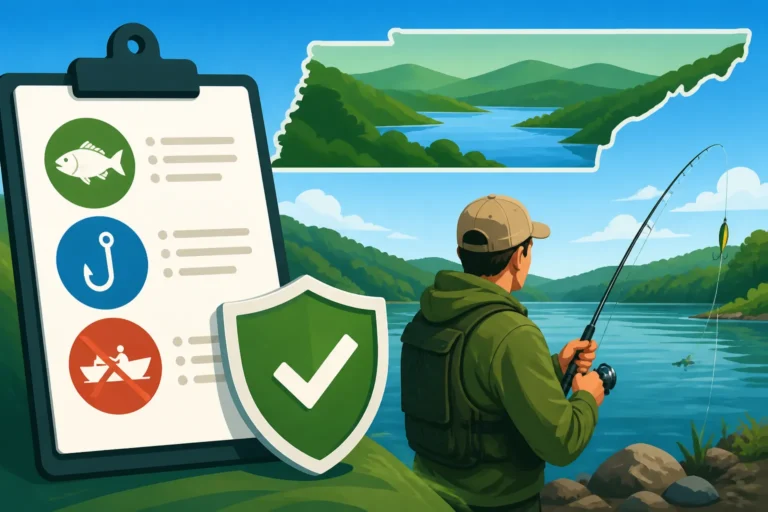
While the TWRA website and annual guide are your primary resources, don't underestimate the power of simply keeping your eyes open when you arrive at your fishing destination. Many boat ramps, public access points, fishing piers, and state park areas will have signs prominently posted that detail any specific regulations for that particular waterbody. These signs are often the last line of defense in informing anglers, so take a moment to read them, even if you think you know the rules.
Beyond official signage, tapping into local knowledge can be incredibly valuable. Stopping by a local bait and tackle shop, like those you might find near Chickamauga Lake or Reelfoot Lake, can provide you with up-to-the-minute information. The folks who work there are often avid anglers themselves and are usually well-versed in the quirks and special rules of their local waters. They might even share tips on current fishing patterns. You could even use a good waterproof fishing notebook you can get on Amazon to jot down these local insights, alongside your general fishing notes. Additionally, online fishing forums specific to Tennessee or even local social media groups can be good places to ask questions and learn from other experienced anglers. However, always double-check any advice you receive against official TWRA sources to ensure accuracy and avoid any misunderstandings.
Common Ways Lake Rules Might Differ from Statewide Limits
The statewide regulations offer a good baseline, covering species like bass, crappie, and trout with general daily limits and size restrictions. But when it comes to specific bodies of water, these rules can diverge significantly. These differences are designed to protect unique populations, manage fishing pressure, and enhance the overall quality of the fishing experience. Understanding these potential variations is key to avoiding missteps.
Species-Specific Size and Creel Limits
This is perhaps the most common area where local rules deviate from statewide standards. While the Statewide Bass Limits for Tennessee Anglers might set a general catch limit of 5 largemouth bass, with only one over 18 inches, a particular lake known for its trophy potential might implement a stricter slot limit. For example, a lake could mandate that no bass between 16 and 20 inches can be kept, or it might reduce the overall creel limit to just 3 fish per day. These measures are often put in place to protect the intermediate-sized fish that are crucial for future trophy development or to preserve breeding stock.
The same applies to other popular species. For crappie, the statewide limit is generally 20 fish per day, with only 5 over 12 inches. However, a heavily fished crappie lake might have a more conservative limit, perhaps reducing the total catch to 10 or 15 fish, or increasing the minimum size requirement to 10 inches for all kept fish. Even trout, with their specific seasons and limits, can have hyper-local variations. Some designated trout streams might be entirely catch-and-release, or allow only a single fish of a certain size to be kept, deviating from the general Tennessee Trout Limits and Season Rules. Always verify these specifics before you start fishing, especially if you plan to keep any of your catch.
Tackle and Method Restrictions
Beyond just how many fish you can keep, local regulations can also dictate how you can fish. This is particularly true in sensitive ecosystems or highly managed waters. For example, many of Tennessee’s pristine trout streams, especially those in the Great Smoky Mountains or areas managed for wild trout, have strict "artificial lures only" or "single hook only" rules. This helps reduce injury to fish that are caught and released, increasing their chances of survival. You might also encounter "fly fishing only" sections, where spinning gear is prohibited altogether.
In some larger reservoirs or particular areas, there might be restrictions on certain types of fishing methods like trotlines or jug fishing, especially if those methods are deemed to interfere with other recreational uses or if they disproportionately impact certain fish populations. Boat motors can also be subject to local rules; some smaller lakes or specific zones might be "electric motors only" or even "paddle craft only" to maintain tranquility, protect shallow habitats, or limit disturbance. It’s not just about the fish, but also about managing the overall environment and the experience for all users. A quick check of the regulations for your chosen spot will clarify any such tackle or method-specific limitations.
Seasonal Closures and Designated Areas
Sometimes, regulations aren't just about what you catch, but when and where you can catch it. Certain lakes or sections of rivers might have seasonal closures to protect spawning fish or newly stocked areas. For instance, parts of a reservoir could be closed to fishing during the bass spawning season to give the fish a chance to reproduce undisturbed. Similarly, designated fish refuge areas or zones near stocking points might be temporarily or permanently off-limits to fishing to allow populations to recover or to protect vulnerable juvenile fish.
These closures are often clearly marked with buoys, signs, or ropes across the water, making them visually obvious to anyone on the water. However, it's always best to know about them in advance through official TWRA resources. For example, while the Tennessee Fishing Season and Catch Limits provides a broad overview, a specific trout stream might have unique fall or winter closures that align with particular stocking schedules or wintering patterns, differing from the general state guidelines. Overlooking these temporal or spatial restrictions can lead to enforcement actions, even if you are otherwise following all other rules.
The Consequences of Ignoring Local Regulations
It's easy to dismiss a small sign at a boat ramp or skim over a section in the TWRA guide, especially if you're excited to get on the water. Many anglers think, "What's the harm? It's just one fish," or "They probably won't even notice." But ignoring these localized fishing rules in Tennessee carries serious consequences, both for your wallet and for the very ecosystems you're trying to enjoy.
Legal and Financial Repercussions
The most immediate and tangible consequence of violating a lake-specific regulation is facing legal action and financial penalties. Game wardens with the Tennessee Wildlife Resources Agency are highly trained and regularly patrol all public waters. They are well aware of the specific rules for each lake, river, and stream under their jurisdiction. If caught violating a local rule – whether it's keeping an undersized fish from a slot limit lake, using prohibited bait in a designated artificial-only stream, or fishing in a closed area – you can expect a citation.
Fines for fishing violations in Tennessee can range from moderate to substantial, depending on the severity and nature of the offense. For instance, intentionally taking multiple fish over a specific limit can result in significantly higher penalties than a minor infraction. Beyond fines, game wardens have the authority to confiscate your fishing gear, including rods, reels, and even your catch. In more severe or repeated cases, you could face the suspension or revocation of your fishing license, meaning you might be prohibited from fishing in Tennessee for a period. It's truly not worth the risk, especially when it's so easy to check the rules. Remember, ignorance of the law is generally not considered a valid excuse, as detailed in our guide on Penalties for Fishing Without a License in Tennessee.
Ecological Impact
Beyond the personal legal and financial troubles, there's a much broader, more significant impact when local regulations are ignored: the harm to the fish populations and the ecosystem itself. These rules aren't put in place arbitrarily; they are scientifically formulated to ensure the long-term health and sustainability of the fishery. When anglers disregard size limits, for instance, they remove fish that are critical for future reproduction or growth into trophy sizes.
Imagine a lake where a special slot limit is in place to protect medium-sized bass, allowing them to grow larger and spawn multiple times. If enough anglers ignore that slot limit, the population of those vital breeding fish could decline dramatically, leading to fewer and smaller fish for everyone in subsequent years. Similarly, using live bait in an artificial-lures-only trout stream can introduce diseases, non-native species, or simply increase mortality rates for fish that are caught and released. Every angler has a responsibility to act as a steward of our natural resources. By respecting and adhering to these localized rules, we contribute directly to maintaining healthy, thriving fish populations and ensuring that Tennessee remains a premier fishing destination for future generations. It’s an investment in the sport we all love.
| Rule Type | Statewide Default Example | Lake-Specific Example (Hypothetical) | Impact/Reason for Difference |
|---|---|---|---|
| Largemouth Bass | 5 fish/day, only 1 over 18 inches | Chickamauga Lake: 5 fish/day, but no keeping fish between 16-20 inches, only 1 over 20 inches | Protects trophy potential and increases breeding stock survival in a renowned fishery. |
| Crappie | 20 fish/day, only 5 over 12 inches | Reelfoot Lake: 10 fish/day, minimum size 10 inches | Manages pressure on heavily fished, productive waters to maintain population health. |
| Trout (Streams) | 7 fish/day, no more than 2 brown trout (March-Sept.) | Caney Fork River (specific sections): Artificial lures only, single hook, catch & release only | Protects delicate wild trout populations, minimizes handling mortality, and enhances sport. |
| Tackle | Generally unrestricted bait and tackle | Designated Trout Water: Artificial lures/flies only, no live bait. No treble hooks. | Prevents disease spread, reduces harm to C&R fish, preserves natural behavior. |
| Boating | General boating regulations (speed, safety equipment) | Small Lake/Pond: Electric motors only, no gasoline motors | Preserves tranquility, protects water quality, and prevents erosion in sensitive areas. |
Disclaimer
The information provided in this guide is for general informational purposes only and is not intended as legal advice. Fishing regulations in Tennessee are subject to change, and specific rules for individual waterbodies can vary. Always consult the most current official Tennessee Wildlife Resources Agency (TWRA) fishing guide and local signage at your chosen fishing location before engaging in any fishing activities. Compliance with all federal, state, and local regulations is the responsibility of each individual angler.